EN
ENDEALER

45.196 US$DEALER
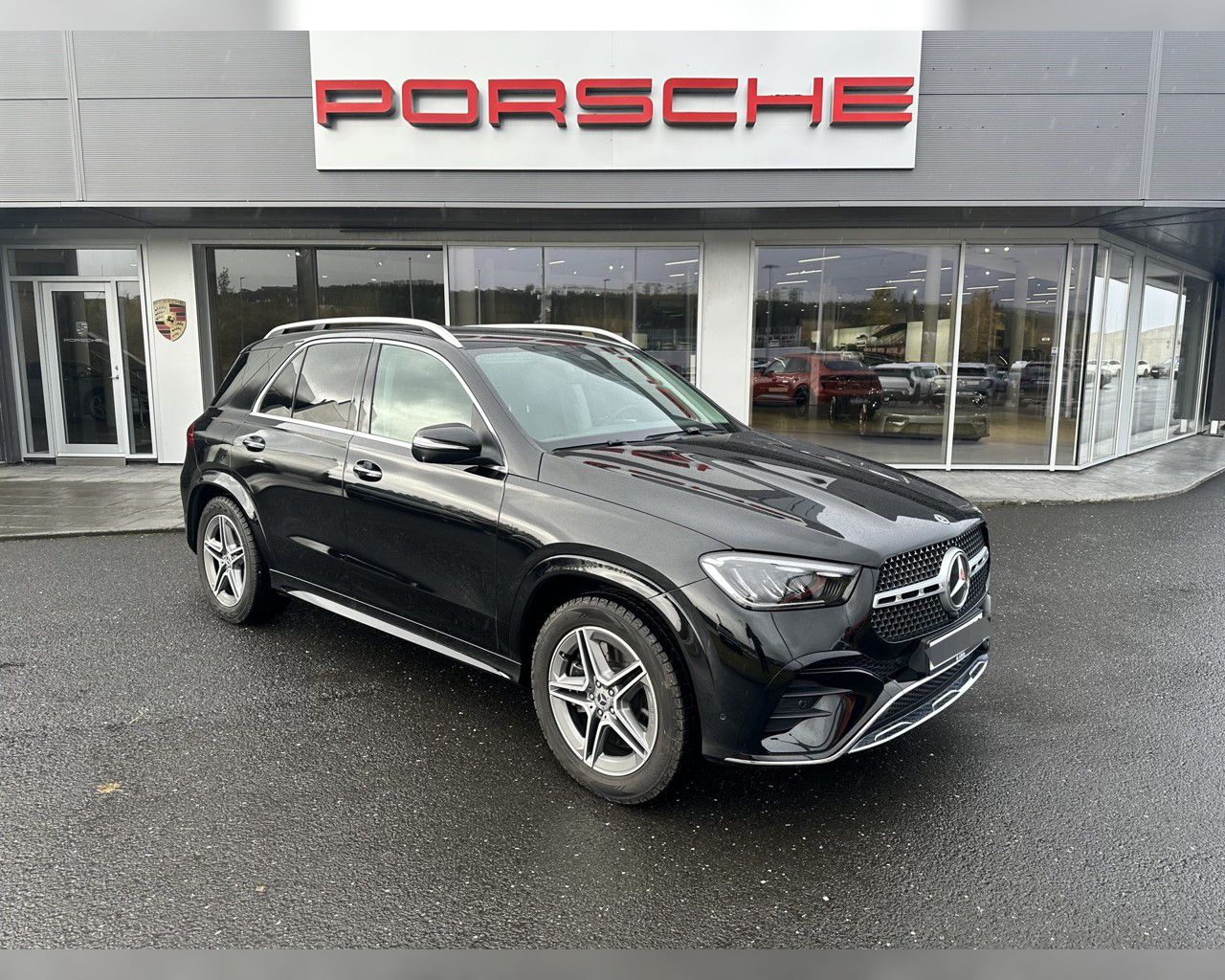
2019, diesel, automatic, Rear Wheels Drive, 245 hp

notadir.benni.is
 Iceland





















 IcelandIcelandReykjavík, Iceland
 SpainSpainSpainSpainSpainSpainSpainSpainSpainSpainSpainSpainSpainSpainSpainSpainSpainSpainSpainSpainSpainSpain
If you are shopping Mercedes-Benz in Europe, the smartest first step is not choosing a badge or body style. It is deciding what kind of ownership story you are willing to buy into. A strong Mercedes-Benz listing usually feels coherent before you ever see the car: the photos match the mileage and wear, the equipment makes sense, the service history is not vague, and the seller can explain how the car was used. A weak offer often reveals itself just as quickly. The details do not add up, the description leans on prestige instead of maintenance, and simple questions get fuzzy answers.
Mercedes-Benz covers a huge spread of buyer intentions. Some people want a compact daily car with a premium cabin feel. Others are browsing estates for family use, SUVs for mixed driving, or larger saloons because long-distance comfort matters more than sharp pricing. That variety is exactly why comparing listings needs a little discipline. Do not compare every Mercedes-Benz to every other one. Compare cars by role first: city commuter, motorway cruiser, family all-rounder, business travel car, or occasional-use second car. When you group offers this way, it becomes much easier to notice whether one listing is genuinely good value or simply cheaper because something important is missing.
A useful ownership question is: what will this Mercedes-Benz feel like on an ordinary Tuesday, not on collection day? A car can look impressive in photos and still become tiring if the spec is awkward, the maintenance trail is thin, or the condition suggests postponed repairs. Everyday life with Mercedes-Benz tends to be most satisfying when the previous owner seemed to care about the boring parts: regular servicing, matching tyres, a tidy interior, working electronics, and paperwork that follows the car instead of being explained away. Those details sound small in a listing, but they usually shape ownership more than one extra option pack.
In used Mercedes-Benz listings, seller behaviour is often as informative as mileage. Look for descriptions that say what was done, not just what the car has. Service invoices, dates, recent wear-item replacement, and a clear explanation of ownership length are more useful than a long equipment list copied from a brochure. If the seller says the car was mainly used for motorway driving, ask what maintenance came with that use. If it was a city car, ask about cosmetic wear, parking damage, and cold-start habits. If it was imported within Europe, ask when and where, and whether the current documents and maintenance records form one clean story.
A less obvious clue: many weak Mercedes-Benz ads try to sell you an atmosphere. They lean hard on words like elegant, powerful, iconic, or full option, but stay strangely quiet about tyres, brakes, warning lights, previous repairs, or what does and does not work. Good sellers usually do the opposite. They do not hide minor flaws, because they know a serious buyer will respect precision more than theatre. A listing that openly mentions two scratches and a recent service often deserves more attention than one that sounds perfect but says almost nothing specific.
Before calling, compare four things across a small shortlist of Mercedes-Benz offers: condition, history, specification fit, and plausibility. Condition means more than shiny paint. Check seat wear, steering wheel wear, switchgear, panel alignment, wheel condition, and whether the cabin looks consistent with the stated mileage. History means not just “service book available” but whether the pattern of servicing sounds continuous and credible. Specification fit means asking whether you actually need this exact version or are being distracted by trim and image. Plausibility is the final filter: does the whole listing feel like a real car with a real life behind it?
This matters even more with Mercedes-Benz because buyers often forgive too much if the car looks prestigious. That is where expensive mistakes begin. A modestly specified car with orderly ownership can be the better buy than a more glamorous example with unclear maintenance. If you are comparing new and used listings, or nearly new against older higher-spec cars, be honest about your tolerance for risk. The more complicated the car, the more valuable a transparent maintenance record becomes.
Ask the seller what they have done to the car in their ownership. Ask what the next likely maintenance item is. Ask whether every feature works, including infotainment, climate functions, assistance systems, lights, keys, and seat adjustments. Ask whether there are any warning messages, known faults, or cosmetic issues not obvious in the photos. Ask for cold-start information if you cannot inspect the car immediately. And if the answer to several simple questions is “I do not know,” treat that as useful information, not bad luck.
There is also a practical emotional test that works surprisingly well with Mercedes-Benz. Can you imagine the current owner caring about this car after the sale? Sellers who kept records, photographed the car honestly, and can speak calmly about maintenance usually leave a better impression because the ownership story feels finished, not abandoned. That feeling matters. When a Mercedes-Benz offer feels trustworthy, it is rarely because the seller promised perfection. It is because the small details line up.
Mercedes-Benz deserves a place in many European shortlists because the brand spans so many use cases, but that is also why buyers need to stay selective. Focus less on the logo and more on the life the car has already had. Compare offers that serve the same purpose, ignore vague prestige language, and reward listings that make the ownership picture easy to understand. If a Mercedes-Benz ad gives you confidence before the test drive, that is not a minor advantage. In this part of the market, it is often the difference between buying a car you enjoy living with and buying one you spend the first months decoding.
 Add as preferred sourceSee more from zvelta in Google Search Add as preferred source