 EN
ENDEALER

10.326 US$DEALER
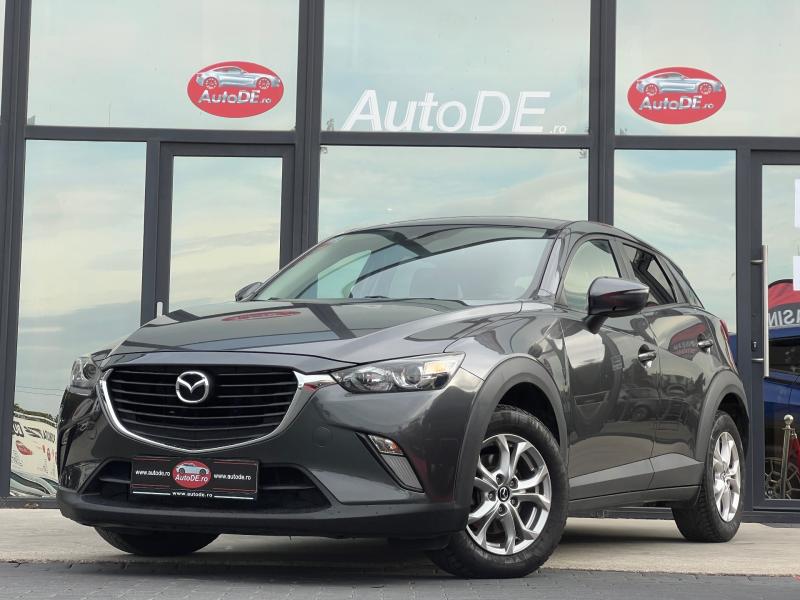
diesel, manual, 203K km, SUV, Front Wheels Drive, 1 cm3, 105 hp, grey, Exclusive-Line, Used condition, Japan, In stock

longo.ee
 Miškiniai, Estonia






















 Miškiniai, EstoniaTorņakalns, Latvia
 PolandMiškiniai, Lithuania
 Romania, Arad County
 Arad, RomaniaRomania, Timiș County
 Romania, Cluj County
 Romania, Mureș County
 Romania, Suceava
 RomaniaRomaniaBacau, Romania
 Bulgaria, Varna
 Greece, Attica
A good Mazda CX-3 listing should make your next step obvious. You should be able to tell, before you message anyone, whether the car is worth a serious trip, a short local look, or no attention at all. That matters even more in the EU market, where the same Mazda CX-3 can appear a quick drive away or several borders from home, and where a cheap-looking offer can become expensive once travel, paperwork, and inspection risk enter the picture.
When buyers search for a Mazda CX-3 for sale, they often begin with trim, color, mileage, or gearbox. Useful, yes, but for this model it is often smarter to begin with geography. A Mazda CX-3 that looks attractive in one part of Europe may require a full day of travel, a third-party inspection, or extra caution around registration details. Another may be slightly pricier but close enough to inspect calmly, revisit if needed, and collect without rushing. That changes the real value of the listing.
The practical move is to split your shortlist into three groups: nearby cars you can inspect yourself, mid-distance cars that justify a train or short flight only if the ad is strong, and long-distance cars that should pass a much tougher pre-call filter. With only a limited number of active listings, weak ads deserve even less patience. If a seller of a Mazda CX-3 cannot present clear photos, readable documents, and a coherent description, distance makes that weakness worse, not smaller.
A convincing used Mazda CX-3 offer usually feels consistent rather than flashy. The mileage should match the wear you can see on the steering wheel, seats, pedals, and cargo area. Panel gaps, wheel condition, and tire brand matching are small clues, but together they tell you whether the seller has taken the listing seriously. If the photos avoid one side of the car, skip close-ups, or show the vehicle wet, freshly polished, or parked too tightly to inspect properly, ask yourself what the ad is trying not to show.
You also want a clean explanation of ownership and maintenance. Not a dramatic story, just a believable one. Ask when the seller bought the Mazda CX-3, how long it has been used, where it was serviced, and whether recent maintenance can be documented. If the answer jumps between workshops, missing invoices, and vague promises like “everything done,” slow down. A modest, honest listing with ordinary photos and proper service history is often the better buy than a glossy ad with very little substance.
Compact crossovers like the Mazda CX-3 attract two very different seller styles. One seller knows the car well and writes a plain ad because they expect informed buyers. Another knows that the model’s shape, raised seating position, and Mazda badge will pull clicks even from people who have not yet compared alternatives. The second type often leans on style more than substance. That does not mean the car is bad, but it does mean you should read past the easy appeal and judge the listing line by line.
This is where search behavior matters. Buyers crossing the EU market can get emotionally attached to the first “good enough” Mazda CX-3 because supply feels thin. That is exactly when rushed decisions happen: a quick deposit, a half-checked VIN, a promise that “many others are interested.” If the seller is pressuring you before they can answer basic questions, treat that as part of the condition report.
Before you arrange a viewing, ask for the details that make the trip rational. Request cold-start video, dashboard warning-light photos, close-ups of wheels and lower bodywork, and a photo of the service book or maintenance records if available. Ask whether there are any paintwork repairs, whether both keys are present, and whether all equipment works as expected. For a Mazda CX-3 in Europe, it is also sensible to clarify registration status, imported history if relevant, and whether the seller’s name matches the documents.
Try asking questions in a way that leaves little room for vague replies. Instead of “Is the car okay?” ask “What faults would I notice in the first 20 minutes of driving?” Instead of “Any accidents?” ask “Which panels have been repainted, replaced, or repaired during your ownership?” A careful seller will usually answer directly. A slippery one will switch to general praise.
With a model like the Mazda CX-3, a small number of available cars can push buyers into false urgency. Do the opposite. Build your comparison around condition, evidence, and logistics rather than assuming the cheapest or newest ad is best. One listing may have higher mileage but stronger maintenance proof. Another may look cleaner but require border travel, a day off work, and extra registration checks. Once those factors are counted honestly, the ranking often changes.
It also helps to compare each Mazda CX-3 against the standard of effort shown by the seller. Good listings usually include enough information to reduce uncertainty before contact. Weak ones create work for the buyer. If you have to drag every useful fact out of the seller one message at a time, ownership may be no easier after purchase. That is not a rule, but it is a pattern many buyers recognize only after wasting weekends.
Do not arrive just hoping to “see how it feels.” Go to inspect a particular Mazda CX-3 because the listing has earned that effort. On the drive, listen for anything that contradicts the ad’s calm tone: noises on rough surfaces, hesitation, warning lights, uneven braking feel, or signs that maintenance may have been postponed. Check that the interior functions you care about actually work, and confirm that the car matches the photos and description rather than merely resembling them.
One overlooked point with cross-border shopping is fatigue. If you have traveled far, you become more likely to compromise because you want the trip to “pay off.” That is why the strongest buyers build a walk-away rule before leaving home. If the documents do not line up, if condition is clearly below the listing, or if the seller changes the story on arrival, leave. The best Mazda CX-3 deal is not the one that saves a little money on screen; it is the one you can verify calmly, buy without pressure, and live with comfortably after the excitement fades.
 Add as preferred sourceSee more from zvelta in Google Search Add as preferred source




.webp "Mazda CX-3 Diesel")