 EN
ENDEALER

20.417 US$DEALER
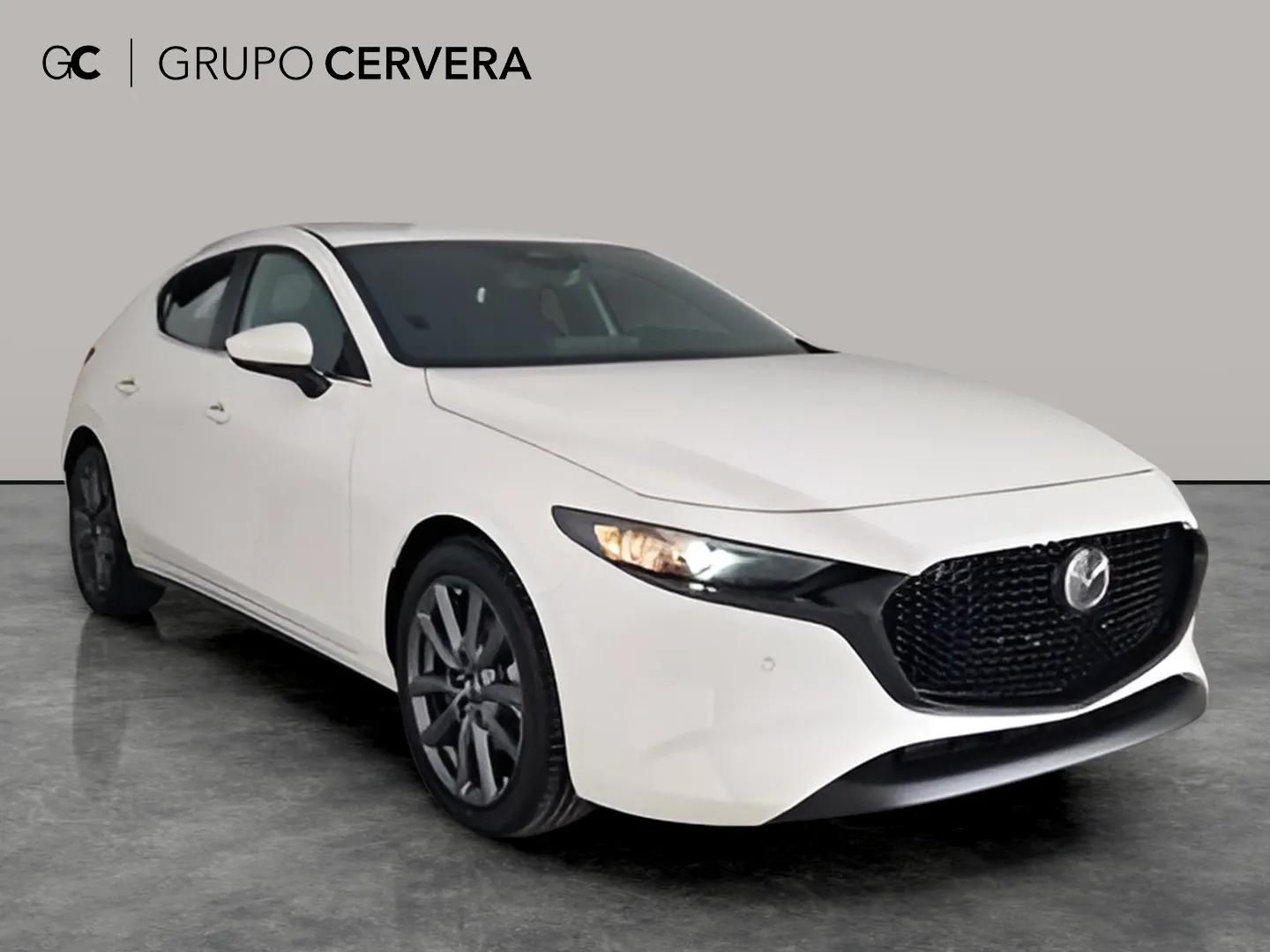
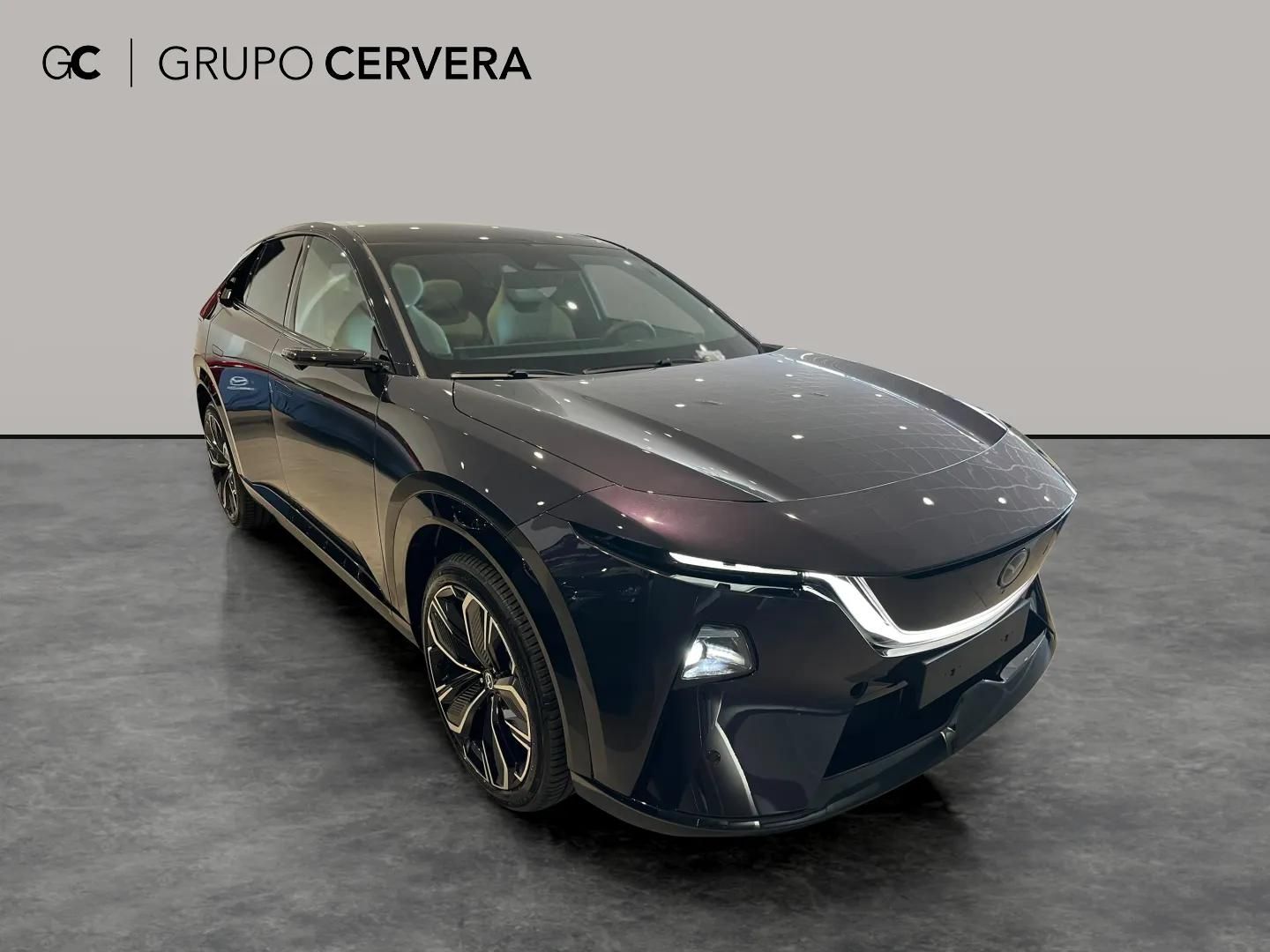
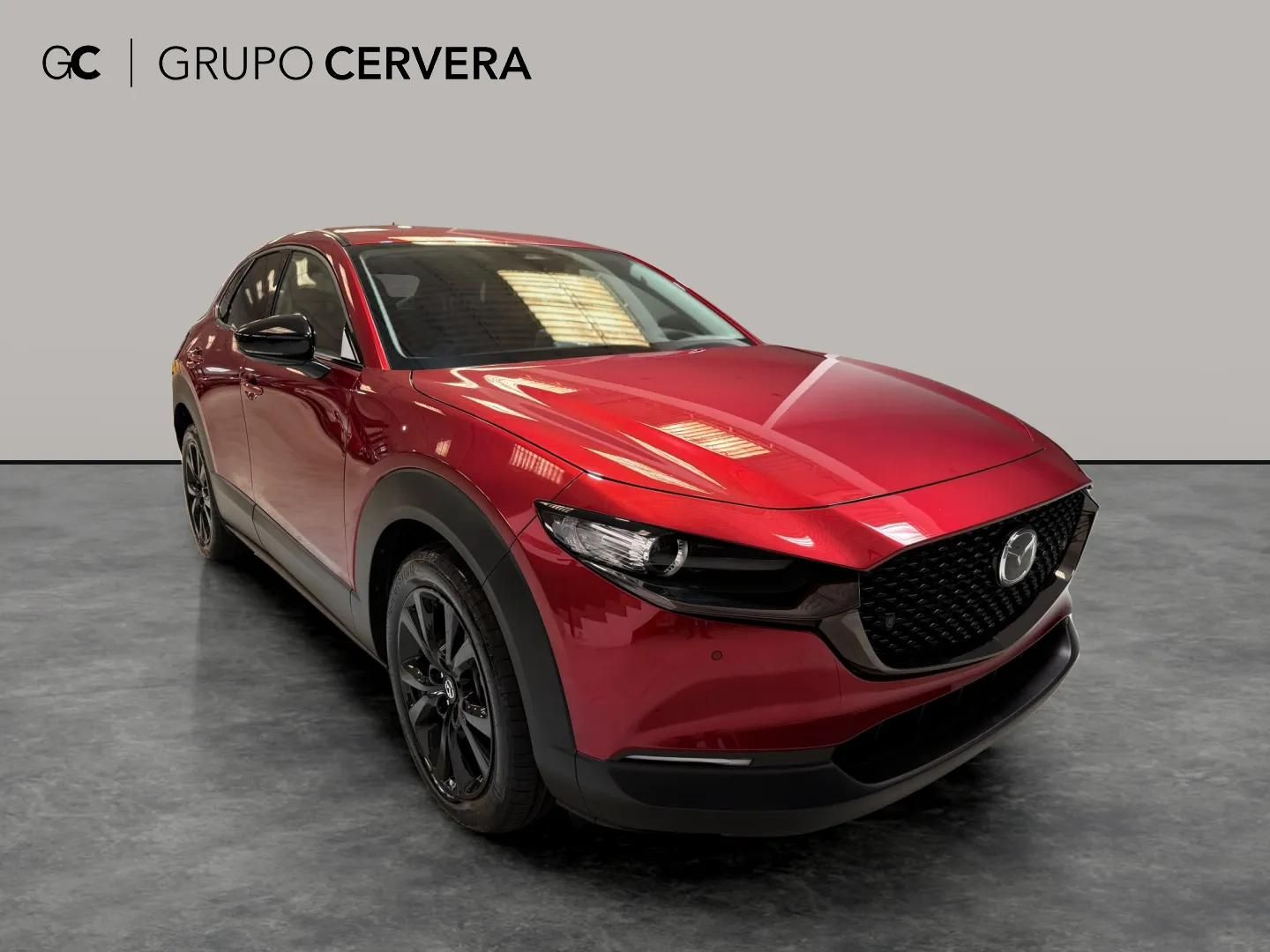
2021, gasoline, automatic, 170K km, Front Wheels Drive, 150 hp

notadir.benni.is
 Iceland





















 Iceland
 Spain, Castilla y LeónSpain, Castilla y LeónSpain, Castilla y LeónSpain, Castilla y LeónSpain, Castilla y LeónSpain, Castilla y LeónSpain, Castilla y LeónSpain, Castilla y LeónSpain, Castilla y LeónSpain, Castilla y LeónSpain, Castilla y LeónSpain, Castilla y LeónSpain, Castilla y LeónSpain, Castilla y LeónSpain, Castilla y LeónSpain, Castilla y LeónSpain, Castilla y LeónSpain, Castilla y LeónSpain, Castilla y LeónSpain, Castilla y LeónSpain, Castilla y LeónSpain, Castilla y LeónSpain, Castilla y LeónSpain, Castilla y León
If you are shopping Mazda listings in Europe, the smart move is not to start with the cheapest car. Start with the offer that tells a coherent story. Mazda attracts buyers who usually care about how a car feels to drive, how it has been maintained, and whether the spec actually matches the asking price. That makes this brand a little more rewarding to shop carefully. A tidy, well-described listing can be worth far more than a tempting low price attached to vague photos and two lines of text.
When you compare Mazda cars for sale, look at balance rather than one headline detail. Mileage matters, but so does whether the seller explains how the car was used, what maintenance was done, and why it is being sold. A used Mazda with honest cosmetic wear, clear service notes, and consistent photos is often a better lead than a shinier ad with missing basics. On a brand page like this, buyers may be cross-shopping several shapes at once, from smaller everyday cars to larger family-oriented options, so the first filter should be simple: does this listing help you understand condition without having to guess?
That sounds obvious, yet weak Mazda listings often fail exactly there. They mention "full options" but do not show the interior properly. They say "perfect condition" but skip tire photos, dashboard close-ups, or details about recent maintenance. They list attractive equipment but avoid the boring information that serious buyers actually use to decide whether a viewing is worth the trip. The better listing usually feels calmer, less theatrical, and more complete.
This is where many buyers save time. Good Mazda sellers usually reveal themselves in small ways before you even send a message. Check the photo order first. If the ad begins with clean exterior shots, then moves through cabin, seats, cargo area, wheels, engine bay, and paperwork-related details, you are probably looking at someone who understands how buyers think. If every photo is taken from too far away, in poor light, or after rain, that is not proof of a bad car, but it is a signal that you may need to work harder to verify everything.
Read the wording closely. A serious seller tends to write concrete notes: recent service, number of keys, ownership length, what works, what was replaced, and what small defects exist. A weak seller often hides behind generic phrases like "top condition" or "no investment needed" without giving anything you can check. With Mazda in particular, where buyers often care about maintenance discipline and overall feel, vague wording matters. Ask yourself: does this person sound like somebody who kept records, or somebody who wants the conversation to begin only after you ignore the gaps?
Response style matters too. If you ask for the service history, VIN, or a cold-start video and get defensive replies, move on carefully. A straightforward answer does not guarantee a perfect Mazda, but it usually signals a cleaner transaction. One useful trick: ask one specific question and one open question. For example, "When was the last major service?" and "What would you tell a buyer to check first in person?" The second answer often reveals more than the first.
Mazda listings can look similar on the surface, especially when sellers use broad equipment claims and polished photos. The better comparison is ownership logic. Does the car's wear match the mileage? Do the seats, steering wheel, pedals, and cargo area look consistent with the story in the ad? Are the service stamps or invoices described in a way that sounds complete rather than decorative? Even when details are limited, you can still judge whether the ad feels internally consistent.
This is also where buyers sometimes make a useful shift: instead of asking which Mazda is the cheapest to buy, ask which one looks easiest to own well from day one. A car with fuller maintenance notes, clearer tires-and-brakes information, and a seller who can explain recent work may cost more upfront and still be the better value. In European listings, where cars may have crossed borders or changed hands more than once, clarity around documents and maintenance can matter just as much as visible condition.
A less obvious point: some Mazda ads are strong because the seller understands the brand's audience. They show the parts enthusiasts and practical buyers both care about: seat condition, infotainment or dashboard operation, body-panel consistency, wheel condition, and service paperwork. That kind of listing does not just look better; it usually indicates a seller who expects informed questions and is prepared for them. Those are often the viewings that waste the least time.
Before contacting a seller, note what is missing from the ad. Then ask for the gaps in a way that invites clear answers. Good examples: are there invoices or service book entries available, how long has the current owner had the car, were there recent repairs beyond routine servicing, are there any warning lights, and does every major feature work as expected? If the Mazda is imported or recently registered, ask what documents are available and whether the history can be followed cleanly.
You can also ask for a short walkaround video, a cold start, or photos in daylight if the listing is vague. Serious sellers usually understand why. If they refuse simple verification but push for a fast deposit or urge you to come immediately because "many people are interested," treat that as pressure, not proof of quality. With only a limited number of Mazda offers visible at one time, it can be tempting to rush. Usually, patience produces the better buy.
Mazda often sits in a useful middle ground for buyers who want something more engaging than the most anonymous option but still need a sensible everyday car. That creates an interesting shopping pattern: people comparing Mazda are often not only comparing one model to another, but also deciding how much they value condition and ownership quality over badge familiarity or bargain pricing. On a catalog page, that means the strongest Mazda listing is not always the newest-looking one. It is the one that makes ownership feel legible.
So when you review new and used Mazda listings, try this order: first eliminate the ads that hide information, then compare condition and maintenance story, then evaluate equipment and price. That sequence sounds less exciting than jumping straight to the cheapest car or the nicest wheels, but it is usually how better purchases happen. A good Mazda offer should make you curious to inspect it. A weak one makes you work too hard before you even leave home.
 Add as preferred sourceSee more from zvelta in Google Search Add as preferred source