EN
ENDEALER

61.892 US$DEALER
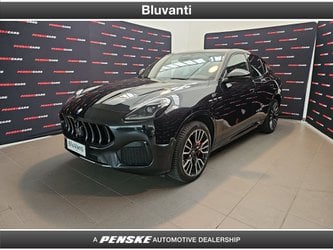
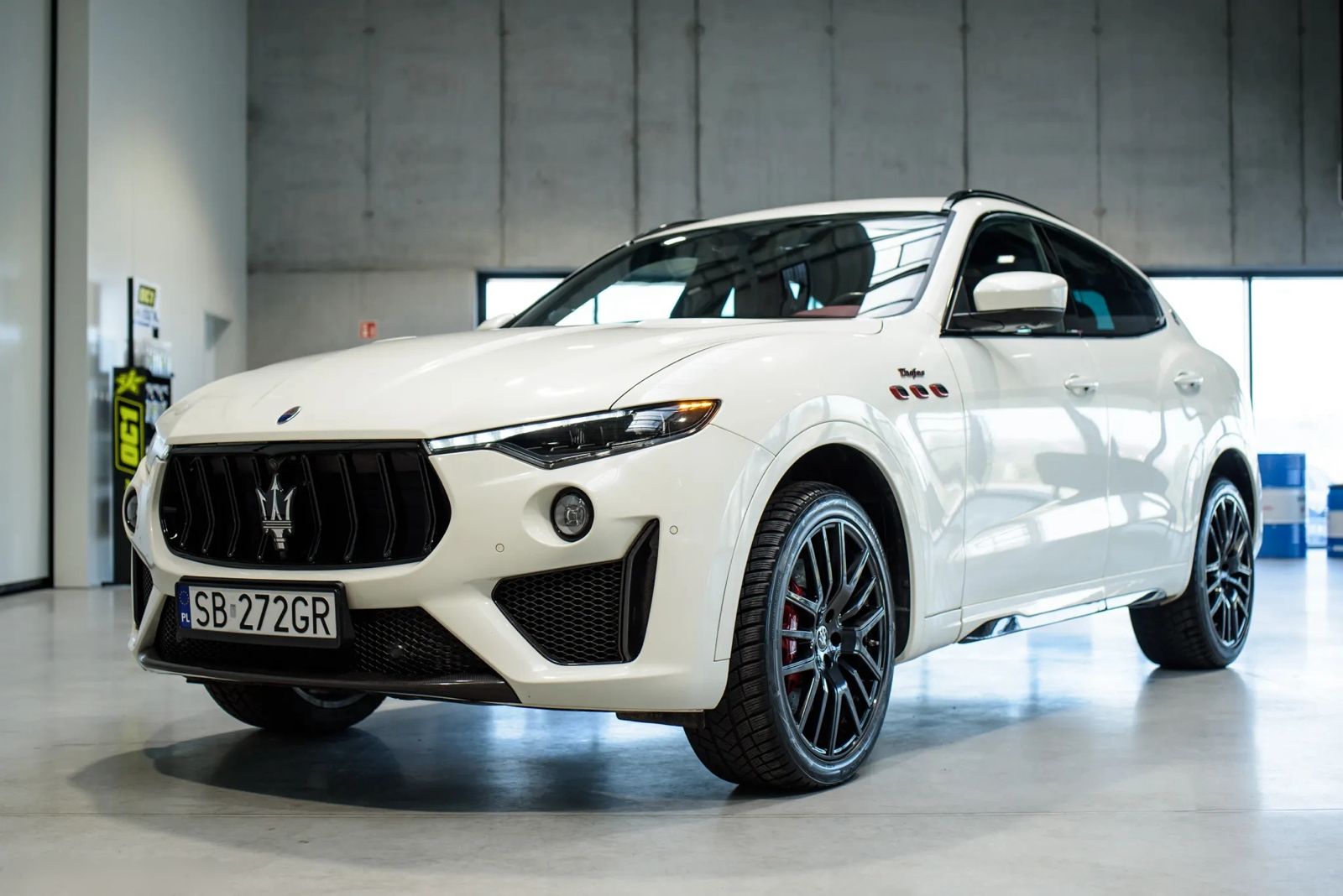
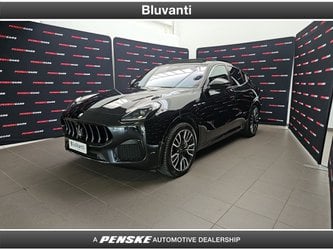
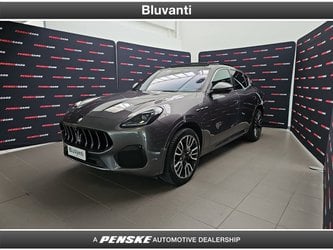
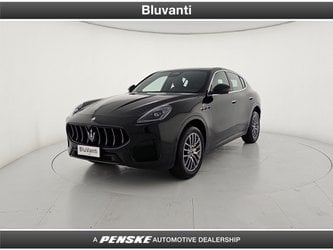
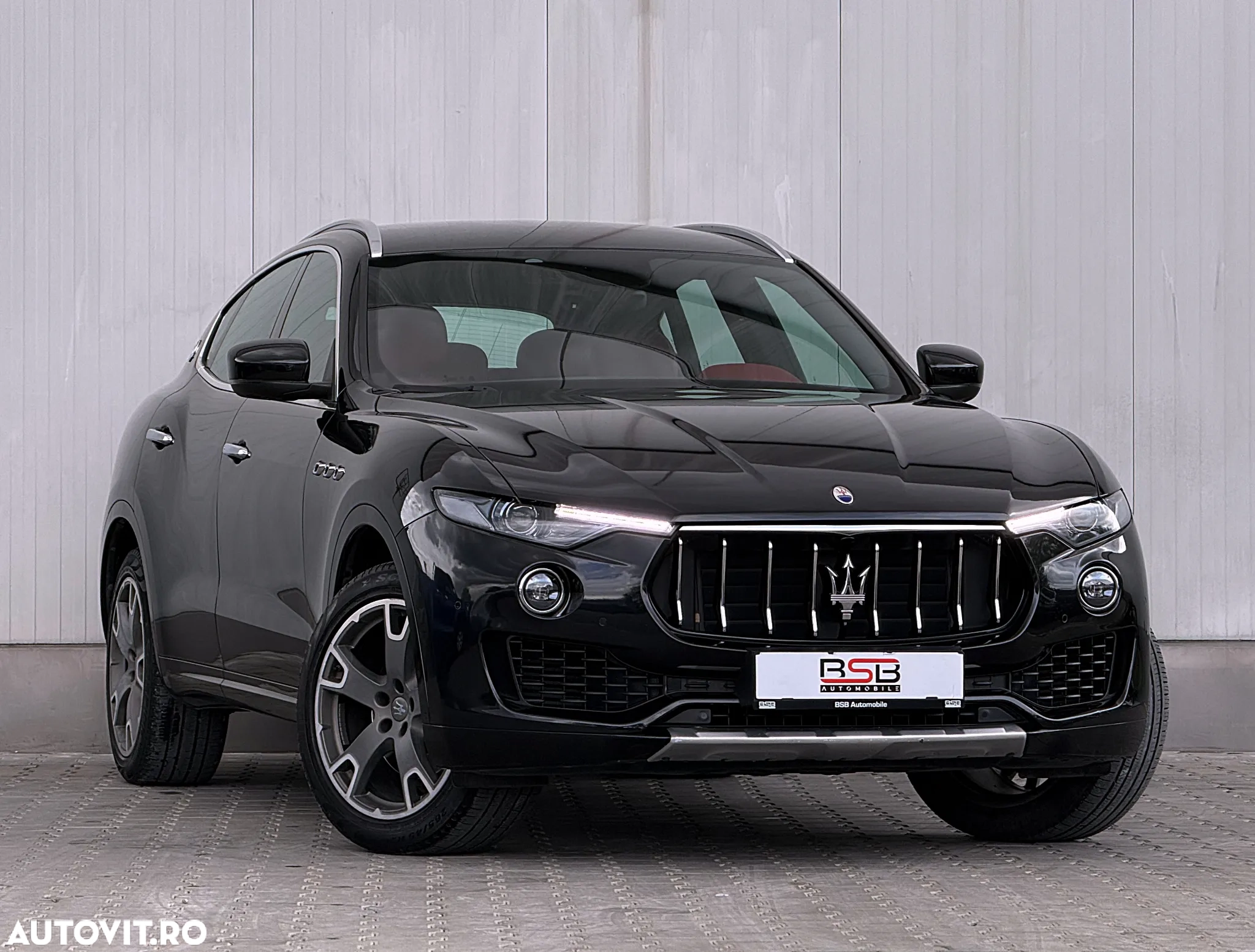
2022, gasoline, automatic, 55K km, SUV, 3,799 cm3, 581 hp, Used condition, In stock

CarOutlet.eu
 Germany





















 Germany
 Marseille, France
 Granarolo dell'Emilia, Italy
 Krzeszowice, PolandRzeszów, PolandWarszawa, PolandWarszawa, PolandKatowice, PolandItalyGranarolo dell'Emilia, ItalyGranarolo dell'Emilia, ItalyGranarolo dell'Emilia, ItalyItalyItalyGranarolo dell'Emilia, ItalyGranarolo dell'Emilia, ItalyGranarolo dell'Emilia, ItalyGranarolo dell'Emilia, Italy
 Traian Vuia, Romania
 Romania, SuceavaRomania, Suceava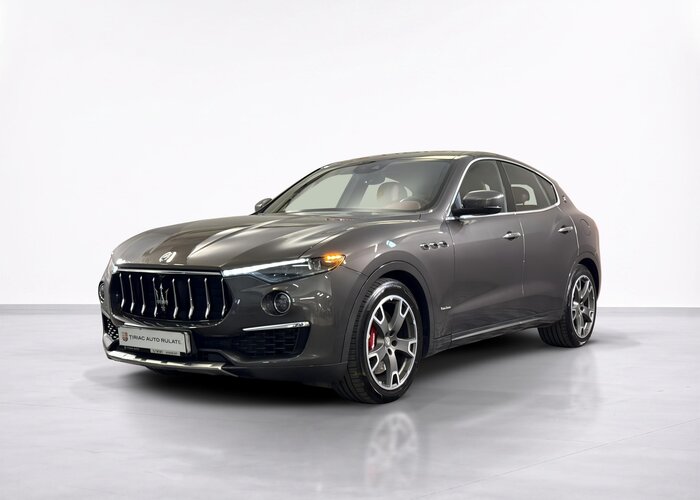
 Dămăroaia, Romania
 Romania
 RomaniaRomania
If you are browsing Maserati listings, the smartest first step is to decide whether you want the badge, the driving mood, or the full ownership experience that comes with it. That sounds subtle, but it changes how you compare offers. Maserati tends to attract buyers who do not want a purely rational premium car; they want something with presence, a cabin and exterior that feel a little more special, and a car that stands apart in a sea of safer choices. That is exactly why a good Maserati can be deeply appealing in the EU market, and also why a weak one can become an expensive distraction.
Maserati is rarely the brand people choose by accident. On used car listings, it often sits in that interesting space between luxury, style, and emotion. A buyer looking at Maserati is often cross-shopping with more predictable German offers but is trying to avoid ending up with something that feels anonymous. That brand character matters when you scan listings: a Maserati should feel intentionally chosen, not like a compromise purchase made only because the price suddenly looks tempting.
When an offer seems unusually cheap, ask yourself what kind of Maserati buyer owned it before. Was it someone who maintained it carefully because they understood what they bought, or someone who wanted the image without the upkeep? In this brand, that distinction matters more than glossy photos. Service records, invoice history, and evidence of consistent care can be more important than a dramatic spec sheet or an attractive color.
A strong Maserati ad usually feels calm and specific. You want to see clear photos, a believable mileage progression, proper documentation, and a seller who can explain maintenance without becoming vague. If the listing talks a lot about rarity or prestige but says little about recent work, ownership history, tires, brakes, warning lights, or known imperfections, slow down. With Maserati, weak ads often lean on emotion because the hard details are less flattering.
Before you call, compare the basics across several Maserati cars for sale: year, mileage, condition, service history, number of owners, visible wear, and equipment that actually affects daily use. Then look at the small signals. Does the interior show more wear than the mileage suggests? Are panel gaps or wheel condition inconsistent with the seller's description? Are there only night photos, wet-car photos, or heavily edited images? A premium brand listing should not make you work this hard to trust it.
The best questions are not dramatic; they are specific. Ask when the car was last serviced and where. Ask what has been done recently, not only what has been replaced over the years. Ask whether there are two keys, manuals, and complete documentation. Ask about warning messages, suspension behavior, gearbox behavior when cold, electronics, and whether the seller would be comfortable with an independent inspection. The tone of the answer matters almost as much as the answer itself.
One useful trick with Maserati listings is to listen for confidence without theater. Sellers of genuinely well-kept examples usually speak in a straightforward way: here is what was done, here is what still deserves attention, here is what I can document. Sellers of weaker cars may overperform the romance of the brand while dodging practical questions. That is not unique to Maserati, but the brand's image makes it especially common.
This is where many buyers make a lazy mistake. They compare Maserati offers as if every model serves the same purpose. In reality, one Maserati may suit a driver who wants daily comfort with flair, while another suits someone who is happy to trade convenience for occasion and drama. That difference should shape your shortlist before you even think about travelling to see a car.
A good way to evaluate a Maserati in listings is to imagine your first six months with it. Will you use it often, in mixed traffic and ordinary parking situations, or mostly as a weekend car? Will slightly fussy ownership annoy you, or is that part of the appeal? If your real use is routine, the best Maserati offer may be the one with the cleanest history and most believable upkeep, not the most exotic-looking spec. If your goal is emotional appeal above all, be honest about that too, and then inspect even more carefully.
There is also a less obvious EU-market detail worth remembering: Maserati attracts both enthusiasts and impulse buyers. That creates a wider gap between good and bad used examples than you might expect from a low-volume premium brand. Two cars that look similar in photos can represent completely different ownership stories. On this page, that is why comparing listings side by side matters more than chasing the first car that feels glamorous.
Go see a Maserati when the seller gives you enough substance to justify the trip. That usually means complete photos, a sensible description, visible honesty about flaws, and service history that sounds organized rather than improvised. If a seller is evasive about maintenance, reluctant about inspection, or strangely casual about missing records, move on. There are not always many Maserati cars for sale, but scarcity alone is not a reason to lower your standards.
A worthwhile viewing should confirm three things quickly: the car matches the listing, the condition matches the mileage and story, and the seller behaves like someone who has actually lived with the car responsibly. If those three pieces line up, a Maserati can be one of the more rewarding choices in the listings precisely because it feels more personal than the default luxury options. Just buy the right kind of special: the one supported by paperwork, consistency, and a believable ownership history, not only by looks and promise.
 Add as preferred sourceSee more from zvelta in Google Search Add as preferred source