EN
ENDEALER

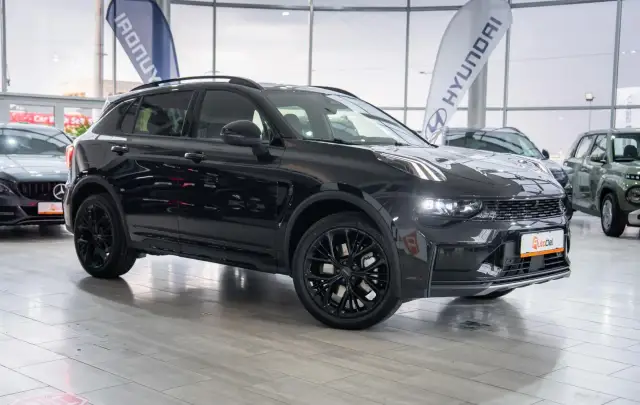
2022, hybrid, automatic, 151K km, SUV, 261 hp, 1.5 192kW PHEV 5d, Used condition, Europa, In stock, sale date 19.10.2026 03:49

CarOutlet.eu
 Netherlands
Auction starts · 19 Oct, 03:49
Current bid€100






















 NetherlandsFranceFrance
 Romania, Suceava
 Chiajna, Romania
If you are looking at Lynk & Co listings, the first useful question is not “is this brand good?” but “does this brand fit the way I actually buy and use a car?” That matters here more than with many established badges. Lynk & Co tends to attract buyers who want something more distinctive than the obvious mainstream choice, but who are not shopping for a pure luxury logo either. In the EU market, that creates an interesting used-car dynamic: some sellers lean hard on the brand’s image, while careful buyers focus on the basics that always matter more than branding in a listing — condition, history, equipment, and how clearly the car has been presented.
A Lynk & Co offer usually enters the shortlist for a specific type of buyer. This is often someone cross-shopping newer-looking alternatives from familiar European, Korean, or Japanese brands and wanting something that feels less generic. That is the real character of the brand in classifieds: it is often chosen by people who care about design, tech feel, and everyday usability, but who still want a car that makes sense on a normal ownership budget.
That does not mean every listing is automatically attractive. In fact, unusual brands often need better listings, not weaker ones. If a seller uploads poor photos, gives almost no maintenance detail, and hides behind vague phrases like “full options” or “perfect condition,” be stricter than you would be with a common model. With Lynk & Co, buyers may not have years of instinct for every trim, feature set, or market variation, so transparency matters more. A strong offer should show the car clearly, describe service history in plain language, and explain what is actually being sold rather than relying on the badge to do the work.
A lot of people click on Lynk & Co cars for sale because the brand is interesting. That is normal. But interest can make buyers too forgiving. Before you contact the seller, compare the listing on four simple points: mileage, maintenance evidence, visible wear, and specification clarity. Not glamorous points, but they save time.
Look closely at whether the photos show everyday-use areas: seats, steering wheel, screens, charging ports if relevant, wheels, and lower body panels. Ask yourself whether the wear level makes sense for the stated mileage. Then read the description again and see what is missing. Does the seller mention routine servicing, software-related updates if relevant, tire condition, number of keys, registration documents, accident repairs, or recent work? A good Lynk & Co listing does not need a novel, but it should answer the obvious ownership questions before you even call.
One less obvious tip: with brands that still feel fresh in the marketplace, some sellers write listings for attention rather than clarity. You may see a lot of style words and very few ownership facts. That is your cue to slow down. A car can still be fine, but if the ad spends more time selling an identity than describing the actual example, you should ask sharper questions.
This is where buyers sometimes misread the market. Because Lynk & Co has a modern, talk-worthy image, flashy presentation can distract from ordinary realities. The better listing is often not the one with the boldest caption, but the one with the most grounded information: clear photos in daylight, a believable service story, honest mention of cosmetic flaws, and a seller who answers directly.
That matters in the EU market, where buyers may compare cars from different countries, import histories, or ownership patterns. If a Lynk & Co listing looks attractive but the paperwork story is vague, do not fill in the blanks yourself. Ask where the car has been registered, whether the seller can document servicing, what the current warning-light status is, and whether any features are not working as expected. If the answers stay slippery, move on. With a less common brand, uncertainty has a way of becoming your problem later.
Instead of asking broad questions like “is everything okay with the car?”, ask targeted ones that reveal how well the seller knows the vehicle. For example:
The quality of the answers matters as much as the answers themselves. A careful seller usually responds with dates, invoices, photos, or at least a coherent explanation. A weak seller often falls back on “I think,” “probably,” or “that’s normal.” Do not treat that as harmless. It is often the clearest early warning you will get.
The smartest way to shop Lynk & Co used cars is not to compare them against everything. Compare them against the two or three realistic alternatives you would actually choose if this listing disappears. That helps you judge value in a practical way. Does this Lynk & Co offer give you better condition, better equipment, newer presentation, or a more appealing ownership story than the obvious rivals? Or are you accepting extra uncertainty simply because the brand feels fresh?
This is where the brand becomes interesting for the right buyer. A good Lynk & Co can make sense for someone who wants something a bit different without jumping into a fully niche purchase. But the wrong one can also tempt buyers into paying more attention to image than to documentation. If you keep your comparison grounded — condition, service history, seller quality, visible honesty, and how easy the car will be to live with — the decision gets much easier.
A Lynk & Co offer is worth seeing in person when the seller is specific, the history seems traceable, the photos support the mileage and condition, and the ad does not feel like it is hiding behind style. That is the sweet spot with this brand. You are not just buying something different; you are looking for an example that has been owned and presented with care.
If the listing is vague, overconfident, or oddly thin on basic facts, do not talk yourself into it just because the car looks interesting in photos. In the end, buying a Lynk & Co in the EU market should feel like a smart, clear-headed choice, not a leap of faith. The right car will usually make that obvious long before the test drive begins.
 Add as preferred sourceSee more from zvelta in Google Search Add as preferred source