EN
ENDEALER

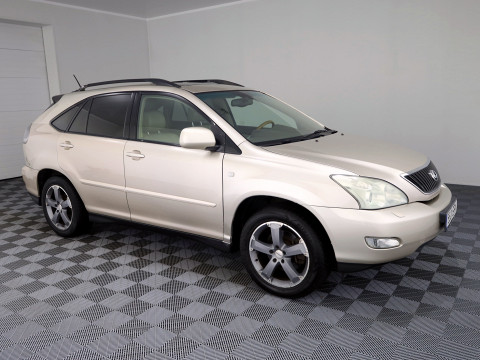
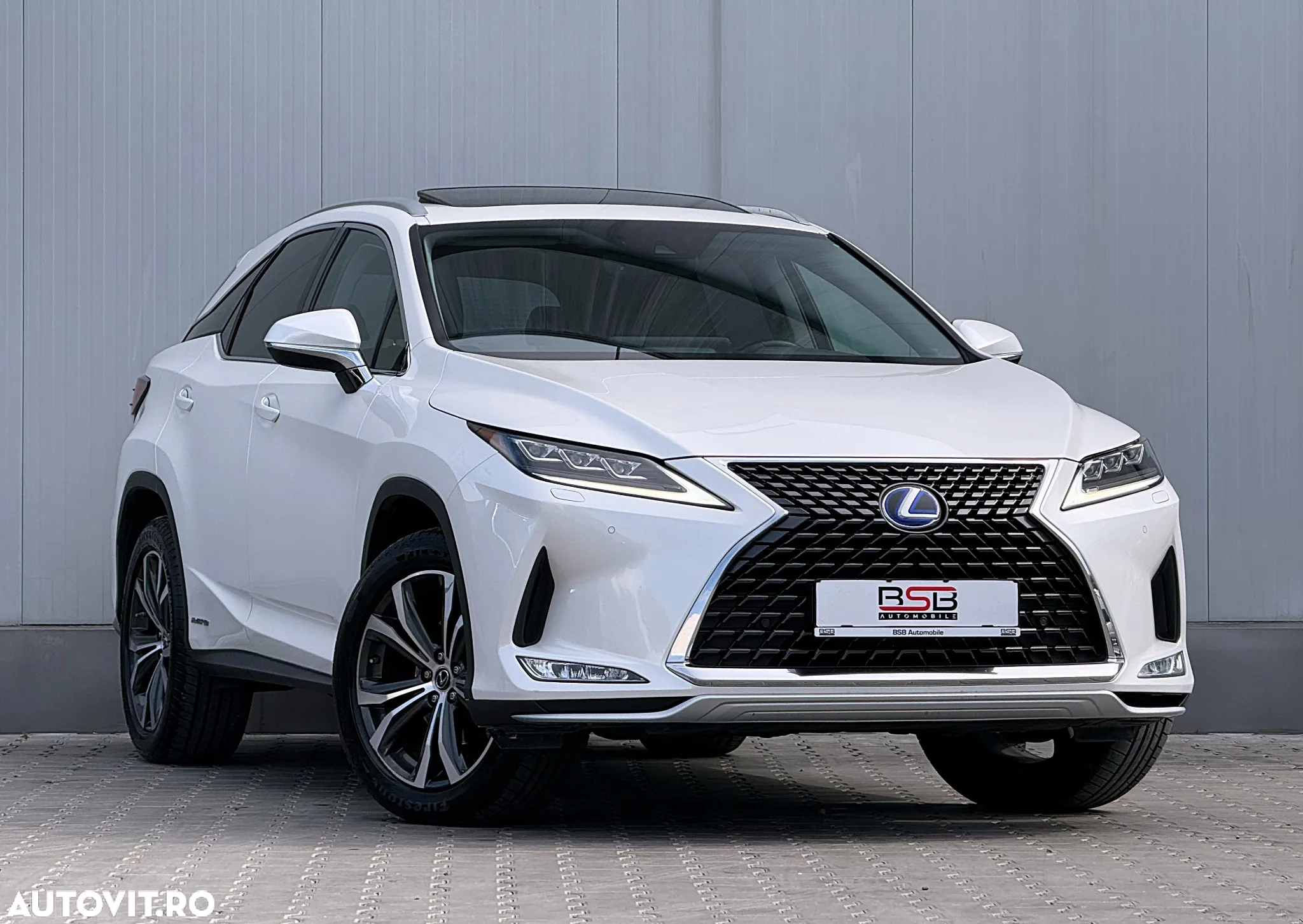
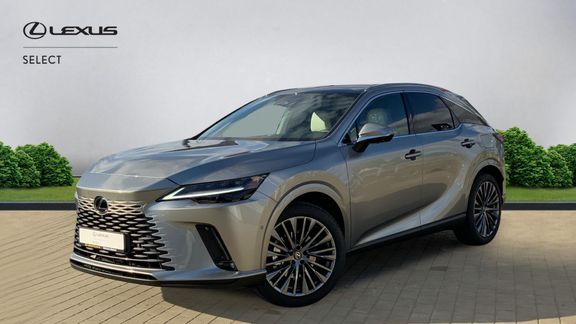
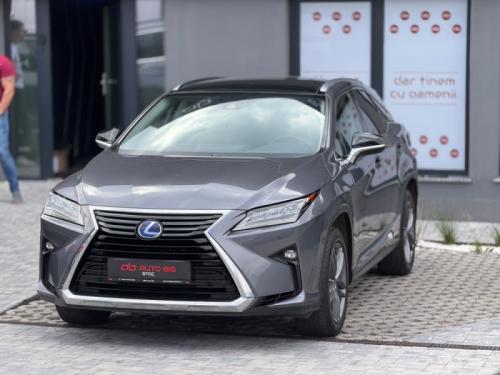
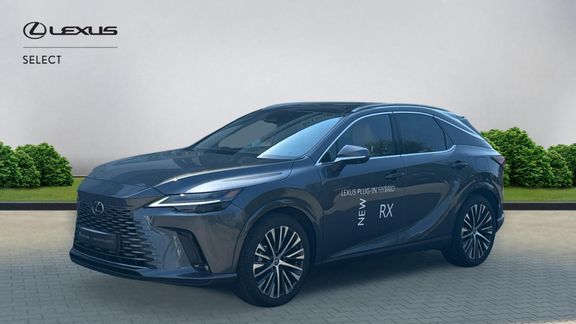
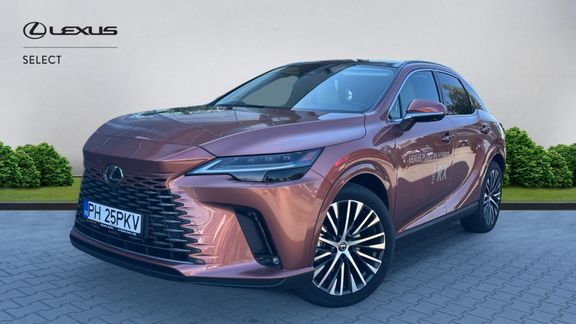
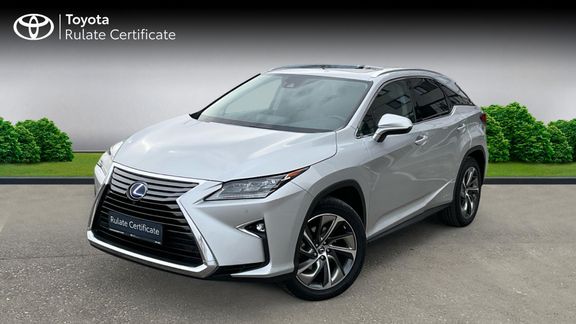
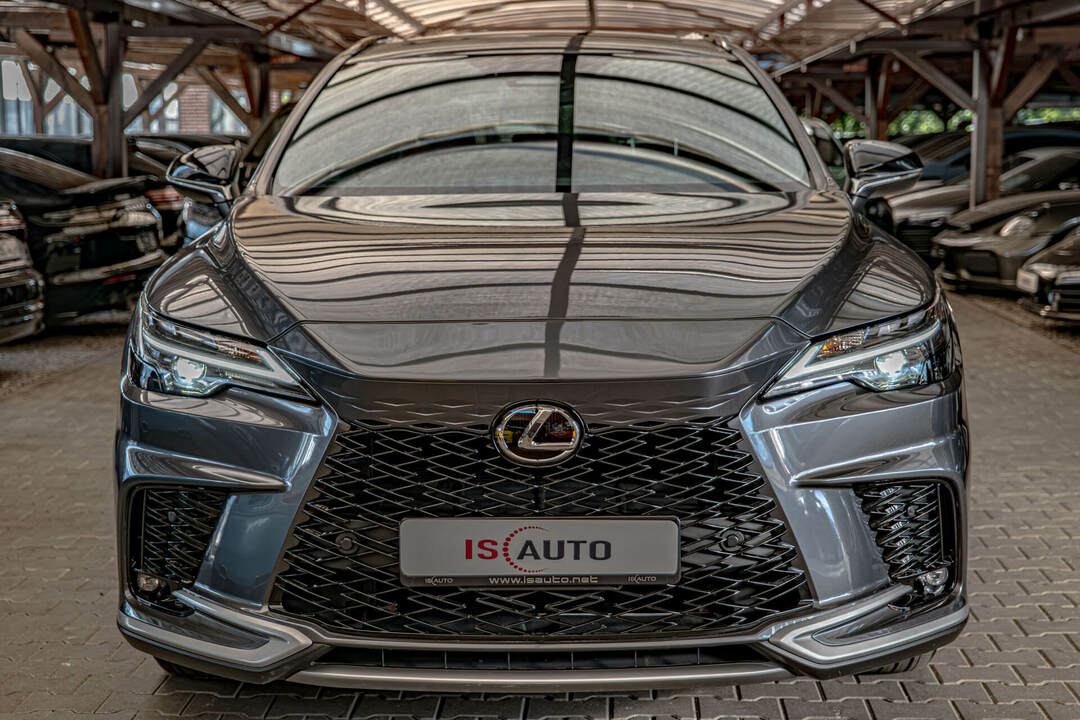
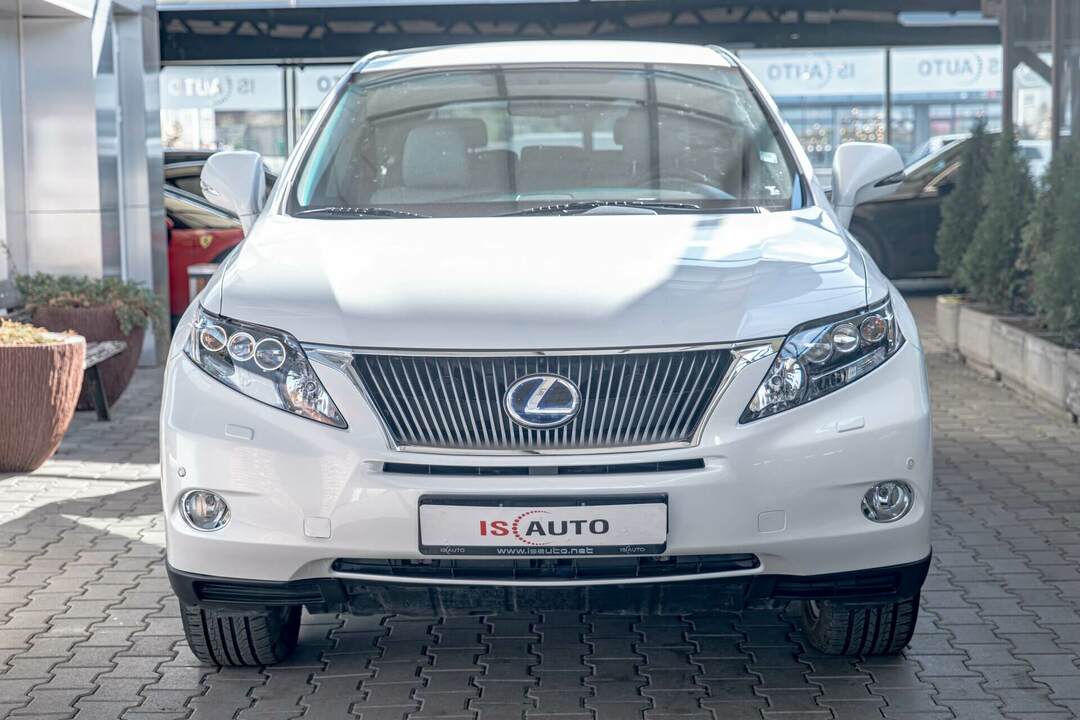
2023, hybrid, automatic, 99K km, SUV, 185 hp, 2.5 450H+ PHEV PRIVILEGE LINE AUTO 4WD, Used condition, In stock, sale date 19.10.2026 03:15

CarOutlet.eu
 Belgium
Auction starts
19 Oct, 03:15






















 Belgium
 Estonia, Harjumaa
 Estonia, Harjumaa
 Šiauliai, Estonia
 PolandMiškiniai, Lithuania
 Romania, BihorRomania, Bihor
 Romania, Cluj
 Scheia, Romania
 RomaniaRomania
 RomaniaŢânţăreni, RomaniaŢânţăreni, RomaniaPipera, Romania
 Bulgaria, VarnaBulgaria, Varna
If you are browsing a Lexus RX page, you are probably not chasing the loudest SUV in the classifieds. You are usually looking for something calmer: a premium family car that should feel easy to live with, present well years later, and still make daily driving feel a bit more relaxed. That is exactly why the weak listings matter so much here. With a Lexus RX, a tidy-looking ad can still hide vague maintenance, unclear import history, or a seller who relies too heavily on the badge. On a page with only a few cars for sale, the smartest move is not to rush the first attractive example, but to read each offer with more discipline.
The Lexus RX tends to attract a buyer who wants comfort and polish first, and drama a long way down the list. That changes how you should compare listings. On many SUVs, buyers forgive a rough ad if the engine, trim, or price is tempting enough. On a Lexus RX, the opposite logic is often better: presentation, ownership story, and maintenance evidence can matter as much as the visible equipment. If the seller cannot explain the car clearly, that weakens the appeal of the whole package.
There is also a less obvious point here. People searching across the EU market for a Lexus RX are often comparing it not only with rival SUVs, but with the idea of keeping the car for a long time. That means you should look beyond the first impression of leather, wheels, and a clean nose in the photos. Ask yourself whether this specific car looks like one that has been used with routine care or simply prepared for sale. That distinction is easy to miss when the model itself already projects a reassuring image.
With only a limited number of used Lexus RX offers available, buyers sometimes become too forgiving. They tell themselves that rarity alone makes an ad acceptable. It does not. A short market supply should make you more selective about the basics: complete photos, consistent mileage story, readable documents, service history, and a seller who answers directly instead of vaguely.
Compare the listings side by side before you contact anyone. Which one shows the interior properly, not just the dashboard from a flattering angle? Which seller mentions maintenance in a way that sounds specific rather than decorative? Which ad looks written by an owner who knows the car, rather than a trader who is hoping the Lexus RX name will carry the conversation? If one listing is thin on detail while another is transparent from the start, the better ad is often the better use of your time even before you see the car.
A useful seller conversation for a Lexus RX should become concrete within two or three minutes. Ask what service records are available, how long the seller has had the car, whether there were recent repairs, and whether any warning lights, faults, or pending maintenance should be discussed before a viewing. If the answer to every question is "everything is fine," keep digging. A genuine owner or informed seller can usually give a more textured answer than that.
You should also ask how the car was used. Family motorway miles, city commuting, occasional long trips, or mostly short-distance use can all shape wear in different ways. Ask whether two keys are present, whether manuals and invoices are included, and whether the car has any known cosmetic issues not obvious in the photos. These are not dramatic questions, but they are often where weak offers start to wobble. A seller who avoids simple factual details may be telling you enough already.
One of the most useful editorial tricks on a Lexus RX page is to look for harmony. Does the condition shown in the photos match the mileage claimed? Does the clean exterior line up with an interior that looks equally cared for? Does the premium positioning of the car come with premium ownership habits such as documented servicing and tidy paperwork?
This model can attract sellers who assume the brand’s reputation does some of the work for them. That is where buyers get lazy. A glossy set of photos, a respectable color, and a familiar luxury badge can make an average listing feel safer than it really is. Treat that as a warning sign, not a comfort. The Lexus RX is often chosen by practical premium buyers, so the best cars usually come with practical evidence: clear details, honest blemishes, and a seller who does not dodge specifics.
Because availability can be thin, you may need to compare imperfect cars rather than wait for an imaginary flawless Lexus RX. The trick is to rank flaws properly. Cosmetic wear that is disclosed honestly can be easier to accept than missing service history. A plain specification can be more sensible than a better-equipped example with a foggy ownership story. Slightly higher mileage may be less important than the overall consistency of care suggested by invoices, tires, cabin wear, and seller confidence.
This is also where the brand-model character matters. Buyers rarely choose a Lexus RX because they want the cheapest route into an SUV. They choose it because the whole ownership idea is supposed to feel settled and well judged. So when you compare cars, favor the one that supports that promise. If a listing already feels tiring before the viewing, the car may feel even more tiring after purchase.
Prioritize the Lexus RX listings that make inspection easier before you even leave home. Look for detailed photos in natural light, a description that explains maintenance rather than decorating it, and a seller who can provide the registration story, service documents, and recent work without prompting three times. If two offers seem similar, the better seller is often the better first appointment.
Before you commit to a trip, ask for a cold-start video if possible, a photo of the service book or recent invoices, and clarification on any dashboard messages or equipment issues. Then go see the car with a simple goal: confirm that the real vehicle matches the story of the ad. That sounds obvious, but on premium used SUVs it saves buyers from the most common mistake of all—falling for the class of the model instead of judging the quality of the actual example in front of them.
The right Lexus RX listing should not need hard selling. It should make sense on paper, sound sensible over the phone, and hold together under basic scrutiny. If it does all three, it is worth your time. If it only looks expensive and reassuring, keep scrolling.
 Add as preferred sourceSee more from zvelta in Google Search Add as preferred source