 EN
ENDEALER

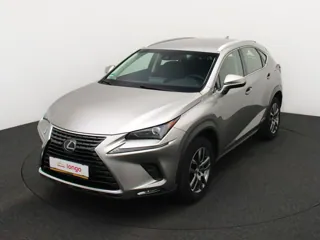
2022, hybrid, manual, 94K km, SUV, 184 hp, 2.0 250h Business, Used condition, Europa, In stock, sale date 19.10.2026 06:45

CarOutlet.eu
 Spain
SpainAuction starts
19 Oct, 06:45






















 SpainSpainBelgiumBelgiumNetherlandsFranceFranceFrance
 Germany
 GermanyGermany
 Estonia, HarjumaaEstonia, Harjumaa
 Estonia, HarjumaaEstonia, HarjumaaEstonia, HarjumaaEstonia, HarjumaaEstonia, HarjumaaEstonia, Harjumaa
 Miškiniai, EstoniaNaujasodis (Kaunas), EstoniaLasnamäe linnaosa, EstoniaŠiauliai, EstoniaTorņakalns, Latvia
 Poland
If you are browsing Lexus listings, the first useful question is not simply “which one is cheapest?” but “which kind of Lexus fits the way I actually drive?” That matters more here than with many brands. Lexus usually attracts buyers who want calm, polished everyday ownership rather than something that feels raw or demanding. So when you compare Lexus cars for sale in Europe, it helps to sort offers by character first: city-friendly and easy to live with, family-oriented and comfortable, or larger and more prestige-focused. Once you do that, weak listings become easier to ignore and the good ones stand out much faster.
A Lexus is rarely chosen by accident. People usually arrive here after looking at familiar premium alternatives and deciding they want a different kind of ownership experience. That does not mean every Lexus listing is automatically strong. It means the brand often appeals to buyers who care about condition, smoothness, long-term use, and a car that still feels special without constantly asking for attention. If that sounds like your mindset, Lexus is worth a closer look.
This is also why ad quality matters so much. A serious Lexus offer should usually feel calm and complete: clear photos, readable equipment details, service history that is at least partly explained, and a seller who sounds like they know the car rather than someone flipping whatever arrived this week. When a Lexus ad is vague about maintenance, hides the interior, or talks only in empty phrases like “full option” and “perfect condition,” slow down. Buyers often expect more from this brand, and the listing should reflect that.
One easy mistake in the used market is comparing every Lexus against every other Lexus. A smarter approach is to compare what job the car will do for you. Are you buying for mostly urban driving, motorway commuting, long family trips, or a quieter premium alternative to German rivals? The answer changes how you read the listings.
A smaller Lexus may be the better buy not because it is cheaper, but because the offer is cleaner, the mileage history makes more sense, and the previous use seems easier to understand. A larger Lexus can look tempting in photos, especially when the cabin and exterior still present well, but it may deserve more questions before you travel to see it. Ask how it was used, how often it was serviced, whether wear items were replaced on schedule, and whether all convenience features work as they should. On a premium-branded car, neglected details often tell you more than polished paint.
There is also a subtle pattern in how people shop this brand in the EU market: many buyers are not chasing drama. They are looking for a car that feels settled. That means a tidy, believable Lexus listing can beat a flashier one very quickly. A seller who shows the seats, steering wheel, boot, screen, service records, both keys, and ordinary imperfections is often easier to trust than one who stages glamour shots and says almost nothing useful. With Lexus, understatement can be a very good sign.
Before calling, spend an extra minute reading the listing like an editor instead of a shopper. Does the mileage match the wear you can actually see? Do the photos show the car in daylight from all sides, or only from flattering angles? Is the equipment described specifically, or padded with generic premium-language? Has the seller explained ownership history, import status if relevant, recent maintenance, or why the car is being sold?
For Lexus offers, interior condition deserves real attention. Buyers often focus on bodywork first, but the cabin tells a more honest story about how the car was treated. Look closely at the driver’s seat, steering wheel, switchgear, centre console, boot trim, and door cards. If a supposedly well-kept car shows oddly heavy wear there, ask why. It does not automatically mean you should walk away, but it does mean the ad needs to make more sense before the car makes your shortlist.
Also compare how much useful information the seller gives without being pushed. A strong Lexus listing may mention servicing, recent invoices, tyre condition, brake work, ownership duration, or any cosmetic flaws worth knowing before a viewing. A weak one often hides behind short phrases and expects the brand name to do all the work. In this part of the market, that is rarely enough.
When you call about a Lexus, ask questions that force specifics. When was it last serviced, and what was done? Are there invoices or stamped records? How long has the current owner had it? Are there warning lights, intermittent faults, or features that no longer work properly? Has it had paintwork, accident repair, or trim replacement? If the car is advertised as especially clean, ask what makes the seller say that beyond appearance.
Then listen to the tone as much as the answers. Good sellers usually reply directly and in the same level of detail as the ad. Weak sellers tend to become foggy the moment the conversation moves past mileage and price. That difference matters. On a Lexus, where buyers often expect a well-kept example, seller confidence should come from real knowledge, not polished wording.
A less obvious tip: compare the honesty of the imperfections. The better Lexus ads often admit small flaws because the seller knows the overall car still makes sense. That can be a stronger signal than an ad claiming there is absolutely nothing to mention. In real used-car shopping, selective honesty is often more reassuring than perfection.
A viewing-worthy Lexus usually gives you a coherent story. The age, mileage, photos, condition, and seller answers line up. The car’s role also makes sense for your life. Maybe you want quiet long-distance comfort, a premium daily driver that does not feel showy, or a used family car with a more distinctive feel than the default alternatives. Lexus works best when you buy into that character rather than just chasing the badge.
If you are comparing new and used listings, or moving between several premium brands, keep your standard simple: choose the Lexus offer that feels easiest to believe. Not the one with the boldest claim, the brightest photos, or the most dramatic discount language. The one that seems properly owned, properly described, and worth an inspection before anyone tries to sell you a story. That is usually where the best Lexus choices begin.
 Add as preferred sourceSee more from zvelta in Google Search Add as preferred source


![Lexus UX 250H 2WD Luxe Plus VP [5P] Bva 0-184CH-8cv (SUV)](https://cdn-media.caroutlet.eu/car/4381/40/thumb_438039831_car_small.jpg "Lexus UX 250H 2WD Luxe Plus VP [5P] Bva 0-184CH-8cv (SUV)")