 EN
ENDEALER

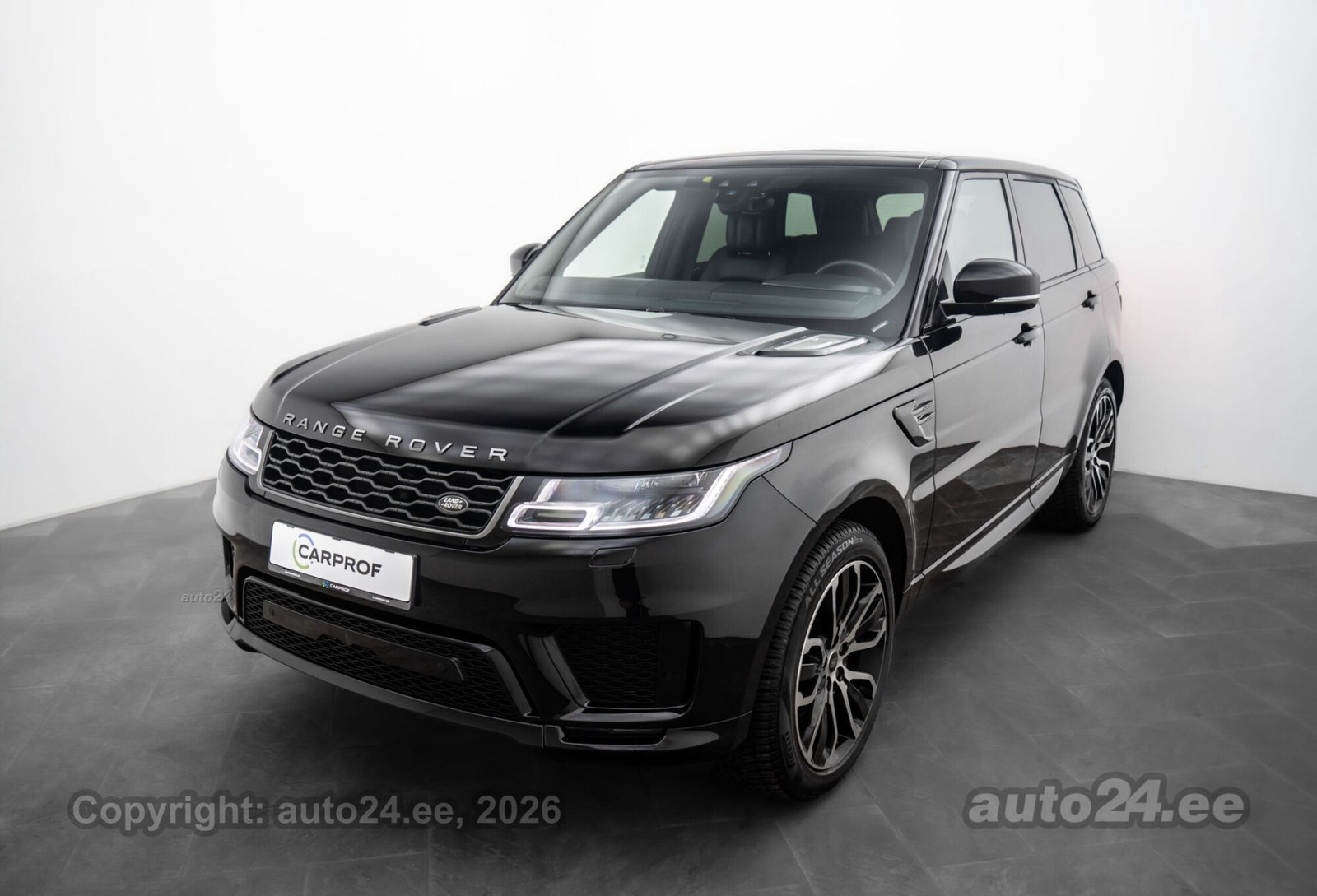
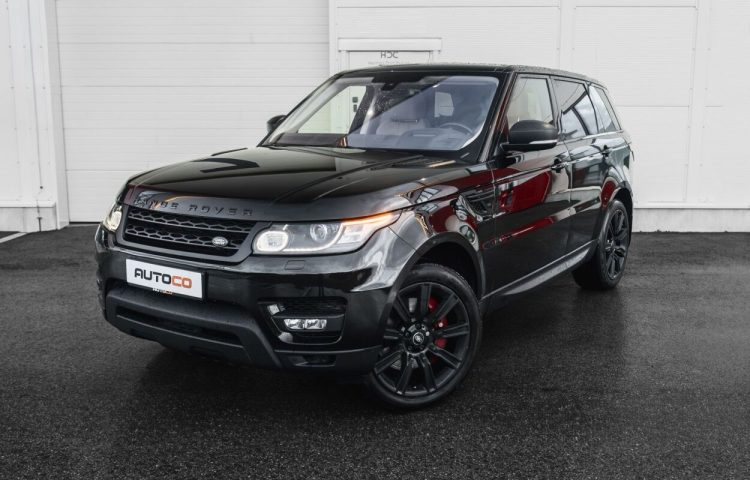
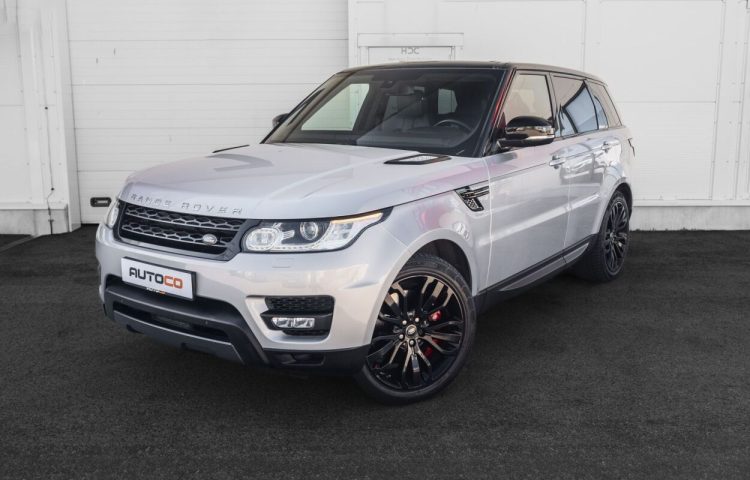
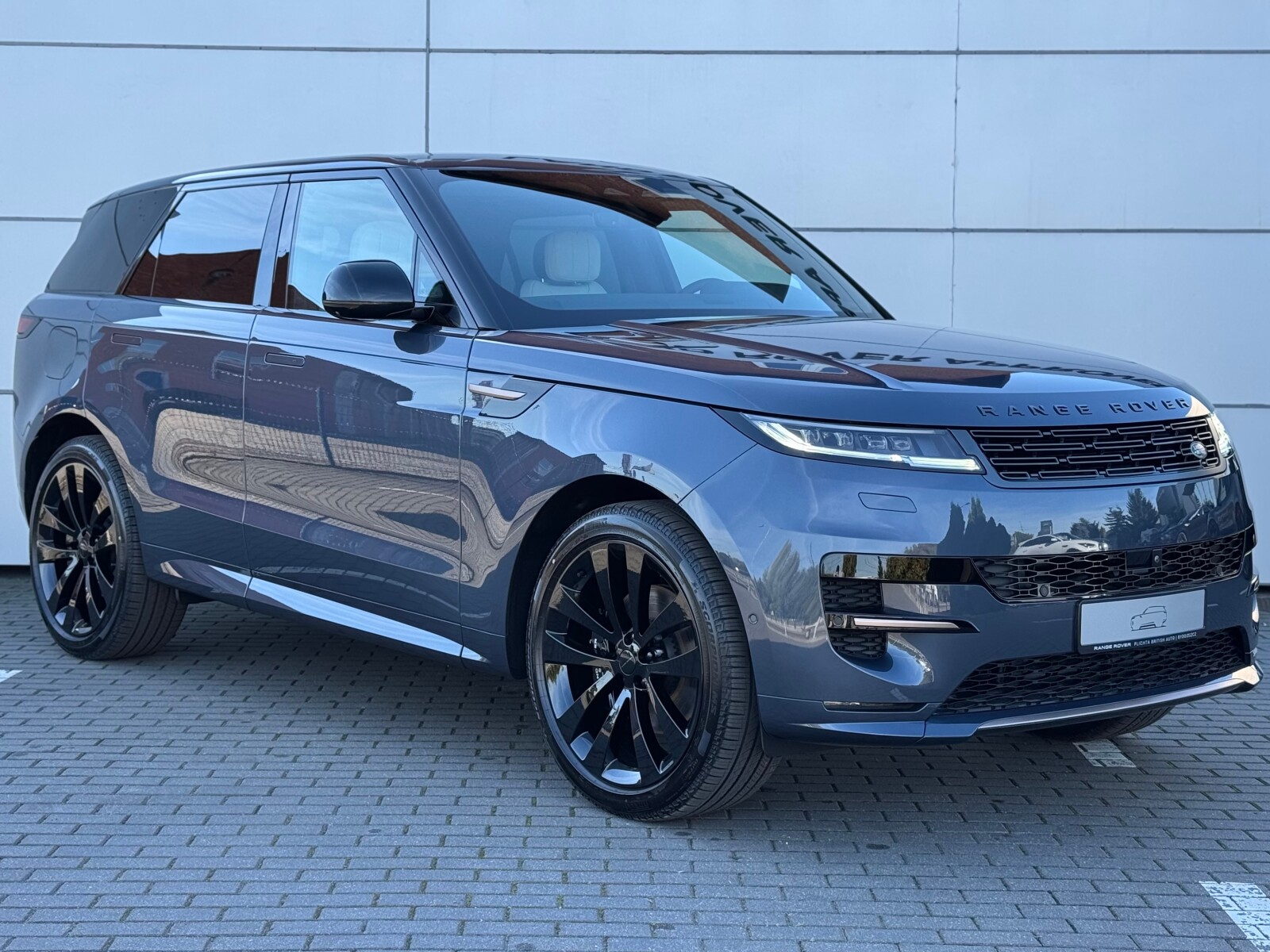
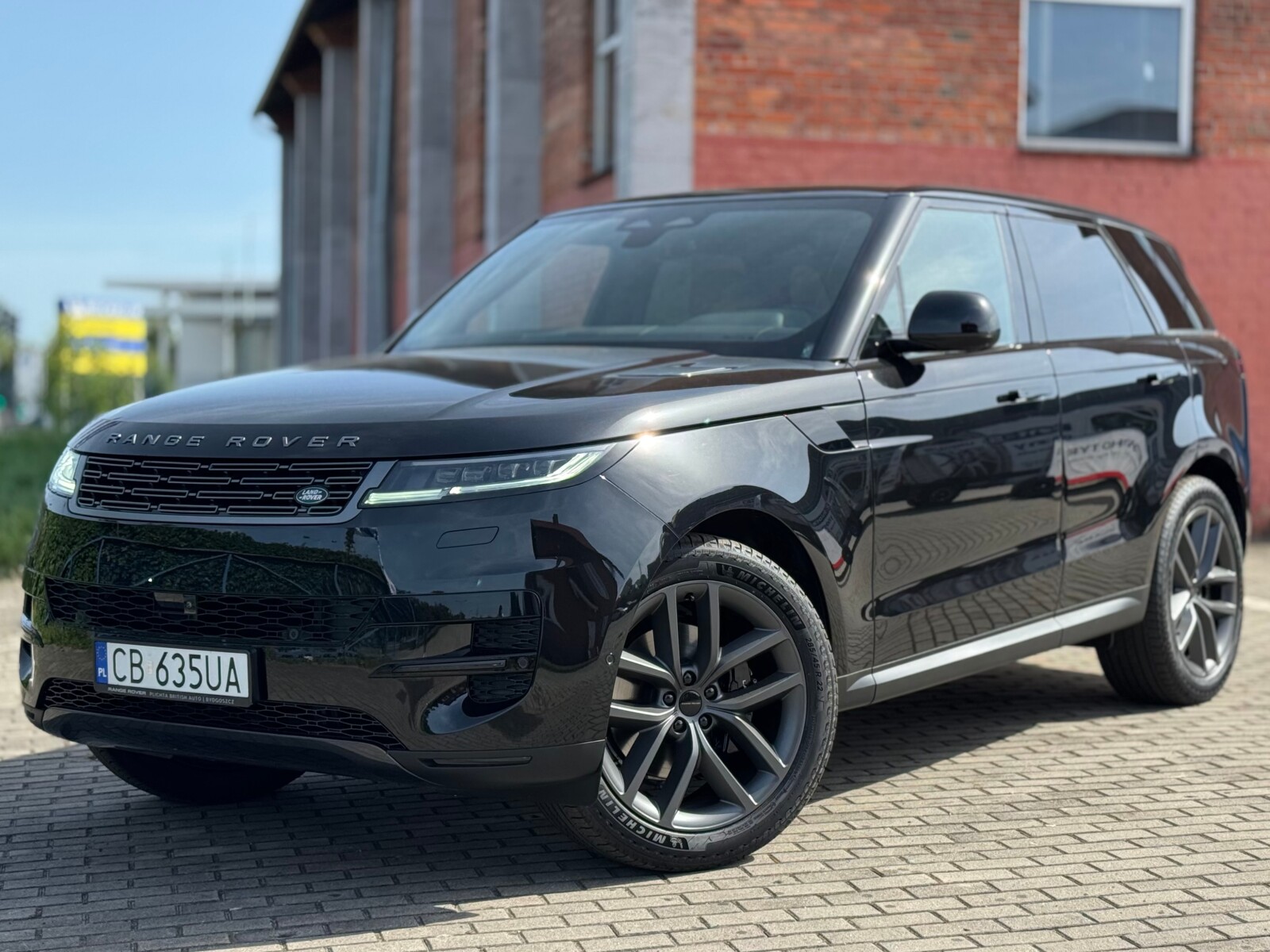
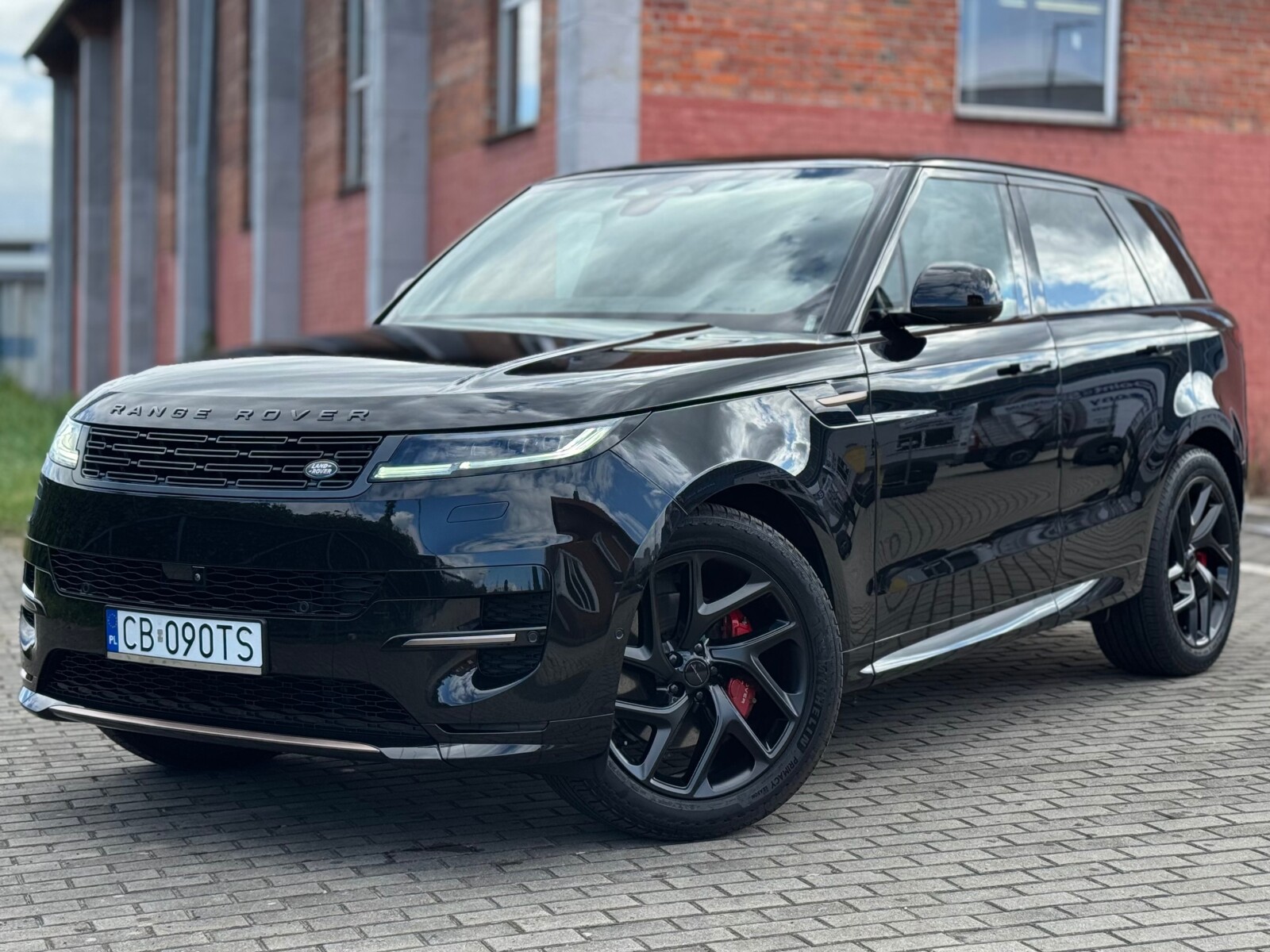
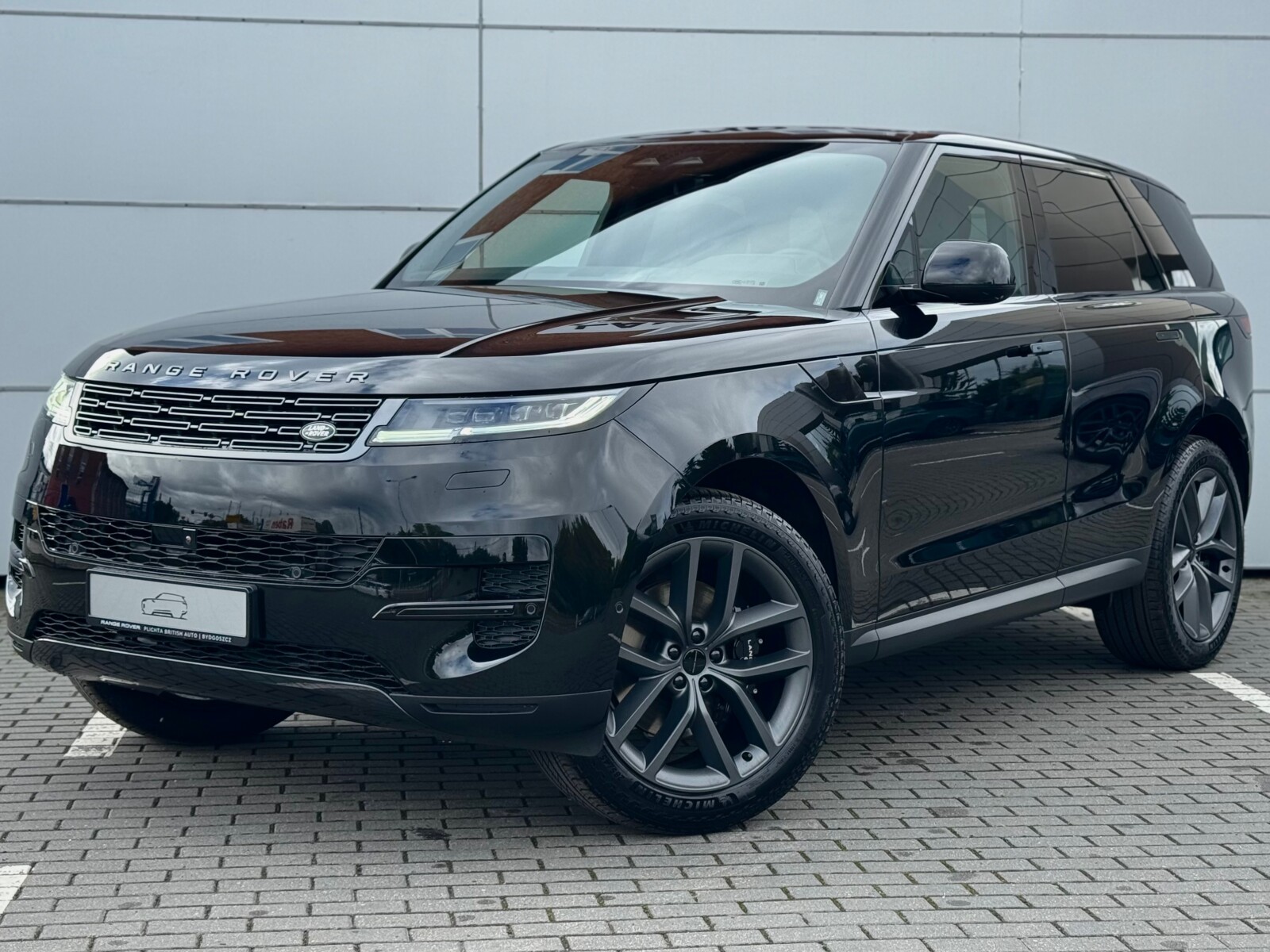
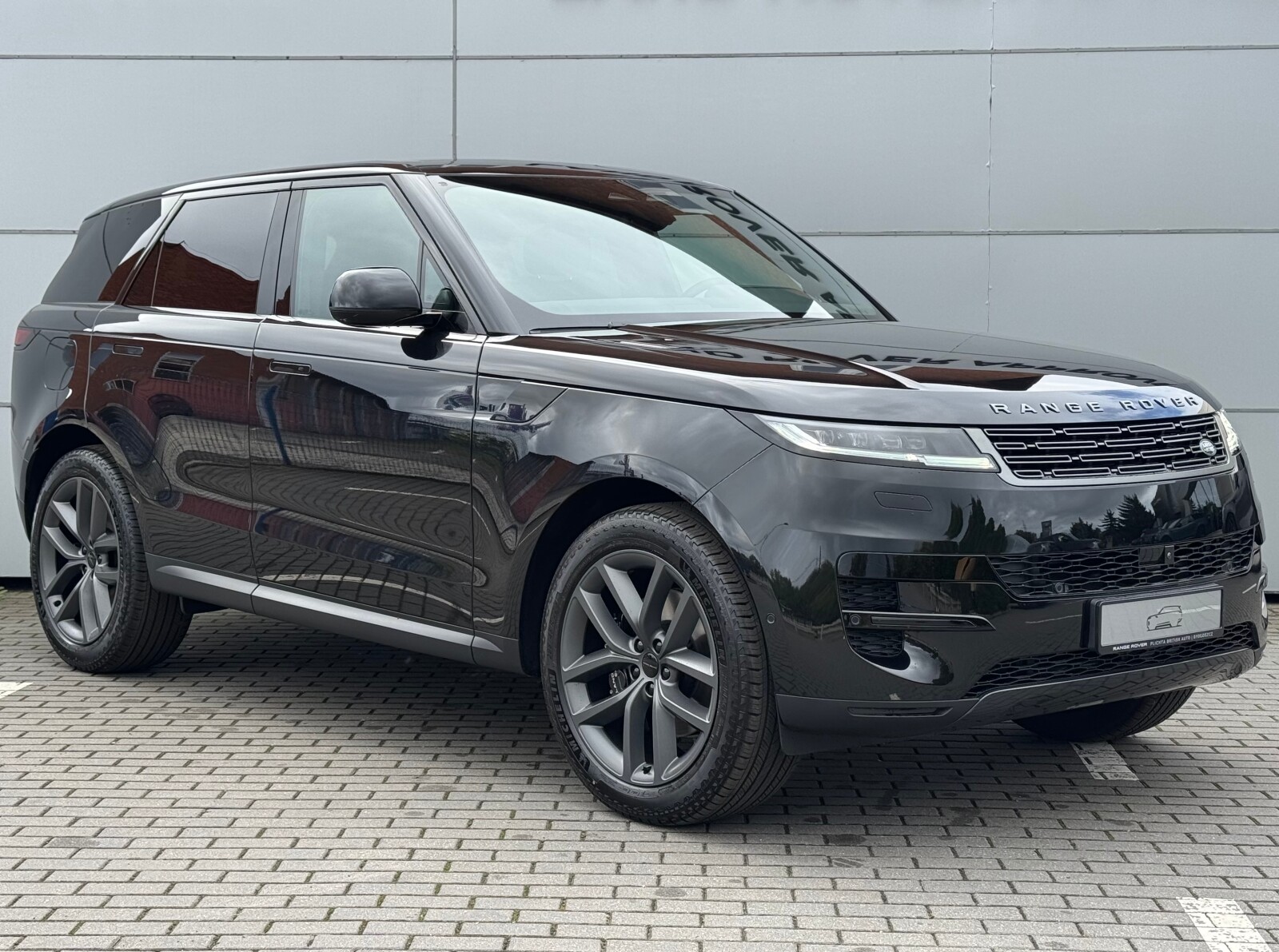
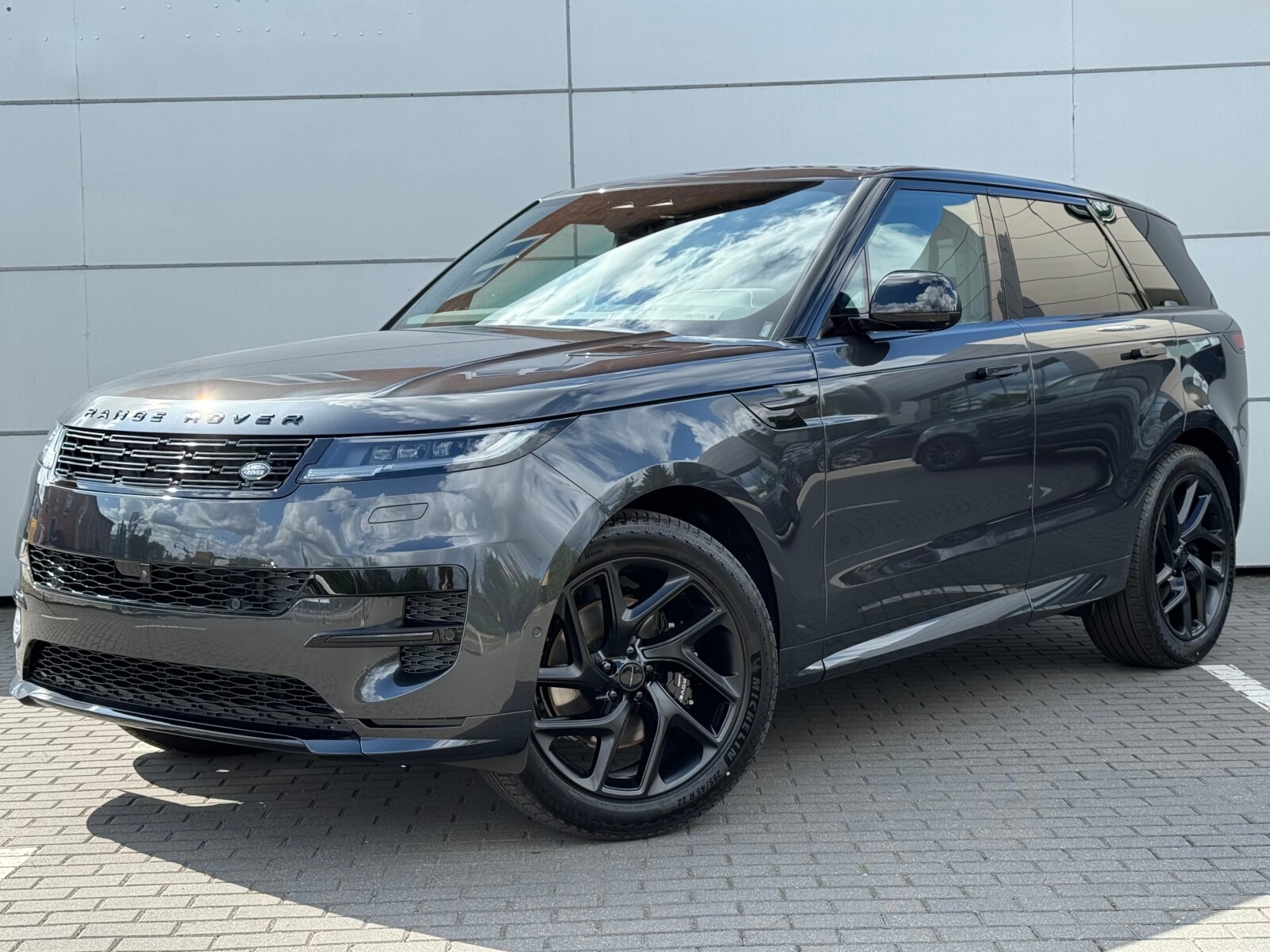
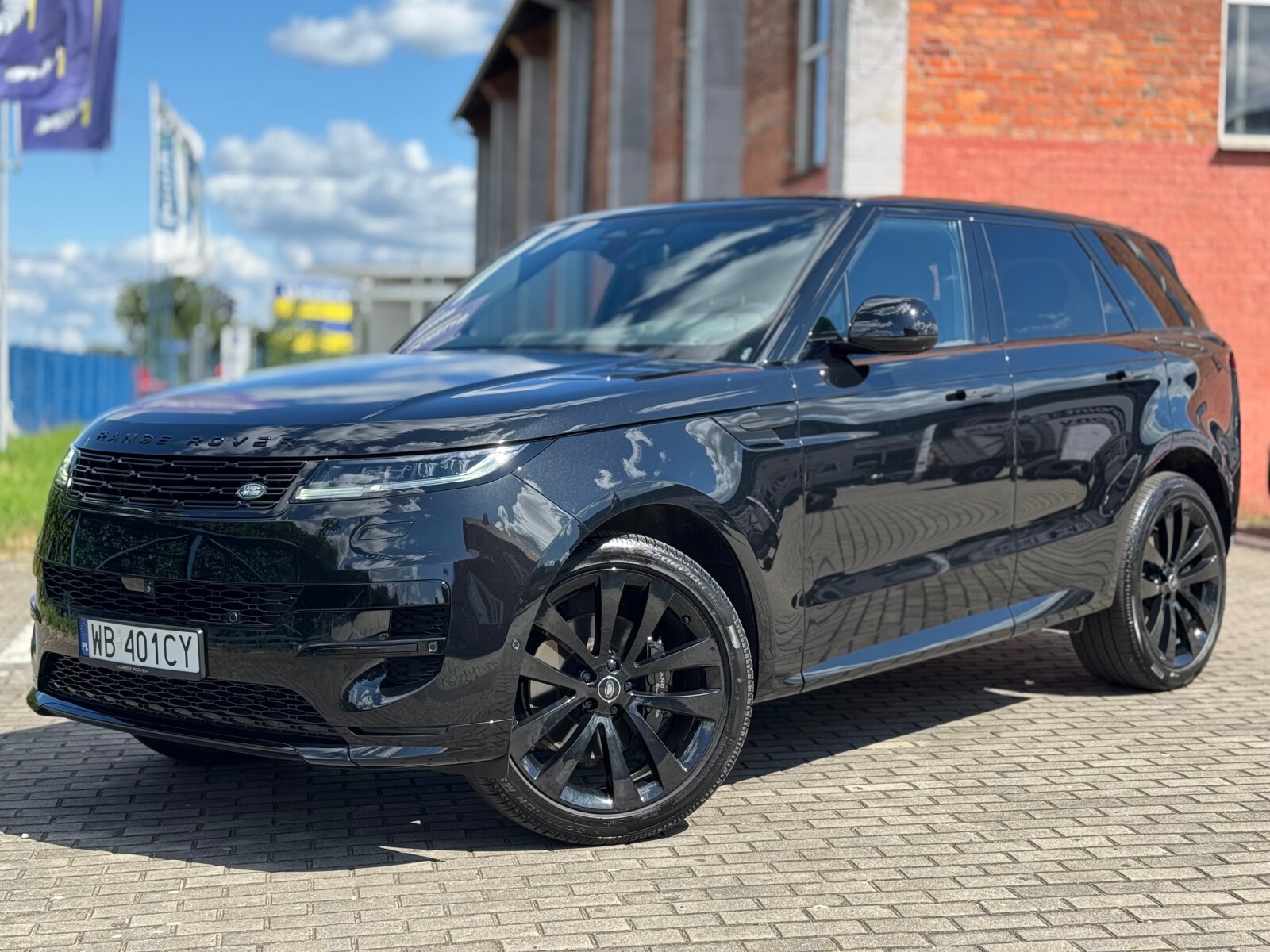
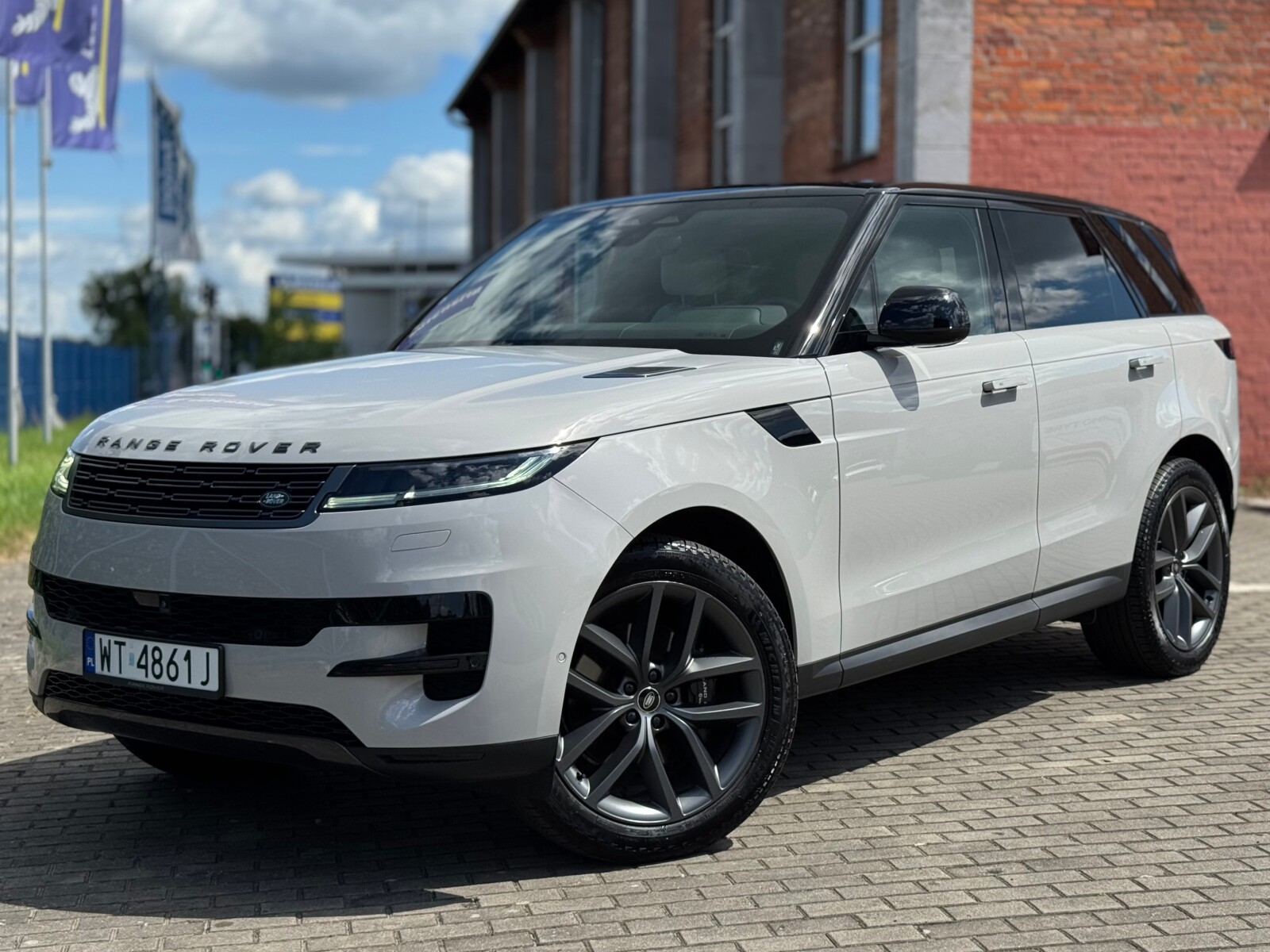
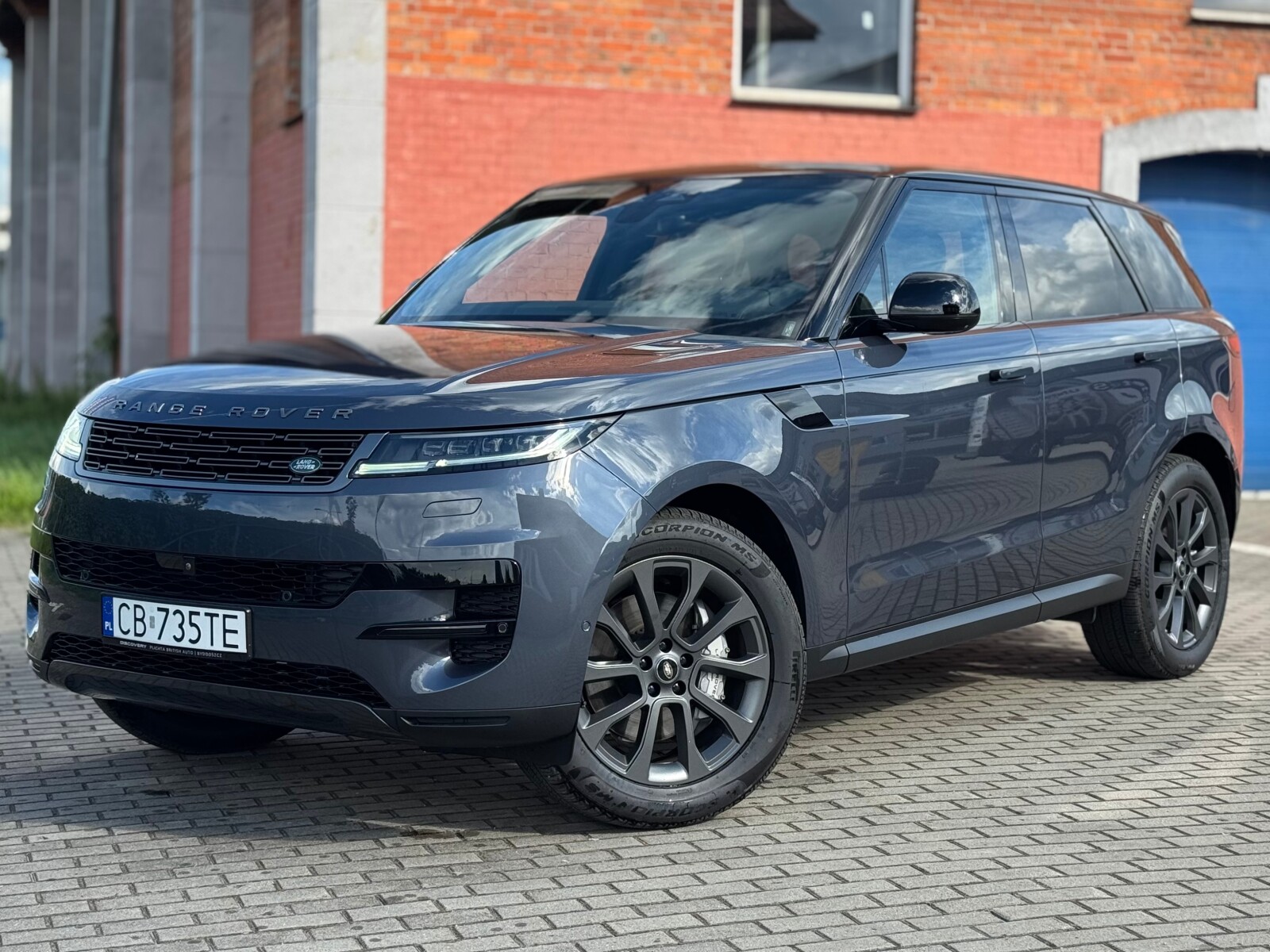
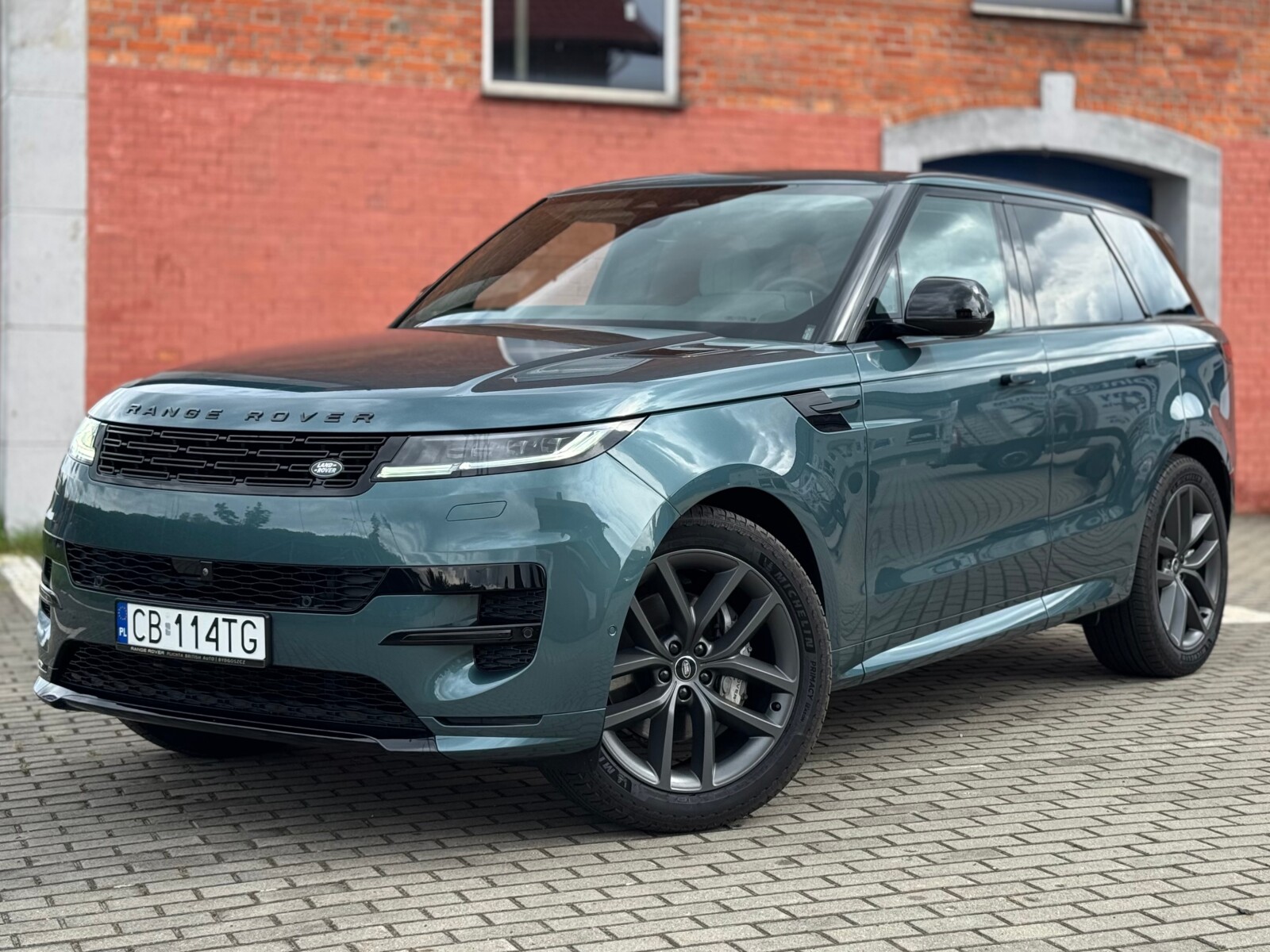
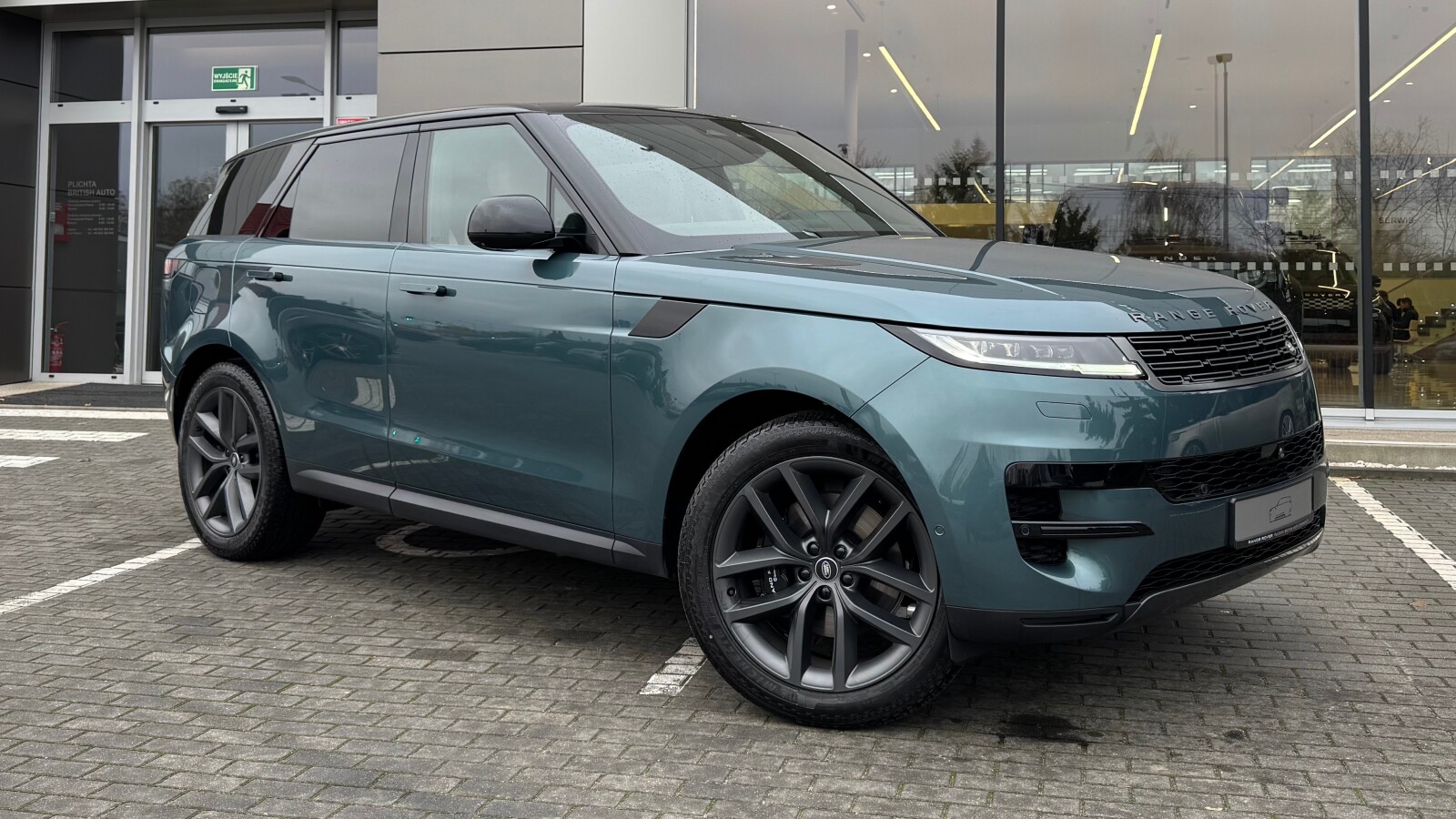
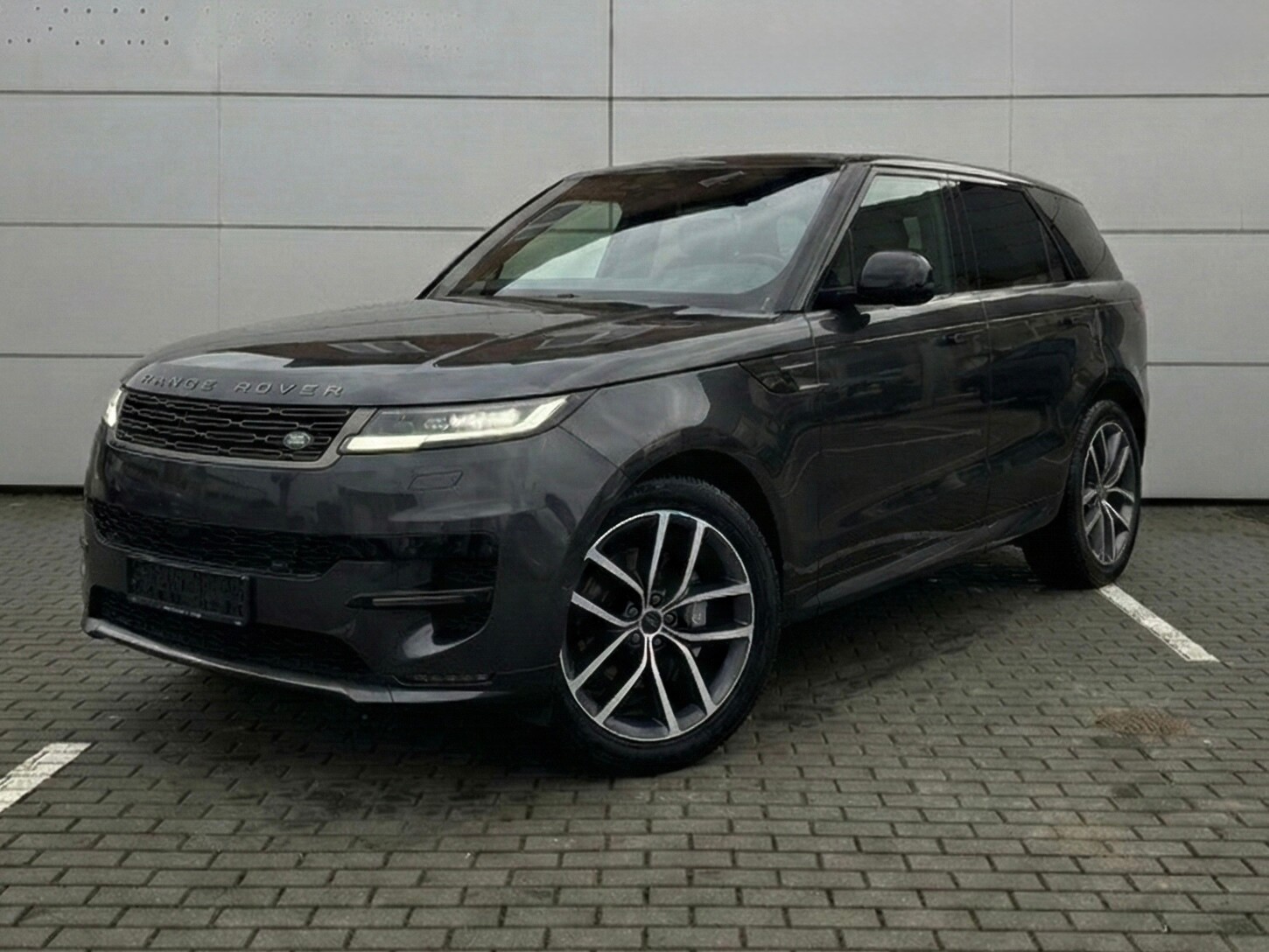
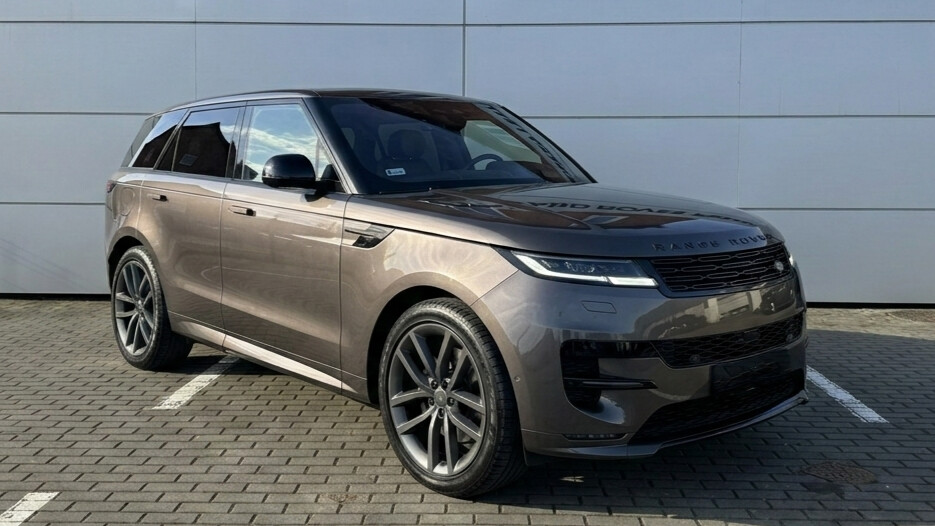
2021, hybrid, manual, 185K km, SUV, 249 hp, (O) 3.0D I6 183kW MHEV S AWD Auto., Used condition, Europa, In stock, sale date 19.10.2026 06:45

CarOutlet.eu
 Spain
SpainAuction starts
19 Oct, 06:45






















 SpainSpainGermany
 Estonia, HarjumaaEstonia, HarjumaaEstonia, Harjumaa
 Bartodzieje Małe, PolandBartodzieje Małe, PolandBartodzieje Małe, PolandBartodzieje Małe, PolandBartodzieje Małe, PolandBartodzieje Małe, PolandBartodzieje Małe, PolandBartodzieje Małe, PolandBartodzieje Małe, PolandBartodzieje Małe, PolandBartodzieje Małe, PolandBartodzieje Małe, PolandBartodzieje Małe, PolandBartodzieje Małe, PolandBartodzieje Małe, PolandBartodzieje Małe, PolandBartodzieje Małe, PolandBartodzieje Małe, PolandBartodzieje Małe, Poland
A good Land Rover Range Rover Sport listing should make you want to ask better questions, not more questions. On this page, the smart move is to separate attractive photos from genuinely convincing offers as early as possible. When you compare used Land Rover Range Rover Sport cars for sale across the EU market, the differences often appear in the small details: how clearly the seller explains ownership, whether service history is shown rather than vaguely mentioned, and whether the condition described actually matches the images.
Many buyers begin with the badge and the stance, then end up looking at wildly different examples of the Land Rover Range Rover Sport without a clear plan. That is how weak offers stay in the shortlist for too long. Before you contact anyone, compare listings by use case: is this meant to be a daily family SUV, a prestige motorway car, or a second vehicle bought more for style and comfort than routine practicality? Once you know that, the listings become easier to read.
A sensible comparison is not only mileage versus year. Look at the whole ownership picture. Check whether the seller shows enough of the cabin, load area, wheels, lower bodywork, and dashboard. Compare equipment carefully, but do not let a long options list distract you from condition. A cleaner, better documented Land Rover Range Rover Sport can be the stronger buy than a more impressive-looking one with patchy photos and thin history notes.
This is one of those models where seller behavior tells you a lot. A serious Land Rover Range Rover Sport seller usually understands that buyers will be cautious, so the listing often reflects that. Look for photos taken in consistent light, not ten glamorous angles and nothing close up. Useful listings tend to show seat wear, wheels, the infotainment screen switched on, the engine bay, and document snippets where appropriate. That kind of transparency is more persuasive than dramatic language.
Wording matters too. Be careful with ads that lean heavily on status and very lightly on maintenance. If the description spends more time telling you how admired the car is than what has been serviced, that is a signal. Better listings usually mention the last maintenance visit, what comes with the car, how many keys are present, whether there is a service record, and if any faults need attention. Even the response style matters: a seller who answers directly, sends the extra photo you asked for, and does not become vague when you ask about history is often worth your time. A seller who keeps replying with “everything perfect” usually is not.
There is also a less obvious clue buyers often miss in the EU market: some listings look international before they look personal. If the same Land Rover Range Rover Sport is presented with generic phrasing, minimal ownership context, and almost showroom-like photos but no real story, slow down. That does not automatically make it a bad offer, but it means you should verify more. Ask who used the car, where it was serviced, whether registration documents match the seller identity, and whether the car can be inspected cold rather than pre-warmed before your arrival.
When you narrow down a few Land Rover Range Rover Sport listings, build your own quick scorecard. Not a complicated spreadsheet, just enough to stop yourself falling for the most photogenic ad. Compare visible condition, consistency of mileage with interior wear, service documentation, tire brand and condition, warning lights in dashboard photos, and whether the seller shows both strengths and imperfections. Honest sellers know that used cars are not museum pieces.
If the listing is thin, your questions should be precise. Ask when the last service was done and what was included. Ask whether any suspension, drivetrain, cooling, or electronic issues have appeared during ownership. Ask if there are invoices, not just a stamped book. Ask whether the car has been repainted and which panels have cosmetic marks. Ask for a cold-start video if you are comparing several distant EU offers and want to avoid unnecessary travel. The point is not to interrogate the seller; it is to see whether the answers come back naturally and consistently.
The Land Rover Range Rover Sport sits in that dangerous part of the market where image can hide lazy selling. Buyers expect presence, luxury, and a certain road impression, so some sellers rely on exactly that. You will see listings where the car is photographed well enough to trigger desire, but not well enough to support a decision. The trick is to notice what is missing. No close shots of common wear areas? No mention of recent maintenance? No explanation for gaps in history? Those are not minor omissions when you are shopping this kind of vehicle.
A stronger listing usually feels calmer. It does not try to rush you with hype. It gives you enough material to imagine ownership, not just arrival. That difference matters because the cost of a mistake on a Land Rover Range Rover Sport is rarely visible in the first five seconds of scrolling.
Go see the car when the listing, the documents, and the seller’s manner all point in the same direction. The best Land Rover Range Rover Sport offers are not always the cheapest, the newest-looking, or the most elaborately written. They are the ones where condition, history, and communication line up. If an ad survives your basic comparisons, the seller answers clearly, and the car appears honestly presented, it is worth arranging a viewing and an independent inspection.
If not, move on quickly. There are enough Land Rover Range Rover Sport used listings in the European market that you do not need to rationalize a weak one. A disciplined shortlist beats an emotional one every time.
 Add as preferred sourceSee more from zvelta in Google Search Add as preferred source