 EN
ENDEALER

22.145 US$DEALER
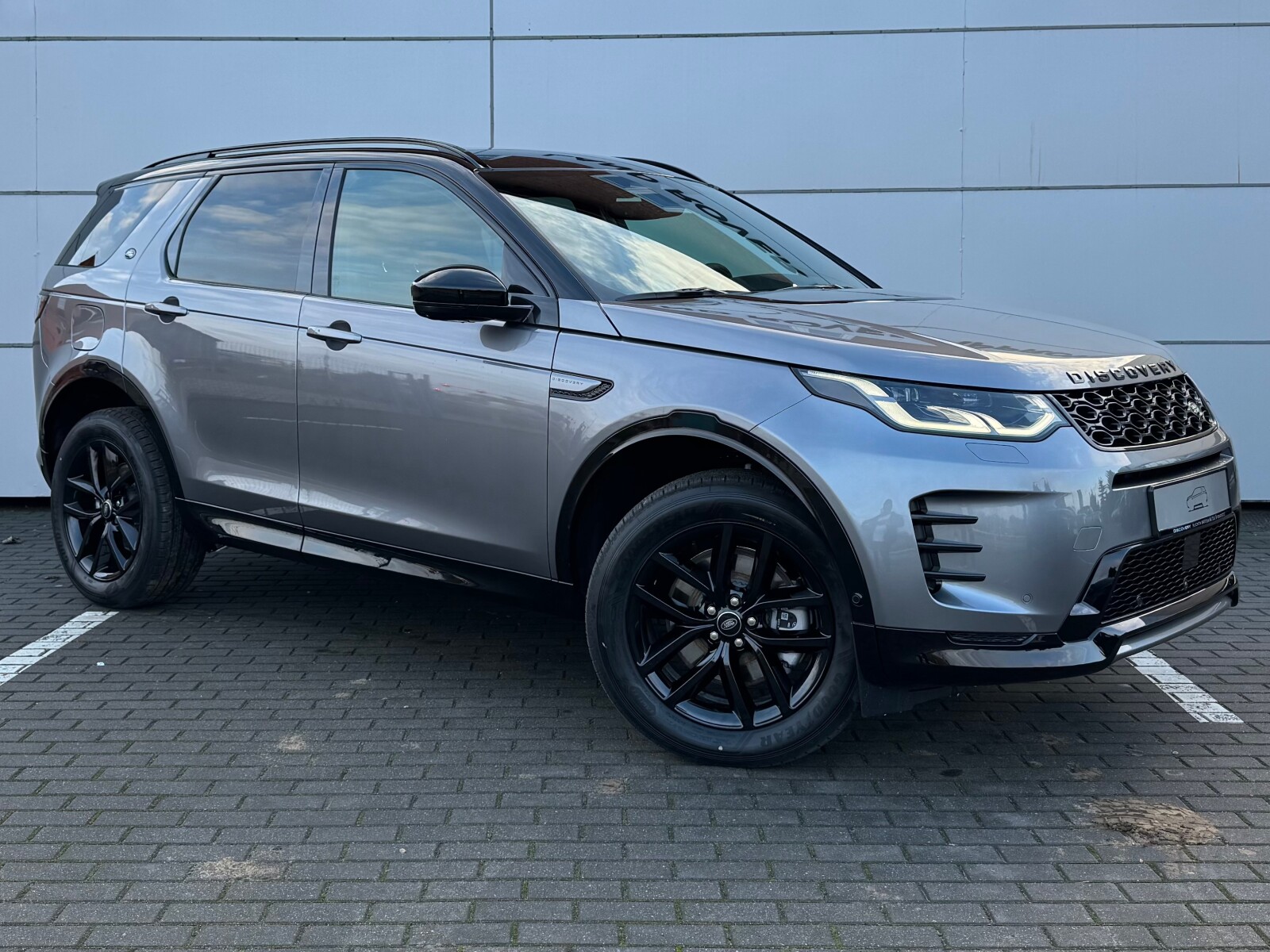
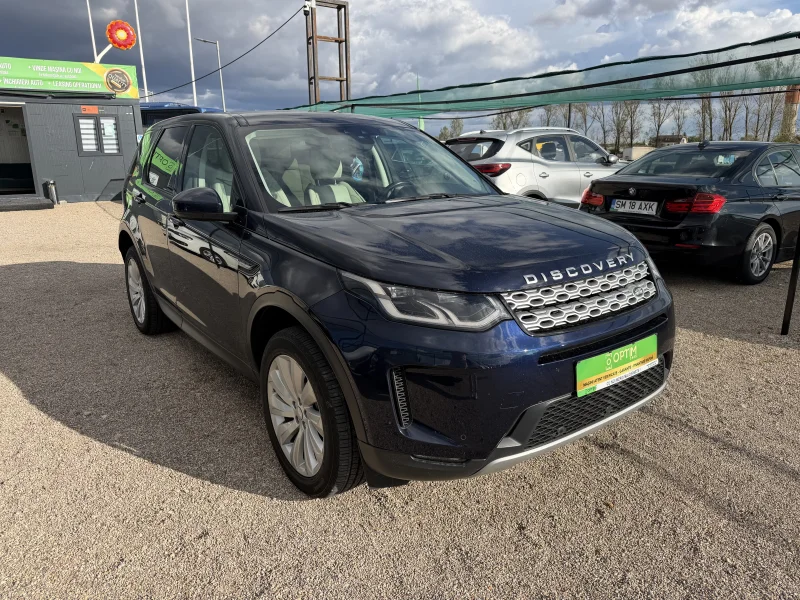
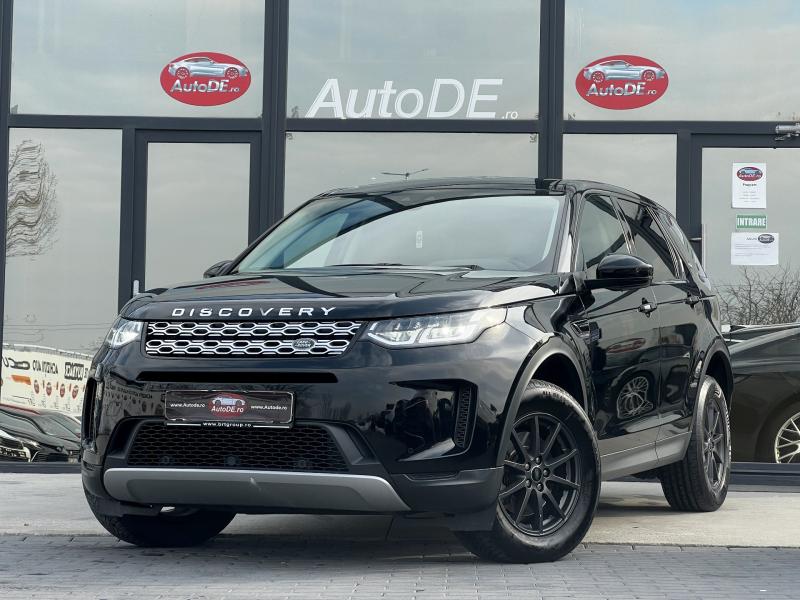
2017, diesel, automatic, 113K km, All Wheels Drive, 150 hp

notadir.benni.is
 Iceland





















 IcelandReykjavík, Iceland
 Estonia, HarjumaaEstonia, Harjumaa
 Bartodzieje Małe, PolandBartodzieje Małe, Poland
 Casalecchio di Reno, ItalyItaly
 Romania, Bihor
 Municipiul Satu Mare, Romania
 Romania, SuceavaRomania, Sibiu
 RomaniaRomaniaRomaniaRomaniaRomaniaRomaniaRomaniaRomaniaRomaniaRomaniaRomania
 Romania, BucureștiRomania
A good Land Rover Discovery Sport listing should already tell you what daily life with the car has been like. That matters more than polished photos. When you compare used Land Rover Discovery Sport offers, look for clues that the seller understands the car as something lived with, not just cleaned up for resale: clear service records, honest notes about recent work, a believable mileage story, and interior photos that show how the vehicle has actually aged. If a listing says very little beyond trim and color, treat that as a prompt to slow down rather than a reason to rush.
The Land Rover Discovery Sport often attracts buyers who want one car to do many jobs: weekday commuting, family space, bad-weather confidence, and enough practicality for longer trips. Because of that, the strongest listings usually read like a consistent ownership narrative. You want to see whether the service history matches the mileage, whether wear on the seats and steering wheel looks believable, and whether maintenance items are described with dates or invoices rather than vague phrases like “always serviced.”
A useful seller will often mention what has been done recently and what still may need attention soon. That kind of honesty makes an offer feel stronger, not weaker. With the Land Rover Discovery Sport, a seller who openly explains tire condition, brake wear, warning lights, battery age, or gearbox servicing is usually easier to trust than one who keeps every answer short and polished. If the ad is missing these basics, ask directly: What maintenance has been done in the last 12 months, what is still pending, and are there invoices to support it?
Shoppers often sort Land Rover Discovery Sport cars for sale by year, mileage, and price, which is sensible, but not enough. Two similar-looking listings can represent very different ownership outcomes. One may have been maintained on time and driven mostly on longer trips; another may have spent years doing short urban runs with little preventive care. On paper they can look close. In reality they can feel completely different on the first inspection.
When comparing offers across the EU market, pay attention to the pattern behind the listing. Does the seller show cold-start information, under-bonnet photos, tire brand consistency, and multiple interior angles? Does the equipment list match the photos? Are there signs the car was prepared thoughtfully, or just washed quickly and parked in good light? A slightly more expensive Land Rover Discovery Sport with a coherent history can be the cheaper car to own.
There is also a small but useful search trick here: weak listings often hide behind attractive monthly-payment language or oversized photo galleries, while strong private or specialist offers tend to answer practical questions before you even ask them. If you find yourself admiring the photography but still unsure how the car was maintained, the ad may be doing its job for the seller, not for you.
This is where the model earns its place on a shortlist. The appeal of a Land Rover Discovery Sport is rarely about one dramatic feature; it is about how the car may fit into ordinary life. Buyers are often imagining school runs, weekends away, mixed road conditions, luggage, family use, and the comfort of sitting in something that feels substantial without stepping up to a much larger SUV. That is exactly why condition matters so much. A tired example can make everyday ownership feel expensive and irritating, while a well-kept one can feel like a genuinely versatile companion.
So ask questions that reveal the lived experience. Why is the owner selling now? How was the car mainly used? Was it driven mostly in town, on motorway trips, or for family travel? These answers will not prove everything, but they help you judge whether the offer sounds natural. A believable seller usually gives specific, unforced replies. A weak seller often falls back on broad claims and avoids detail.
Before arranging a viewing, ask for the VIN, service documentation, and confirmation of how many keys are included. Request photos of the instrument cluster with the engine running, close-ups of wheel condition, and any areas with visible scratches or trim wear. On a Land Rover Discovery Sport, it is smart to ask whether any dashboard messages appear at startup, whether all major convenience features work as expected, and whether there is documentation for routine maintenance rather than just inspection stamps.
If the car has notably low mileage for its age, ask how it was stored and used. If mileage is higher, that is not automatically bad; in some cases a well-documented higher-mileage Land Rover Discovery Sport can be a safer bet than a low-mileage one with gaps in its history. You are not buying a number alone. You are buying the quality of care behind that number.
A convincing inspection is about alignment between the ad, the conversation, and the car in front of you. Check panel fit, glass markings, tire wear, seat condition, and whether buttons, screens, cameras, climate functions, and driver-assistance features behave normally. Look underneath for signs of neglect or fresh cleaning that may be trying too hard to impress. During the test drive, pay attention not only to obvious noises but also to how smoothly the engine, gearbox, steering, and brakes behave in normal traffic.
One of the less obvious signals with a Land Rover Discovery Sport is how the seller handles your careful questions. A serious owner or good specialist usually does not mind you taking notes, asking for documents, or requesting an independent inspection. Resistance to basic verification is often more revealing than a minor cosmetic flaw.
Walk away from any Land Rover Discovery Sport offer that combines a thin description, missing document answers, inconsistent mileage story, and pressure to commit quickly. One of those issues alone may be manageable; several together usually mean the listing is not strong enough. The used market always rewards patience.
If you are comparing alternatives, keep your thinking simple: do not ask only which SUV looks best on paper. Ask which specific listing gives you the most confidence that everyday ownership will be predictable. That is the real test on this page. The right Land Rover Discovery Sport is not just the one with the right spec or the lowest advertised price. It is the one whose history, condition, and seller behavior make the whole story add up before you even turn the key.
 Add as preferred sourceSee more from zvelta in Google Search Add as preferred source