EN
ENDEALER

36.141 US$DEALER
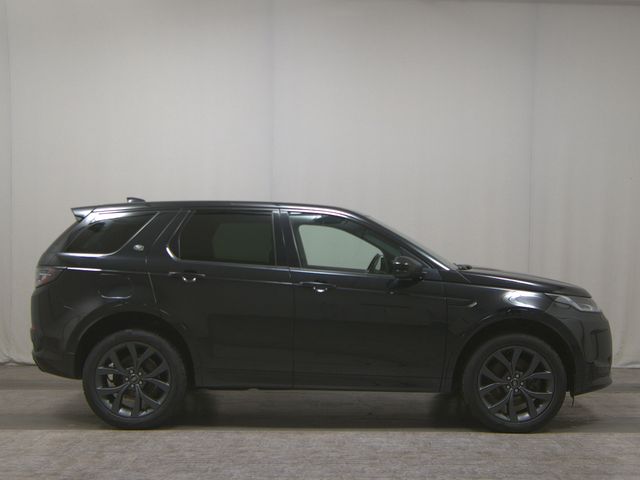
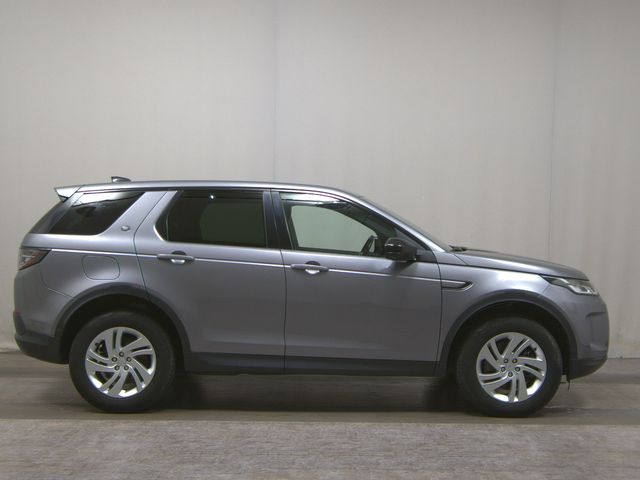
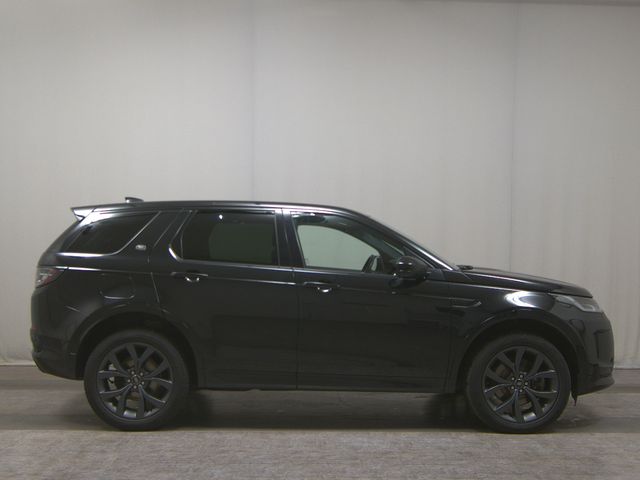
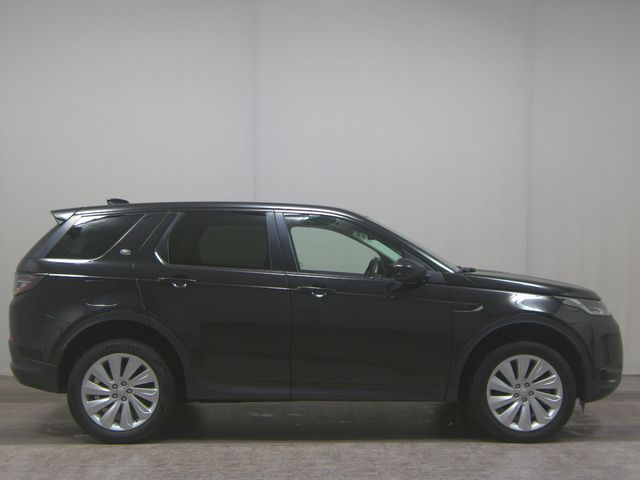
2017, diesel, automatic, 133K km, All Wheels Drive, 241 hp

notadir.benni.is
 Reykjavík, Iceland





















 Reykjavík, Iceland
 SpainSpainBelgiumBelgiumBelgiumBelgiumBelgiumBelgiumBelgiumBelgiumBelgiumBelgiumBelgiumNetherlandsNetherlandsNetherlandsFranceFranceFranceFrance
 Germany, Lower SaxonyGermany, Lower SaxonyGermany, Lower SaxonyGermany, Lower Saxony
The smart way to shop for a Land Rover Discovery is to decide early whether you want the idea of the car or the reality of owning one. The idea is easy to love: space, presence, real family-and-trip usefulness, and that unmistakable Land Rover feel. The reality depends almost entirely on how the previous owner treated it. When you compare Land Rover Discovery cars for sale, the best listing is rarely the one with the boldest wording. It is the one that makes everyday ownership feel believable: clear photos, a calm description, recent maintenance that sounds specific rather than dramatic, and a seller who seems to know the car beyond its options list.
With a Land Rover Discovery, trust starts before the first phone call. Look at the photos as if you were checking whether the seller actually lived with the car. Do the seats, boot area, switches, steering wheel and load surfaces match the stated mileage and overall condition? On many used Land Rover Discovery listings, the exterior gets all the attention, but the small cabin details often reveal more about use. A polished body with a tired interior can mean the ad was prepared for sale, not that the car was cared for consistently.
A strong offer usually includes maintenance history in a usable way. Not just “serviced” or “well maintained,” but evidence of what was done and when. Ask whether the seller has invoices, digital records, workshop stamps, or at least a clear timeline of ownership and repairs. If the answer is vague, do not immediately reject the car, but lower your confidence level. In the EU market, where buyers often compare listings across borders, paperwork quality matters almost as much as visible condition.
This is one of those cars that people often buy with a picture in their head: long holiday drives, family gear packed easily, bad weather handled without stress, and a cabin that makes ordinary errands feel a bit more substantial. That picture can be true. But with a used Land Rover Discovery, the question is whether the car still feels like a dependable companion or like a postponed project.
That is why it helps to ask ownership questions, not only technical ones. Why is the seller moving on? How long have they had it? Was it mainly used for commuting, family trips, towing, or occasional longer drives? A seller who answers naturally usually gives you more confidence than one who only repeats features. The tone matters. When someone can describe what the Land Rover Discovery was good at, what was recently fixed, and what may need attention next, the offer feels more trustworthy. Real ownership usually sounds specific.
When there are only a limited number of active Land Rover Discovery listings, buyers can make a common mistake: excusing a weak ad because the model is relatively hard to find. That is exactly when discipline matters. Compare each car by seller effort. Did the seller photograph the car in daylight? Show the boot, rear seats, dashboard, wheels, and engine bay? Mention service history, keys, registration documents, recent work, and known faults? A thin listing with ambitious language is still a thin listing.
This model attracts two very different kinds of ads. One tries to sell a lifestyle; the other quietly presents a car. The second type is often better. A seller who openly mentions cosmetic marks, uneven tyre wear, an upcoming service, or a missing small trim piece may actually be easier to trust than someone who calls the car “perfect” and says almost nothing else. On a Land Rover Discovery, honesty about little things can be a good sign, because buyers know this is not a model people inspect casually.
Before viewing a used Land Rover Discovery, ask for a cold-start video, a walkaround video, and photos of any documented maintenance. Ask whether all major functions work as they should, including items the seller may forget to mention because they are used to them. You do not need to act like a mechanic on the phone; you need to see whether the seller becomes clearer or more evasive under normal questions.
Useful questions include:
The last question is especially revealing. Honest sellers usually have an answer right away.
A cheap Land Rover Discovery can be attractive on screen because the model carries so much visual and practical appeal. But the wrong cheap example often becomes expensive not because of one dramatic failure, but because of accumulated neglect. Missing history, unclear ownership sequence, mismatched tyres, unexplained warning lights, hurried photo angles, and a description that feels copied from another ad should all slow you down.
Also watch the opposite extreme: the listing that asks you to pay for a story without showing enough substance. Premium photos, polished wording, and a proud price do not replace records, inspection, and consistency. If you are comparing Land Rover Discovery cars for sale across the broader European market, remember that distance can make weak ads feel more special than they really are. Scarcity is not the same as quality.
The best Land Rover Discovery to buy is often the one that creates the fewest unanswered questions. Not necessarily the newest-looking one, not the most heavily described one, and not the one that seems like a bargain in the first ten seconds. A worthwhile listing gives you enough confidence to invest in the next step: a proper viewing, document check, and, ideally, an independent inspection.
If a Land Rover Discovery offer feels grounded in real ownership, with believable maintenance, transparent communication, and condition that matches the story, that is where your time should go. This is a model people choose for the way it fits daily life as much as for how it looks. Buy with that same logic, and you are more likely to end up with a Discovery that feels satisfying on an ordinary Tuesday, not just tempting in a search result.
 Add as preferred sourceSee more from zvelta in Google Search Add as preferred source