EN
ENDEALER
235.256 US$DEALER
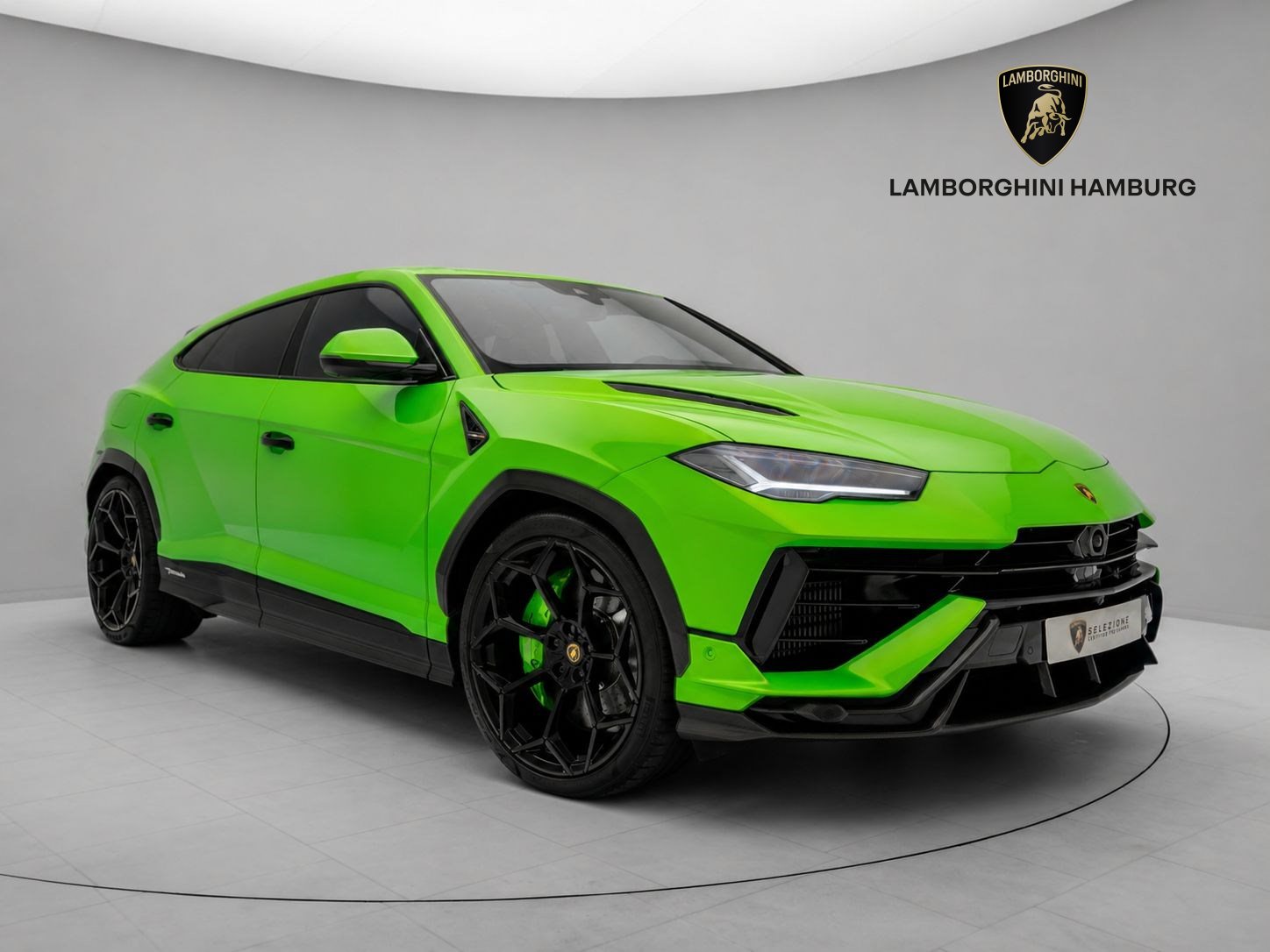
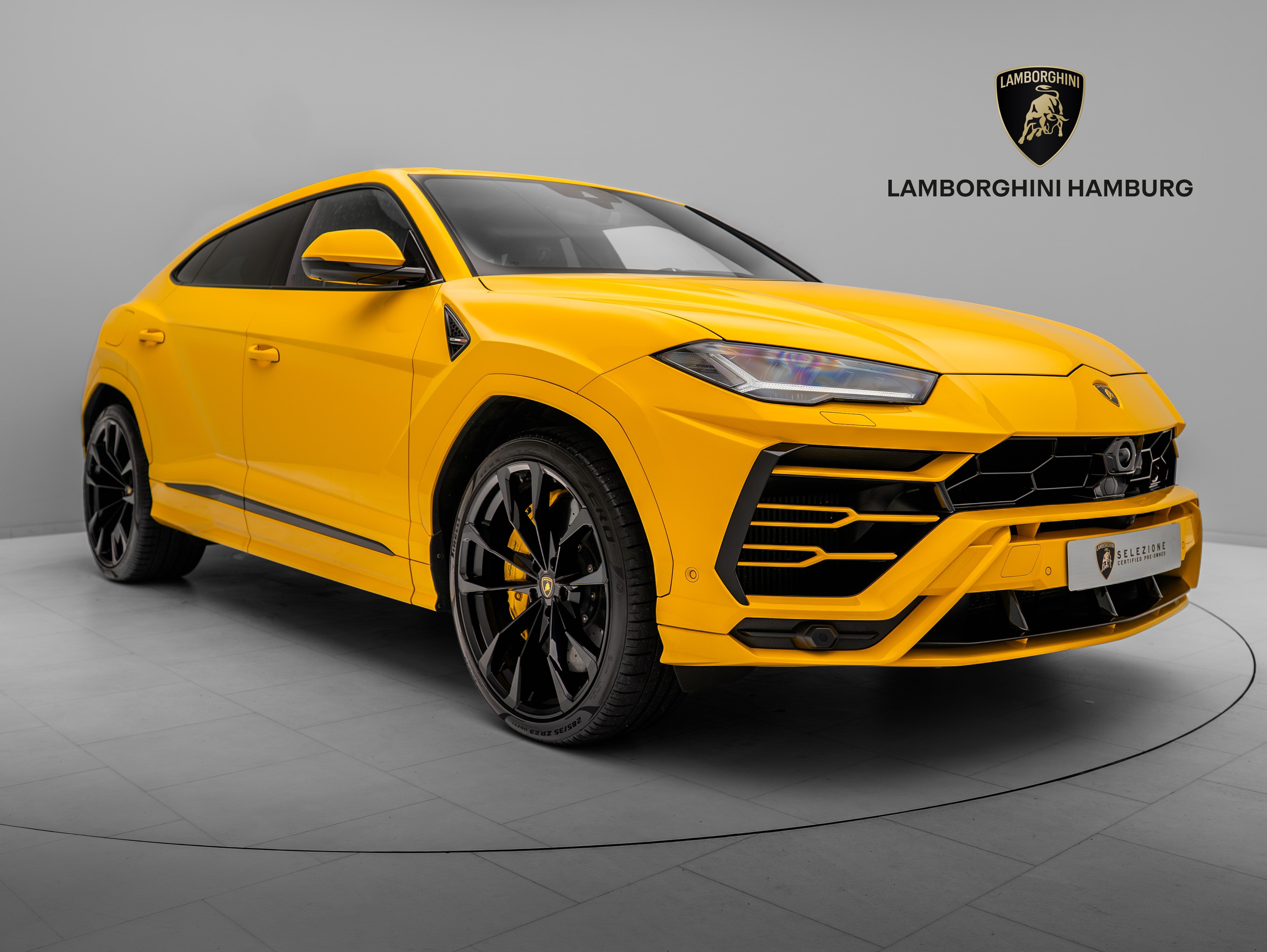
2021, gasoline, automatic, 38K km, SUV, 3,996 cm3, 650 hp, Used condition, Europa

penske-hamburg.de
 Wandsbek, Germany





















 Wandsbek, GermanyWandsbek, Germany
 ItalyItalyCasalecchio di Reno, ItalyItalyItalyItaly
 Romania, ClujRomania, Cluj
 Romania, PrahovaRomania, Prahova
The tricky part of buying a Lamborghini Urus in Europe is not finding a listing that looks impressive. It is working out whether the car behind the photos is worth the trip, the call, and the money. Supply can be thin, sellers may be in different countries, and the first polished ad is not always the strongest offer. With a car like this, distance, paperwork, and seller transparency matter almost as much as the vehicle itself.
A smart buyer usually starts by assuming that every Lamborghini Urus listing needs interpretation. Good photos, a short description, and a confident asking tone do not tell you enough. Before you get emotionally attached to the color, wheels, or interior trim, compare the listing quality: does the seller show the service history clearly, mention ownership background, explain mileage, and describe equipment properly? If not, treat the ad as an invitation to ask better questions, not as proof of a good car.
The Lamborghini Urus attracts attention easily, so weak sellers often rely on that. A serious offer usually gives you more than glamour shots. Look for consistency between mileage, seat wear, steering wheel condition, exterior close-ups, and the age of the car. If a listing feels vague on the basics but very loud about prestige, slow down.
Useful comparisons between Lamborghini Urus cars for sale often come from the small details:
That last point matters more than many buyers expect. Two examples of the same model can look close in photos but feel very different in value once you account for options, maintenance evidence, tire condition, and how completely the car is documented.
In the EU market, a Lamborghini Urus often requires broader search habits. The right car may be far from you, and that changes how you shortlist. Do not book travel just because the ad looks cleaner than the others. First ask for specific supporting material: photos of service entries, cold-start video, walk-around video in daylight, close-ups of wheels and tires, and confirmation of what documents are available for registration and transfer.
This is where seller behavior becomes part of the car's value. A transparent seller usually answers directly, sends material without drama, and stays consistent from one message to the next. A weak seller may dodge simple questions, repeat marketing phrases, or keep promising documents later. For a Lamborghini Urus, that difference is not minor; it often tells you whether the viewing will be productive or just expensive.
One less obvious point: rare or premium cars can be listed in a way that makes them seem interchangeable, but they are not. Buyers sometimes compare only year, mileage, and color. That is too shallow. On a Lamborghini Urus, ownership style can matter just as much. A car with a believable maintenance story, sensible presentation, and a seller who knows the vehicle can be the safer choice than a more photogenic listing with gaps around history.
Keep your first contact practical. Ask the seller of the Lamborghini Urus to confirm the basics in writing so you can compare offers later without relying on memory. Useful questions include:
You are not interrogating the seller; you are testing whether the offer is mature enough to deserve your time. Good Lamborghini Urus listings tend to get better when questioned. Weak ones usually get thinner.
Shortlist the cars that reduce uncertainty. If two Lamborghini Urus offers seem similar, favor the one with clearer history, better photos of wear areas, more coherent equipment details, and a seller who responds precisely. That may sound unglamorous, but this is how buyers avoid paying premium money for average transparency.
It also helps to think about ownership beyond the purchase day. A tempting used Lamborghini Urus can still become the wrong buy if routine needs were postponed, consumables are near the end of life, or the paperwork trail is messy. Even if the car drives well on a quick test, the better offer is often the one that makes the next year of ownership easier, not the one that creates the biggest first impression.
Before committing to a viewing, ask yourself a simple question: if this were not a Lamborghini Urus, would this listing still look well kept, well documented, and honestly presented? That question removes a lot of noise. The badge can make buyers forgive weak evidence, incomplete descriptions, or rushed communication. Try not to let it.
The right Lamborghini Urus in Europe is usually the one that survives calm comparison. Not necessarily the nearest one, not the loudest one, and not always the first one that makes you want to leave a deposit. Compare the history, compare the seller, compare the paperwork, and only then compare the dream. That order is how you avoid weak offers and spot the listing that is actually worth pursuing.
 Add as preferred sourceSee more from zvelta in Google Search Add as preferred source