EN
ENDEALER
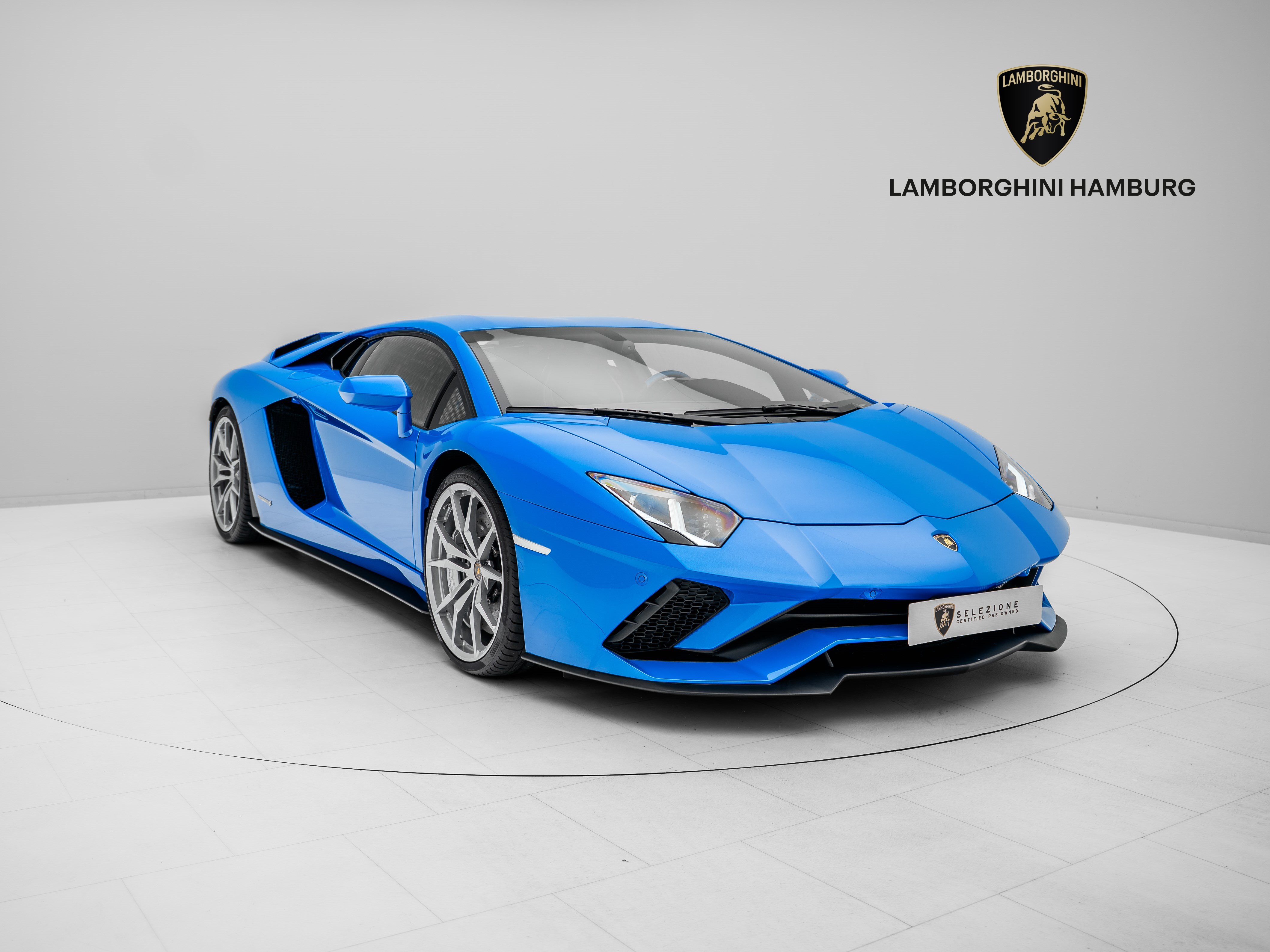
386.564 US$DEALER
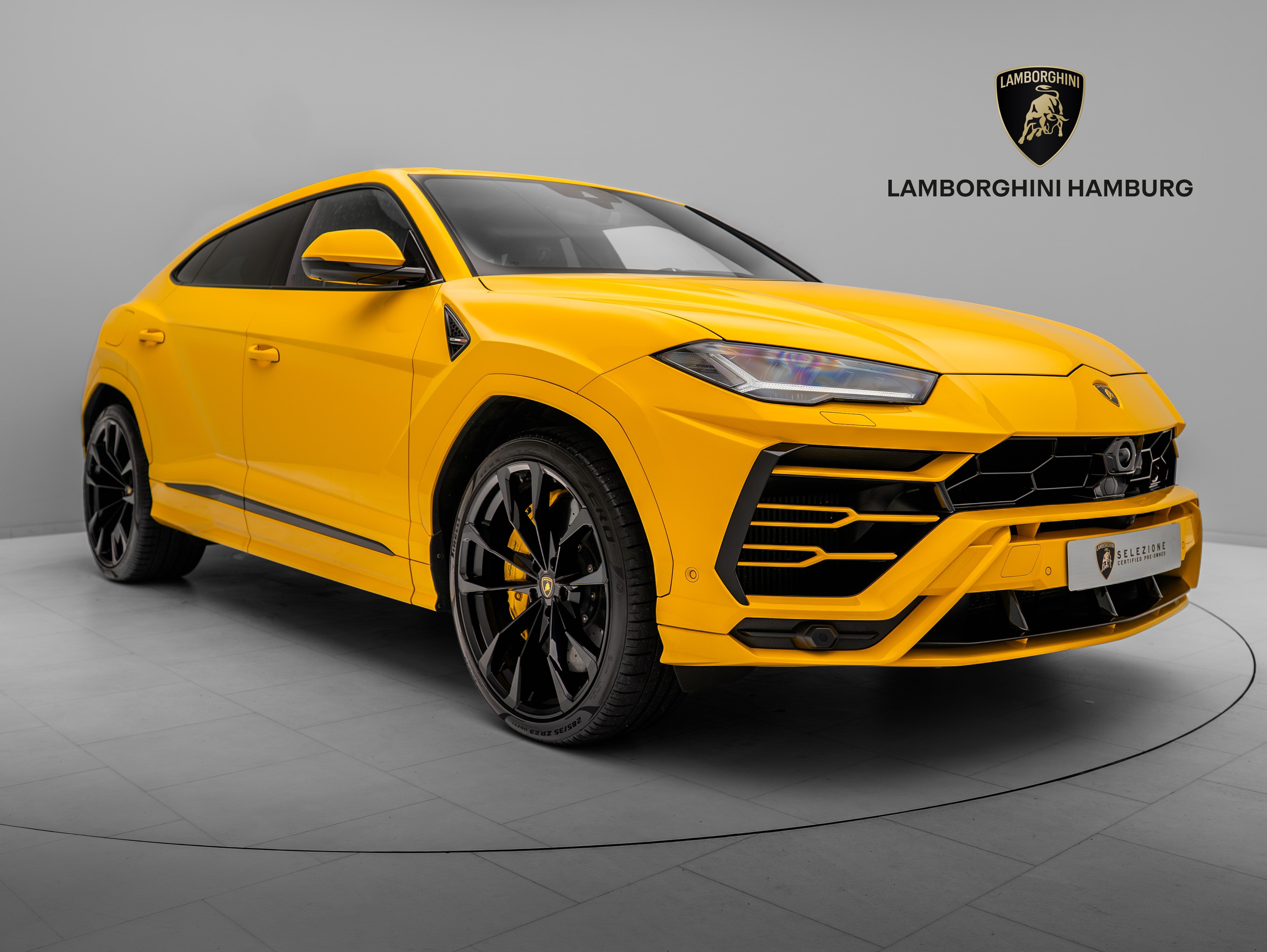
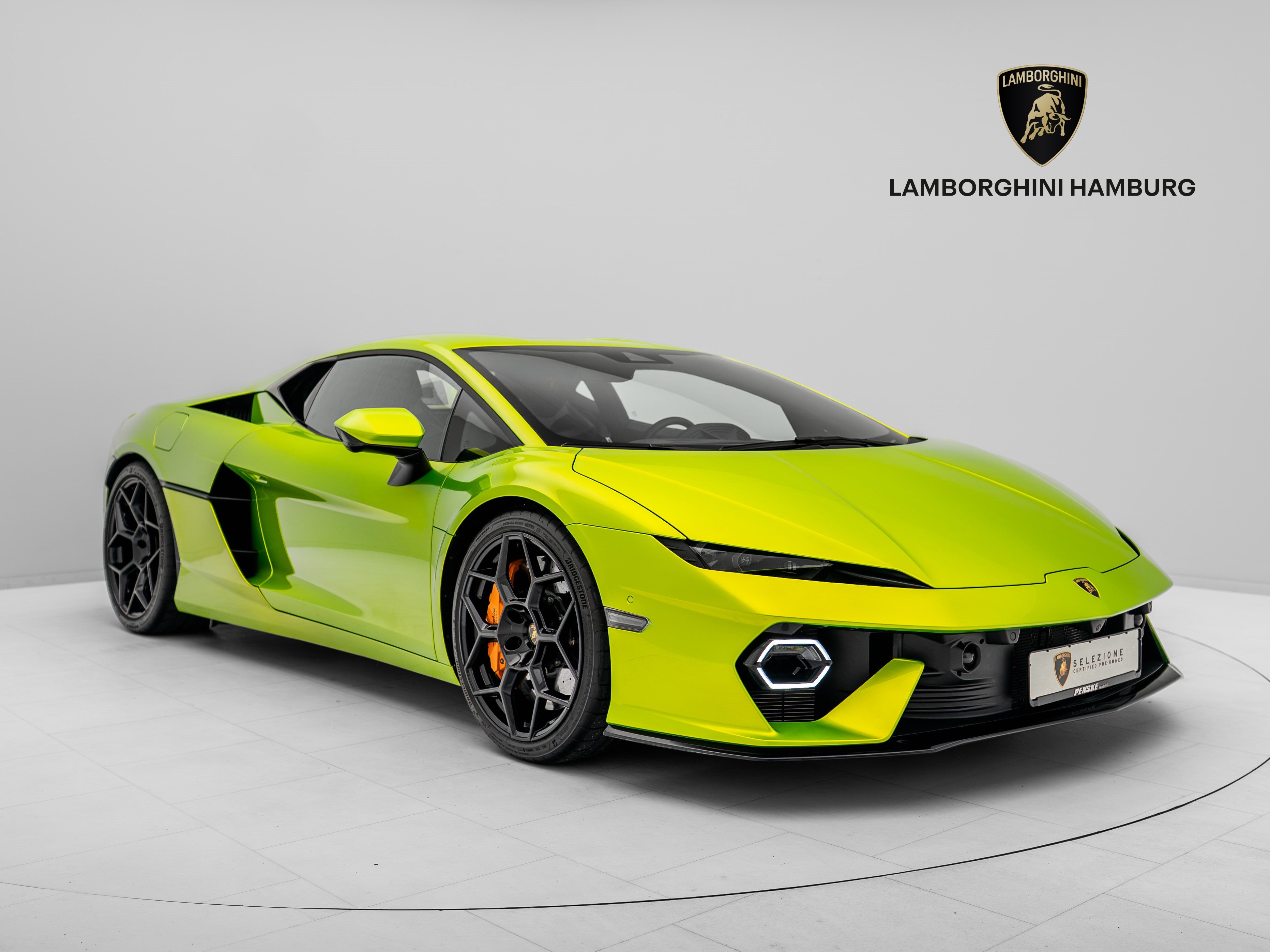
2018, gasoline, automatic, 16K km, sport car, 6,498 cm3, 740 hp, Used condition

penske-hamburg.de
 Wandsbek, Germany





















 Wandsbek, GermanyWandsbek, GermanyWandsbek, GermanyWandsbek, GermanyWandsbek, GermanyWandsbek, GermanyWandsbek, GermanyWandsbek, GermanyWandsbek, GermanyWandsbek, GermanyWandsbek, GermanyWandsbek, GermanyWandsbek, GermanyWandsbek, GermanyWandsbek, GermanyWandsbek, GermanyWandsbek, Germany
 ItalyItalyCasalecchio di Reno, ItalyItalyCasalecchio di Reno, ItalyItalyItalyItaly
The smart way to shop for a Lamborghini is to slow the excitement down just enough to compare the car in front of you with the idea in your head. Buyers usually arrive wanting drama, speed, and presence. Fair enough. But when you move from admiring a Lamborghini to sorting real cars for sale, the better question is simpler: is this particular offer strong enough to justify the money, the risk, and the effort of ownership? That mindset instantly improves your shortlist.
With used Lamborghini offers, the first filter is not color, wheels, or the seller's dramatic wording. It is whether the listing gives you enough substance to believe the owner treated the car seriously. Good ads tend to be calm and specific: clear photos, readable service history, recent maintenance notes, honest mileage, and equipment described without trying to hide weak spots. Thin listings matter more here than with ordinary cars. If someone is selling a Lamborghini but avoids basic details, that is already part of the condition story.
Before you message a seller, compare a few things side by side: mileage against age, photo quality against asking confidence, interior wear against the claimed use, and maintenance history against how "perfect" the car is presented to be. If the steering wheel, seat bolsters, switchgear, or carbon trim look more tired than the mileage suggests, ask why. If a car has had many cosmetic updates but very little maintenance detail, that can tell you where the owner's priorities were.
This is where buyers often make the wrong compromise. A Lamborghini for sale can look attractive simply because the badge is rare in the wider market. But rarity should not excuse a weak example. If one car has the right specification but vague history, and another is less flashy yet better documented, the second car is often the more intelligent buy. You are not only buying performance or design; you are buying the next chapter of maintenance, resale, and peace of mind.
A useful comparison trick is to treat each Lamborghini listing as if it were competing not only against other Lamborghini cars for sale, but also against the best alternatives at the same money. That may include another exotic with a stronger file, a newer high-performance coupe with easier servicing, or simply waiting for a cleaner Lamborghini to appear. Waiting can be the right move when the current market gives you cars with incomplete history, suspiciously few underside or interior photos, or sellers who answer detailed questions with lifestyle talk instead of facts.
Across the European market, one revealing signal is how a seller talks about use. Some Lamborghini owners are transparent: road trips, seasonal mileage, specialist servicing, tire age, battery care, storage habits. Others lean too heavily on image. For this brand, that difference matters. A glamorous listing can still hide a car that spent long periods inactive, missed routine attention, or changed hands between people who enjoyed the look more than the upkeep.
Another useful observation: with Lamborghini, the strongest offer is not always the one that photographs best. Some of the more convincing listings are slightly understated. Fewer theatrical lines, more paperwork. A seller who can explain what was done, when it was done, and by whom is usually easier to trust than one who keeps repeating how rare or breathtaking the car is. In a premium niche, boring documentation is often more valuable than exciting adjectives.
Ask for a clear outline of maintenance history, not just "full service history" as a phrase. Who serviced the Lamborghini, and when? Were wear items handled recently? Are there invoices, inspection records, and evidence of regular attention rather than one fresh service done only for the sale? If the car has modifications, ask whether the original parts are included and whether the changes were cosmetic, exhaust-related, suspension-related, or software-related. Even if you like the modifications, you should understand what they may mean for future maintenance and resale.
You should also ask how long the seller has owned the car, why it is being sold, and whether there are any current faults, warning lights, paintwork issues, or damage repairs. The goal is not to interrogate the owner; it is to test whether the story stays consistent. A serious seller usually answers directly and does not get offended by sensible questions on a Lamborghini.
This is a brand where buyers can talk themselves into bad logic. A rougher example may seem like a cheaper entry into Lamborghini ownership, but low confidence can become expensive very quickly. If the ad is vague, the history is patchy, and the visible wear is already above average, you are not looking at a hidden opportunity by default. You may be looking at someone else's postponed bills.
That is why comparing new and used listings with discipline matters. Even if you are focused on used cars, look at how stronger offers present themselves. Better cars usually create less confusion. Their photos line up with their story. Their condition makes sense. Their sellers sound prepared. The weaker cars are often the ones that need the most imagination from the buyer.
Buy the Lamborghini that still makes sense after the excitement fades. That usually means an offer with coherent history, believable condition, sensible seller communication, and enough detail for an inspection to feel like confirmation rather than discovery. If you keep having to excuse missing information because the brand itself is special, step back.
A good Lamborghini purchase is rarely about rushing to secure the first dramatic car you see in Europe. It is about knowing which compromises are acceptable and which ones will follow you into ownership. Color, wheel design, or a slightly less theatrical specification can be acceptable compromises. Murky history, evasive answers, careless upkeep, and unexplained wear usually are not. If the right car is not in the listings today, waiting is not losing. With Lamborghini, waiting for the stronger offer is often the most expensive-looking decision and the cheapest mistake to avoid.
 Add as preferred sourceSee more from zvelta in Google Search Add as preferred source