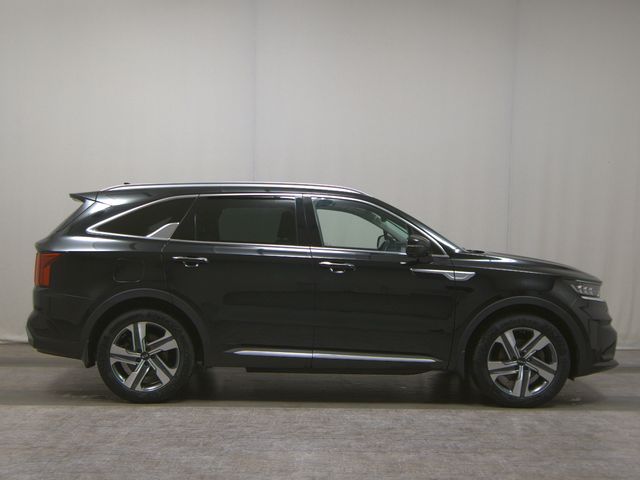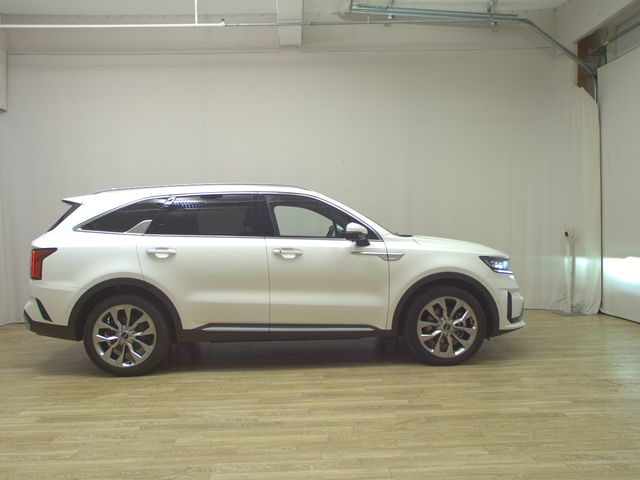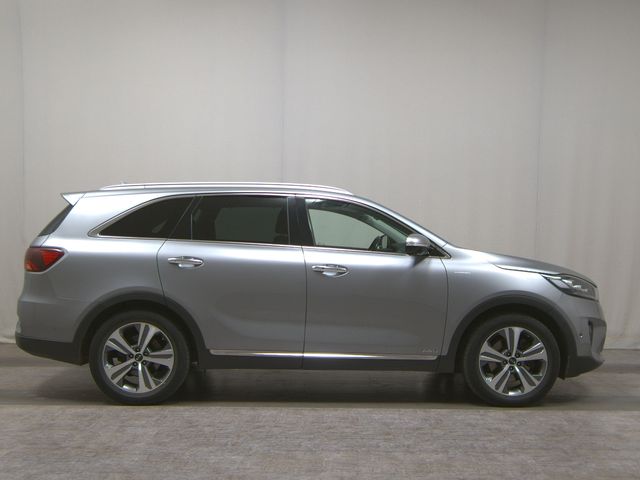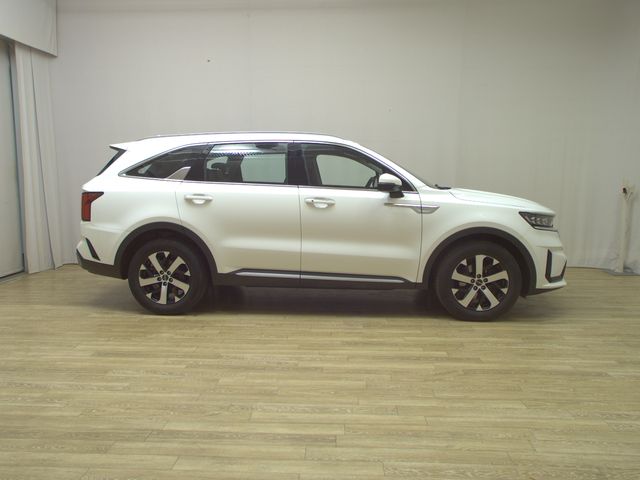












A good Kia Sorento listing should make your decision easier within the first minute. If the photos are vague, the description says almost nothing, and basic ownership details are missing, move on quickly. The Sorento attracts buyers who want family space, SUV comfort, and a broader equipment spread than many simpler alternatives, so the best offers usually stand out early. On a Kia Sorento page, the smart approach is not to ask whether the model is interesting, but whether this exact car is worth your time.
Start by comparing the shape of the offer, not just the spec sheet
Used Kia Sorento cars for sale can look similar on paper while being very different in real ownership value. Before you contact anyone, compare the listing as a whole: mileage, photo quality, trim clues, interior wear, tire condition, dashboard shots, and how clearly the seller explains service history. A Sorento with a shorter description is not automatically a bad option, but a weak listing often hides effort rather than just information.
When you scan several Kia Sorento offers across the EU market, look for consistency. Do the odometer reading, seat wear, steering wheel condition, and luggage area all seem to match? Does the seller show both sides of the car, close-ups of bumpers, and the third-row or cargo space if relevant to that version? Family SUVs are often bought for practical reasons, and practical owners usually photograph practical details. If a seller avoids them, ask why.
The seller signals that separate a serious Sorento from a time-waster
This is where a lot of buyers save themselves hours. A serious Kia Sorento seller usually writes like someone who has actually lived with the car. You may see brief but useful notes: recent maintenance, what was replaced, what does not work perfectly, how many keys are included, whether service invoices are available, or when the car was last inspected. Even a simple line such as “gearbox serviced” or “two-owner car with documented maintenance” gives you something concrete to ask about.
Weak listings tend to lean on mood words instead: “full option,” “perfect SUV,” “drives great,” “no investment.” Those phrases are not proof of anything. Better signals are specific photos, readable documents, a cold-start video if offered, and a seller who answers direct questions directly. If you ask for VIN, service history evidence, tire age, or extra photos of common wear points, the response style matters almost as much as the answer. Fast is nice, but clear is better. A seller who keeps dodging small questions often becomes harder, not easier, once you are standing next to the car.
One less obvious clue: look at the order of the photos. With many serious private sellers, the first images are clean overview shots, then the cabin, then details, then flaws. With weaker traders or careless resellers, you often get glamour angles first and useful evidence later, if at all. On a Kia Sorento, where buyers often care about family use, towing use, luggage wear, and long-trip comfort, the useful evidence matters more than dramatic lighting.
Ask questions that reveal ownership quality
A phone call should help you decide whether to visit, not replace the inspection. Ask the seller how long they have owned the Kia Sorento, why they are selling, and what maintenance was done in their ownership. Ask what works imperfectly. The way that question is answered can be very revealing. Honest sellers usually mention at least something minor without being pushed.
Then narrow in on the details visible in the listing. If there is wear on the driver’s seat, ask whether it has worsened. If the car has a tow bar, ask what it was used for. If the photos show only one key, ask whether a second key exists. If the service book is mentioned, ask whether there are invoices as well. If the ad says the car is “ready for travel,” ask what exactly was serviced recently. Good Kia Sorento listings can survive specific questions; weak ones often collapse into generalities.
Why the cheapest Kia Sorento is often the most expensive afternoon
Buyers shopping SUVs often get pulled toward the lowest visible price or the most aggressive wording. That is understandable, but with a Kia Sorento, the better buy is often the one that is easiest to verify. A car with fuller history, clearer photos, calmer wording, and a seller willing to discuss imperfections can be a stronger viewing candidate than a cheaper example with almost no traceable background.
This matters especially on model pages where the number of active listings is not huge. When the pool is smaller, it is tempting to rationalize a weak offer because “there are not many available.” Resist that. A limited shortlist should make you more selective, not less. Compare each Kia Sorento against the standard of a sensible family SUV purchase: clear ownership story, visible care, matching condition, and a seller who behaves like someone selling a real car rather than a vague promise.
Use the viewing to confirm, not to discover everything from zero
If an offer passes the first filters, go see the Kia Sorento with a plan. Check that the documents match the story from the ad. Look at body gaps, paint consistency, glass markings, seat mechanisms, tailgate condition, and how the cabin feels after normal use. During the drive, listen for anything the seller forgot to mention, and test ordinary family-car functions rather than only the engine pull: climate control, parking aids, infotainment, folding seats, windows, mirrors, and warning lights.
A worthwhile Kia Sorento listing usually gives you a believable story before you arrive and survives your questions after you arrive. That is the real goal on this page. Not to chase every offer, but to identify the few that are documented clearly, presented honestly, and strong enough to inspect without already making excuses for them.