 EN
ENDEALER

14.559 US$DEALER
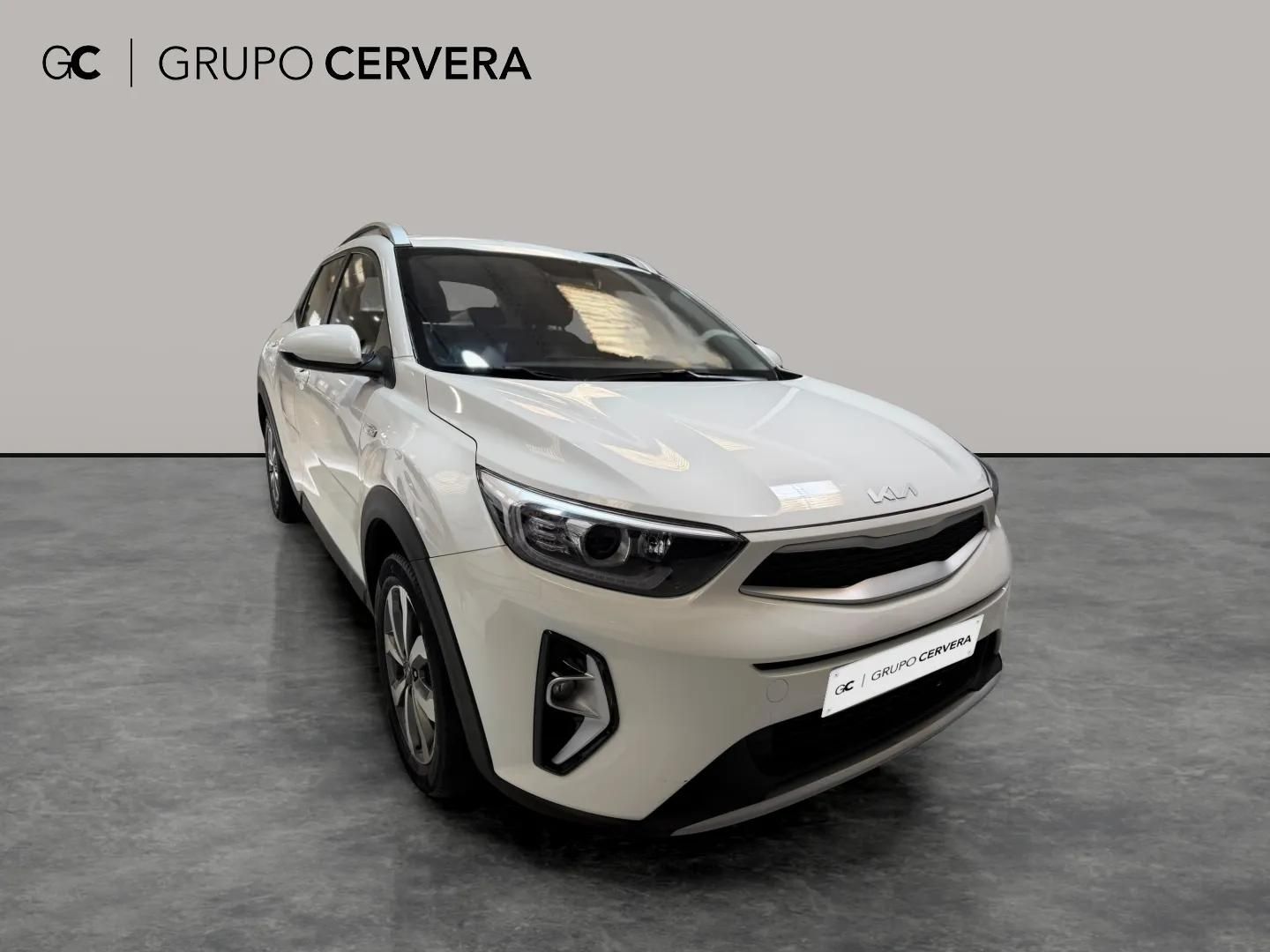
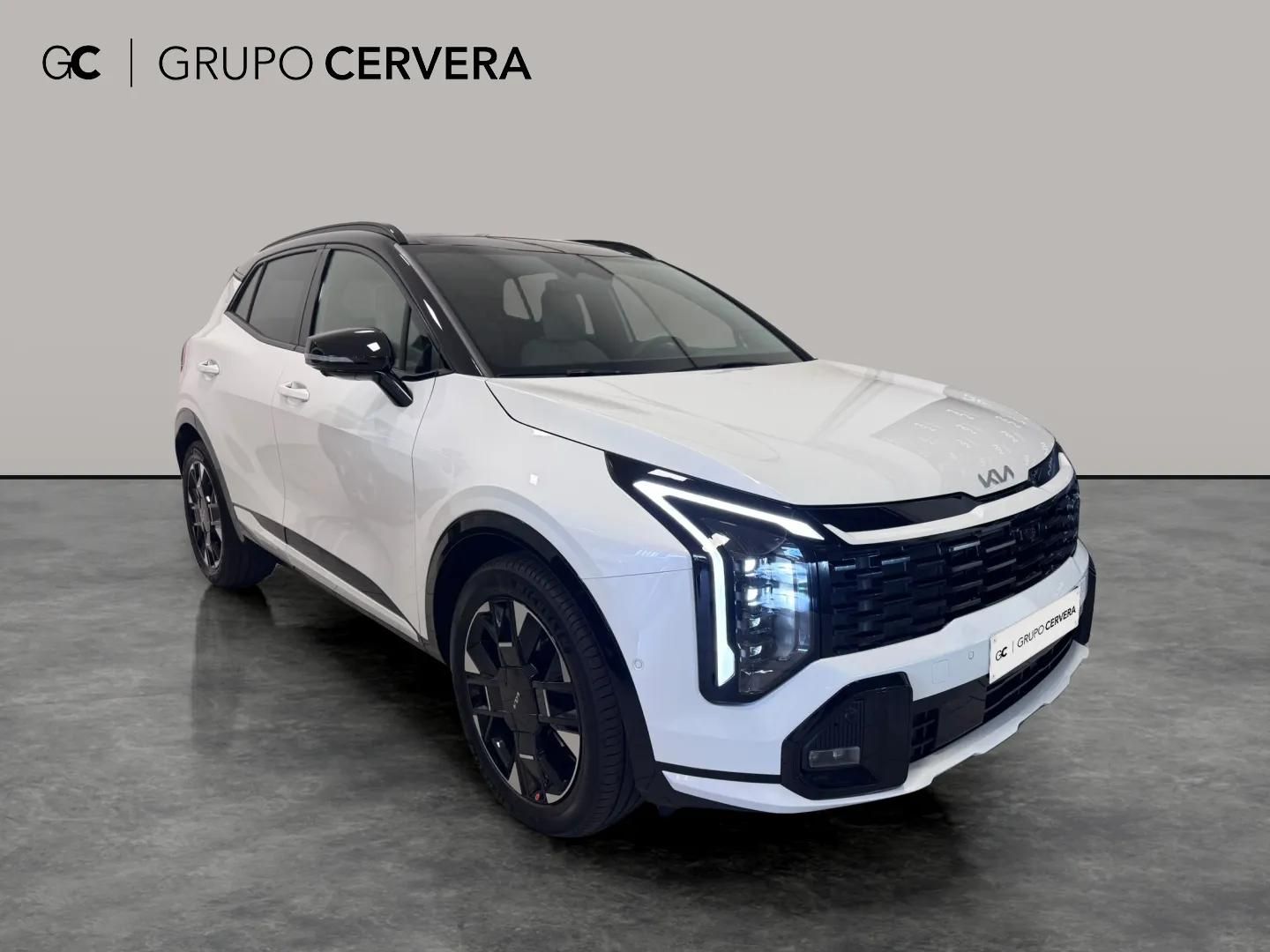
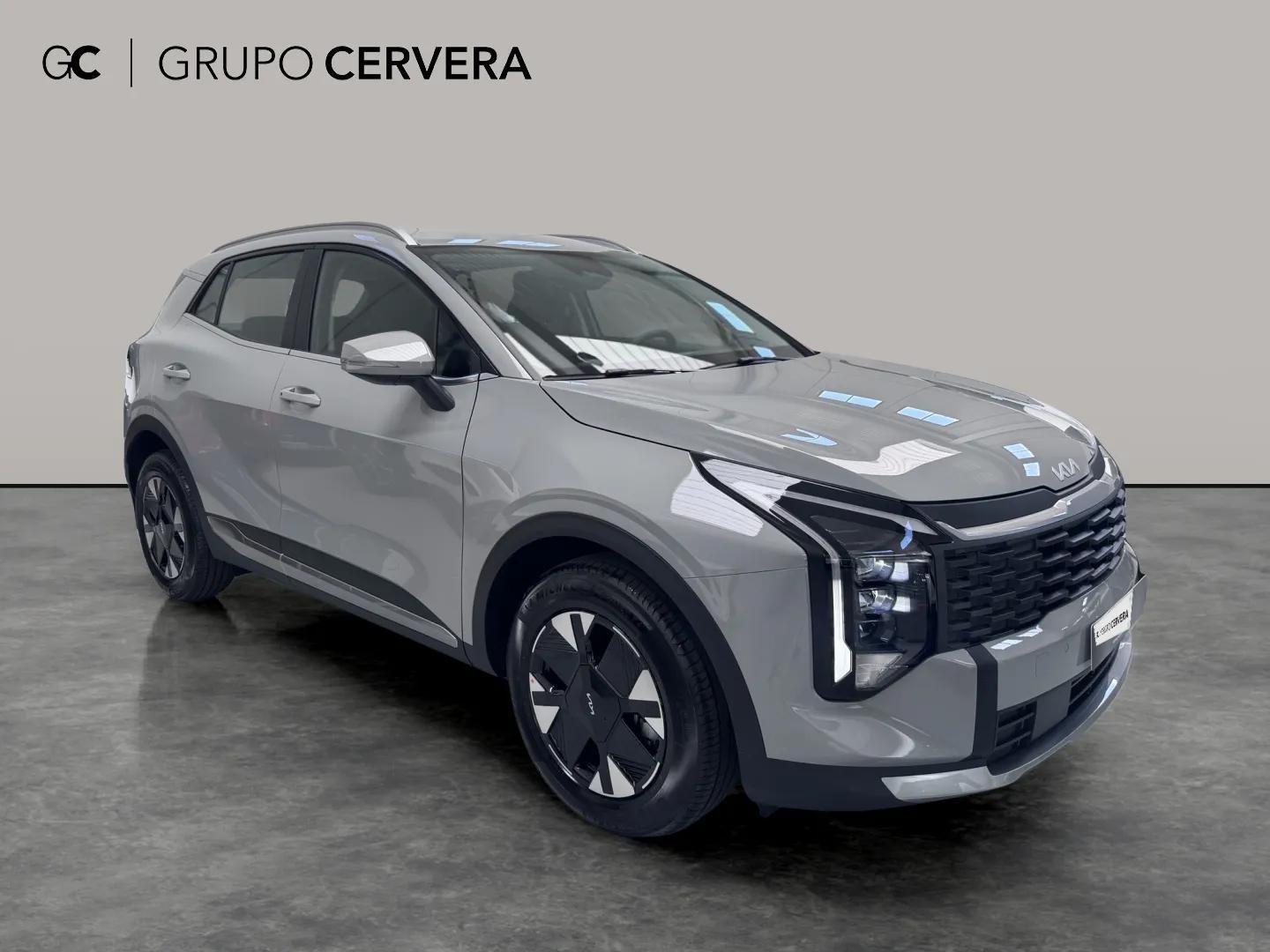
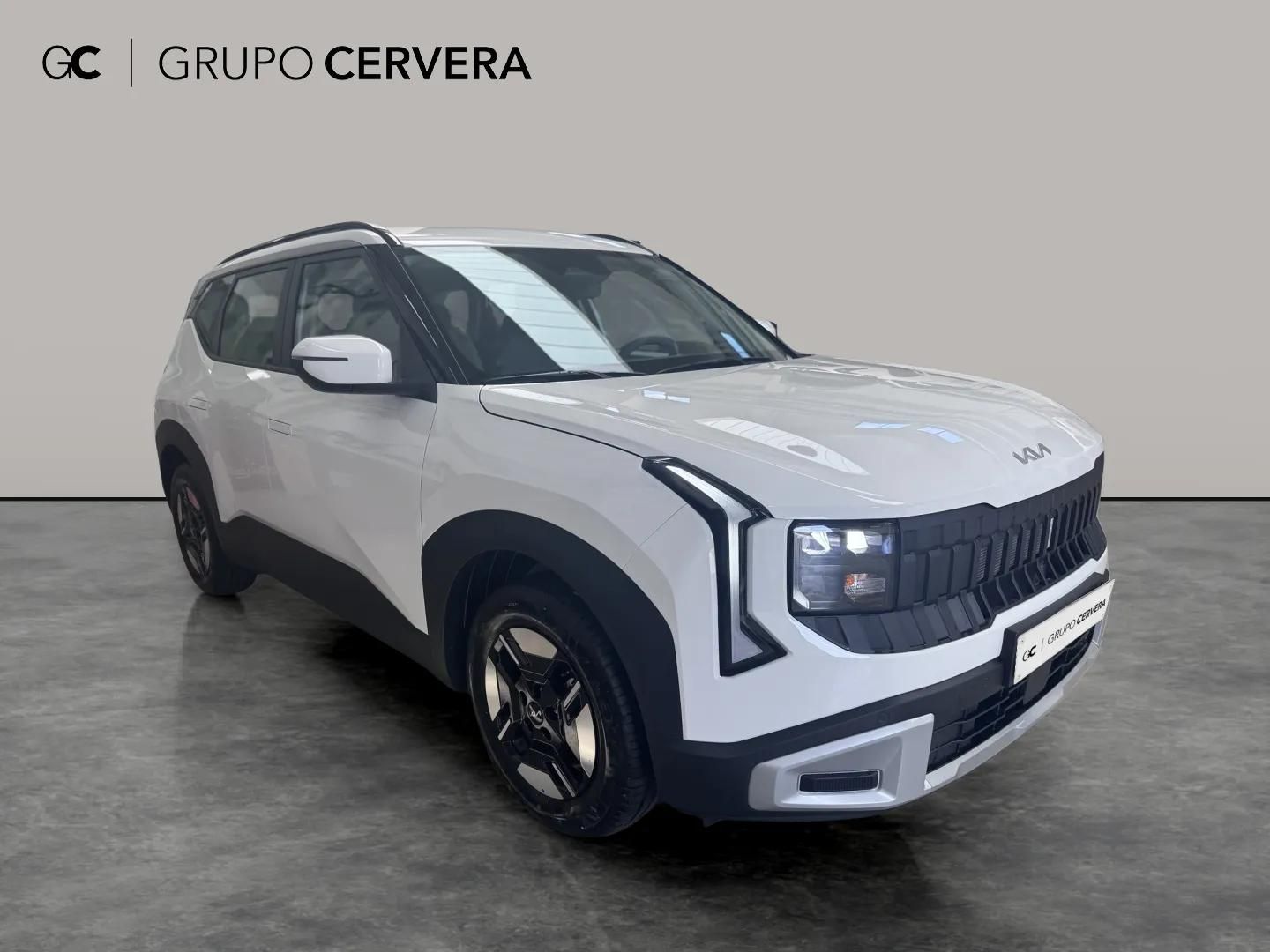
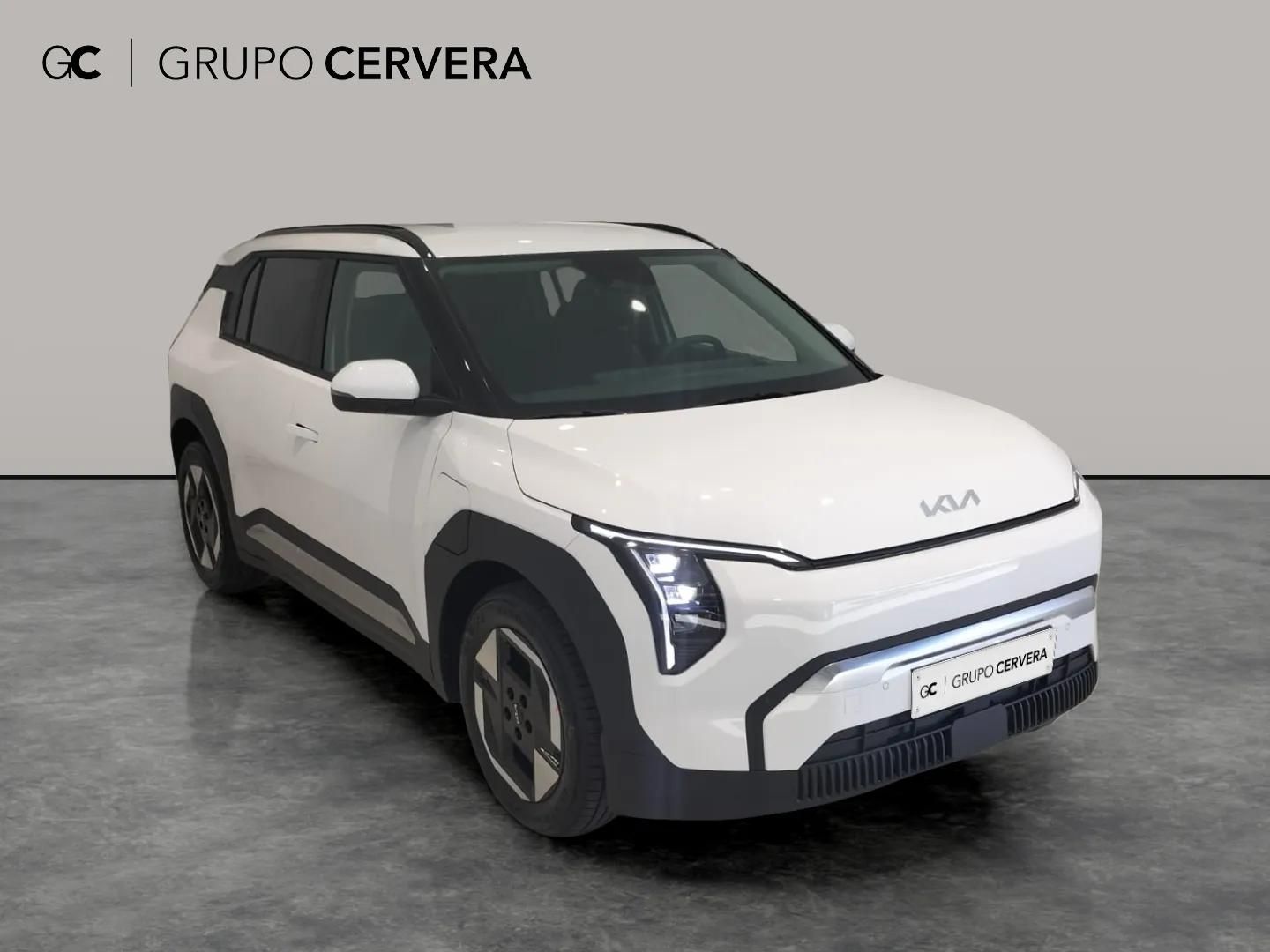
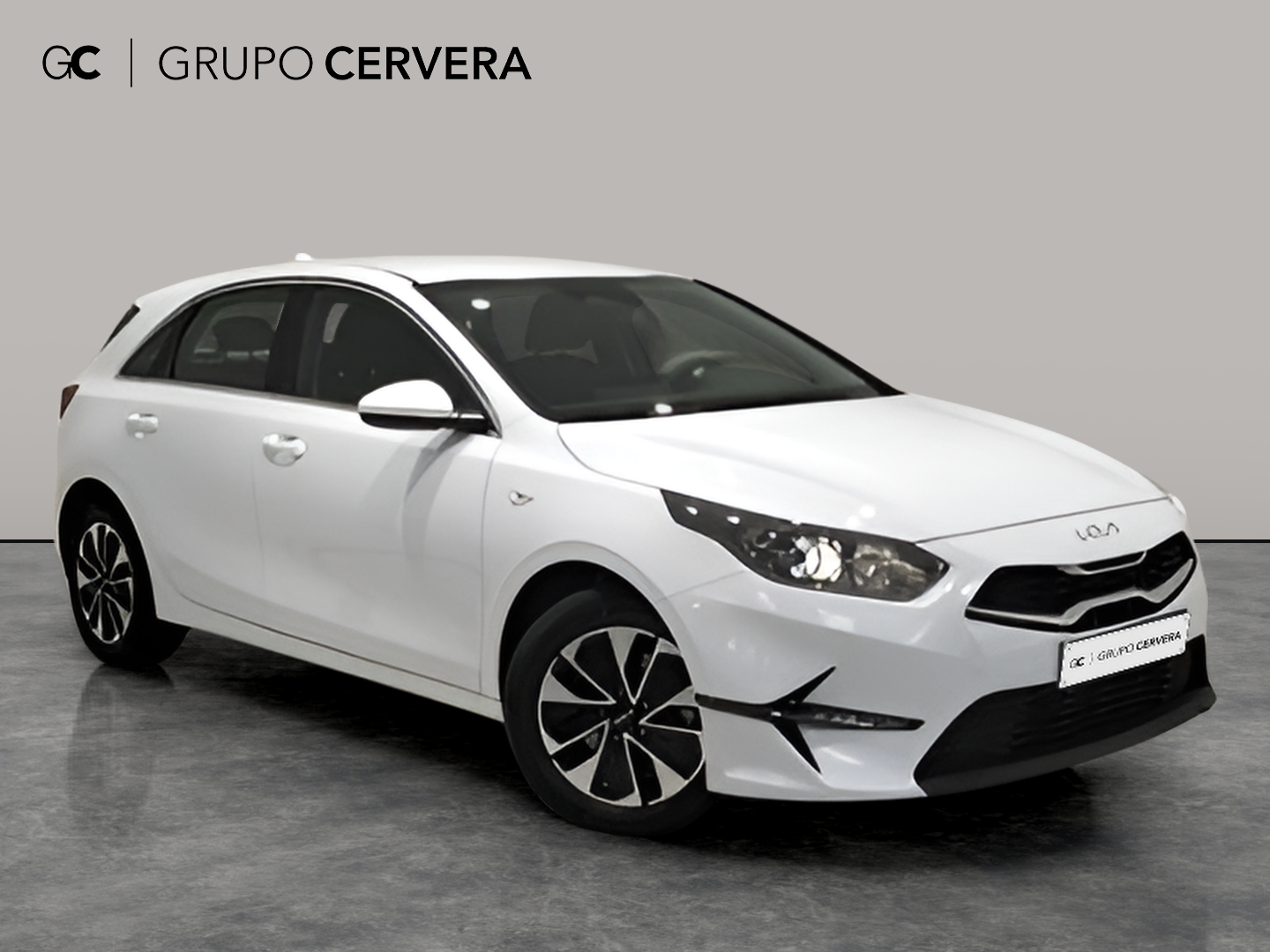
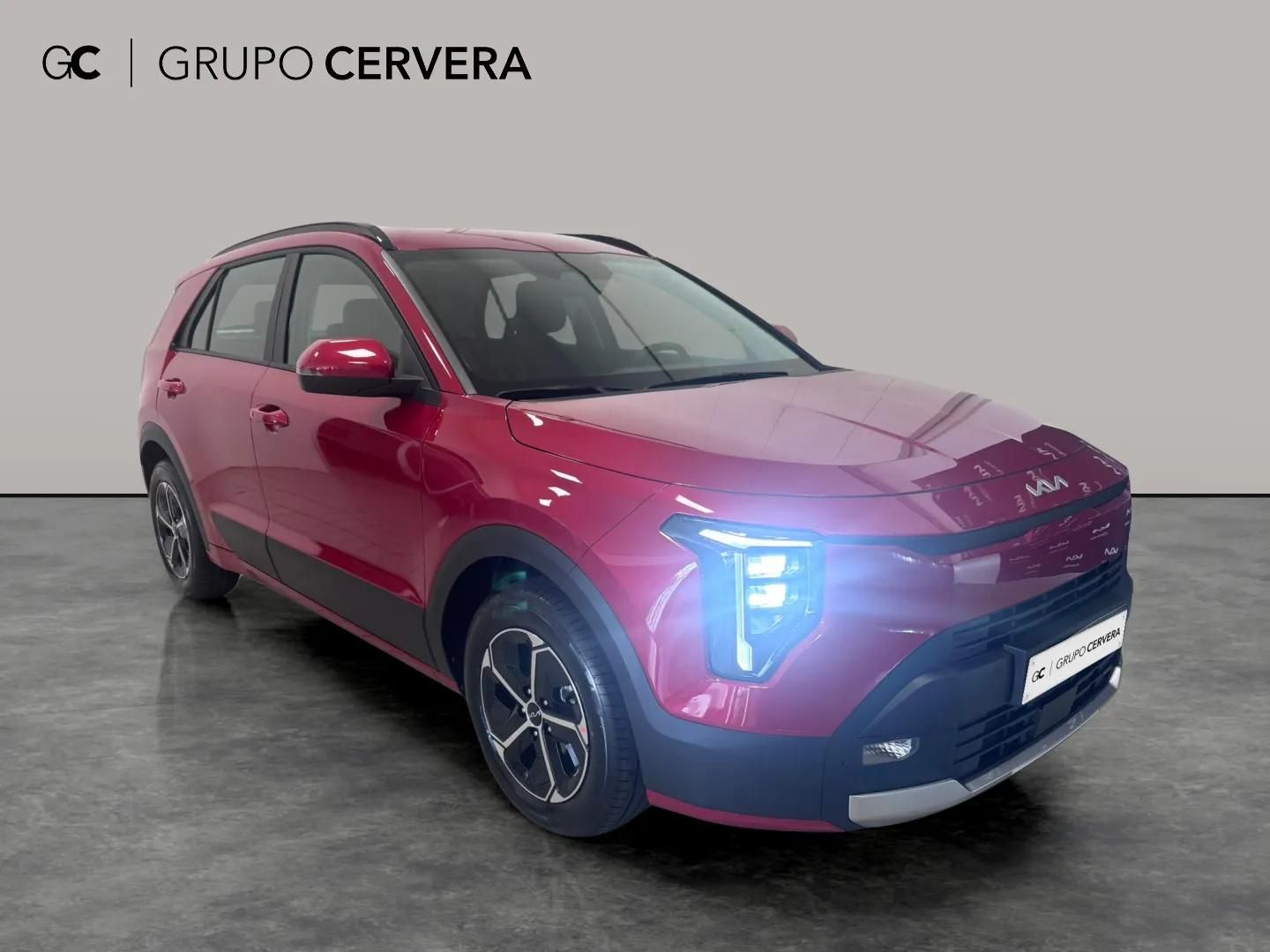
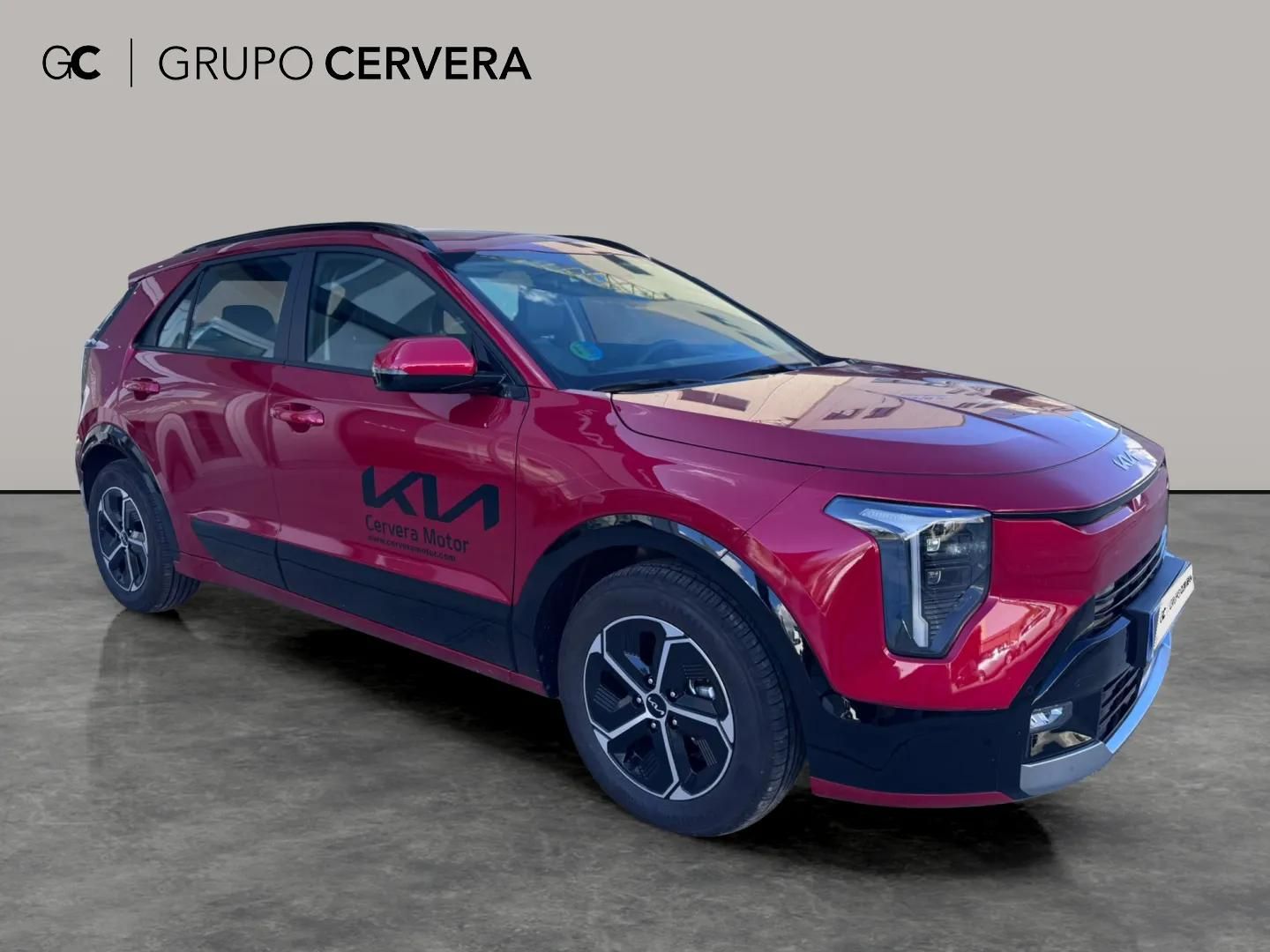
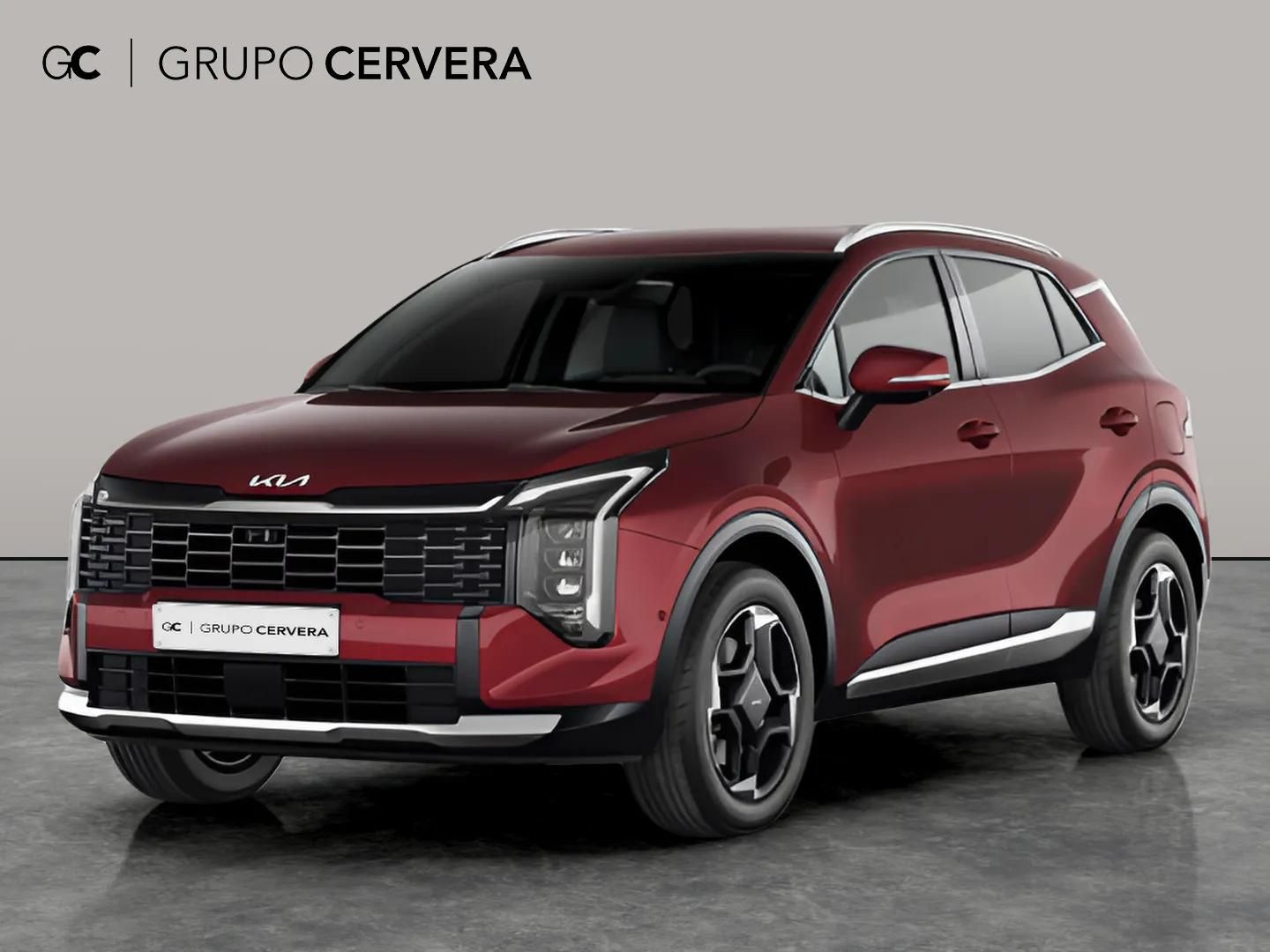
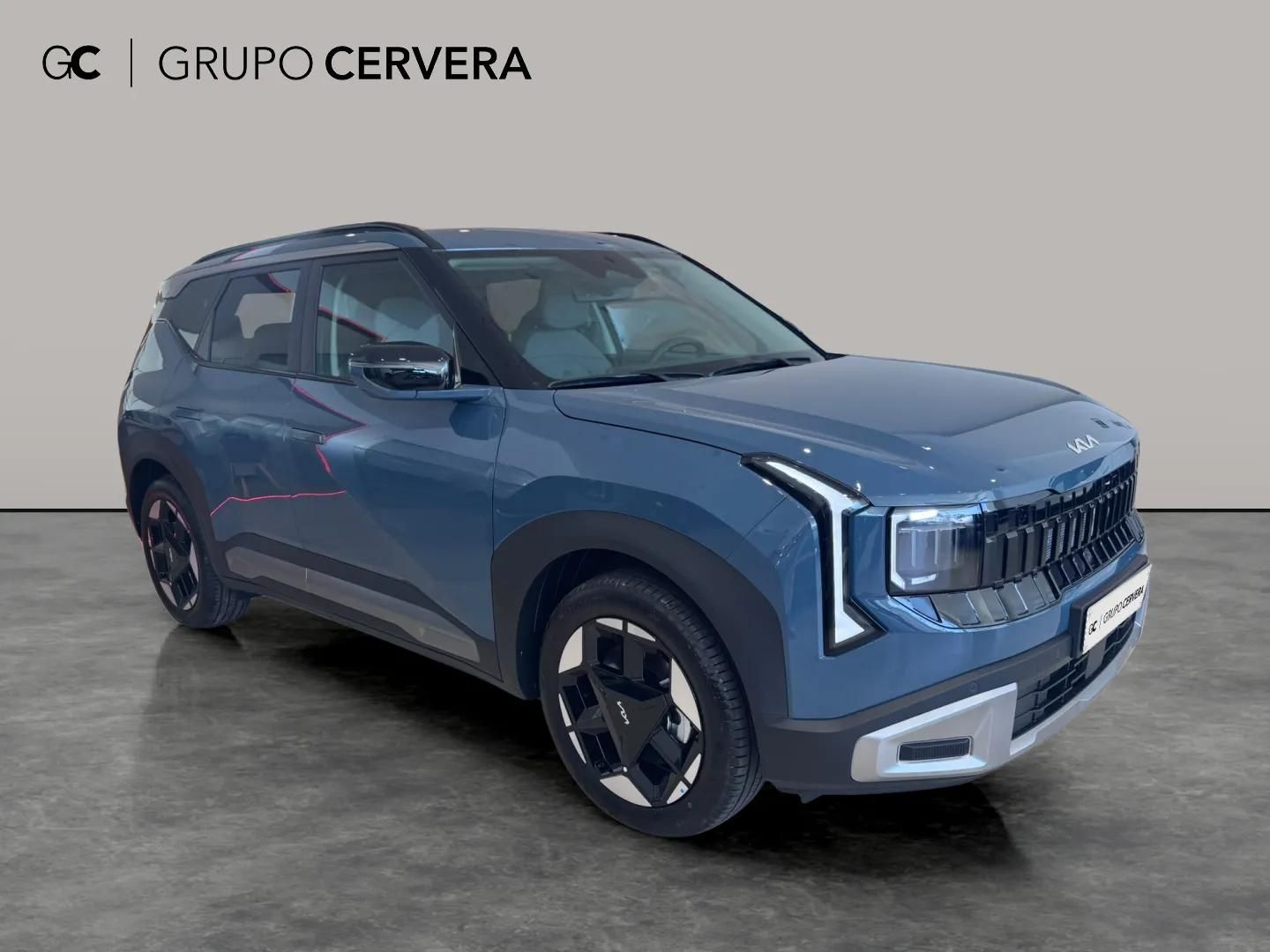
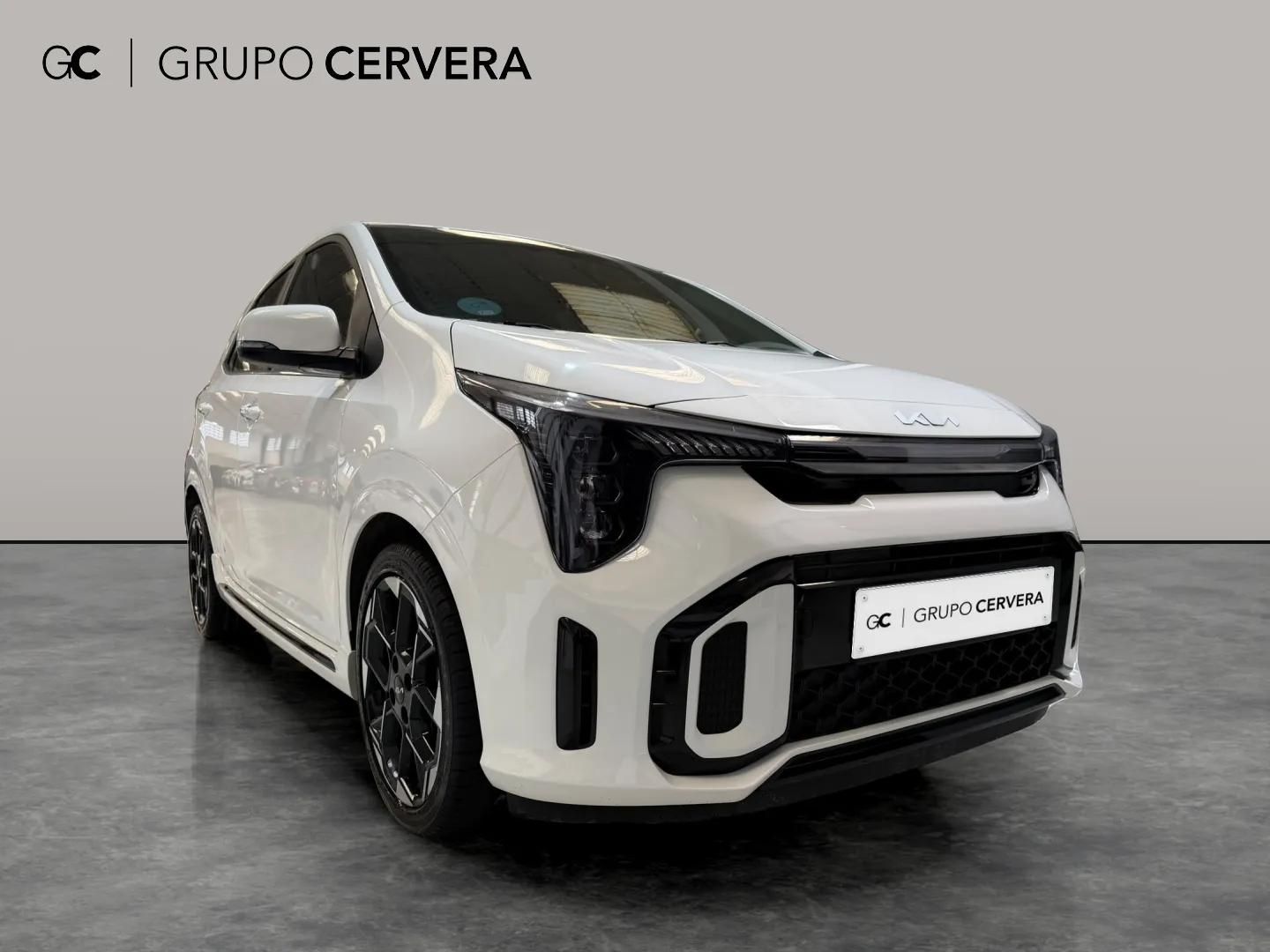
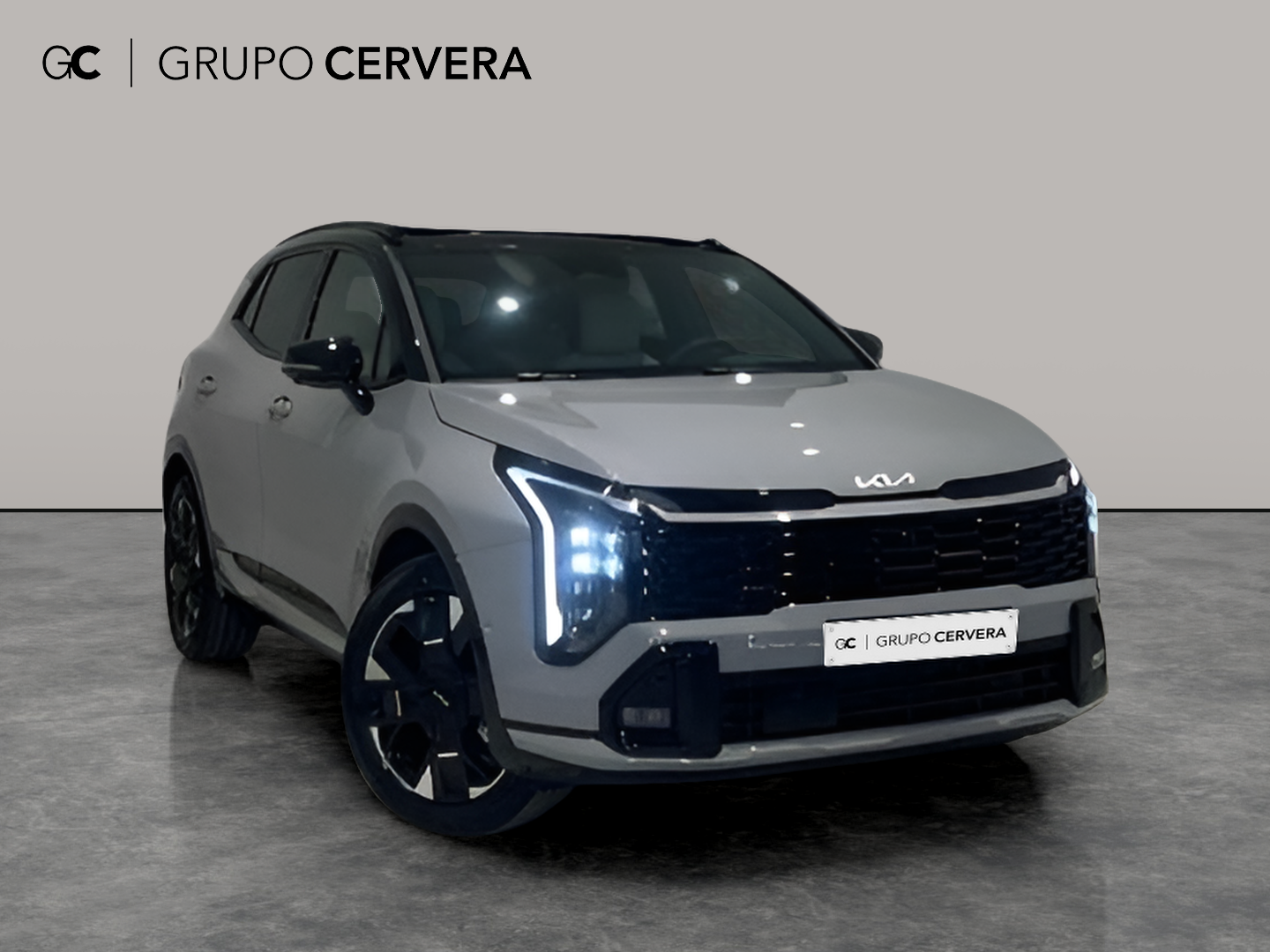
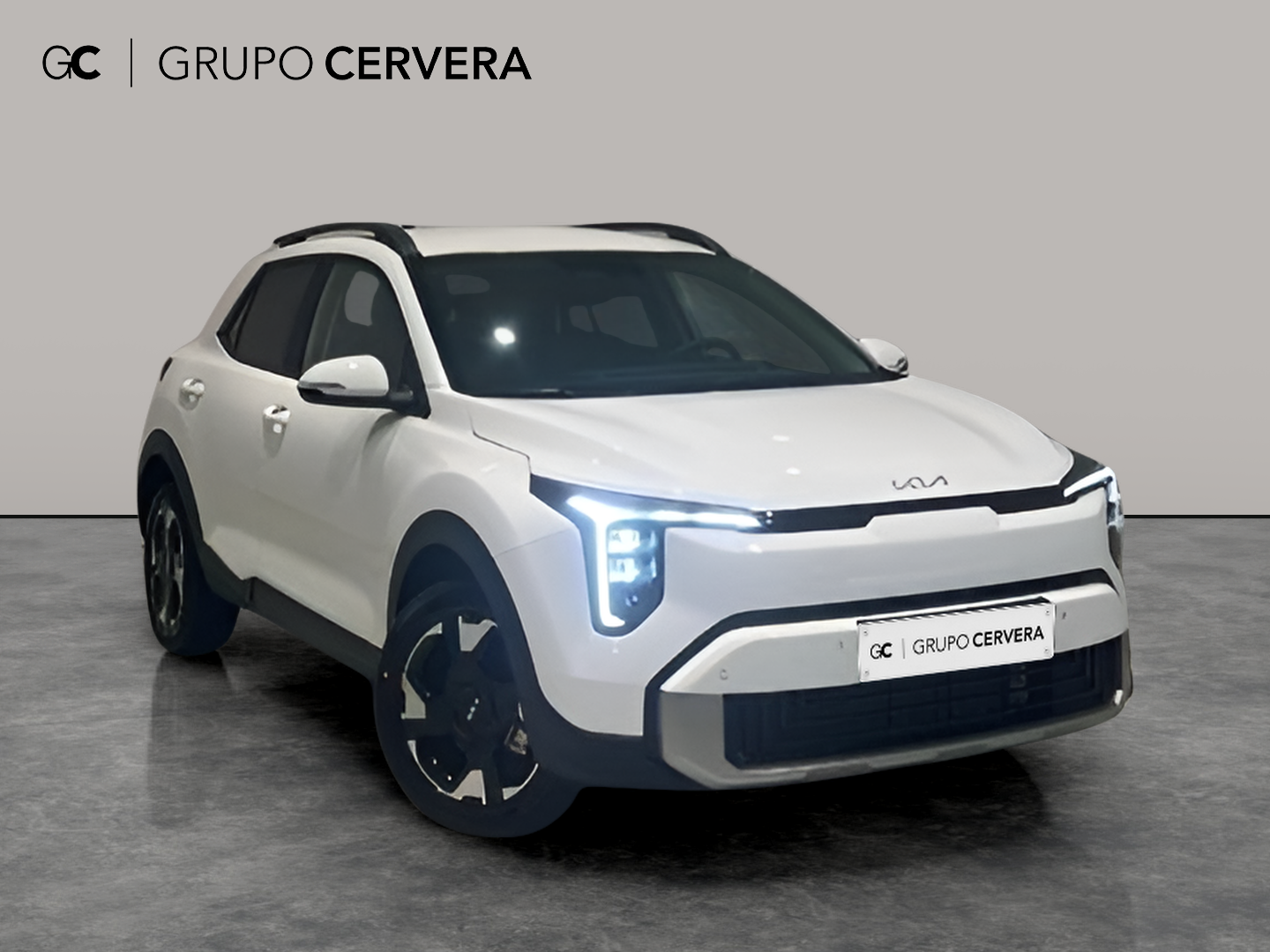
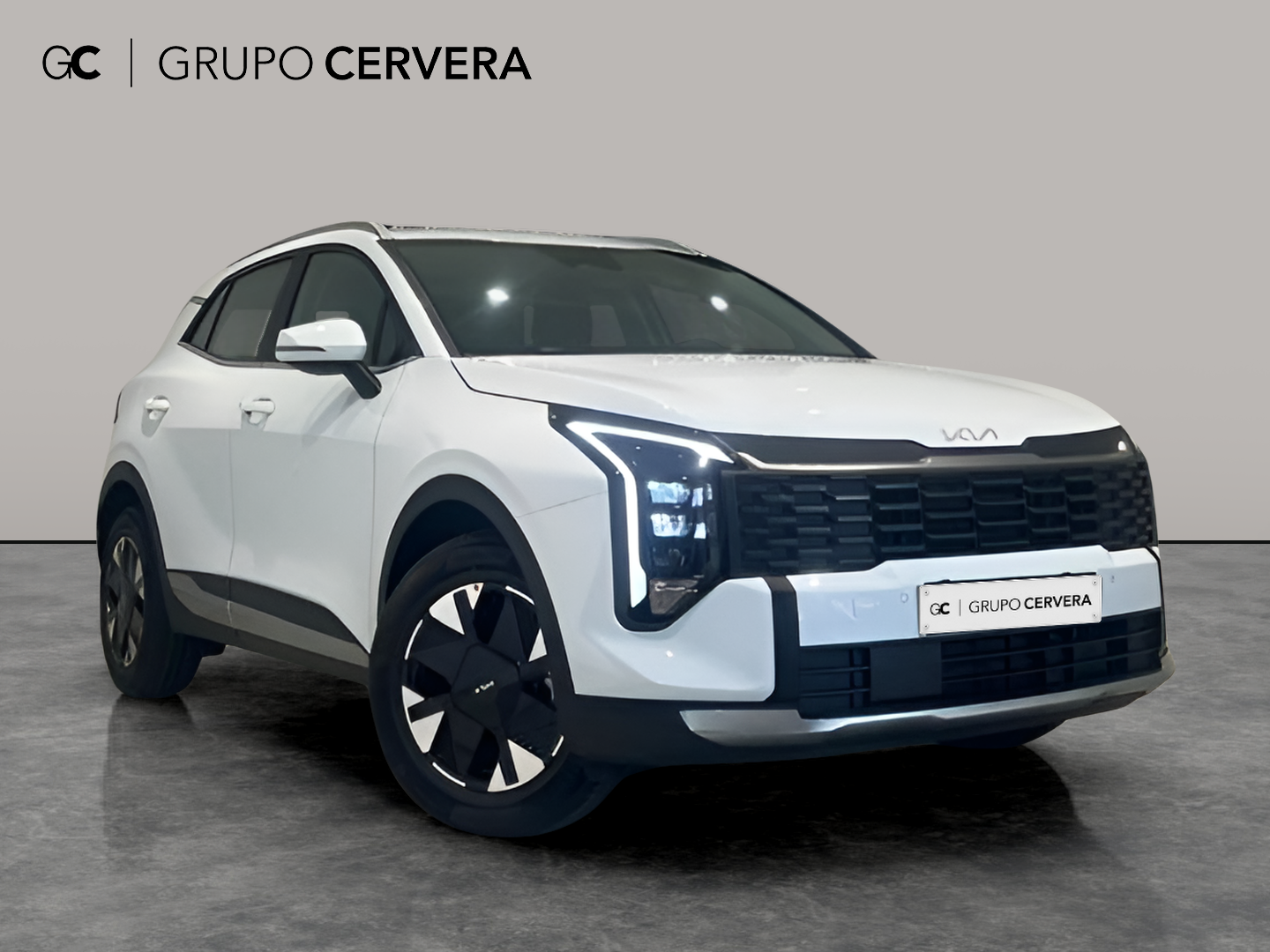
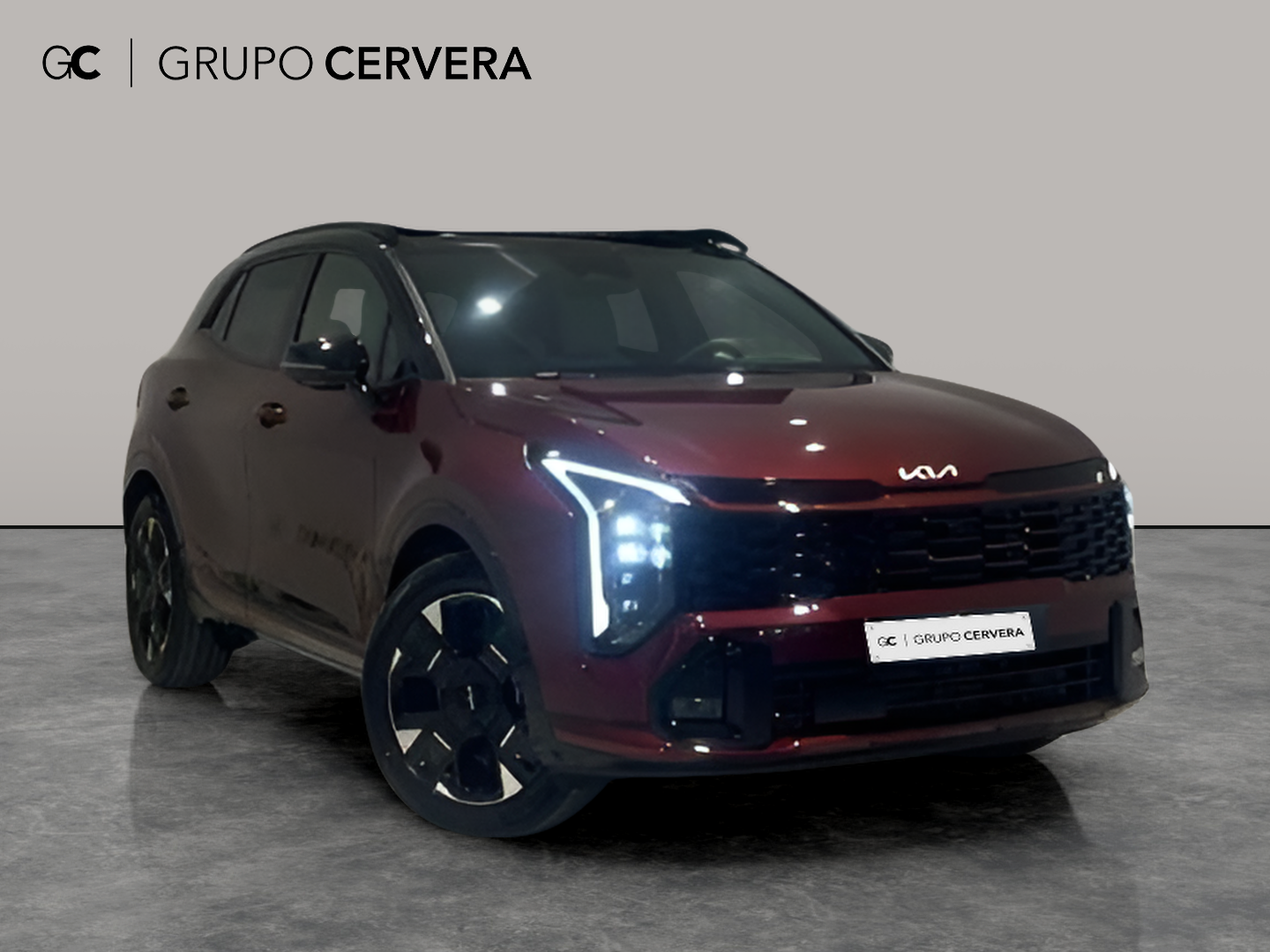
2019, gasoline, manual, 111K km, SUV, Front Wheels Drive, 1,591 cm3, 132 hp, Euro 6, white, 1.6 GDi Emotion 4x2 97 kW (132 CV), Used condition, In stock

GrupoCervera.com
 Spain, Castilla y León






















 Spain, Castilla y LeónSpain, Castilla y LeónSpain, Castilla y LeónSpain, Castilla y LeónSpain, Castilla y LeónSpain, Castilla y LeónSpain, Castilla y LeónSpain, Castilla y LeónSpain, Castilla y LeónSpain, Castilla y LeónSpain, Castilla y LeónSpain, Castilla y LeónSpain, Castilla y LeónSpain, Castilla y LeónSpain, Castilla y LeónSpain, Castilla y LeónSpain, Castilla y LeónSpain, Castilla y LeónSpain, Castilla y LeónSpain, Castilla y LeónSpain, Castilla y LeónSpain, Castilla y LeónSpain, Castilla y LeónSpain, Castilla y LeónSpain, Castilla y León
If you are shopping Kia in Europe, the smartest first step is not picking a model name. It is deciding what kind of ownership experience you want from the listing in front of you. Kia can appear in very different roles on the used market: sensible city car, family crossover, practical estate, newer car with warranty history, or older budget commuter that only looks cheap until you add missed maintenance. That means your shortlist should start with use case, condition, and seller quality, not just badge and monthly budget.
A good Kia listing usually tells you quickly whether it deserves your time. Compare age, mileage, service history, equipment, tire condition, and photo quality together rather than in isolation. A lower-mileage car is not automatically the better buy if the seller is vague about maintenance or if the car looks heavily used inside. Likewise, a higher-mileage Kia can still be worth viewing when the ad shows clear service notes, consistent condition, and a seller who explains what has been done recently.
In the eu market, buyers often jump too early between body styles without asking a simpler question: does this particular Kia fit your daily reality? If you mostly drive in traffic and park on narrow streets, a large crossover that looks attractive in photos may become annoying fast. If you do long family trips, the cheapest small hatchback in the results may stop feeling like a bargain after one weekend away. When you compare listings, write down three non-negotiables before messaging anyone: cabin space, transmission preference, and acceptable maintenance unknowns. That small filter saves a lot of wasted calls.
This is where weak offers often give themselves away. Serious Kia sellers usually photograph the car in daylight, show all four corners, the interior, the cargo area, and at least a few close shots that support the written description. If the ad says full history but shows no service book, invoices, dashboard, or document details, ask for them before arranging a visit. You are not asking for perfection; you are checking whether the story and the evidence match.
The wording matters too. A careful seller tends to mention ordinary ownership details: when the last service was done, whether there are two keys, what tires are fitted, and which cosmetic flaws are already known. A weak listing often hides behind short phrases like “everything works,” “no investment,” or “best price today,” while saying almost nothing specific. Response style is another clue. If a seller answers direct questions about maintenance, registration papers, warning lights, and ownership duration with short evasive replies, that Kia may not be worth a long trip. On the other hand, a concise but precise seller can be a very good sign.
One useful trick: look for consistency between photos and claimed use. A Kia advertised as lightly used but shown with worn seat bolsters, a shiny steering wheel, mismatched tires, and no document photos deserves a slower, more skeptical read. None of those details proves a bad car on its own. Together, they tell you to verify more before you invest time.
Most shoppers do not need the most interesting Kia in the results. They need the one that will be easiest to own. That changes how you compare cars for sale. Instead of asking which listing looks cheapest, ask which one is easiest to verify. Can the seller describe the maintenance history clearly? Are the photos recent and complete? Is the equipment level presented honestly? Does the condition make sense for the mileage? Can the seller explain why the car is being sold?
This matters because the used Kia market often contains cars that look similar in thumbnails but differ a lot in ownership risk. One ad may offer slightly higher mileage but better documentation and cleaner presentation. Another may tempt you with lower mileage and stronger cosmetics, yet feel strangely thin on details. Buyers often overpay for visual freshness and under-value transparent ownership history. In practice, the second mistake is usually more expensive.
Ask for the VIN if it is not shown, ask whether servicing was done on schedule, ask what works and what does not, and ask for cold-start behavior if you are considering a long trip to inspect the car. If the listing mentions recent maintenance, ask exactly what was replaced and when. If the car has visible aftermarket changes, ask whether original parts are available. For any Kia you are serious about, request extra photos of the dashboard, seats, wheels, and any damaged area. A genuine seller rarely minds practical questions from a prepared buyer.
With Kia, the strongest listing is not always the flashiest one. In many search results across Europe, the more trustworthy offer is the ad that feels slightly boring: clean photos, plain wording, realistic condition, sensible equipment description, and no dramatic promises. That kind of seller usually understands that serious buyers care about predictability more than excitement.
There is also a useful comparison habit here. When you are down to two or three Kia options, stop comparing them only to each other and compare them to what else the same money buys outside the brand. Not because you should leave Kia, but because that test sharpens your judgment. If a Kia listing still looks balanced on condition, documentation, and everyday usability after that comparison, it is probably worth viewing.
A final point many buyers overlook: the best Kia offer is often the one that answers your doubts before you ask all of them. If the listing and seller already show care, clarity, and consistency, you are usually starting from a much better place.
 Add as preferred sourceSee more from zvelta in Google Search Add as preferred source