 EN
ENDEALER
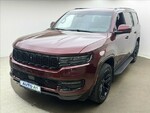
66.849 US$DEALER
2022, gasoline, automatic, 101K km, sedan, 5,654 cm3, 392 hp, 5,7 V8 VZDUCH 7-MÍST DPH 360°, Used condition, USA, In stock

autoa1.cz
 Czech Republic, Olomoucký kraj






















 Czech Republic, Olomoucký kraj
A Jeep Wagoneer can look tempting in a small-results market for one simple reason: scarcity changes how people shop. When there may be only one active Jeep Wagoneer listing across the EU market, the job is not to rush because it exists. The job is to decide whether that exact car deserves your time, your inspection, and eventually your money. With a rare listing, buyers often become too forgiving. That is where mistakes start.
The first good move is to treat the available Jeep Wagoneer as a candidate, not a destiny. Read the offer with a cool head. Compare the seller's description with the photos, the claimed condition with the visible wear, and the equipment mentioned with what you can actually identify. If the ad is thin, vague, or oddly defensive, that matters even more when market availability is limited. Scarcity should make you more selective, not less.
A serious buyer looking at used Jeep Wagoneer cars for sale should build a simple comparison frame even if there are very few direct alternatives. Compare age, mileage, service history, ownership story, visible condition, and how complete the documentation appears to be. Then compare the car indirectly with other large SUVs in the same shopping bracket. That helps you avoid overpaying just because the badge and rarity feel special on the day you are browsing.
This is where weak offers usually reveal themselves. A strong Jeep Wagoneer listing tends to show the car calmly and clearly: full exterior angles, interior, driver's area, cargo space, wheels, and a few honest close-ups of wear if wear exists. A weak one often hides behind dramatic angles, dark photos, or too many tight crops that somehow never show the whole vehicle. If the seller mentions "excellent condition" but avoids the seats, steering wheel, tailgate area, or instrument cluster, take that as a prompt to ask better questions.
Wording matters too. Sellers who know their car usually describe recent maintenance in plain language, mention what has been replaced, and separate facts from opinion. Sellers who rely on fluff often write around the substance: "runs perfect," "needs nothing," "must see," and little else. For a Jeep Wagoneer, ask for service notes, the VIN if appropriate for your checking process, registration details, and photos of documents that confirm the ownership trail where legally and practically possible. A careful, prompt, specific reply is a positive signal. Delayed answers, evasive wording, or irritation at normal questions often tell you more than the ad itself.
Here is a less obvious clue that experienced buyers notice: some sellers describe the car as if they have lived with it, while others describe it as if they met it yesterday. The first type might mention when a warning light last appeared, what kind of trips the Jeep Wagoneer was used for, or which small fault they never bothered to fix. The second type repeats generic phrases and avoids details. That does not automatically mean the car is bad, but it does tell you how much trust you should place in the story.
Before you spend time on calls or travel, send a compact set of useful questions. Ask whether the mileage is documented, whether there is service history, whether the seller can describe the latest maintenance, and whether there are any current faults, warning lights, leaks, unusual noises, or gearbox concerns. Ask if all major features work and whether there are known cosmetic issues not visible in the photos. The point is not to interrogate the seller. The point is to see whether the answers arrive clearly, consistently, and without theatrical confidence.
For a used Jeep Wagoneer, also ask why the car is being sold now. Good sellers usually have a normal, boring answer. Strange urgency, a constantly changing story, or pressure to leave a deposit quickly should cool your interest. If the response style becomes slippery when you ask about maintenance records or paperwork, you may already have enough information to move on.
Because the Jeep Wagoneer may appear only occasionally in the EU market, buyers can fall into two traps: assuming rarity means quality, or assuming unfamiliarity means risk. Better to stay in the middle. Look at the vehicle as a package. Does the condition support the asking logic? Does the ownership story make sense? Does the seller behave like someone who maintained the car, or like someone trying to pass a problem along?
Indirect comparison is useful here. Even if you cannot line up several Jeep Wagoneer listings side by side, you can still compare cabin wear against mileage claims, compare equipment completeness against the tone of the asking price, and compare the seller's transparency against what serious sellers of premium large SUVs usually provide. The rarer the car, the more valuable transparency becomes.
If the listing and seller communication are solid enough to justify a visit, go there expecting to verify the story. Check whether panel gaps, paint tone, glass markings, tire condition, seat wear, and switchgear use all match the car's presentation. Start it cold if possible. Listen, watch the dash, and pay attention to how the seller behaves during the first few minutes. Sellers with nothing to hide rarely try to distract you from the basics.
A test drive should not be treated as a formality just because a Jeep Wagoneer is uncommon. Let the drive answer simple questions: does it feel coherent, cared for, and honestly represented? If yes, then the next step is documentation and inspection. If not, scarcity is not a reason to compromise.
The smartest way to buy a Jeep Wagoneer is to stay calm when the market is thin. One listing can still be a bad listing. A serious seller makes the decision easier with good photos, straight answers, service evidence, and a story that holds together. If those pieces are missing, the strongest buying move may be patience.
 Add as preferred sourceSee more from zvelta in Google Search Add as preferred source