EN
ENDEALER

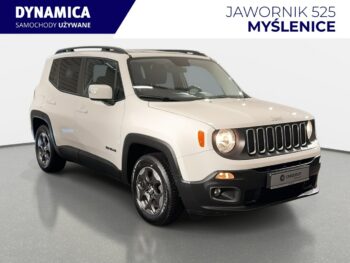
2019, diesel, manual, 188K km, SUV, 140 hp, white, 2.0 Mjet 103kW (140CV) Night Eagle 4x4, Used condition, Europa, In stock, sale date 19.10.2026 06:45

CarOutlet.eu
 Spain
SpainAuction starts
19 Oct, 06:45






















 SpainSpainBelgiumBelgiumNetherlandsNetherlandsFranceFranceFranceFrance
 Poland, Lesser Poland VoivodeshipPoland, Lesser Poland VoivodeshipItalyItalyItalyItalyItalyItalyRomania, Bihor
 Romania, ClujRomania, Cluj
 Romania, Cluj
 RomaniaRomaniaRomania
A Jeep Renegade can look easy to buy online because many ads seem to promise the same thing: tidy photos, decent equipment, and “well maintained” in one short line. The trap is that similar-looking listings can hide very different ownership stories. If you are shopping for a Jeep Renegade for sale in Europe, the smart move is not to fall in love with the first attractive example. Start by separating the listings that are merely presentable from the ones that are actually worth your time.
Before you message any seller, compare three things side by side: photo quality, description quality, and document clarity. A strong Jeep Renegade listing usually gives you enough material to form a first opinion without guessing. You want clear exterior photos from multiple angles, cabin shots that show wear rather than hiding it, and at least some useful details about service history, mileage, gearbox, engine, and equipment.
A weak offer often reveals itself by omission. If the seller talks about “top condition” but avoids showing the steering wheel, seat bolsters, boot area, or close-ups of body panels, slow down. If the mileage is given but there is no mention of maintenance records, ask why. If the car is advertised as carefully owned yet the description feels copied from a template, treat that as a reason to verify more, not less.
This matters even more with the Jeep Renegade because buyers often cross-shop it emotionally as much as logically. Its style can make people forgive thin paperwork or vague answers. That is exactly how average cars get presented as special ones.
When a shortlist contains several Jeep Renegade offers that appear close in age, mileage, and price position, buyers often focus too much on color, wheels, or screen size. Those details matter, but not before you understand the ownership pattern. Try grouping listings into three buckets: convincing history, incomplete history, and history still unproven.
That small shift helps you avoid a common mistake in the EU used market: assuming that a neat imported car and a neat locally sold car carry the same level of transparency. They may not. Ask the seller when and where the Jeep Renegade was registered, whether service invoices are available, whether there were accident repairs, and whether the current owner has used the car long enough to describe its habits honestly. A seller who answers directly is already easier to work with than one who keeps retreating into general claims.
One useful editorial tip: if two listings look equally good, the better seller usually wins. Not the nicer car in the photos, the better seller. The person who can explain why certain tyres were fitted, when fluids were last changed, or why a panel was repainted is often giving you more value than a polished ad with no depth behind it.
You do not need a dramatic checklist. You need a short set of questions that makes weak offers uncomfortable. Ask for the VIN, ask whether the service book and invoices match the mileage story, ask if there are warning lights on startup, and ask how the engine and transmission behave when cold. Also ask what does not work as it should. That last question is underrated; honest sellers usually mention minor faults without much theatre, while vague sellers tend to return to “everything is perfect.”
For a used Jeep Renegade, cabin condition can tell you almost as much as exterior shine. Compare the wear on the driver’s seat, pedals, steering wheel, buttons, and load area with the advertised mileage. None of these items proves fraud on its own, but together they can tell you whether the story feels coherent. If a seller avoids showing those areas in photos, request them before arranging a visit.
Also ask whether there are two keys, what maintenance was done recently, and whether any features are inoperative. A listing with slightly higher mileage but straightforward answers can be a safer bet than a lower-mileage Jeep Renegade wrapped in evasive language.
A less obvious clue is how the seller positions the car. Some Jeep Renegade ads try too hard to sell a lifestyle, not a vehicle. That can be harmless, but when the description is full of attitude and empty of facts, you are being asked to buy the image first and inspect later. Reverse that order. On this model especially, attractive branding can distract from ordinary but important checks: document consistency, maintenance rhythm, tyre condition, signs of previous repairs, and whether the specification on the ad matches what is actually in the photos.
Another subtle signal is timing. If a Jeep Renegade listing has been refreshed repeatedly but the description is still vague, the issue may not be the market; it may be the offer. By contrast, a modest ad with complete information often deserves a call even if the photos are not studio quality. Serious owners do not always market cars beautifully, but they tend to describe them clearly.
The best Jeep Renegade offer is rarely the one that shouts the loudest. It is the one where mileage, visible condition, paperwork, seller answers, and equipment all line up into a believable whole. Compare listings patiently across the European market, but do not confuse more choice with better choice. The point is not to inspect every car for sale. It is to identify the few that make sense before you spend time travelling, calling, or negotiating.
If you are deciding between several new or used listings, reward clarity. A seller who provides usable details helps you judge the car before you arrive. A seller who keeps everything blurry is asking you to take the risk first. With a Jeep Renegade, that distinction can save you from a disappointing viewing and steer you toward the example that feels right on paper before it has to prove itself on the road.
 Add as preferred sourceSee more from zvelta in Google Search Add as preferred source