 EN
ENDEALER
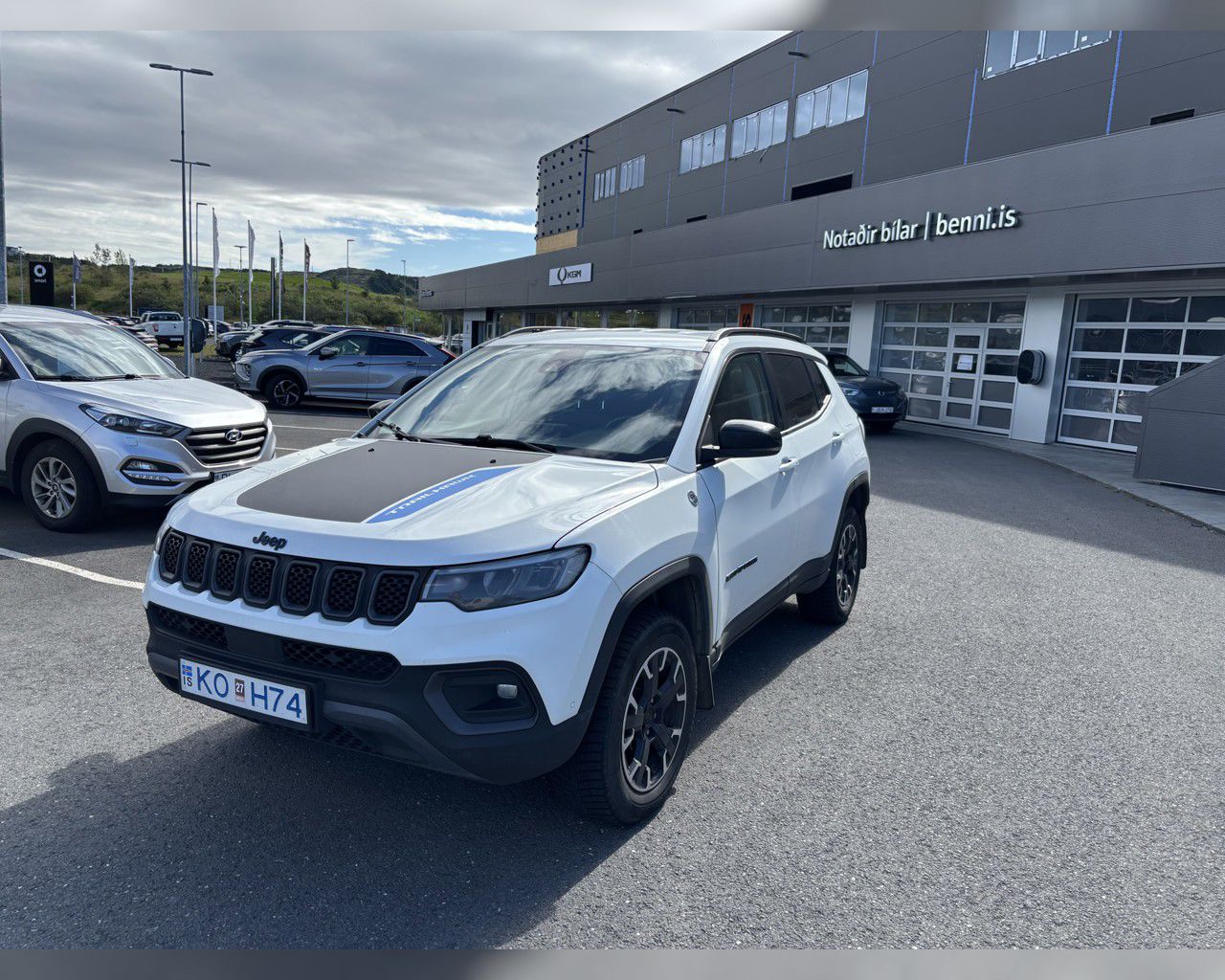
23.792 US$DEALER
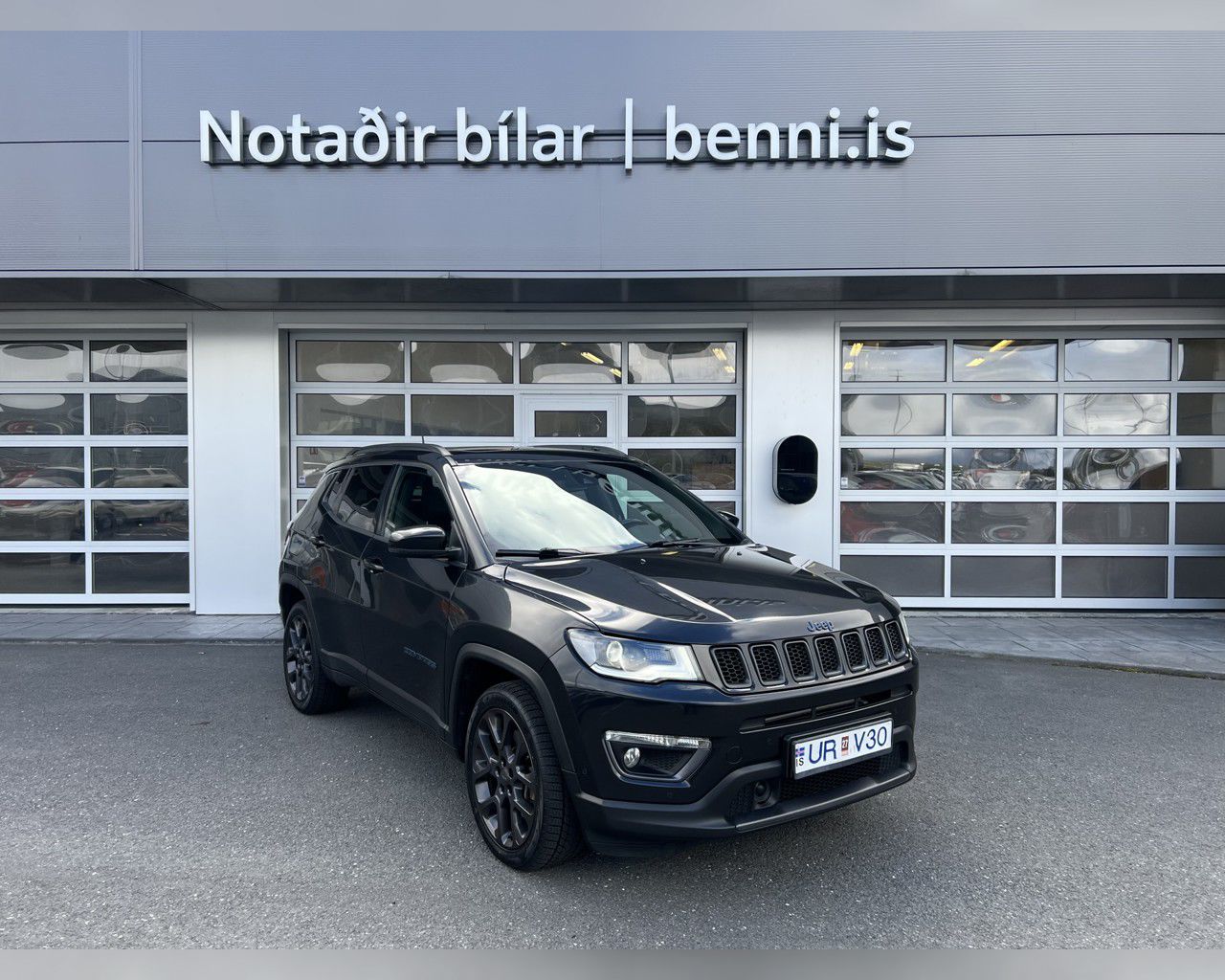
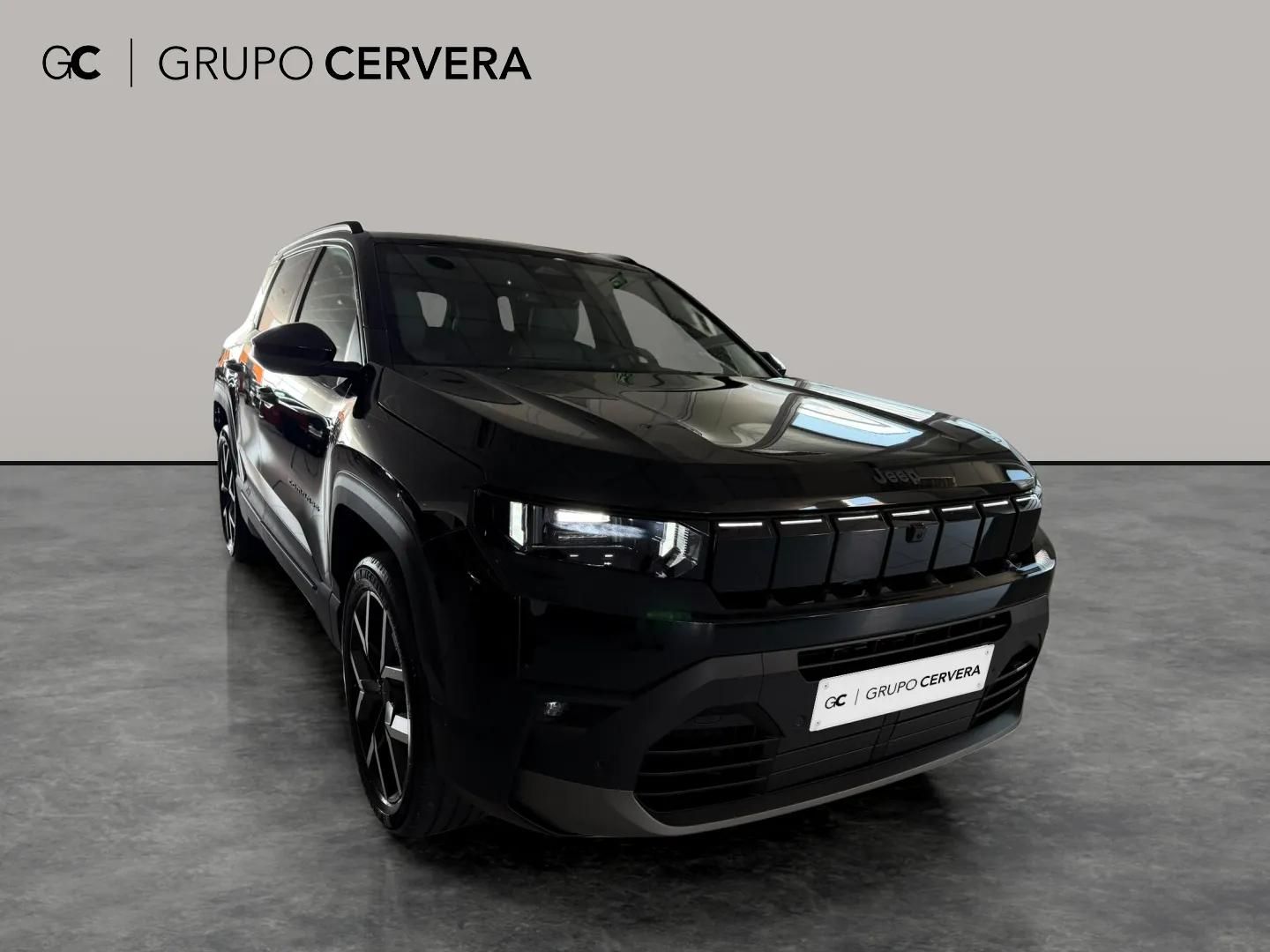
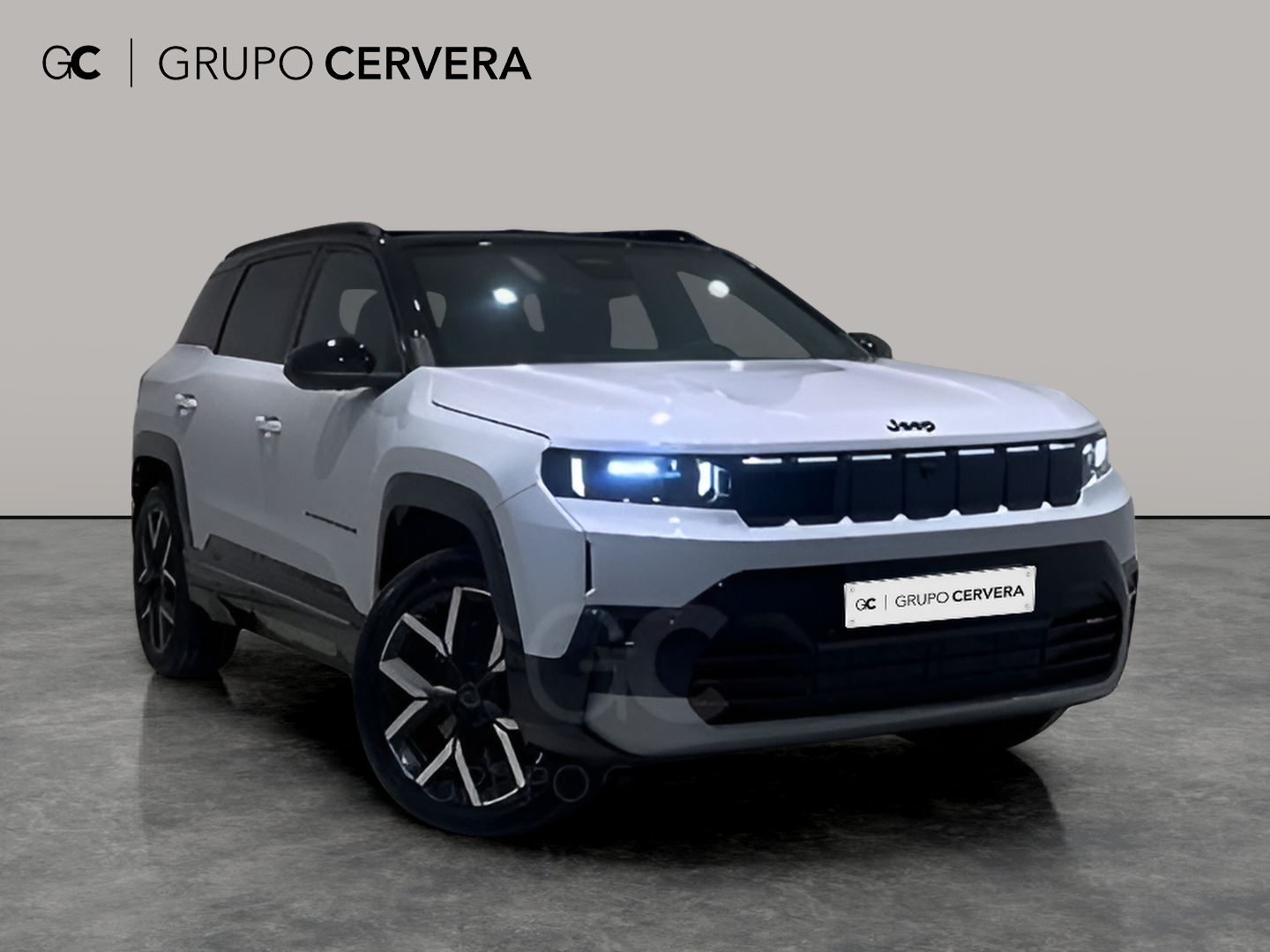
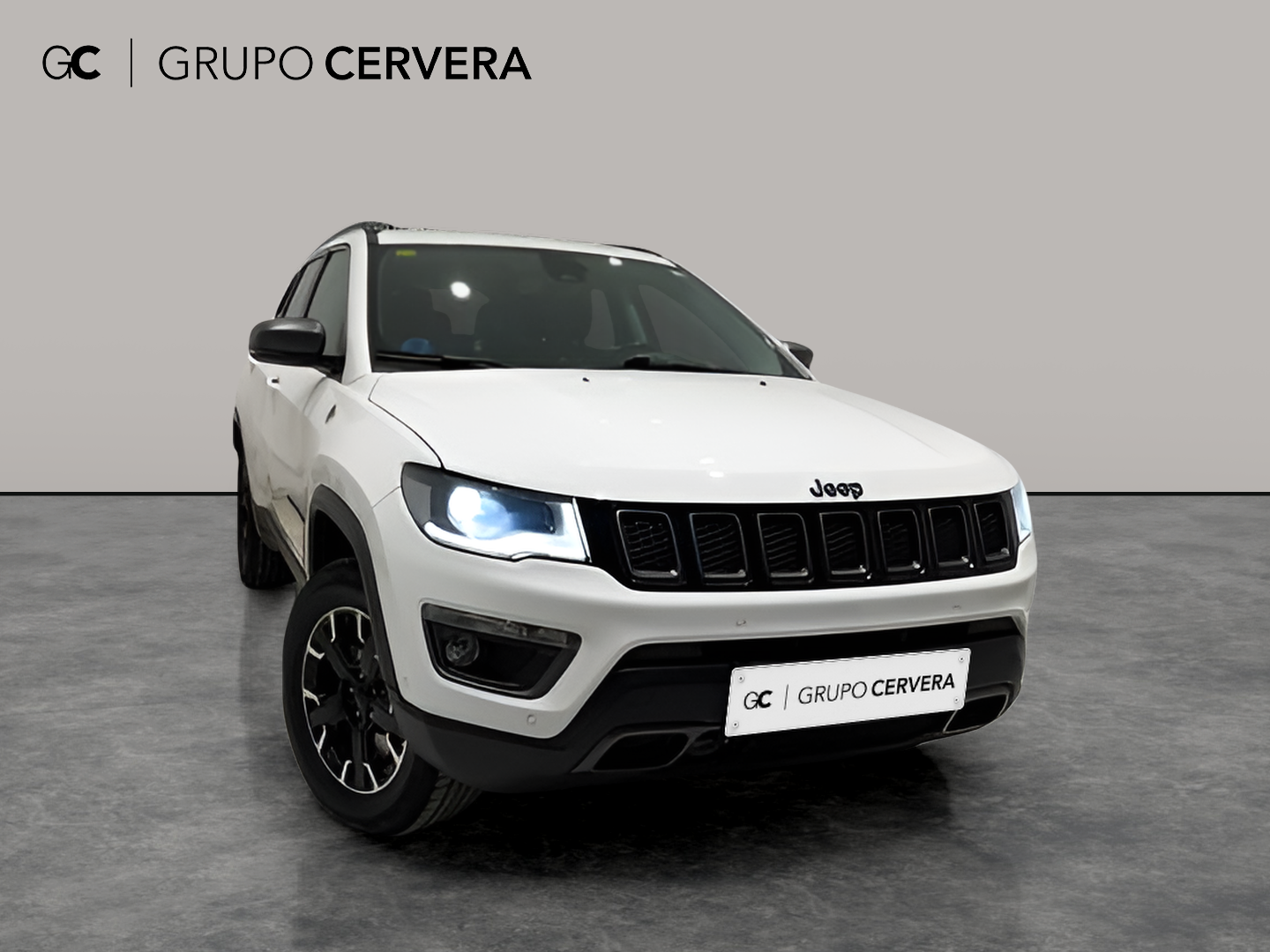
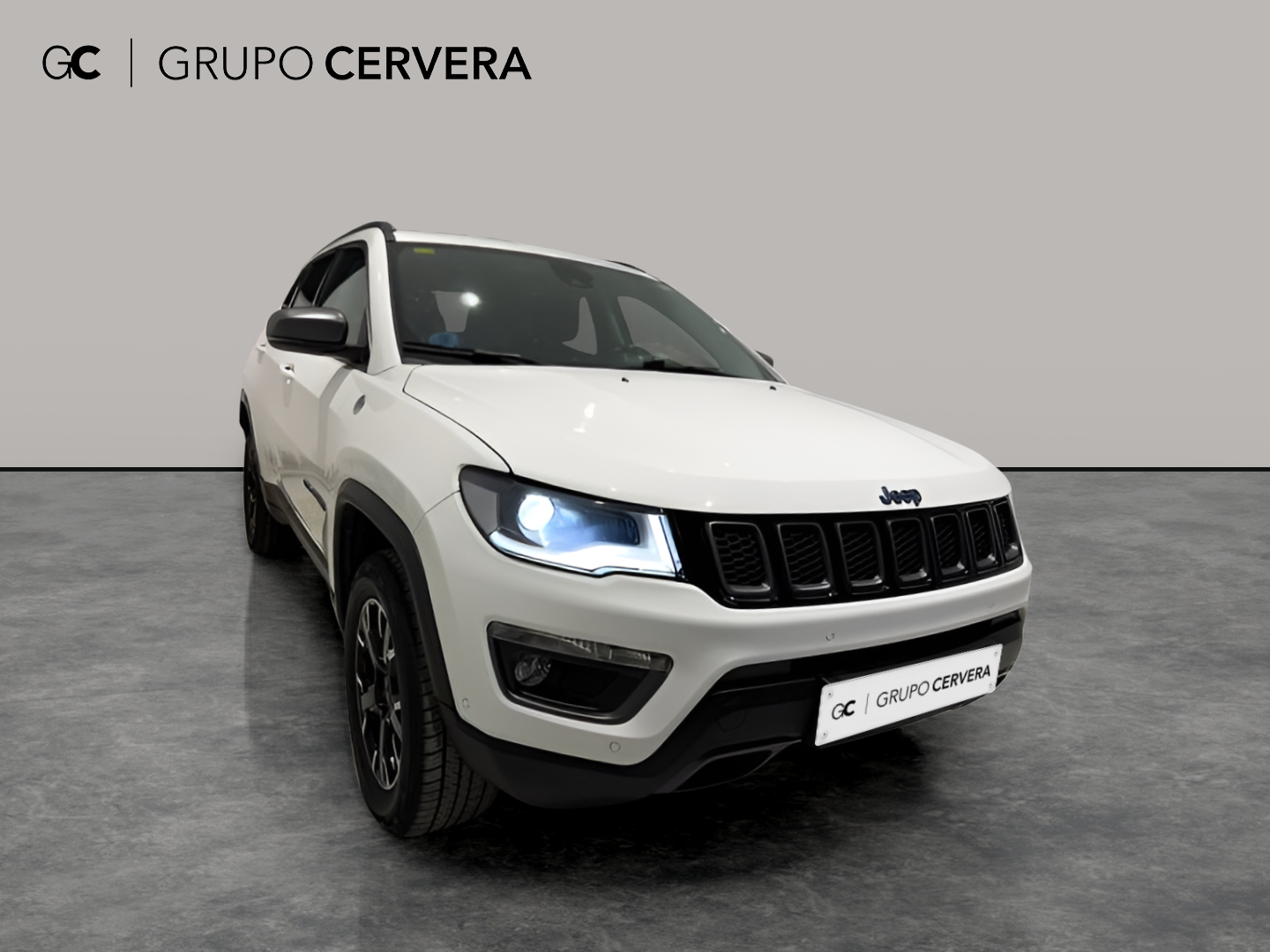
2022, gasoline, automatic, 123K km, All Wheels Drive, 180 hp

notadir.benni.is
 Iceland





















 IcelandIcelandIcelandReykjavík, IcelandIcelandIcelandIcelandReykjavík, IcelandReykjavík, IcelandIceland
 Spain, Castilla y LeónSpain, Castilla y LeónSpain, Castilla y LeónSpain, Castilla y LeónSpain, Castilla y LeónSpain, Castilla y LeónSpain, Castilla y LeónSpain, Castilla y LeónSpain, Castilla y LeónSpain, Castilla y León
 BelgiumBelgiumBelgiumBelgiumBelgium
If you are shopping for a Jeep Compass in Europe, the smart move is to narrow the trip before you narrow the car. With only a limited number of listings on the market at any one time, the temptation is to chase the first decent-looking ad, especially if the photos are clean and the mileage sounds reasonable. Resist that. The better approach is to compare several Jeep Compass offers side by side, work out which ones justify a call, and only then decide whether a local viewing or a longer cross-border trip makes sense.
This is one of those models where search behavior matters almost as much as equipment. A Jeep Compass found near you may be easier to inspect quickly, but a similar car in another part of the EU can still be worth considering if the ad is stronger, the history is clearer, and the seller communicates well. Location changes the buying logic: if you may need a train, a flight, or a full day on the road to see the car, weak listings should be rejected early. A sparse description, badly lit photos, missing dashboard shots, or vague wording about service history are not minor issues when inspection logistics are harder.
Before you contact anyone, compare the basics across multiple Jeep Compass cars for sale: year, mileage, gearbox, engine description if provided, trim cues, wheel size, visible wear, and whether the seller shows the paperwork rather than simply claiming it exists. In a local search you might forgive a thin ad and go take a look. In a Europe-wide search, the ad has to do more work.
A promising Jeep Compass listing usually gives you confidence in small ways. The photos tend to be consistent rather than theatrical. You can see the seats, steering wheel, cargo area, instrument cluster, and not just three flattering angles after a wash. The seller mentions maintenance in plain language, not just "full service" with no detail. If the ad includes recent work, tire condition, two keys, or notes about cosmetic flaws, that is often more useful than polished sales language.
A weaker offer usually reveals itself by omission. Watch for sellers who avoid showing the interior closely, skip cold-start information, or never mention how long they have owned the Jeep Compass. If the mileage is attractive but the wear on the driver's seat, wheel, or switchgear looks heavy, ask for explanation before arranging anything. If the car is being sold far from you, ask for a walkaround video and a start-up video. A serious seller will usually understand why that matters.
One of the easy mistakes with the Jeep Compass is treating every listing as broadly interchangeable. They are not. Even when two cars seem similar on paper, the ownership story can make one much more appealing. A car that has clearly been used for regular commuting and maintained on time may be a better buy than a flashier example with lower mileage but patchier records.
Ask practical questions that help you avoid assumptions: When was the last service? Are there invoices, stamps, or digital records? Has the transmission had any recent work or software updates if applicable? Are there warning lights on start-up? Do all driver assistance and infotainment functions work as they should? Has the seller used the car on short urban trips mostly, or longer motorway runs? None of these answers alone proves quality, but together they tell you whether this Jeep Compass has been owned with care.
There is also a useful market nuance here. Buyers searching across Europe often overvalue rarity and undervalue clarity. A rare color, a larger screen, or a panoramic roof can pull attention fast, especially when the overall number of available Jeep Compass listings is not huge. But if the better-equipped car comes with thin history, poor photos, or a seller who dodges basic questions, the less glamorous example may be the smarter purchase. Distance makes honesty more valuable than spec.
Treat a longer inspection journey as something the seller has to earn. A Jeep Compass is worth traveling for when the ad is complete, the documents seem organized, the seller answers directly, and the car's condition looks coherent across photos, history, and conversation. Ask for the VIN where appropriate, extra close-ups of typical wear areas, and confirmation that the car can be seen cold. If the seller becomes defensive about simple checks, save your time.
If you do plan a visit, prepare like a buyer rather than a dreamer. Bring a short list of must-confirm points: body panel consistency, tire brand matching, infotainment operation, climate control, parking sensors or camera if fitted, warning lights, service evidence, and how the engine and gearbox behave from cold and at low speed. On a Jeep Compass, the test drive should feel like a fact-finding step, not a ceremony after you have already fallen for the car.
Used SUV listings can sometimes hide delayed maintenance behind decent presentation. That matters with any car, but it matters more when you are considering a Jeep Compass that may have changed hands through different markets or owners. Look for signals that routine upkeep was handled on time rather than only just before sale. Fresh cleaning is nice; fresh records are better.
If a seller talks more about monthly running comfort than about maintenance paperwork, slow down. If they describe the car as "needs nothing" but cannot show recent service details, slow down again. A good Jeep Compass offer should make you feel that the seller understands the car as an ownership responsibility, not just a product to move on quickly.
The Jeep Compass often attracts buyers who want compact SUV practicality with a more distinctive badge presence than some mainstream alternatives. That can be a perfectly good reason to shop one, but it should not stop you from comparing value honestly. When you review used Jeep Compass listings, check whether you are paying for true condition and documented care, or simply reacting to styling, wheels, or a tidy first photo.
If you stay patient, compare several offers, and let listing quality guide your travel effort, the right Jeep Compass becomes easier to spot. The best ad is rarely the loudest one. It is usually the one that makes the next step feel calm: enough detail to trust the trip, enough transparency to justify a closer look, and few enough unanswered questions that you are not walking into someone else's problem.
 Add as preferred sourceSee more from zvelta in Google Search Add as preferred source