 EN
ENDEALER

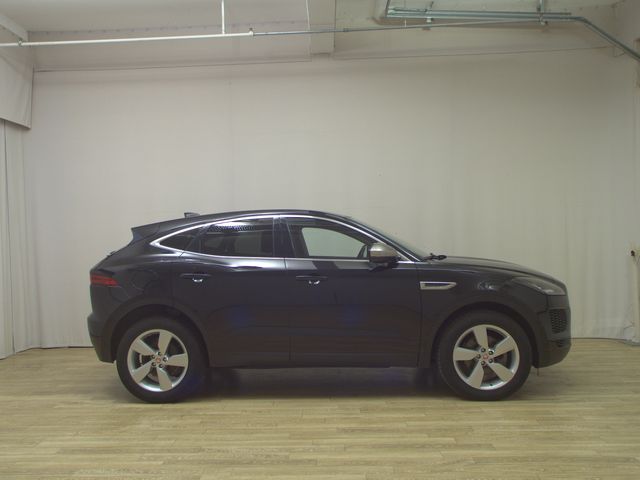
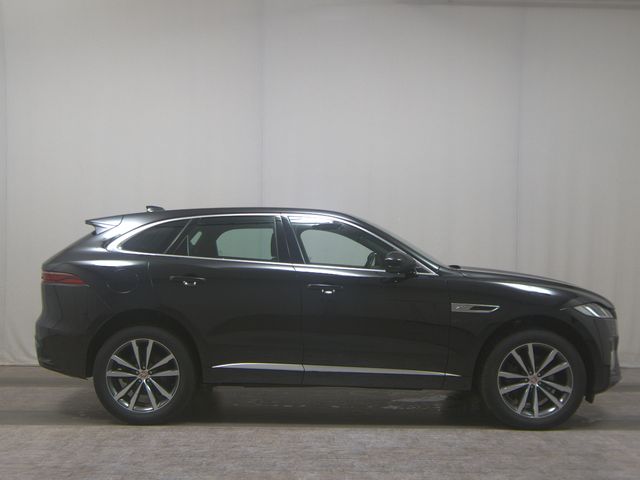
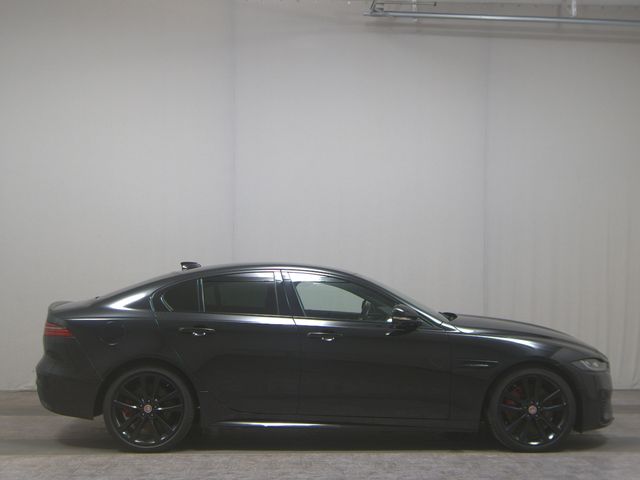
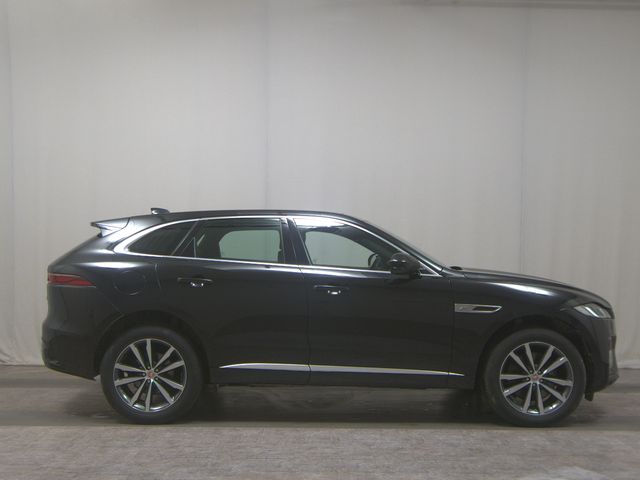
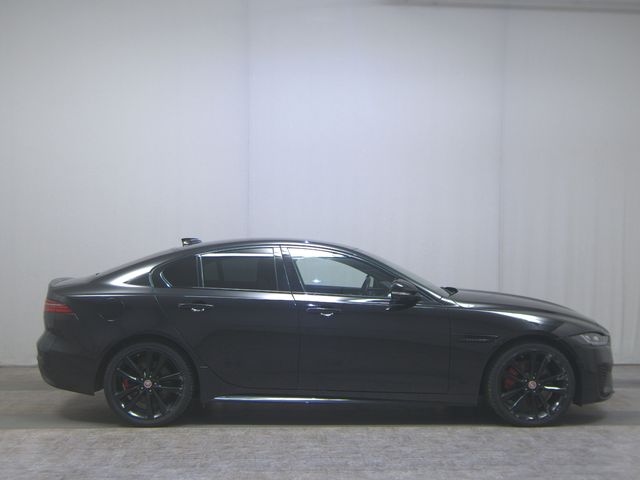
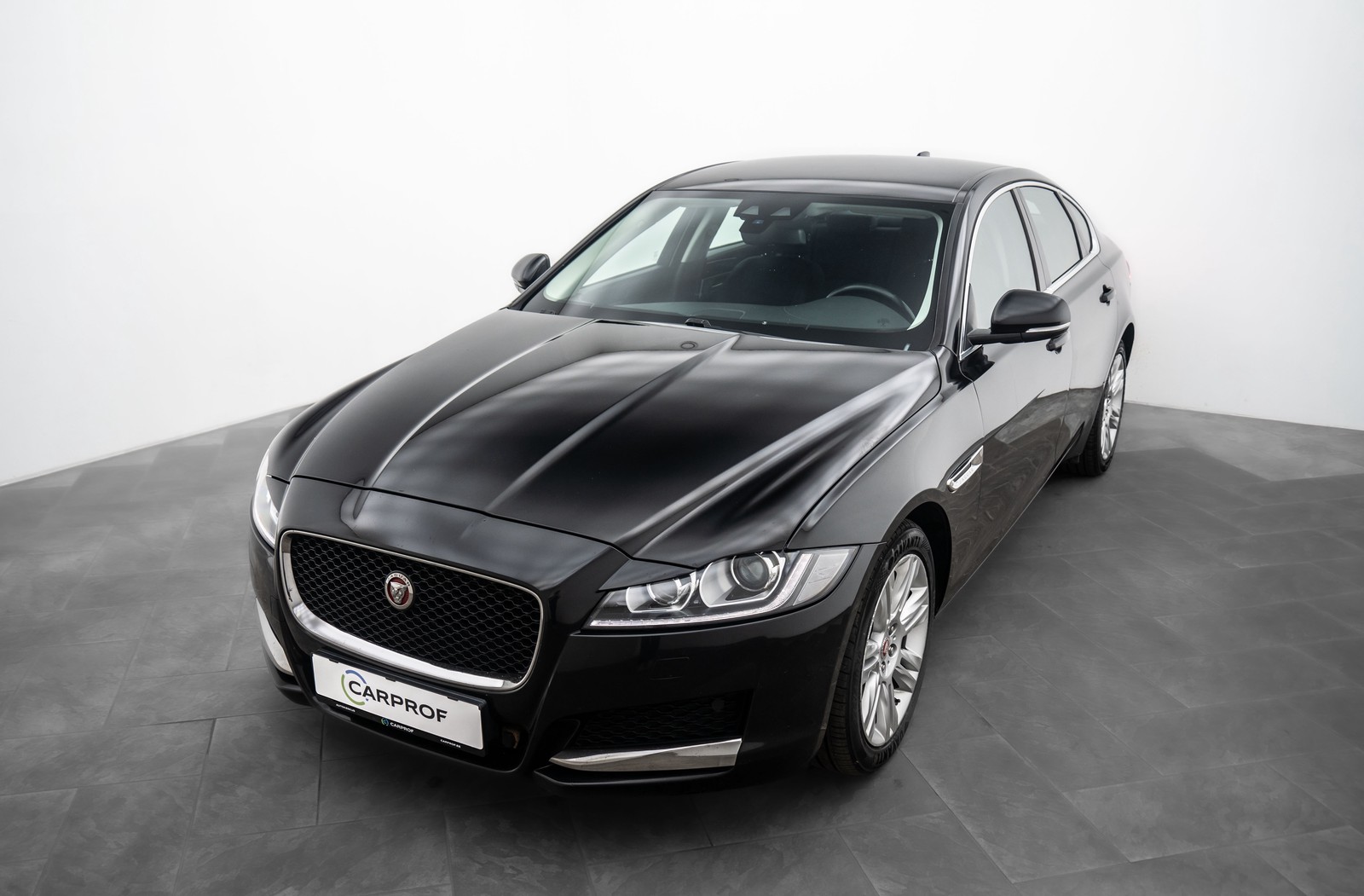
2022, hybrid, manual, 61K km, SUV, 204 hp, 2.0D I4 204PS AWD Auto MHEV Standard SE, Used condition, Europa, In stock, sale date 19.10.2026 06:45

CarOutlet.eu
 Spain
SpainAuction starts
19 Oct, 06:45






















 SpainBelgiumBelgiumBelgiumBelgiumBelgiumBelgiumBelgiumBelgiumBelgiumNetherlandsFranceFranceFranceFranceLuxembourg
 Germany, Lower SaxonyGermany, Lower SaxonyGermany, Lower SaxonyGermany, Lower SaxonyBockel, Germany
 Germany
 Germany
 Estonia, HarjumaaEstonia, Harjumaa
If you are shopping for a Jaguar in Europe, the biggest mistake is treating every attractive listing as equally worth your time. With a brand like Jaguar, the photo set can flatter a car far more than the ownership history does. Start by separating the cars that merely look expensive from the ones that look properly kept. A Jaguar can be a deeply satisfying buy when the condition, paperwork, and seller attitude line up; it can also become an expensive lesson if you let badge appeal replace basic checks.
When you compare Jaguar cars for sale, read the listing as a story about ownership. Is the description specific about maintenance, recent work, warning lights, keys, tires, and service records? Or is it mostly style words and dramatic claims? With Jaguar, weak listings often hide behind elegant photos, low-detail descriptions, and vague phrases like “drives perfectly” without saying what has actually been serviced. Before you message anyone, compare mileage, registration documents, equipment, interior wear, and whether the car is presented as a used luxury car that has been maintained or simply moved on quickly.
A good first question is not “What is your best price?” but “What has been done in the last 12 months, and what still needs attention?” That usually tells you more than ten glamour photos. If the seller can explain routine maintenance calmly and in sequence, the offer is already stronger. If answers stay fuzzy, or the conversation becomes defensive the moment you ask about service history or faults, that Jaguar may not be worth a trip.
In a multi-country market, the search journey changes the buying logic. You may spot one Jaguar nearby, another several borders away, and a third in a region where inspection logistics are harder to organize. That matters. A cheap-looking offer can stop being cheap once travel, independent inspection, transport, and registration friction are added. Buyers often rush when they see a rare color or attractive wheel design, but Jaguar shopping usually rewards patience more than speed.
The practical move is to group listings by inspection realism. Which cars can you see quickly? Which ones let you bring a specialist or arrange a pre-purchase check without turning the process into a mini expedition? When two Jaguar offers look similar on screen, the one with clearer documents, easier viewing logistics, and a seller willing to cooperate with inspection often becomes the better deal. A long-distance purchase is not automatically wrong, but it should earn your trust with transparency. Ask for cold-start video, dashboard photos with the engine running, close-ups of wear areas, and images of the service book or invoices before you commit to travel.
Here is something experienced buyers notice: Jaguar listings often reveal more through restraint than through polish. A seller who shows seat bolsters, switchgear, trunk trim, wheel edges, and the engine bay is usually more credible than one who posts only beauty shots at sunset. Luxury-brand sellers sometimes assume the badge itself will carry the sale. Do not let it. On used Jaguar listings, ordinary details are often the useful ones: panel consistency, warning-free instrument cluster photos, matching tires, and signs that the car has been cleaned for inspection rather than staged for admiration.
That is especially relevant in the European market, where one buyer may be comparing a local offer with another car found through a wider regional search. The further the car is, the more the listing must do the work. A short ad with poor interior photos and no maintenance detail might still be worth a local look, but it is rarely worth a cross-border leap unless the seller becomes unusually open and organized.
Two Jaguars with similar mileage can represent very different futures. One may come from a careful owner who kept invoices, fixed small faults early, and chose sensible maintenance. Another may have been cosmetically prepared for sale while postponing the jobs that matter. That is why you should compare offers as ownership propositions: what are you really taking over on day one? Look for clues in tire brand matching, brake condition, dashboard messages, seat wear versus stated mileage, and whether the seller can explain recent inspections or repairs without searching for the paperwork mid-call.
It also helps to compare each Jaguar against sensible alternatives in the same price band. Not because you must leave the brand, but because comparison sharpens judgment. If a Jaguar listing looks expensive, ask what you are getting in return: cleaner history, better specification, more complete maintenance, fewer cosmetic compromises, or simply a seller who inspires confidence. If the answer is unclear, keep scrolling.
A useful Jaguar conversation is specific. Ask whether there are current warning lights, known oil or coolant issues, suspension noises, gearbox hesitation, non-working electronics, missing keys, accident repairs, or gaps in maintenance records. You are not accusing the seller; you are testing clarity. A serious seller usually appreciates serious questions. If the answers are tidy but unsupported, ask for photos or documents. If the listing says “excellent condition,” ask what that means in practical terms.
Also ask why the car is being sold now. Not because there must be a problem, but because honest answers tend to sound normal. The best used Jaguar listings usually come with a seller who understands the car well enough to discuss both its strengths and its imperfections. That balance is a strong signal. Absolute perfection, especially in a brief ad, is not.
Walk away when the story does not hold together. That can mean visible wear that clashes with low stated mileage, equipment mentioned in text but missing in photos, reluctance to share document images, or pressure to leave a deposit before basic questions are answered. Be equally careful with listings that feel copied, overly generic, or oddly light on ownership detail. With Jaguar, hesitation is often cheaper than optimism.
The right Jaguar listing usually feels coherent before you ever see the car: fair presentation, believable condition, usable history, and a seller who makes inspection easier rather than harder. In Europe, where your shortlist may stretch across several countries, that coherence matters even more. A smart buyer does not chase every shiny offer. They build a shortlist, compare the real ownership case behind each car, and travel only for the Jaguars that have already earned the trip.
 Add as preferred sourceSee more from zvelta in Google Search Add as preferred source