 EN
DEALER
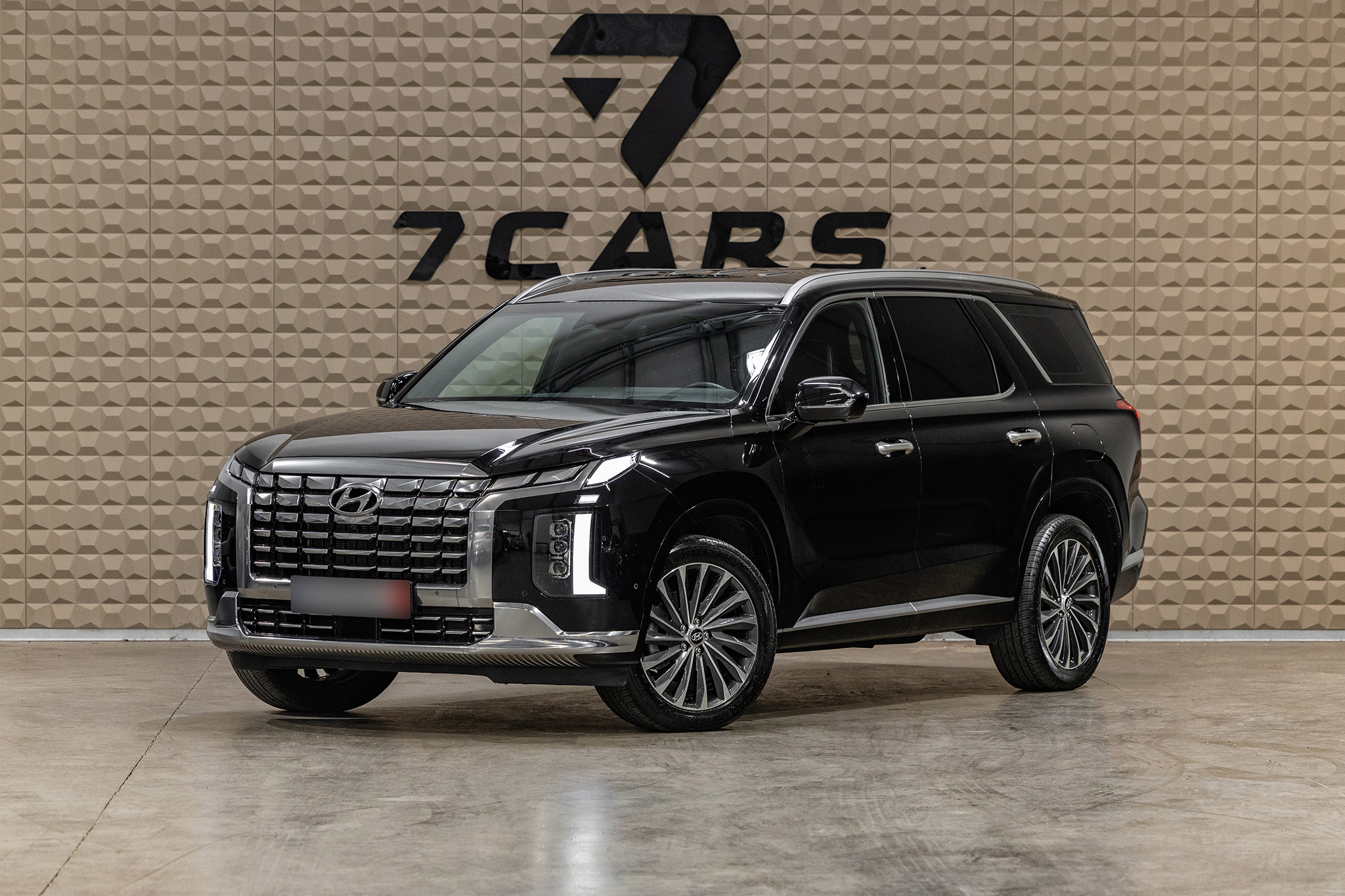
43.411 US$DEALER
43.949 US$
2023, gasoline, automatic, 33K km, SUV, All Wheels Drive, 3,778 cm3, 291 hp, Used condition, South Korea, In stock

7cars.bg
 Bulgaria, Sofia




















 Bulgaria, Sofia
If you are looking at a Hyundai Palisade in the EU market, the first useful thought is simple: treat each listing as an individual case, not as a model you will find on every corner. When availability is thin, weak ads can look more tempting than they should. That makes it even more important to slow down, compare what is actually shown, and decide whether the seller is presenting a well-kept Hyundai Palisade or just hoping the size and image of the car will do the selling for them.
A Hyundai Palisade usually enters a shortlist for space, family use, comfort and presence, so buyers can get emotionally attached fast. Resist that for ten minutes. Start with the hard signals visible in the ad: does the mileage make sense for the age, are the photos consistent with the written description, and is the equipment described clearly rather than vaguely? On a model that may appear only occasionally in EU used car listings, sellers sometimes lean on the badge and body shape instead of giving detail. That is exactly when you should ask for more, not less.
Compare listings by usefulness, not just price. A more expensive Hyundai Palisade with orderly photos, readable service notes and clear ownership documents can be a much better use of your time than a cheaper one with dark pictures, missing history and one-line answers. If two offers look similar, the better listing usually tells you more before you even make contact: recent maintenance, tyre condition, whether there are two keys, what has been replaced, and whether any cosmetic damage is already disclosed. Transparency saves you travel and often predicts a smoother inspection.
This is where a lot of buyers either save themselves a wasted trip or walk straight into one. A serious Hyundai Palisade seller usually behaves like someone who expects questions. The photos tend to be taken in daylight, with the same car shown from enough angles to understand its real condition. You may see close-ups of the seats, steering wheel, cargo area, wheels, and the wear points that people usually hide when a car has had a hard life. If the seller includes the service book, invoices, VIN area, or registration documents with sensitive details covered, that is often a strong sign of confidence.
Weak listings have their own language. Too many dramatic adjectives, not enough specifics. “Perfect car” and “full option” tell you almost nothing if there is no proof in the ad. A seller who avoids direct answers about maintenance, ownership length, accident repairs or warning lights is giving you information even while saying very little. Response style matters too. A short but clear reply is fine; a slippery reply is not. If you ask what was done at the last service and the answer keeps circling back to “car drives great,” treat that as a warning, especially in a market where you may not have many Hyundai Palisade offers to compare.
A good call or message exchange should help you decide whether the car deserves an in-person inspection. Ask the seller to confirm the exact mileage shown now, not what was on an older service record. Ask which documents are available: registration papers, service history, inspection records, invoices, import paperwork if relevant, and proof of recent work. Ask whether anything does not work as it should, even if it seems minor. You want to hear how the seller handles uncomfortable details.
Then ask for a cold-start video, dashboard photo with the engine running, and a walkaround in normal light if the ad is thin. For a Hyundai Palisade, this is especially helpful because a large SUV can photograph well even when it has cosmetic issues, uneven panel gaps, tired interior trim or warning signs of rough use. If the seller reacts as though a few sensible checks are unreasonable, that usually tells you enough.
With a used Hyundai Palisade, try to build a picture of how it was used. Family motorway car? Chauffeur-style long-distance vehicle? Occasional second car? Heavily loaded tow vehicle? The ad may not say this directly, but clues are often there. Look at seat bolsters, luggage area trim, wheel condition, hitch equipment, roof marks, and how honestly the seller describes wear. A clean cabin in photos is nice; a coherent ownership story is better.
One less obvious point in the EU market: because the Hyundai Palisade is not the most routine listing everywhere, some buyers become too tolerant of gaps in the story. That is backwards. Scarcity should make you more selective. If the documents are unclear, the maintenance trail is patchy, or the seller cannot explain basic details of the car they are advertising, rarity is not a reason to compromise. It is a reason to wait for a stronger offer.
The listing is worth a visit when the ad, the seller and the details all pull in the same direction. The photos match the written description. The history sounds plausible. Questions are answered directly. The condition shown is specific rather than theatrical. At that point, go see the Hyundai Palisade with a plan: inspect the body in daylight, check interior wear against mileage, confirm that all documents match the car, and make sure the seller you meet is the one who seemed informed online.
If any one offer feels vague, rushed or oddly defensive, move on calmly. That is not being picky; that is buying well. On a model like the Hyundai Palisade, where you may compare only a handful of used cars for sale across the EU market, discipline matters more than speed. The right listing usually does not just look good. It feels easy to verify.
 Add as preferred sourceSee more from zvelta in Google Search Add as preferred source