 EN
ENDEALER
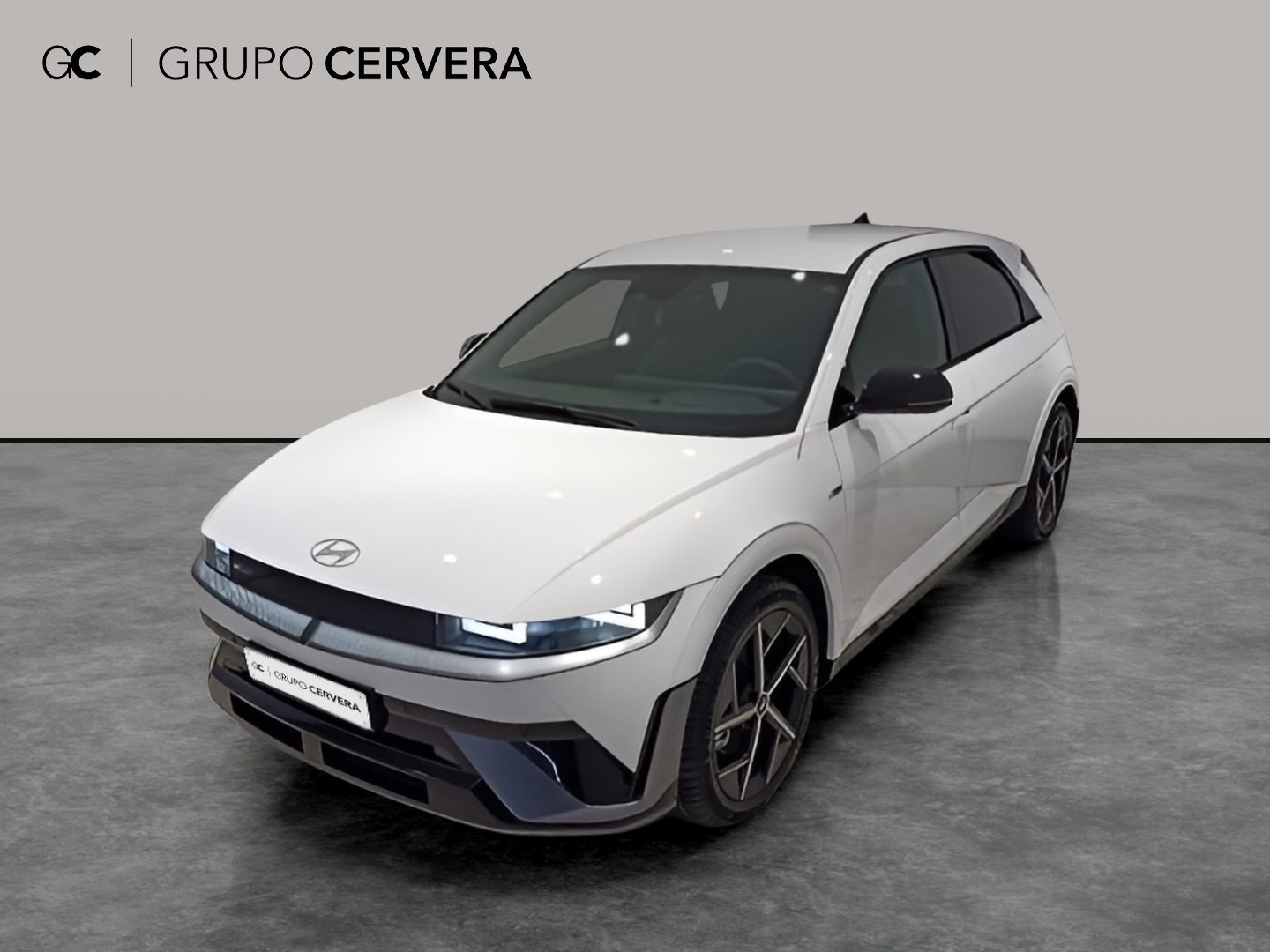
54.807 US$DEALER
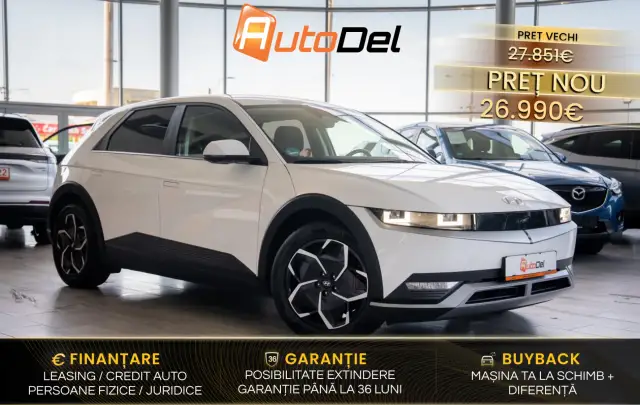
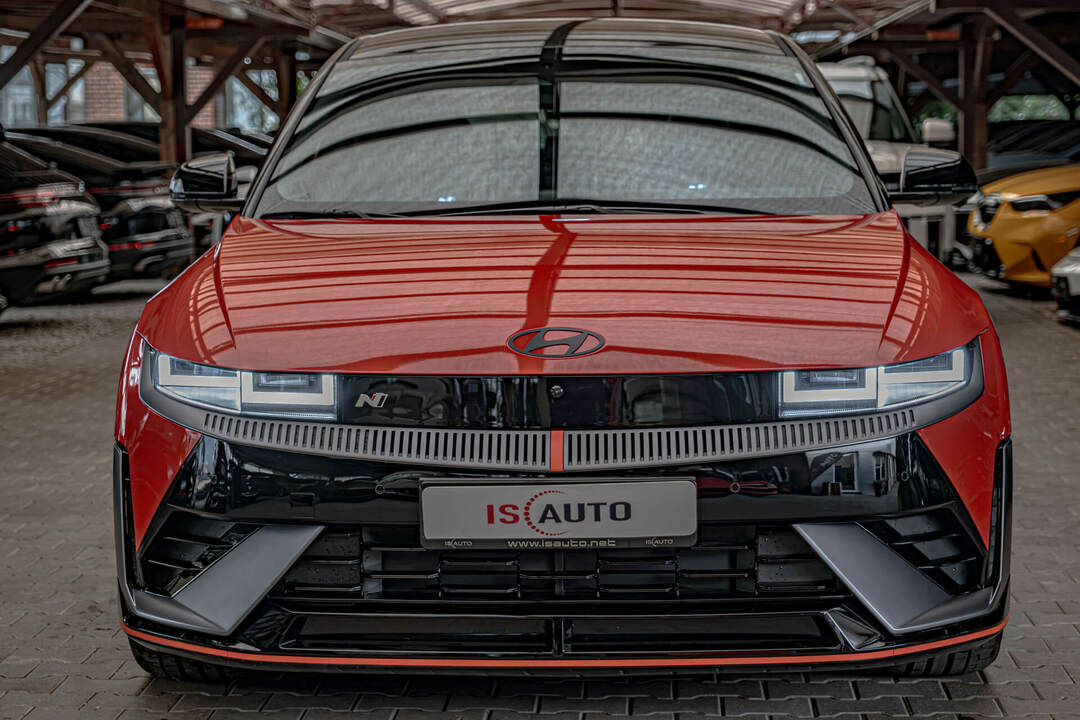
2026, electric, automatic, 20 km, SUV, Rear Wheels Drive, 228 hp, ZEV, white, 84KWH N Line RWD 168 kW (228 CV), New condition, In stock

GrupoCervera.com
 Spain, Castilla y León






















 Spain, Castilla y León
 Romania, Suceava
 Bulgaria, Varna
If you are browsing a Hyundai IONIQ 5 for sale and only a few listings look serious, that is already useful information. This is one of those cars where the quality of the advert often tells you almost as much as the car itself. A strong Hyundai IONIQ 5 listing usually gives you enough detail to build a shortlist before you ever call: battery-related information where relevant, charging history if the seller has it, service records, clear photos of the interior and wheel condition, and an honest note about cosmetic marks. A weak listing tends to hide behind fashionable photos, vague phrases like “full option,” and no real explanation of ownership or maintenance. When supply is uneven across the EU market, skipping weak ads quickly is not impatience; it is good buying discipline.
Start with listings that make comparison easy. You want a Hyundai IONIQ 5 seller who understands what a buyer needs to know, not someone forcing you to extract basic facts one message at a time. Look for a complete registration story, service history, mileage that makes sense for the age and condition, and equipment shown in photos rather than just claimed in text. If the ad mentions recent maintenance, ask what exactly was done and where. If it is a dealer car, check whether the preparation notes are specific or just polished marketing language. If it is a private sale, ask how long they have owned the Hyundai IONIQ 5 and why they are selling now. Clear, direct answers usually move a car higher on the shortlist.
The best phone calls also happen with sellers who can describe the car without reading their own ad back to you. Ask whether there are any warning messages, any charging issues they have noticed, any wheel or tyre damage, and whether all keys and charging accessories are included. A seller who answers calmly and consistently is worth more than a slightly cheaper listing that immediately becomes slippery under basic questions.
With the Hyundai IONIQ 5, a low price can be genuine, but it should create questions, not excitement. Is the car imported? Was it repaired after damage? Are there missing service entries, mismatched tyres, visible bodywork inconsistencies, or an oddly selective photo set? One of the easiest mistakes buyers make with modern EV listings is treating a neat exterior as proof of a neat history. It is not. On a Hyundai IONIQ 5, poor ad transparency matters because many buyers are already comparing charging practicality, warranty relevance, condition, and spec level. If the seller makes those basics hard to verify, you are not looking at a bargain; you may be looking at homework you do not need.
There is another useful signal here: sellers who price aggressively but provide almost no context are often relying on the model’s popularity to carry the advert. The Hyundai IONIQ 5 has enough recognition that some weak offers still get attention. That is exactly why your shortlist should be stricter, not looser. A slightly more expensive example with complete photos, credible documentation, and straightforward ownership details can be the cheaper car in the long run.
When a Hyundai IONIQ 5 makes it from phone call to viewing, go in with a simple goal. First, does the car match the advert? Second, does the condition support the mileage and ownership story? Third, does the seller behave like someone with nothing to hide? Walk around the car slowly. Panel alignment, paint consistency, tyre brand matching, seat wear, charging-port condition, and wheel scuffs all help tell the real story. None of these alone prove a bad car, but together they show whether the advert was careful or casual.
Inside, check whether the cabin wear matches the claimed use. Test the screen functions, climate controls, charging cables if present, and the ordinary practical details many buyers forget until later. On a car like the Hyundai IONIQ 5, everyday usability matters just as much as headline style. A very clean-looking example that feels neglected in the small touchpoints can fall down your shortlist surprisingly fast.
Ask for the service documentation before you become emotionally attached to the car. Ask whether the seller has records for scheduled maintenance, software-related visits if applicable, and any repair invoices. Ask where the car spent most of its life and what kind of charging routine it typically had, not because there is one perfect answer, but because thoughtful owners usually answer thoughtfully. If the seller becomes defensive at basic ownership questions, treat that as useful data.
Also ask what is not perfect. Serious sellers usually know the answer immediately: a scratch on one door, a worn tyre pair, a missing second cable, a mark on a wheel. Weak sellers often say the Hyundai IONIQ 5 is “like new” and then hope you will discover the rest later. That alone can move a listing from “worth visiting” to “skip.”
The Hyundai IONIQ 5 often attracts buyers who are not only choosing a model, but choosing a type of ownership experience. That changes how you should compare listings. Do not just sort by price and mileage. Sort by confidence. Which ad looks like the seller respected the car? Which one makes the next step easy? Which one gives you enough evidence to spend your time on a viewing? In the EU market especially, where listings can vary widely in detail and presentation, clarity is part of the value.
A practical shortlist for a Hyundai IONIQ 5 should end with only a few candidates: one that looks strongest on history and condition, one that offers the best balance of equipment and credibility, and maybe one cheaper car that still answers the right questions. Everything else can wait. That is the simplest way to avoid weak offers, protect your time, and give yourself a better chance of finding a Hyundai IONIQ 5 you will still feel good about after the first month of ownership.
 Add as preferred sourceSee more from zvelta in Google Search Add as preferred source