 EN
ENDEALER
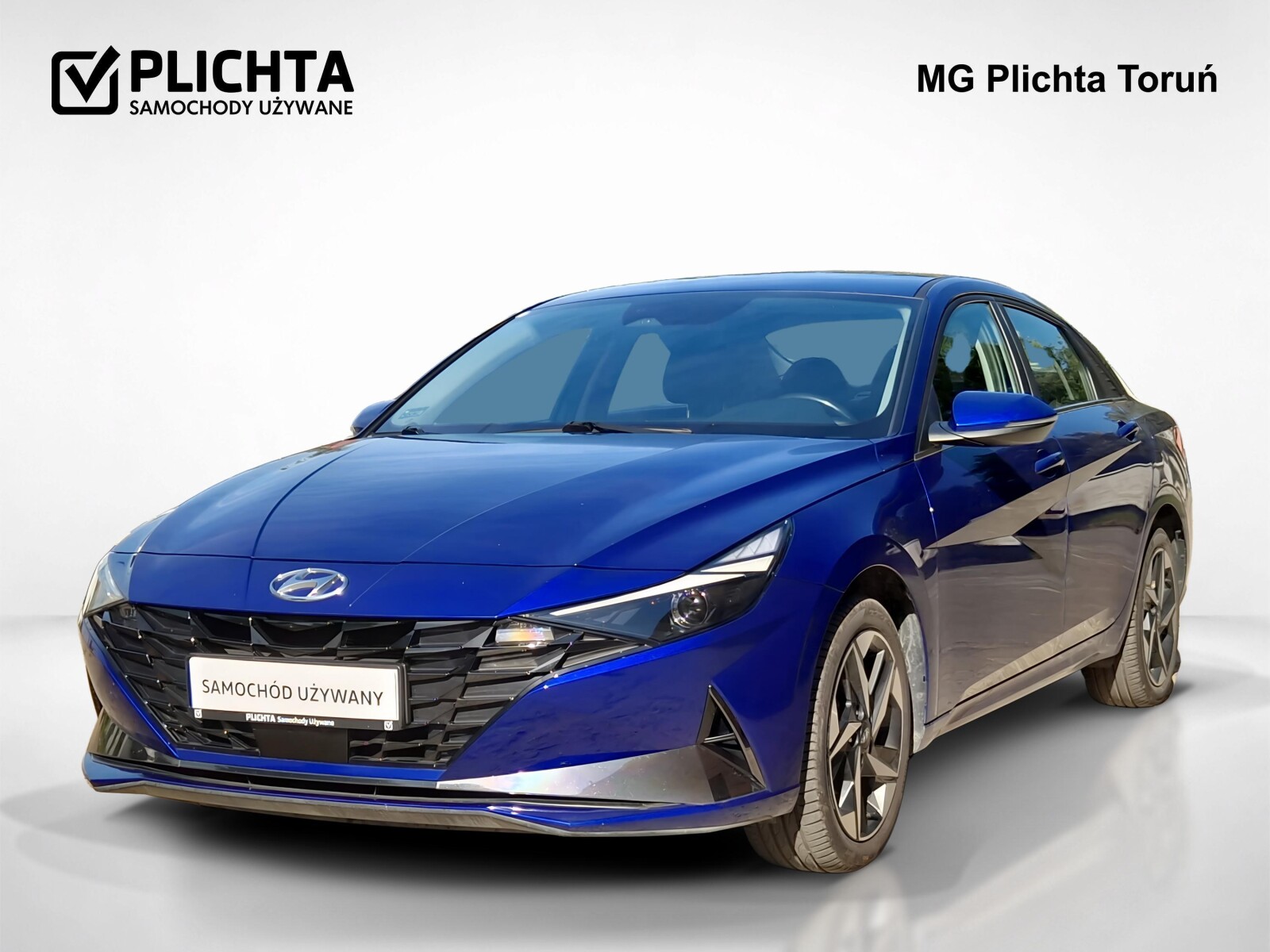
17.842 US$DEALER
2021, gasoline, manual, 65K km, sedan, Front Wheels Drive, 1,598 cm3, 122 hp, blue, Used condition, South Korea

plichta.com.pl
 Nieszawka, Poland






















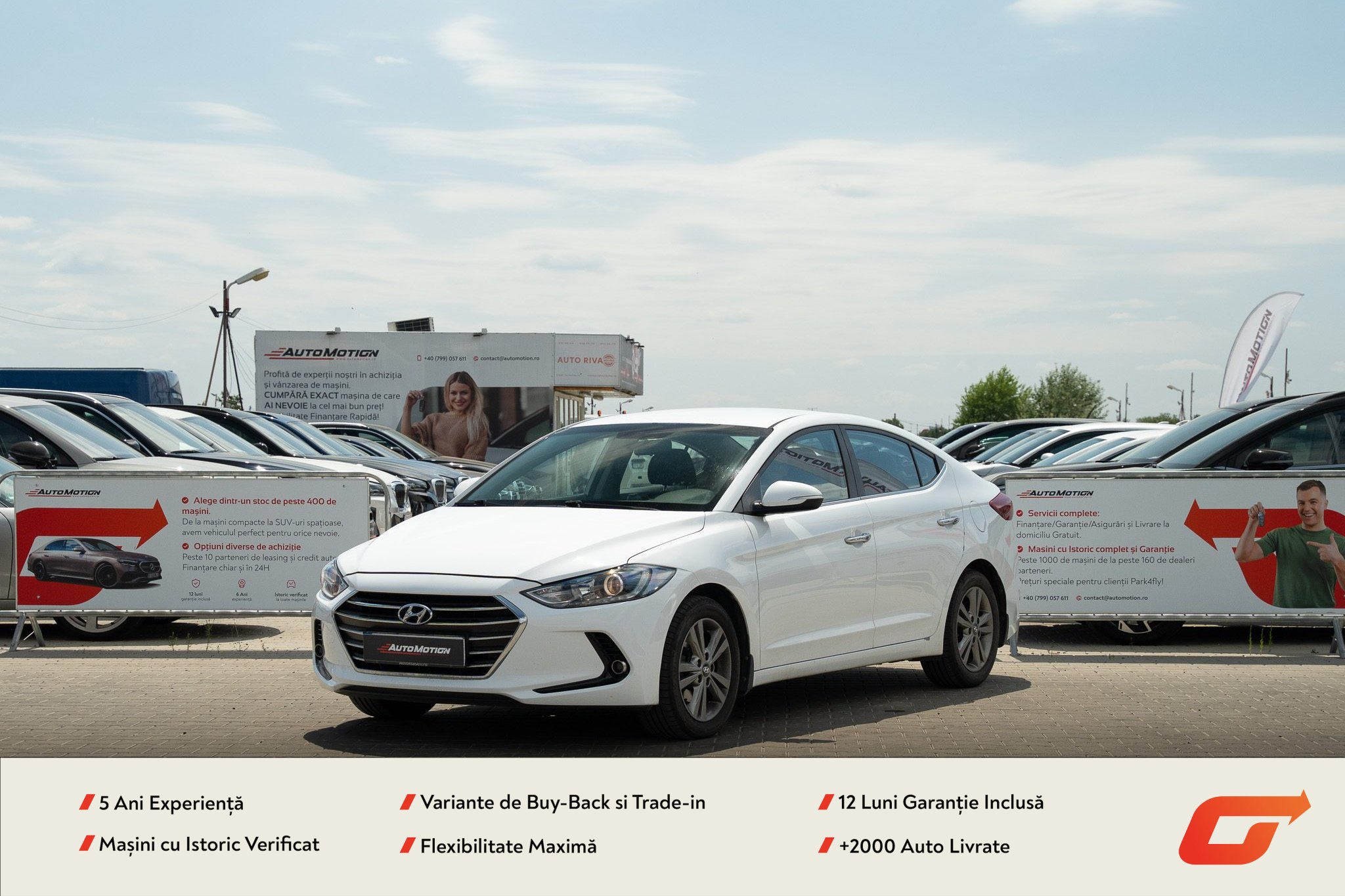
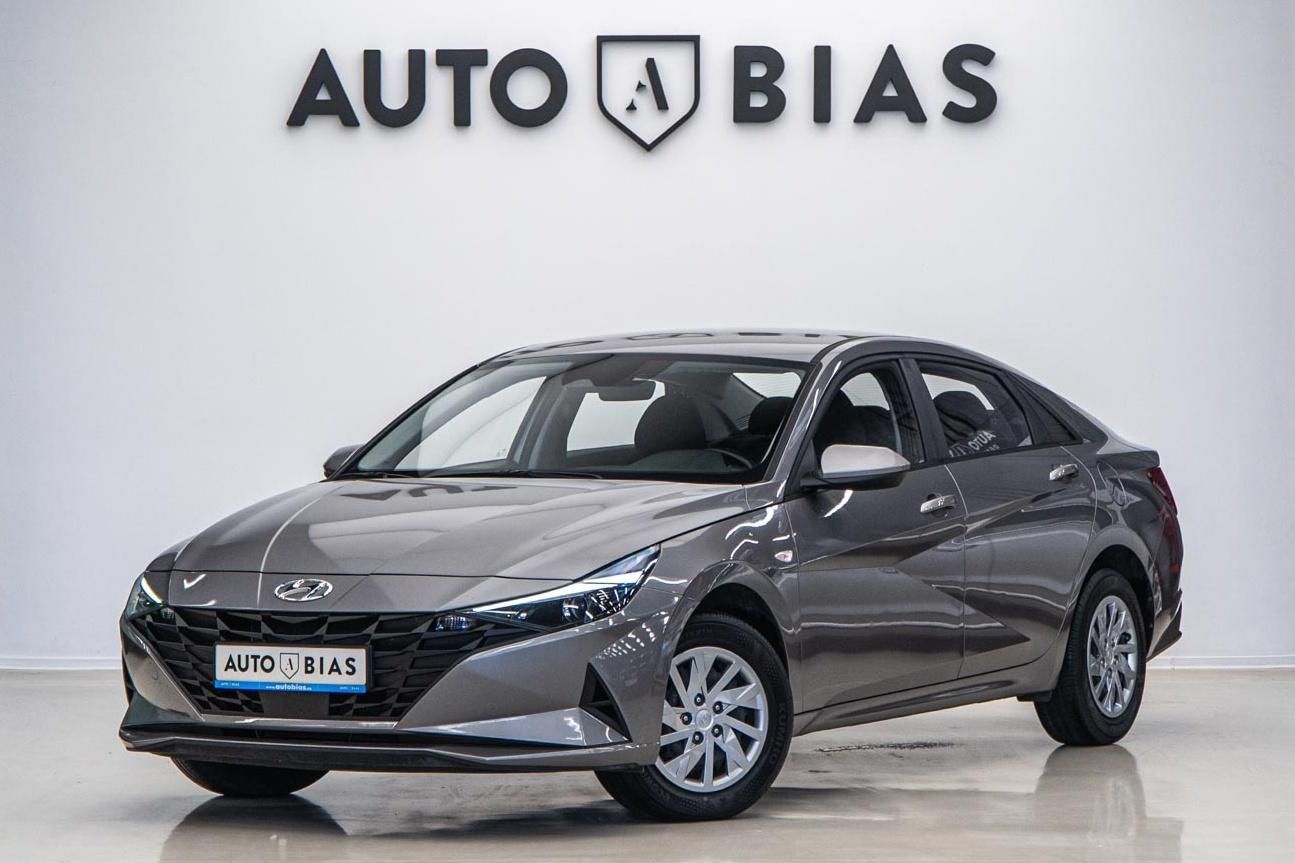
 Nieszawka, PolandRomania, Arad
 Oraş Otopeni, Romania
 Romania, Ilfov
 Greece, Attica
If you are shopping for a Hyundai Elantra, the first useful thing to know is that this usually is not the kind of search where you drown in endless identical offers. On many European marketplaces, the smarter approach is patience: save the good listings, compare them closely, and be ready to move when one clean, well-described car appears. That changes how you buy. Instead of chasing the lowest asking price, focus on whether a specific Hyundai Elantra looks honest, complete, and easy to verify.
When there are only a few Hyundai Elantra cars for sale, buyers sometimes become too flexible too early. They excuse poor photos, vague mileage history, or a seller who writes almost nothing beyond the basics. Try not to do that. A limited pool does not mean every offer deserves a viewing. It means each listing needs stronger scrutiny.
A promising Hyundai Elantra ad should make comparison easy. Look for clear exterior photos from several angles, cabin shots that show wear rather than hide it, a readable instrument cluster, and at least some effort to explain ownership, service history, or recent work. If one seller gives you useful detail and another gives you almost none, that difference matters. With a model like the Hyundai Elantra in the EU market, transparency is often more valuable than a small discount.
A weak listing is not only about bad photography. It is often a combination of small signals: inconsistent description, missing document details, a suspiciously short text, or claims that sound bigger than the evidence provided. If the ad says the Hyundai Elantra is in excellent condition, ask what that means in practice. Are there invoices? Is the maintenance history documented? Has the car had recent suspension, brake, tyre, or battery work? Does the seller mention two keys, manuals, or registration documents without being prompted?
Pay attention to how the seller describes mileage and use. A careful owner usually explains the car in a calm, specific way. A flipper or inattentive seller may rely on generic praise and avoid direct answers. That does not automatically make the car bad, but it tells you to verify more before spending time on a trip.
One less obvious point: on niche or lower-volume searches, some buyers start comparing only age and mileage because there are not many listings. That is too narrow. On a Hyundai Elantra, the quality of the ad itself can be a serious buying signal. A car with ordinary mileage but a traceable history may be the better buy than one with a more attractive number on the odometer and almost no supporting detail.
Read the listing once as a shopper, then once as a skeptic. The second reading is where useful questions appear. Does the description match the photos? If the cabin looks heavily worn but the mileage sounds unusually low, ask for an explanation. If the body photos avoid one side of the car, request additional images in daylight. If the seller mentions recent import, ask what paperwork is already completed and what still needs attention.
For any used Hyundai Elantra, it is sensible to ask about:
The goal is not to interrogate the seller; it is to decide whether the offer is worth a visit. A good phone call should reduce uncertainty, not create more of it.
With only a handful of Hyundai Elantra listings available, the cheapest car can attract attention simply because it feels like the obvious deal. But lower entry price often hides future cost, delay, or hassle. If a seller is vague about documents, avoids discussing service history, or shrugs off obvious cosmetic damage as “normal,” assume there may be more to uncover in person.
This matters especially on cross-border or multi-country EU searches, where a buyer can be tempted to compromise just to make the trip worthwhile. Do not let travel effort force a bad decision. A weak Hyundai Elantra offer stays weak even after a long train ride or a full day of planning. If the seller cannot answer simple questions clearly, walking away is often the smartest money-saving move.
There is also a search-behavior trap here. When a model is not flooding the market, buyers start negotiating emotionally: “I may not see another one soon.” Sellers sense that. The better response is calm comparison. Ask yourself whether this specific Hyundai Elantra is genuinely better, or merely more available right now.
When two listings seem close, think beyond the headline facts. Interior wear, seat condition, steering wheel shine, switchgear condition, and tyre brand consistency can tell you a lot about how the car was treated. A tidy cabin and coherent maintenance story often point to steadier ownership than polished paint alone.
Equipment can matter too, but only if it works as expected. If a Hyundai Elantra advertises comfort or tech features, ask the seller to confirm their operation before you travel. Small faults are common on used cars; hidden faults become expensive only when buyers fail to ask. You do not need perfection. You need clarity.
Also compare how each seller talks about recent maintenance. “Serviced” is a weak word on its own. Better is a list of what was actually done and when. Better still is paperwork. In a smaller results pool, these basics become the difference between a hopeful listing and a convincing one.
The best Hyundai Elantra listing is rarely the one that shouts the loudest. It is usually the one that gives you enough information to trust the next step. In the EU market, where listings may appear across different countries and standards of ad quality vary, your edge is disciplined comparison. Save the strong offers, ignore the lazy ones, and do not confuse scarcity with quality.
If you find a Hyundai Elantra that looks straight, documented, and honestly presented, move quickly but not blindly. Ask for the missing details, verify the documents, and view the car with a plan. Check condition in daylight, confirm that the description matches reality, and treat seller openness as part of the car’s value. That is how you avoid weak offers and give yourself the best chance of finding a Hyundai Elantra worth owning, not just one that happened to be available.
 Add as preferred sourceSee more from zvelta in Google Search Add as preferred source