 EN
ENDEALER
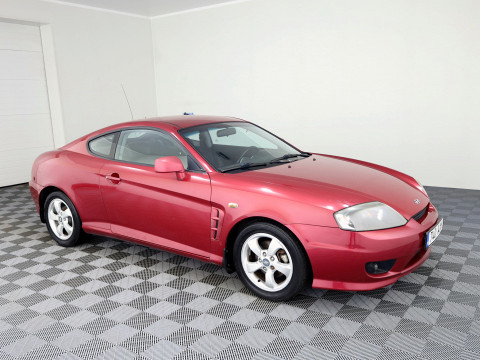
1.901 US$DEALER
2006, gasoline, manual, 189K km, Front Wheels Drive, 2,000 cm3, red, Used condition, South Korea, In stock

BaltiCar.com
 Estonia, Harjumaa






















 Estonia, Harjumaa
If you are shopping for a Hyundai Coupe, the first smart move is not to fall for the first sporty-looking ad. In the EU market, this model often appears as a niche choice rather than a constant, easy-to-shop stream of listings, so every offer needs context. A neat photo set and a low asking price can make a Hyundai Coupe look like an obvious bargain, but with a car like this, the real question is whether the seller is offering a cared-for example or simply a cheap coupe-shaped problem. Start by comparing condition, paperwork quality, and seller clarity before you compare anything else.
The Hyundai Coupe rarely sits alone in a buyer's search. It tends to end up next to other affordable coupes, compact hatchbacks with strong engines, or even older premium two-door options. That is useful, because the best way to judge a Hyundai Coupe for sale is to ask what compromise you are accepting. Are you choosing style over rear-seat practicality? Lower purchase cost over badge prestige? Simpler ownership over a more exciting but riskier alternative? Once you frame it that way, weak offers become easier to reject.
When you compare listings, avoid comparing only year against year or mileage against mileage. Compare the whole ownership story. A Hyundai Coupe with ordinary equipment but convincing maintenance history can be a better buy than a shinier example with missing service records and vague answers. If one seller shows consistent photos, clear panel gaps, readable interior wear, and documents that match the story, while another leans on dramatic angles and two-line descriptions, the difference matters. With a low-volume model, patience is often worth more than chasing the cheapest advert.
A good used Hyundai Coupe listing usually makes the seller's attitude visible. Look for more than the standard claims about being "well maintained" or "drives great." You want evidence: photos of the seats, steering wheel, driver's door trim, wheels, engine bay, and paperwork. Wear in those areas does not automatically mean a bad car, but it should match the mileage and the tone of the description. If the car is presented as carefully owned, the small details should support that.
Pay attention to what is missing. If there are no photos of the car in daylight, no interior shots, no mention of recent maintenance, and no explanation for cosmetic defects, you are already doing too much work as the buyer. Ask direct questions: How long have you owned this Hyundai Coupe? What maintenance was done recently? Are there invoices? Has it had paintwork? Are there warning lights when cold? Serious sellers usually answer directly. Evasive sellers often talk around the question and try to move you quickly toward a viewing.
One less obvious point: with cars like the Hyundai Coupe, some listings are written to attract buyers who want the shape more than the substance. That creates a pattern where cosmetic add-ons, aftermarket wheels, dark photos, or loud wording try to stand in for genuine quality. Sometimes modifications are fine, but they should make you more careful, not more excited. If the seller cannot explain what was changed, who did the work, and whether original parts are available, treat the ad as a higher-risk option.
Shoppers often fixate on the engine badge, trim, or whether one Hyundai Coupe looks more desirable on paper than another. That is understandable, but once a car is no longer new, condition usually matters more than brochure hierarchy. A modest-spec example with believable servicing may be the smarter purchase than a higher-spec car that has been neglected, inconsistently modified, or poorly repaired.
This is where a comparison mindset helps. If two Hyundai Coupe cars for sale are priced closely, ask yourself what you are really paying for. Better tires? Cleaner bodywork? A more complete maintenance file? A seller who has owned the car long enough to speak in detail? Those are stronger signals than a dramatic ad title. On the other hand, if a seller is asking a clear premium, it is fair to expect a correspondingly clear reason: outstanding condition, unusually complete history, or genuinely rare cleanliness for age. If that reason is not visible, waiting for the next listing can be the better decision.
Before arranging a viewing, try to get enough information to decide whether the car deserves your trip. Ask for cold-start behavior, recent maintenance records, registration status, number of keys, tire age, and whether any warning lights appear intermittently. Ask whether the gearbox shifts cleanly, whether the air conditioning works, and whether there are known electrical or trim issues. These are ordinary questions, but the way the seller responds tells you plenty.
If the answers arrive quickly, in plain language, with a willingness to send extra photos or documents, that is encouraging. If every answer becomes "come see the car" or "everything works" without detail, step back. With a relatively uncommon model in active listings, buyers sometimes feel pressure to move fast because another Hyundai Coupe may not appear tomorrow. That is exactly when bad decisions happen. Scarcity should make you more selective, not less.
A Hyundai Coupe can make sense when you find an example that is honest about its age and backed by a seller who understands the car. It is worth viewing when the listing feels coherent: the condition matches the story, the photos show enough, the maintenance narrative is believable, and the seller does not dodge simple ownership questions. Even if the car is not perfect, transparency is valuable.
It is better to wait when the listing asks you to ignore contradictions. Maybe the mileage looks low but the cabin wear says otherwise. Maybe the body looks freshly photographed but the description avoids service history. Maybe the seller pushes the sporty image while staying vague on basic maintenance. In the EU market, the right Hyundai Coupe listing may take longer to find, but that delay is cheaper than buying the wrong car quickly. The best purchase is rarely the most exciting ad; it is the one that still makes sense after you have compared it calmly against the alternatives.
 Add as preferred sourceSee more from zvelta in Google Search Add as preferred source