 EN
ENDEALER
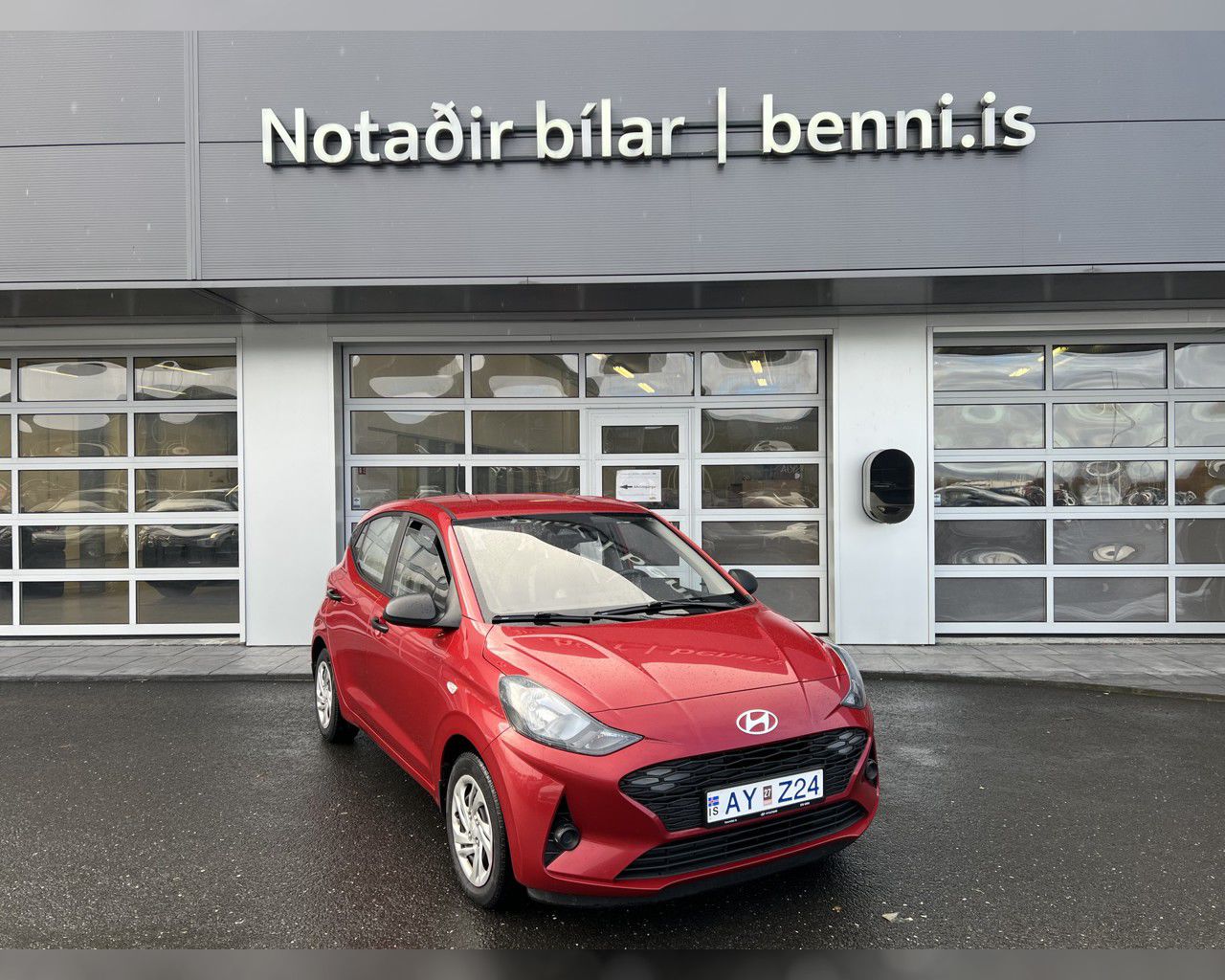
15.559 US$DEALER
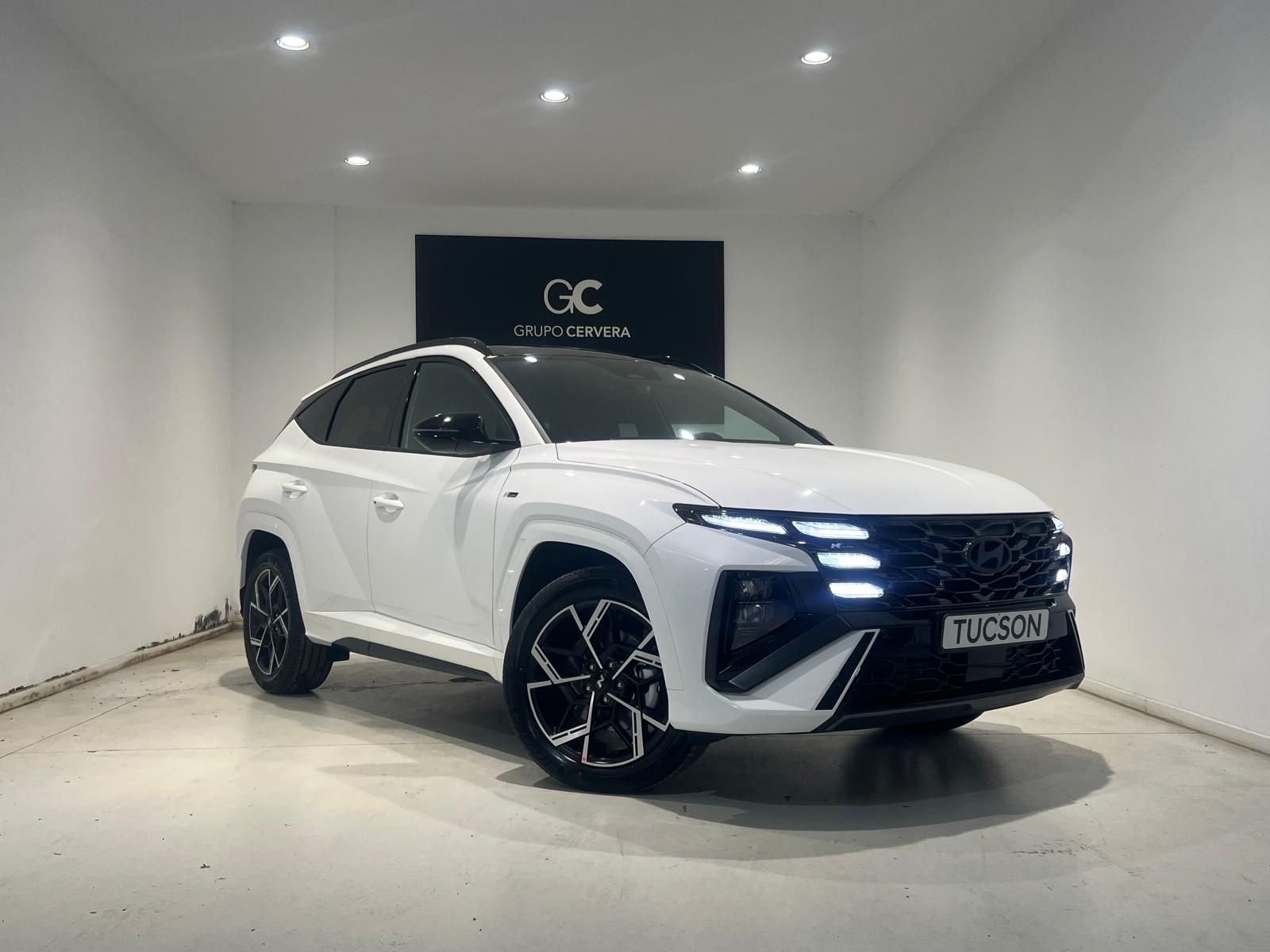
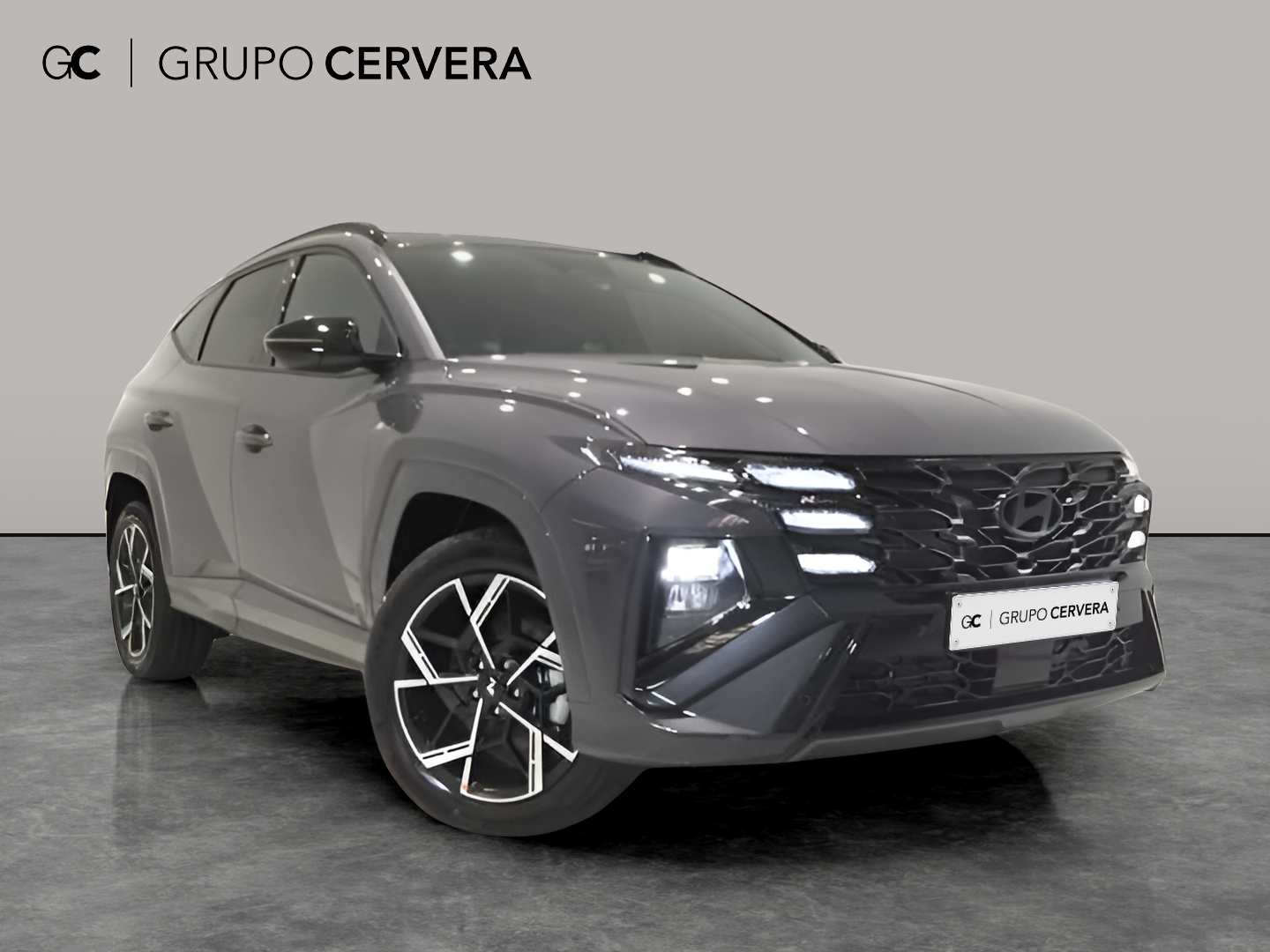
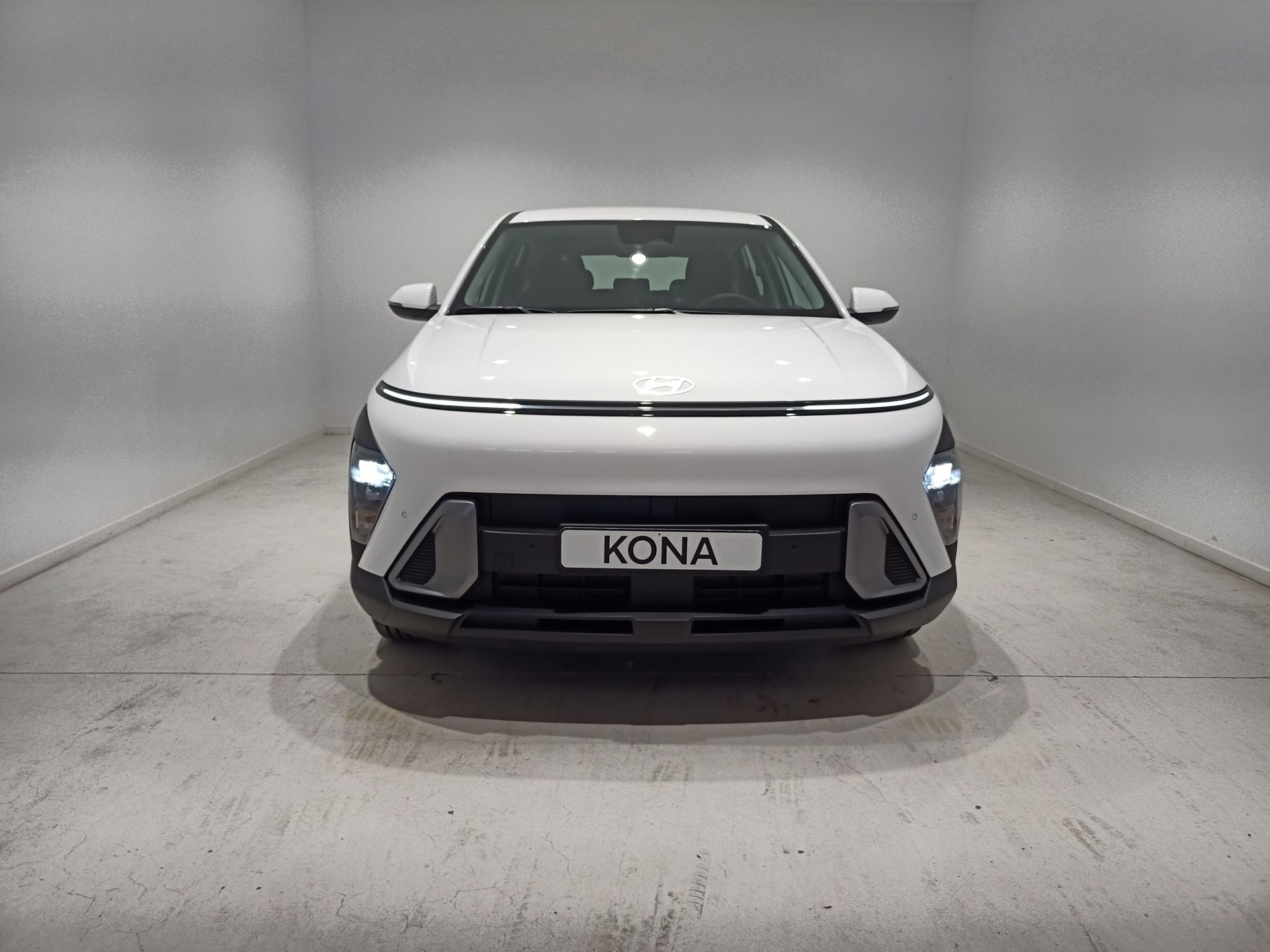
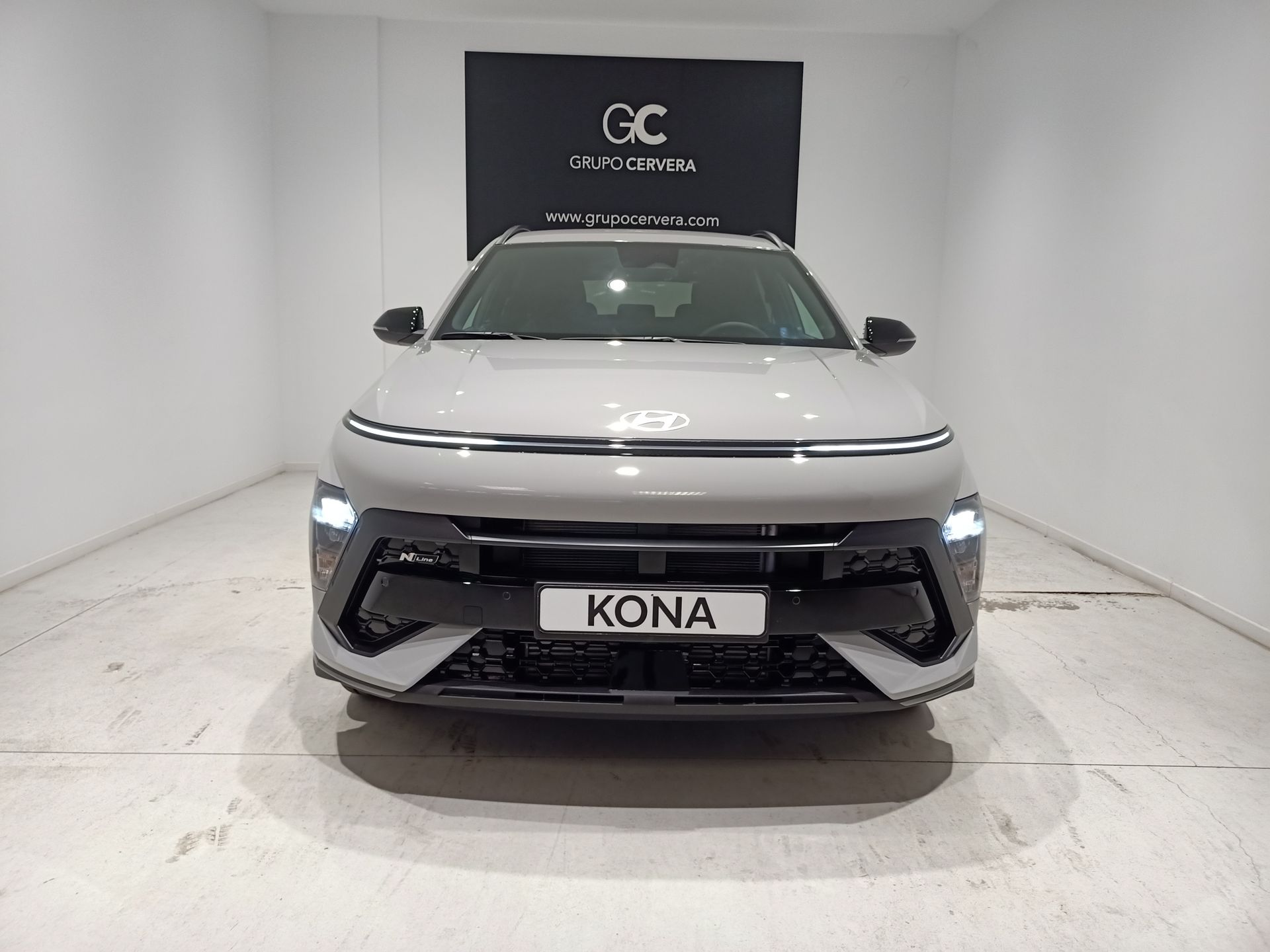
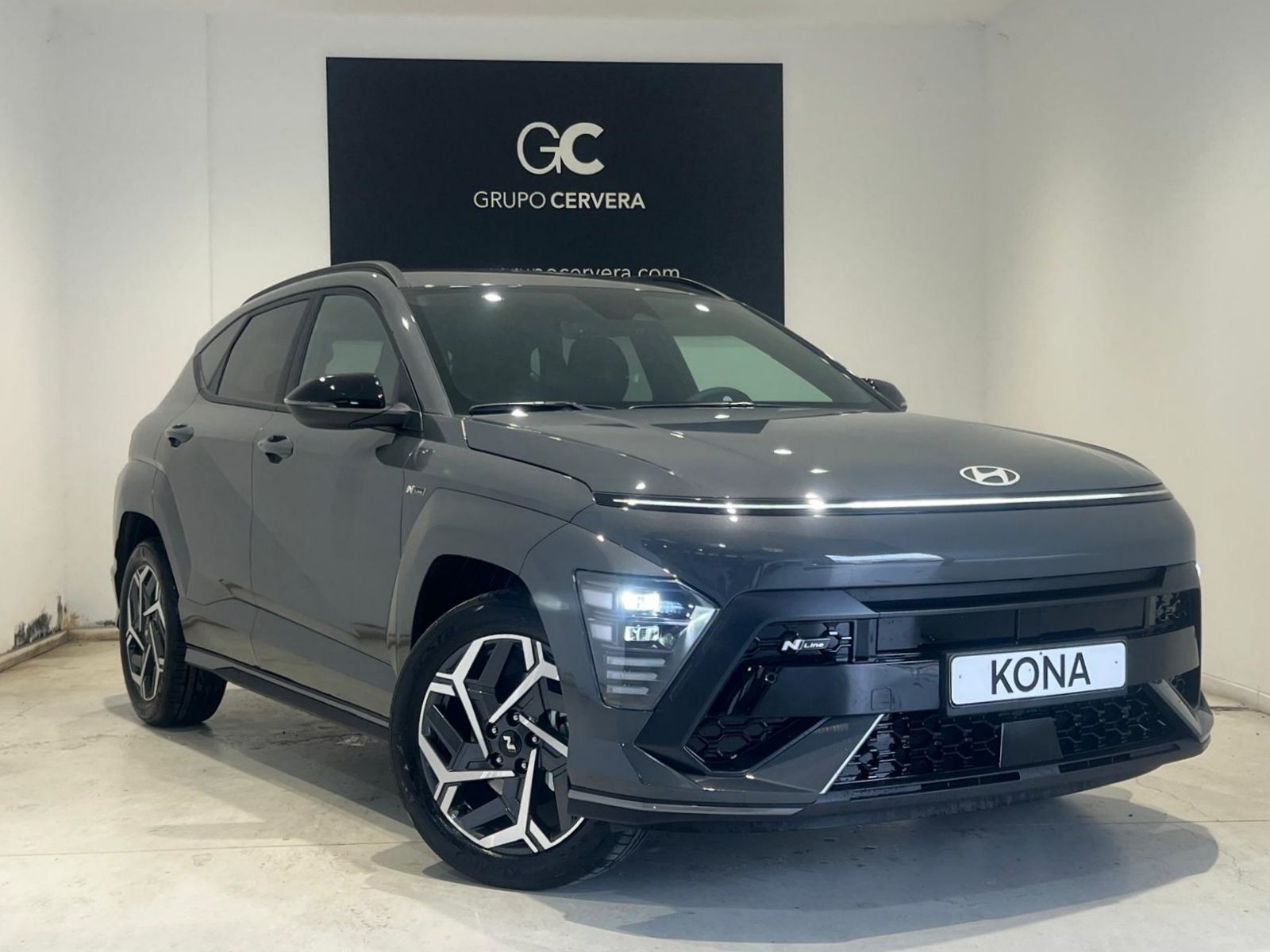
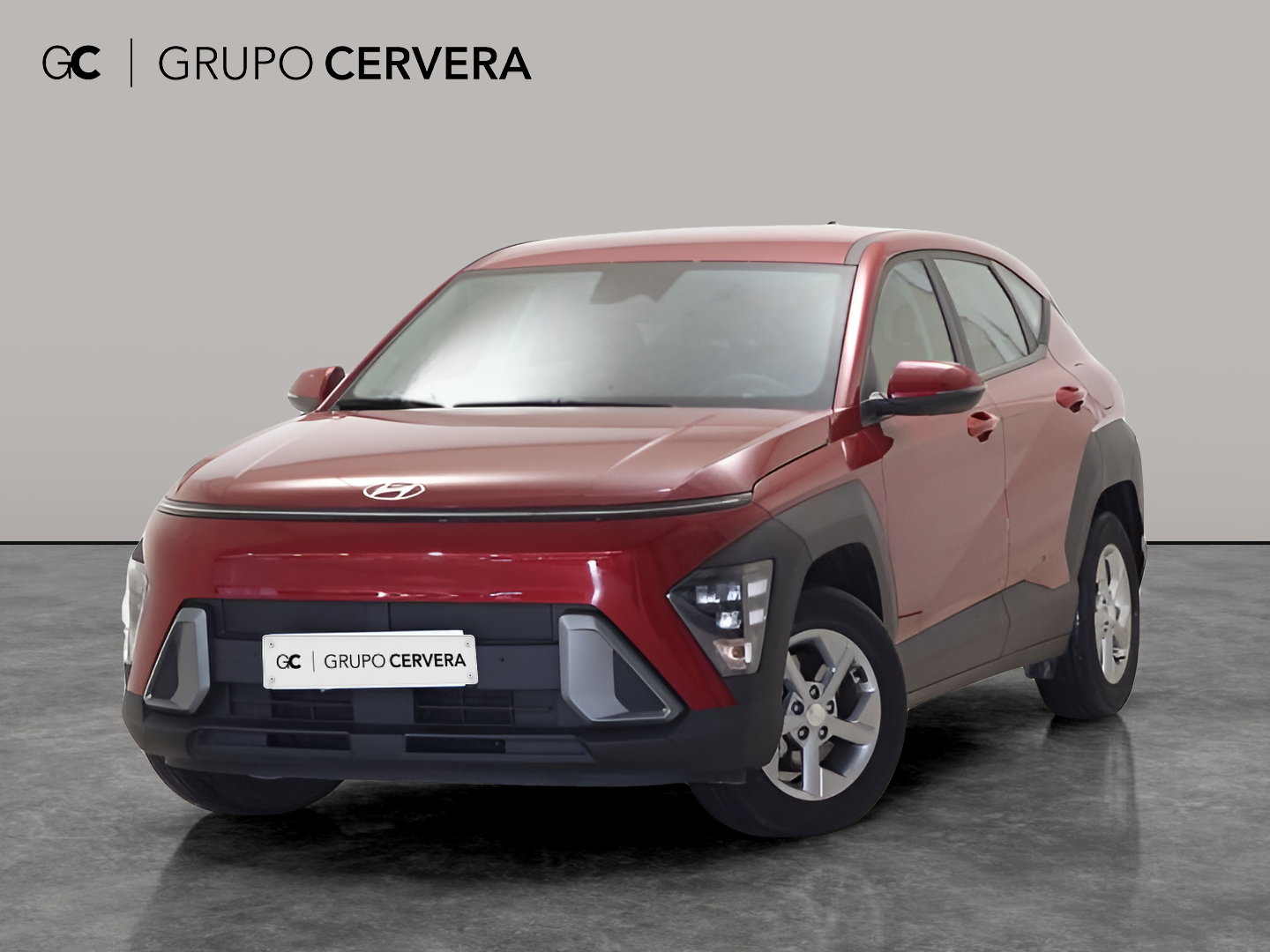
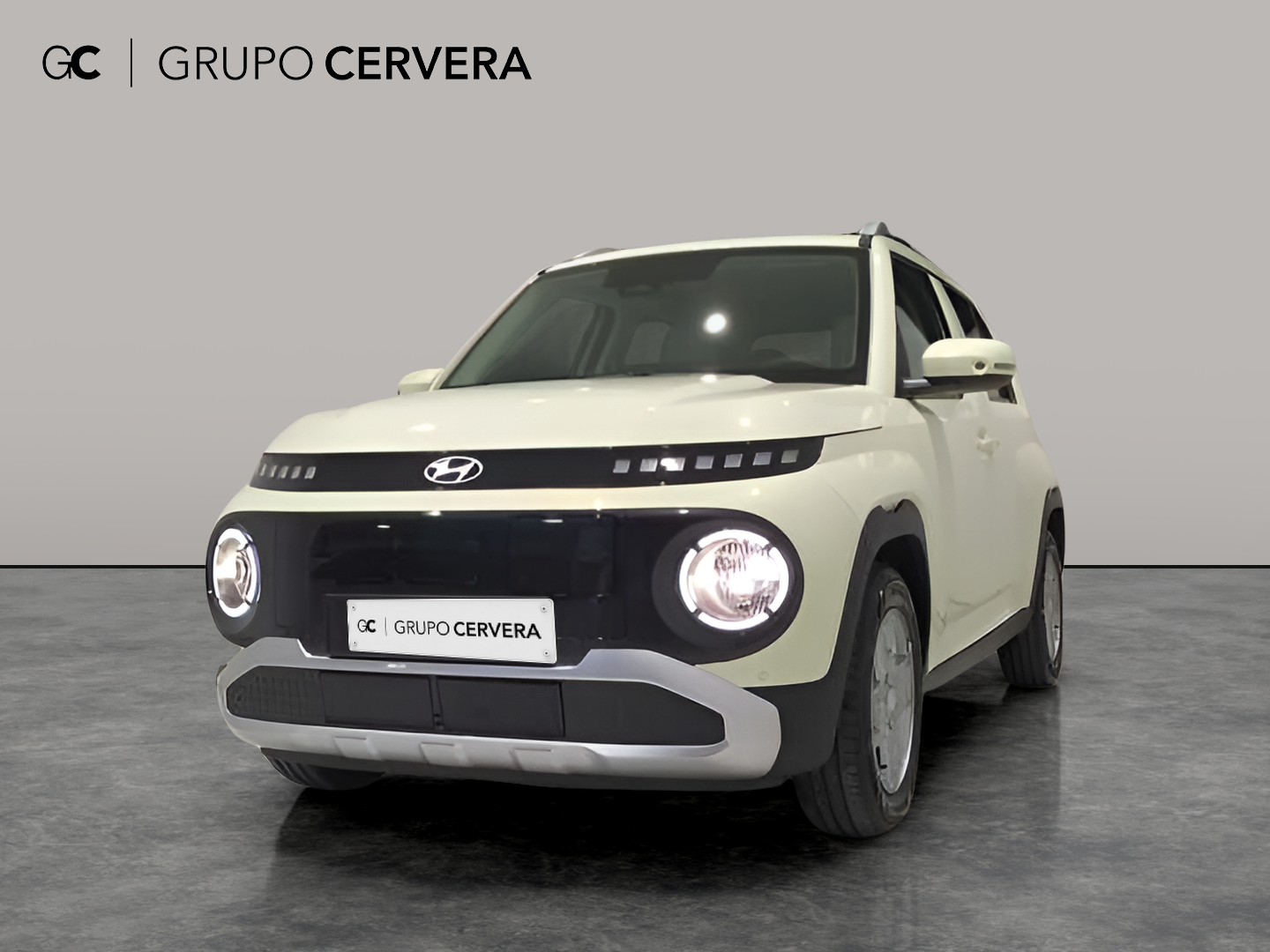
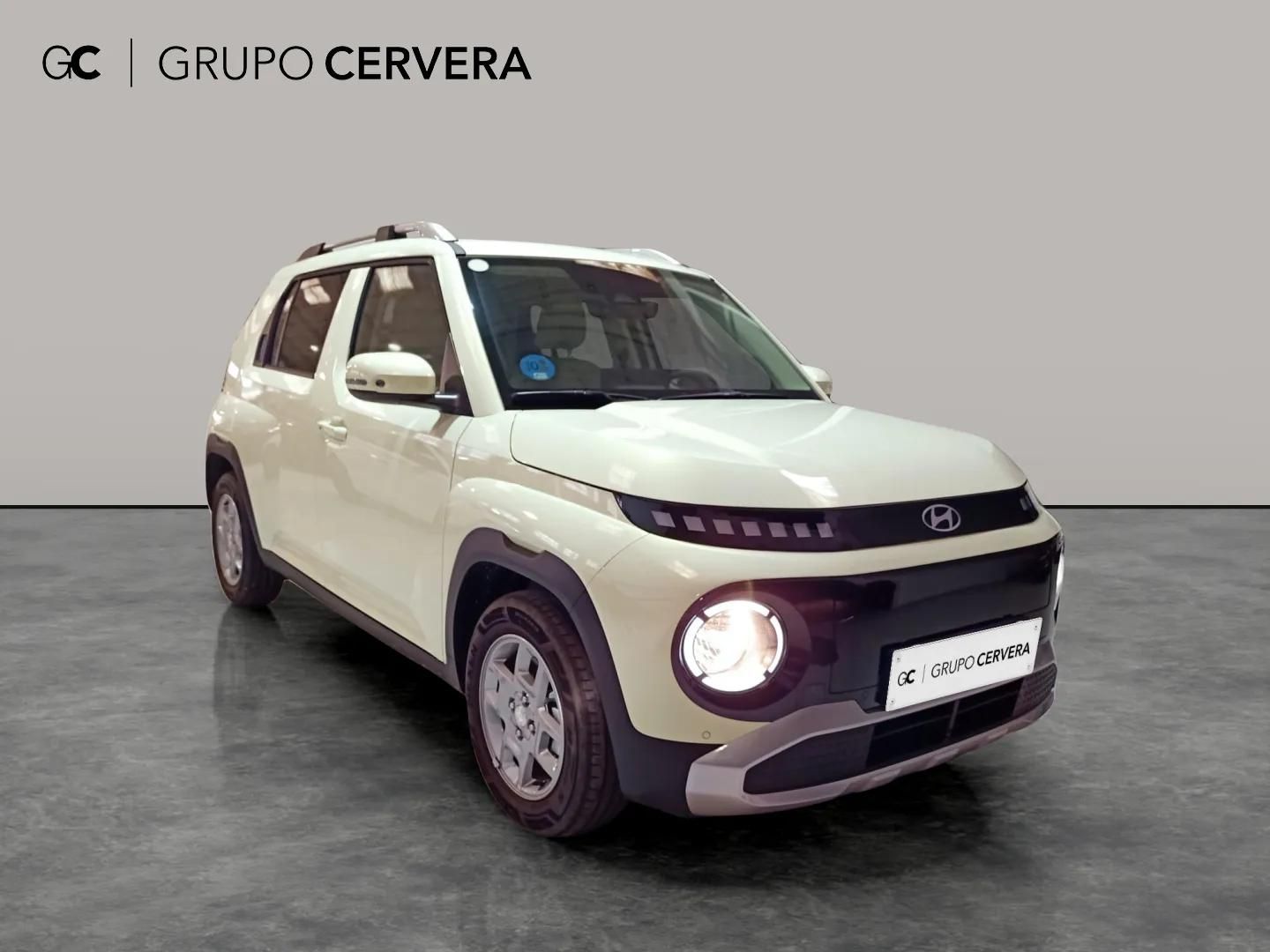
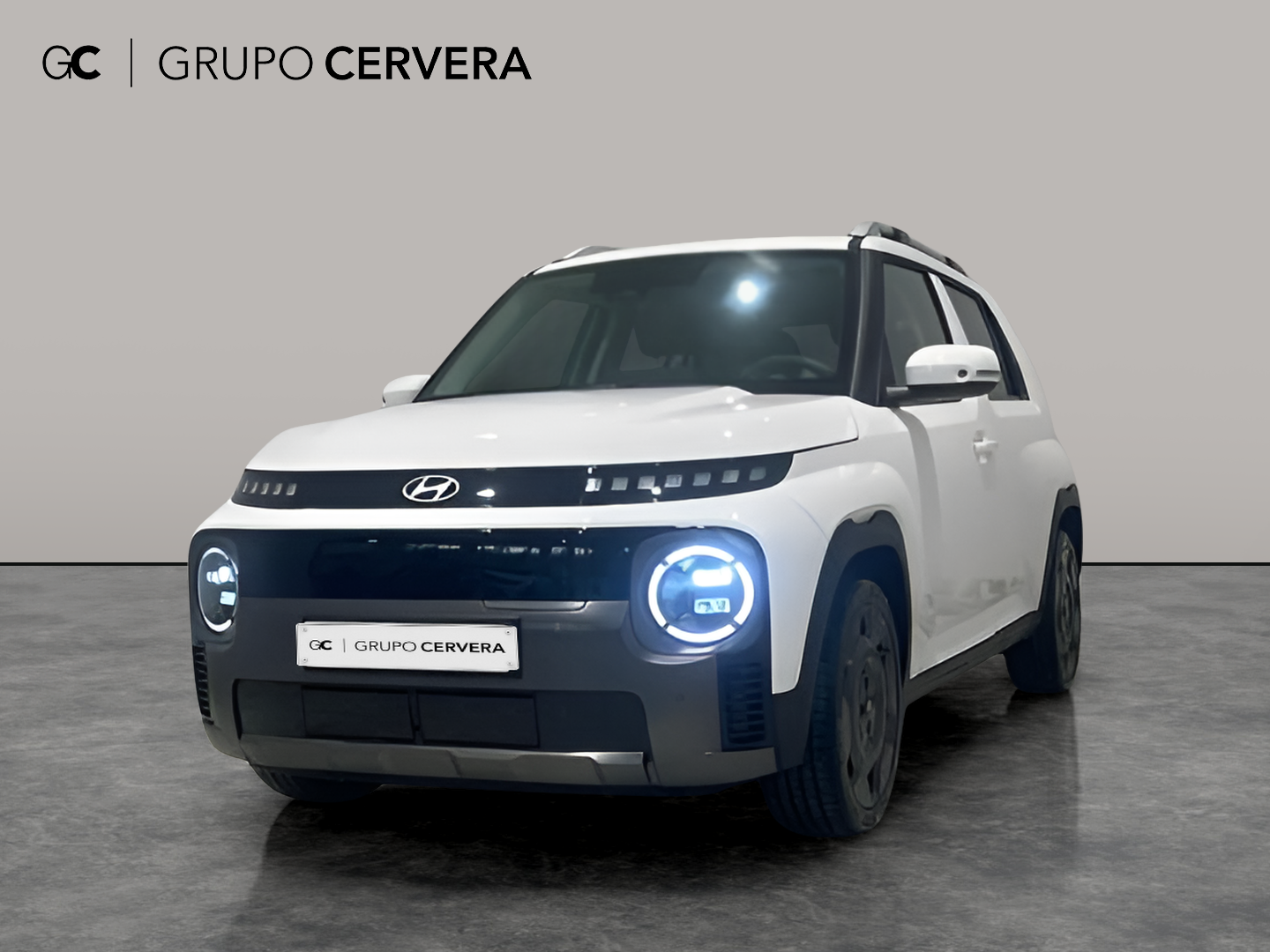
2024, gasoline, manual, 91K km, Front Wheels Drive, 67 hp

notadir.benni.is
 Iceland





















 IcelandReykjavík, Iceland
 Spain, Castilla y LeónSpain, Castilla y LeónSpain, Castilla y LeónSpain, Castilla y LeónSpain, Castilla y LeónSpain, Castilla y LeónSpain, Castilla y LeónSpain, Castilla y LeónSpain, Castilla y LeónSpain, Castilla y LeónSpain, Castilla y LeónSpain, Castilla y LeónSpain, Castilla y LeónSpain, Castilla y LeónSpain, Castilla y LeónSpain, Castilla y LeónSpain, Castilla y LeónSpain, Castilla y LeónSpain, Castilla y LeónSpain, Castilla y LeónSpain, Castilla y LeónSpain, Castilla y LeónSpain, Castilla y León
The first sensible rule with Hyundai listings in Europe is simple: do not let the first tidy photos make the decision for you. Supply can look broad at a glance, yet the genuinely convincing cars may be far away, poorly described, or mixed in with weak offers that only seem attractive because the price or mileage line catches your eye. When you are shopping across multiple countries and seller habits, distance and document clarity matter almost as much as the car itself.
A good Hyundai offer usually reveals its quality before you even make contact. Clear photos from several angles, a readable equipment description, service records mentioned without drama, and a seller who explains the car rather than decorating it with vague promises are all useful early signals. If a listing is short on detail, has inconsistent mileage notes, or hides basic information about ownership and maintenance, assume you will need stronger proof before making a trip.
One reason Hyundai works so well in used and nearly new listings is that the brand covers very different buyer needs. Some people arrive wanting a practical city car, others want a family crossover, and many simply want a modern everyday car with sensible running expectations. That means your first comparison should not be between two random cars for sale; it should be between two use cases.
If most of your driving is urban, a smaller Hyundai may deserve more attention than a larger, better-equipped example that looks tempting on screen but will cost more in tires, fuel, or parking effort. If you cover motorway distance or travel with family, comfort, luggage space, seat flexibility, and driver-assistance equipment may matter more than the lowest advertised mileage. Buyers often lose time by comparing trim to trim before deciding size, body style, and usage pattern. With Hyundai, getting that first step right usually narrows the shortlist quickly.
A surprisingly useful trick with Hyundai ads is to compare what the seller chooses to talk about with what they avoid. Many weak listings lean heavily on cosmetics: fresh wash, shiny wheels, dramatic wording, almost no substance. Better offers usually mention the boring but expensive stuff: maintenance history, recent service items, tire condition, number of keys, ownership documents, or any known imperfections.
This is where a real buyer gains an edge. Ask for the cold-start video if the car is not nearby. Ask whether the service history is stamped, invoiced, digital, or partly missing. Ask what exactly was done at the last maintenance visit. Ask whether the seller can photograph the areas buyers usually care about but listings skip: seat bolsters, steering wheel wear, boot floor, charging cables if relevant, or the underside of bumper corners. A seller who answers cleanly is often worth more of your time than a slightly cheaper listing that keeps everything vague.
There is also a very European reality here: the same Hyundai can look like three different cars depending on who is selling it. A private seller may know the daily behavior of the car but provide poor photos. A dealer may present it more professionally but stay general on its previous life. An importer-style listing may seem well priced yet require more patience on paperwork and origin checks. None of these paths is automatically bad, but each asks for different questions.
Mileage matters, of course, but on Hyundai listings it should be read together with consistency. Does the interior wear match the odometer story? Do service intervals make sense? Are tires, brakes, and general presentation aligned with the claimed use? A lower-mileage car with patchy history can be a weaker bet than a higher-mileage example that has been maintained transparently and driven in a predictable way.
This is where brand-wide shopping gets more interesting than buyers expect. Because Hyundai attracts both careful long-term owners and fast-turnover sellers, you will see listings that look similar on paper but feel completely different once history enters the conversation. The better cars often do not shout. They simply make sense: coherent service story, honest wear, realistic options, and no strange gaps between photos, description, and seller answers.
When comparing used Hyundai cars for sale, equipment should be judged in two directions: what improves your daily use now, and what keeps the car easy to resell later. Features such as practical infotainment, parking aids, climate comfort, useful safety tech, and flexible seating can matter more than cosmetic extras that only help in photos.
A less obvious point: on the Hyundai market, an average car with the right everyday equipment can be a smarter buy than a fancier car with a confusing history. Buyers sometimes chase the most loaded example and forget that resale depends on trust as much as specification. If you expect to keep the car only a few years, think ahead. The offer that will be easy for you to explain later is often the better one to buy today.
Before arranging a viewing, ask the seller to confirm the registration documents, VIN availability, service proof, number of previous owners if known, and whether there are any current warning lights, accident repairs, paintwork corrections, or faults that are not visible in photos. For a Hyundai, also ask how long the seller has had the car and why it is being sold now. Not because every answer will be perfect, but because the tone and clarity of the answer tell you a lot.
If the replies feel rushed, evasive, or oddly theatrical, keep moving. Europe has enough Hyundai listings that patience usually pays. The strongest offer is rarely just the cheapest or closest one; it is the one that stays coherent under questions. That is the car worth viewing, inspecting properly, and comparing against alternatives with a calm head rather than urgency.
Put Hyundai on your shortlist if you want a brand that appears in many shapes and ownership stories, giving you room to choose carefully instead of forcing one type of answer. But shop with discipline. Compare condition before color, history before promises, and seller transparency before headline appeal. If you do that, the good Hyundai listings begin to separate themselves very clearly from the ones that only photograph well.
 Add as preferred sourceSee more from zvelta in Google Search Add as preferred source