 EN
ENDEALER
18.003 US$DEALER
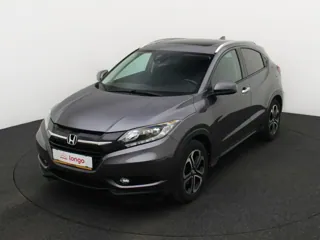
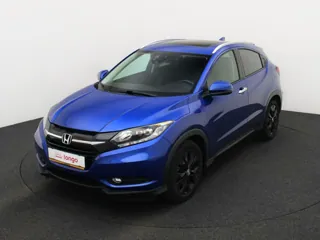
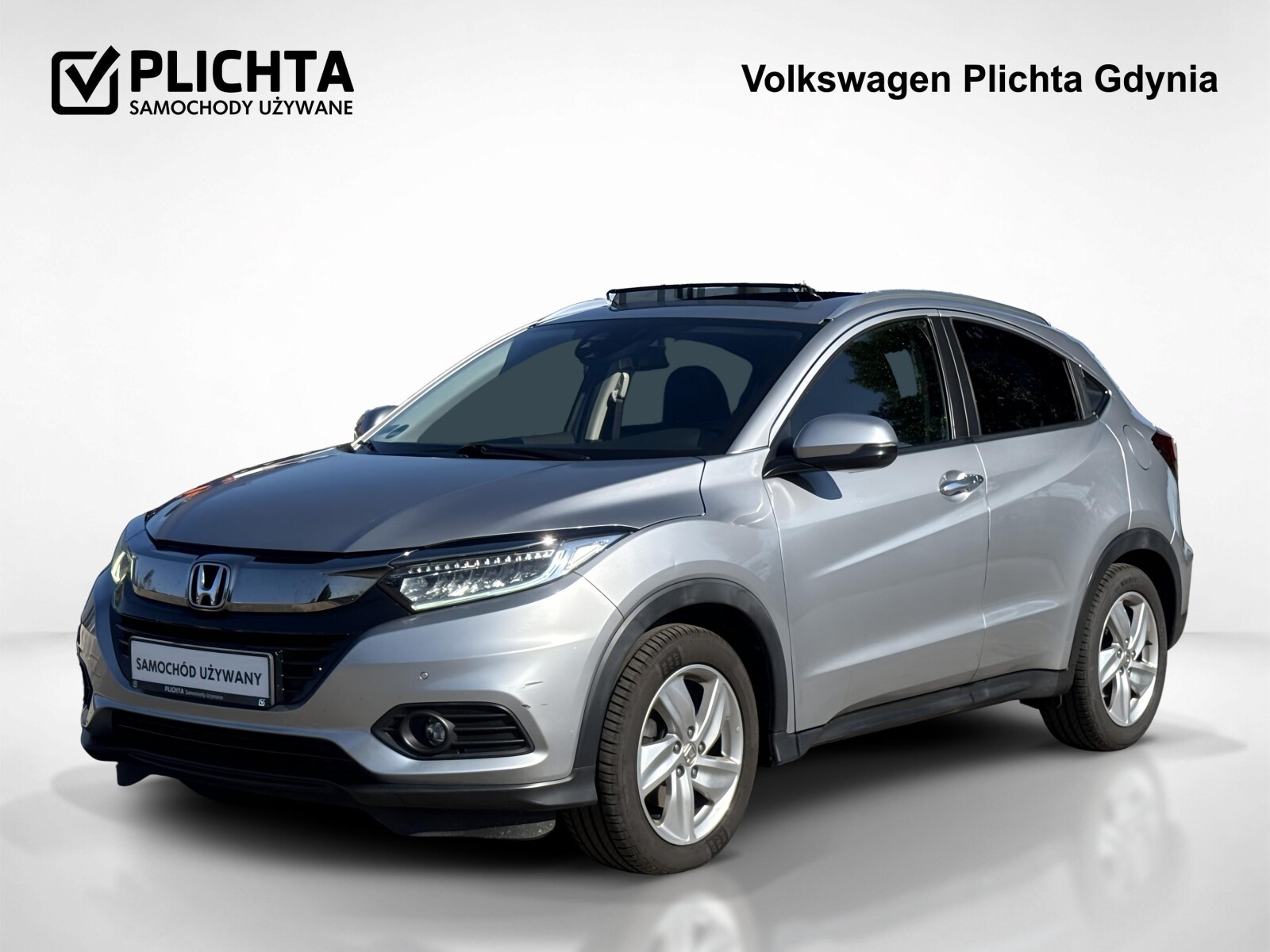
2019, gasoline, manual, 118K km, SUV, Front Wheels Drive, 1,498 cm3, 131 hp, silver, Used condition, Japan

plichta.com.pl
 Cisowa, Poland






















 Cisowa, Poland
 Miškiniai, LithuaniaMiškiniai, Lithuania
 Poland, Lesser Poland Voivodeship
 Municipiul Timişoara, RomaniaMunicipiul Timişoara, Romania
 Municipiul Galaţi, RomaniaRomania
A used Honda HR-V can look like an easy yes on screen: tidy photos, a familiar badge, and the promise of a practical crossover that fits daily life. In the EU market, though, the harder part is not finding a Honda HR-V. It is deciding whether the one worth driving across town or across a border to see is actually as good as it looks. With limited supply, some distance between strong offers, and seller transparency that varies a lot, the first clean listing is often just the first listing that photographed well.
That is why a smart Honda HR-V search starts before the phone call. With only a modest pool of cars for sale at any given time, buyers often widen the radius quickly and begin comparing examples from different regions. That can be sensible, but it also makes weak listings easier to excuse. A short description, missing service details, or vague ownership history matter more when you may travel to inspect the car. If the seller cannot give clear answers in messages, that is already useful information.
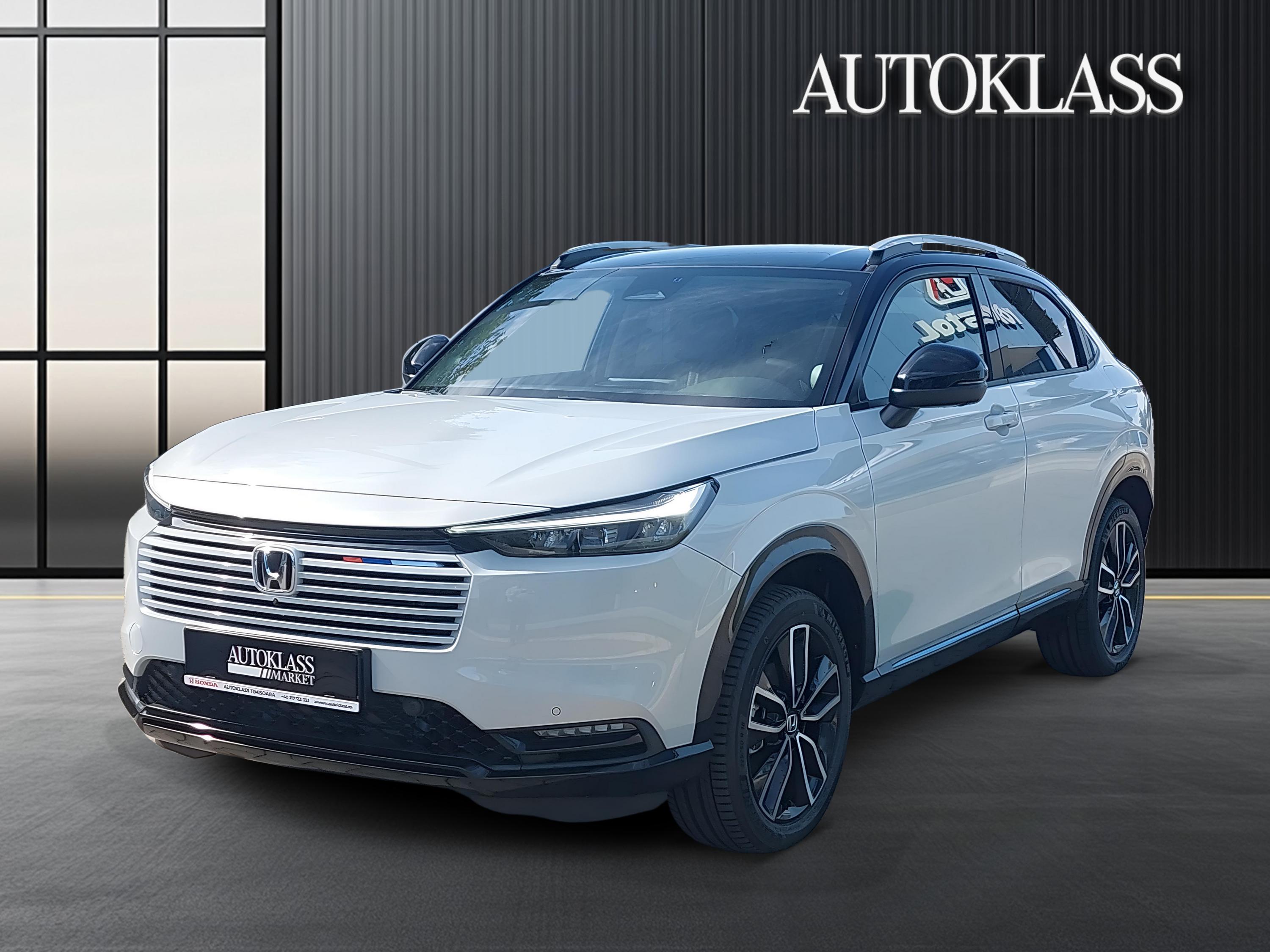
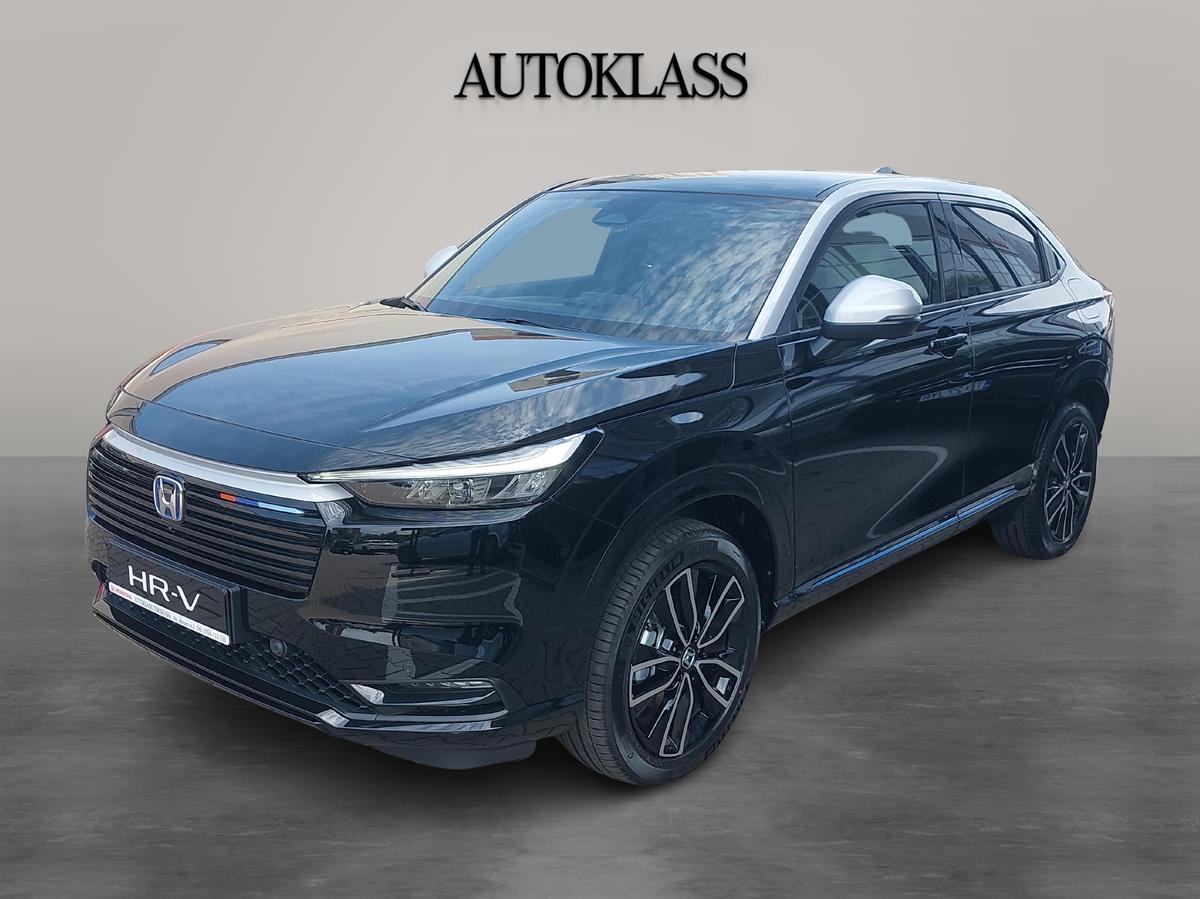
When you compare used Honda HR-V offers, focus first on whether the listing helps you build a believable story of the car. You want photos that show more than the flattering three-quarter angle: seats, steering wheel, cargo area, close shots of panels, and ideally the tires and lower body. A seller who avoids the ordinary details may also be avoiding the inconvenient ones.
Read the ad text slowly. Does it explain maintenance history, recent work, ownership duration, and why the car is being sold? It does not need to be long, but it should sound specific. “Well maintained” means very little by itself. “Oil changed regularly, brakes done last year, two keys, service records available” gives you something to verify. With the Honda HR-V, that kind of specificity is more valuable than polished language.
Also compare the condition story against the mileage story. A very low-mileage car with a heavily worn interior deserves closer scrutiny, just as a higher-mileage Honda HR-V with careful cosmetics and organized records may be the more honest, better ownership bet. Buyers too often chase the number on the odometer and ignore the quality of the evidence around it.
Before arranging a viewing, ask the seller a few direct questions and pay attention not only to the answers but to the style of the answers. Useful questions include:
A confident private seller will not always know every detail, but they usually know the car. A trader or reseller may still offer a good Honda HR-V, yet you should be stricter about documentation and more skeptical of generic assurances. If the reply to every question is “come and see,” assume the viewing may reveal the details the listing avoided.
This is where many EU buyers misread the market. They compare one Honda HR-V against another by year, mileage, and equipment, but forget to compare seller behavior. In a thinner market, the best purchase is not always the best-equipped car. It may be the one sold by someone who can explain what has been done, what still needs doing, and what the car is like on a cold start, in traffic, and on a longer run.
That matters because the Honda HR-V often attracts practical buyers who intend to keep the car for years, not just flip it quickly. When you find an example with consistent photos, believable wear, and a seller who answers plainly, you may be looking at a stronger car than a shinier listing with half the detail. The ad that feels a little boring can be the safest one in the shortlist.
No used Honda HR-V needs to be flawless to be worth buying. What you want is consistency. Does the exterior condition match the story in the ad? Does the cabin wear match the claimed mileage? Do panel gaps, paint shades, glass markings, and tire brands suggest careful ownership or a patchwork of shortcuts? Even before a test drive, small mismatches can tell you whether the listing was transparent.
On the drive, keep your expectations calm and your senses active. Listen for noises over rough surfaces, note how the transmission behaves, test the brakes smoothly and firmly, and check whether the engine feels even and settled once warm. Then try the small things buyers forget during a promising viewing: windows, mirrors, climate controls, parking aids, camera, folding seats, and boot operation. A Honda HR-V is often bought for daily convenience, so everyday functionality matters as much as headline condition.
The strongest Honda HR-V listings are usually the ones that hold together from first click to first conversation to first inspection. The photos support the description. The mileage makes sense with the interior. The seller can describe maintenance without sounding rehearsed. The documents are ready, not “somewhere.” That does not guarantee a perfect car, but it sharply improves your odds.
If you are choosing between several Honda HR-V cars for sale, resist the urge to rank them only by apparent bargain value. A cheaper car with missing history can become the expensive one very quickly. A slightly pricier example with clearer records, calmer seller communication, and fewer unanswered questions may be the stronger buy. In this part of the market, good judgment is often less about spotting the dream listing and more about refusing the convenient fiction.
 Add as preferred sourceSee more from zvelta in Google Search Add as preferred source