EN
ENDEALER

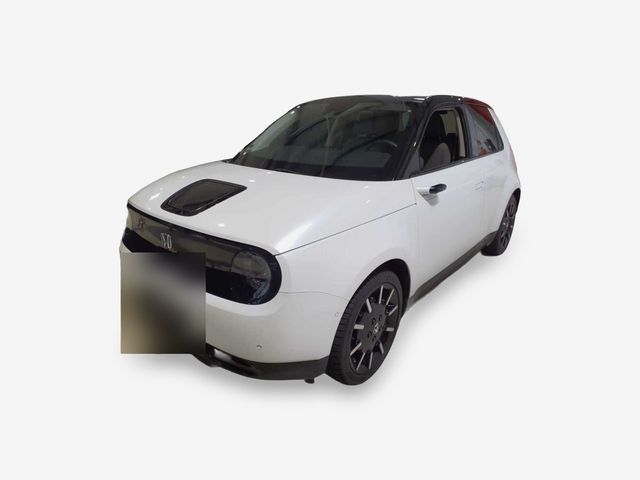
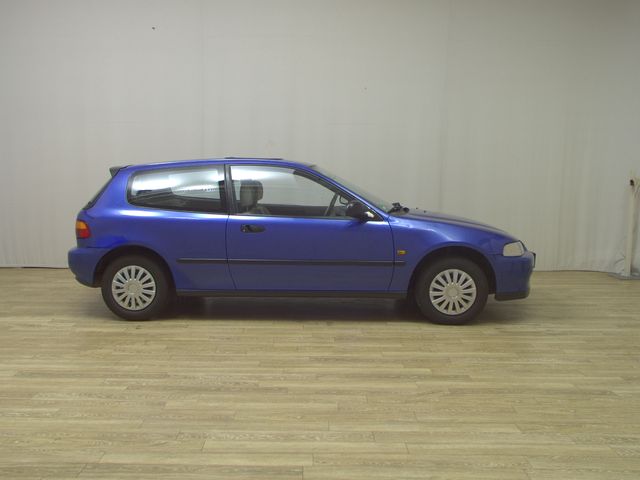
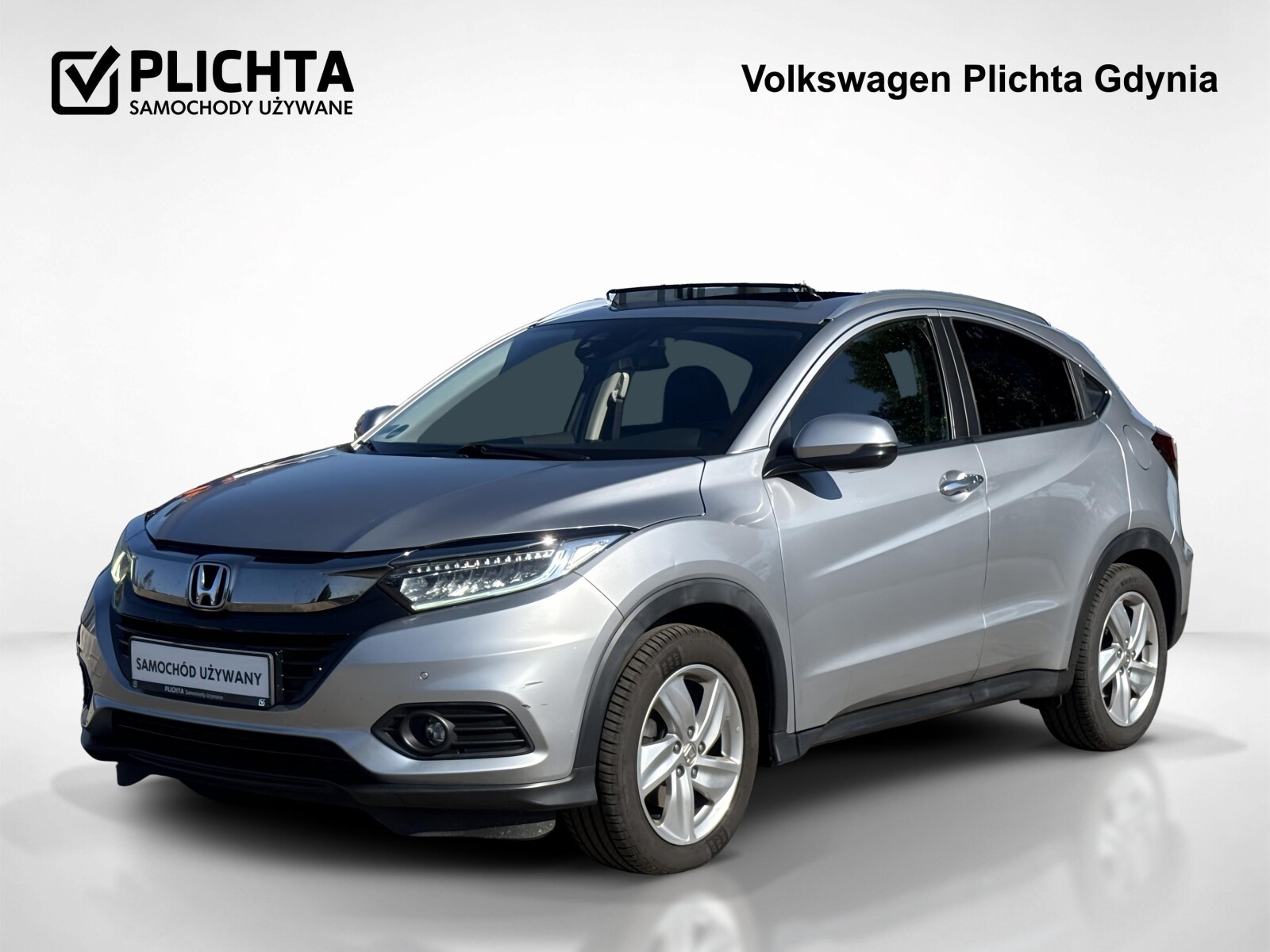
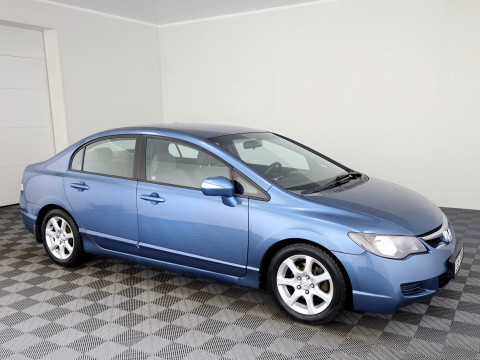
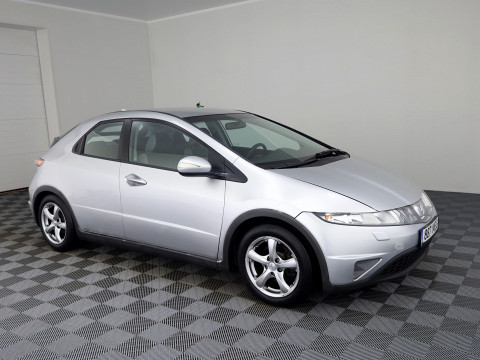
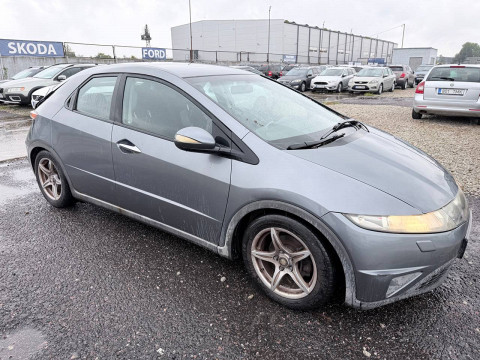
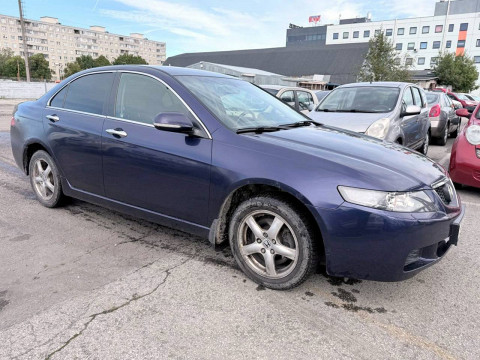
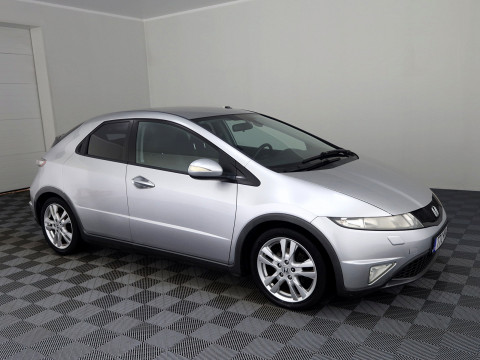
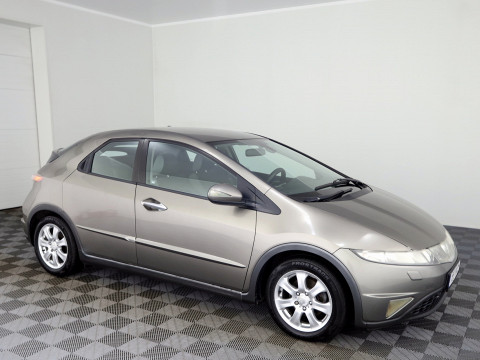
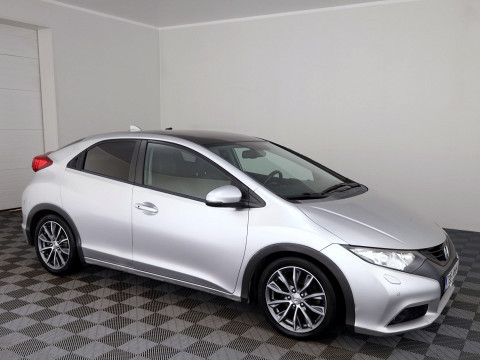
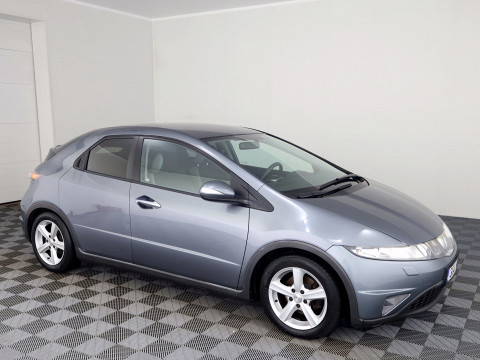
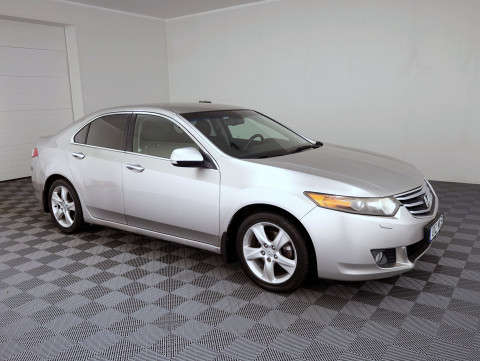
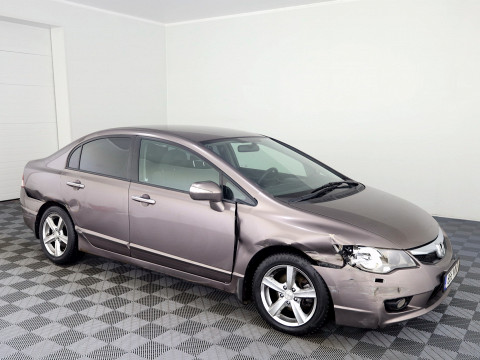
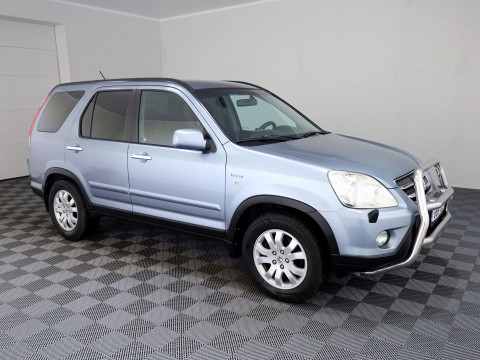
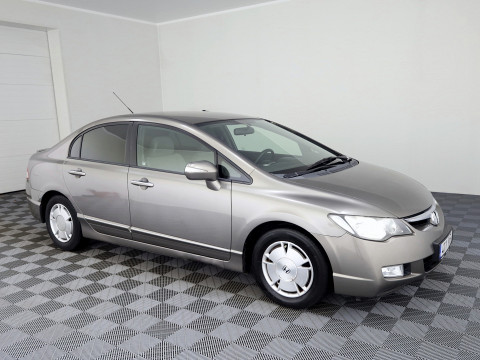
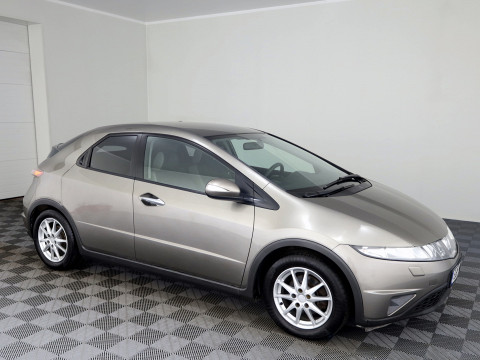
2012, automatic, 367K km, hatchback, 1,339 cm3, 88 hp, blue, 1.4 hybrid elegance, Used condition, Europa, In stock, sale date 16.10.2026 03:15

CarOutlet.eu
 Netherlands
Auction starts
16 Oct, 03:15






















 Netherlands
 Germany, Lower SaxonyGermany, Lower Saxony
 Cisowa, PolandCisowa, Poland
 Estonia, HarjumaaEstonia, HarjumaaEstonia, HarjumaaEstonia, HarjumaaEstonia, HarjumaaEstonia, HarjumaaEstonia, HarjumaaEstonia, HarjumaaEstonia, HarjumaaEstonia, HarjumaaEstonia, HarjumaaEstonia, HarjumaaEstonia, HarjumaaEstonia, HarjumaaEstonia, HarjumaaEstonia, HarjumaaEstonia, HarjumaaEstonia, Harjumaa
 Estonia, HarjumaaEstonia, Harjumaa
If you are browsing Honda listings in Europe, the smartest move is not to start with price. Start with the offers that already make sense before you even contact the seller. A cheap Honda can still become an expensive mistake if the ad is vague, the photos hide the car, or the maintenance story never becomes clear. A stronger shortlist begins with believable listings, then moves to cars worth a phone call, and only after that to cars worth your time in person.
The better Honda offers usually feel calm and complete. You see clear exterior shots in daylight, a tidy interior, readable mileage, and at least some attempt to explain ownership or service history. That does not prove the car is excellent, but it shows the seller understands what serious buyers need. With Honda in particular, that matters because many shoppers arrive with a built-in expectation of durability. Sellers know this, and weaker ads often lean on the brand name alone instead of giving useful evidence.
A good first-pass Honda shortlist should include cars where the seller can explain ordinary things without drama: how long they have owned it, where it was serviced, what was replaced recently, and whether any warning lights, cosmetic defects, or gearbox quirks need discussing. If the listing mentions maintenance in a specific, ordinary way rather than using empty phrases like "runs perfect" or "no investment needed," it is usually worth a call.
Some Honda listings look attractive because the price seems safely below the rest. That can be fine, but in practice the weak offers often share the same pattern: dark or selective photos, no cold-start information, no service records mentioned, and a description that tells you almost nothing beyond fuel type and transmission. If the seller avoids simple facts in the ad, expect the same on the phone.
This is where buyers waste the most time. A Honda with suspiciously little detail can pull you in because the brand has a reputation for being a sensible used buy. But reputation is not condition. A tired car with neglected servicing, poorly repaired bodywork, or unresolved transmission behavior is still a tired car. If the seller cannot tell you when it last had meaningful maintenance, whether the mileage is supported by documents, or why the car is being sold, move on quickly. The best shortlist is often built as much by what you reject as by what you keep.
A phone call should change the status of a Honda listing. Before the call, it is just interesting. After the call, it should either become a viewing candidate or leave your shortlist. Ask questions that force concrete answers. How long has the owner had the car? Is there service documentation, even partial? Are there two keys? Are there any dashboard lights, oil leaks, accident repairs, or known faults that are not obvious in the ad? Has the car spent long periods unused? If it is an automatic, ask how it behaves from cold and in low-speed driving. If it is a manual, ask about clutch feel and recent replacement history if known.
A small but useful detail: listen for how the seller answers, not just what they answer. Good private sellers usually know the car in an unpolished, believable way. They remember the last service, the tires they fitted, the scratch on one door, the reason they are changing cars. Weak sellers often speak in broad claims and get irritated by basic verification. That does not automatically make the car bad, but it often makes the trip less worthwhile.
When buyers compare Honda cars for sale, many get distracted by trim level, wheels, or one desirable option. In the real market, condition and ownership quality usually matter more. A modestly equipped Honda with consistent servicing, straight body panels, and a seller who answers cleanly is usually a better bet than a flashier example with unclear history.
This matters even more in a multi-country European market, where listings can vary in style, detail, and preparation. Some sellers present a car honestly but briefly. Others present it beautifully while avoiding the important parts. Try comparing offers in layers. First, eliminate listings with weak photos, missing basics, or evasive wording. Second, compare mileage together with service evidence, not mileage alone. Third, compare visible wear: steering wheel, seat bolsters, pedals, luggage area, panel gaps. A Honda with slightly higher mileage but a coherent ownership story may be the stronger buy.
Here is the less obvious point many buyers learn late: Honda ads often attract shoppers who are already half-convinced. That makes it easier to forgive missing details. Resist that instinct. A brand can have a strong image and still appear in lazy listings, quick cosmetic flips, or ads built around "trust me" language. Your shortlist gets better the moment you treat Honda the same way you would treat any other used car brand: verify first, admire later.
The best Honda listings often give away their quality before you read the whole description. Consistent panel color, even tire condition, clean door shuts, and photos of the boot, engine bay, and rear seats usually suggest a seller with nothing obvious to hide. Interior photos matter more than many people think. Excessive wear, warning lights caught in the instrument cluster, missing trim pieces, or a heavily cleaned cabin that still looks neglected can tell you plenty.
Wording matters too. A seller who admits small faults can actually raise confidence. "Minor scratch on rear bumper" is better than pretending the car is flawless. "Serviced regularly, invoices available" is more useful than "top condition." If the ad sounds defensive, overly emotional, or strangely aggressive about the price, take that as a prompt to slow down.
It is tempting to save ten or fifteen Honda offers and promise yourself you will compare them later. Usually, that creates noise. A practical shortlist is short. Keep the listings with believable photos, sensible answers, documentable history, and condition that matches the asking price. Then rank them by viewing priority: the one that sounds honest and complete first, the one with one or two open questions second, and the cheap but uncertain one only if you have strong reason to believe it is misunderstood rather than weak.
That final distinction is where good buying decisions are made. The right Honda listing is not always the cheapest, nearest, or best-equipped. It is the one where the story, photos, condition, and seller behavior line up. If those pieces fit together, it deserves a call. If the call also holds up, it deserves a visit. If not, skip it without regret and keep your shortlist clean
 Add as preferred sourceSee more from zvelta in Google Search Add as preferred source