EN
ENDEALER
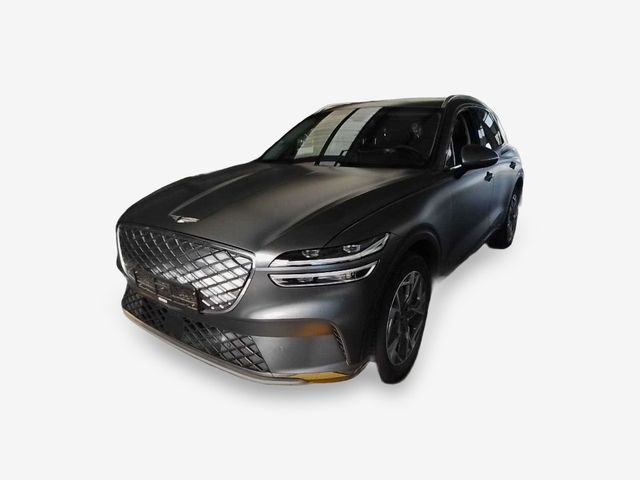
41.447 US$DEALER
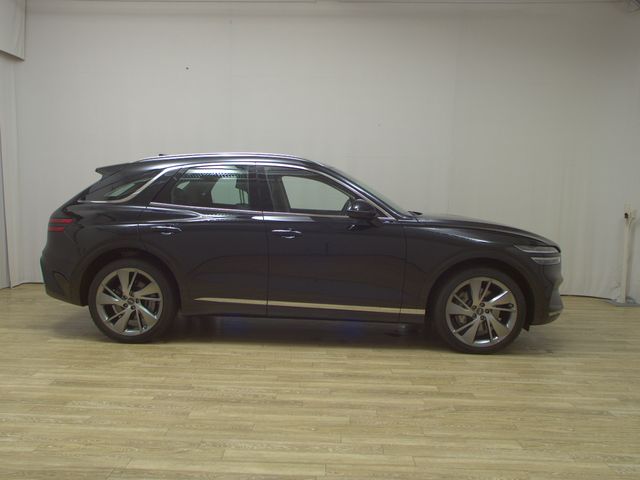
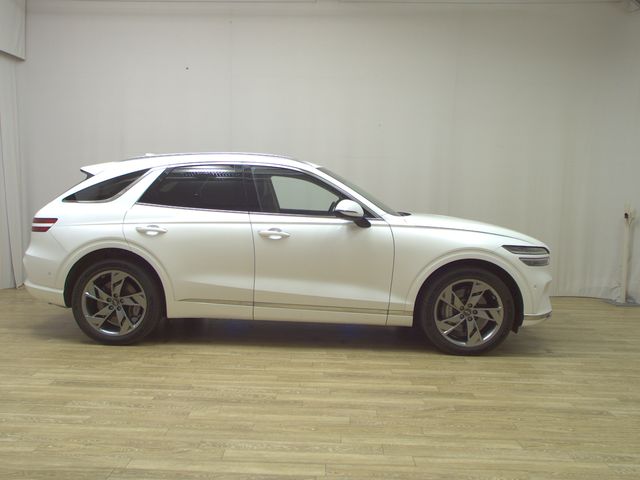
2023, electric, automatic, 53K km, pickup, 209 hp, grey, GV70 Sport, Used condition, South Korea, In transit

AutoHus.de
 Germany, Lower Saxony





















 Germany, Lower SaxonyGermany, Lower SaxonyGermany, Lower Saxony
If you are shopping for a Genesis GV70 in Europe, the biggest mistake is treating every listing as equally worth your time. On a page with very limited availability, the real job is not scrolling longer; it is judging faster. A promising Genesis GV70 offer should give you enough evidence to justify a call, a longer conversation, and only then a trip to see the car. When supply is thin, weak ads can feel more tempting than they should. That is exactly when a buyer needs more discipline, not less.
The Genesis GV70 often lands on a shortlist for buyers who want a premium SUV but do not want to follow the most obvious German path. That creates an interesting market pattern: people looking at this model are usually comparing quality of ownership, equipment, design, and seller transparency just as much as badge prestige. In practice, that means a clean, well-described Genesis GV70 listing can be more valuable than several vague alternatives in the same class.
Start with the basics, but read them like a skeptic. Are the photos consistent, or do they hide one side of the car, wheel condition, or interior wear? Does the seller describe maintenance history in a specific way, or just use broad phrases such as "full service" without dates, invoices, or a service record? A serious seller of a Genesis GV70 should be able to explain how the car was maintained, what was done recently, and whether there are any cosmetic or technical issues worth mentioning before you arrive.
Buying a Genesis GV70 in the EU market can easily become a travel decision as much as a car decision. Once a listing is outside your normal driving radius, inspection logistics start affecting the deal. That does not mean avoiding distant cars; it means becoming stricter before you commit to the journey. Ask for cold-start video, close photos of wheels and tyres, a walk-around in daylight, and interior details that show seat wear, switches, screens, and load area condition. If the seller hesitates on simple evidence, imagine how much time you could waste on a cross-border visit.
This is where many buyers rush. They see a rare Genesis GV70 for sale in Europe, worry that someone else will grab it, and skip the hard questions. Better approach: slow the process down before the trip so the viewing can move faster. Ask whether the car has two keys, what documents are available, whether the service history is digital or paper-based, and whether any warning lights, software issues, or driver-assistance faults have appeared. You are not accusing the seller of anything; you are checking whether the ad is backed by a real ownership story.
A weak Genesis GV70 listing is often not dramatic. It is simply thin. Too few photos. No mention of maintenance timing. No explanation of ownership history. No useful comments about condition beyond generic praise. A stronger ad usually sounds calmer and more precise: it mentions what is included, what has been serviced, what the mileage context is, and what imperfections exist.
Look closely at how the seller talks about condition. "Like new" is less useful than "small scratch on rear bumper" or "front tyres replaced recently." Precision is a good sign because it suggests the seller expects an informed buyer. For a used Genesis GV70, equipment also deserves attention, not because more is always better, but because it helps explain price differences between similar-looking offers. Before comparing values, make sure you are not comparing very different specifications, wheel sizes, upholstery, assistance features, or convenience equipment.
One less obvious point: with a model like the Genesis GV70, seller confidence can be revealed by how they handle comparison questions. If you ask why their car is the right buy versus another premium SUV, a genuine owner or careful dealer will usually answer with specifics about history, condition, and configuration. A weaker seller often returns to generic language about luxury, comfort, or "top condition" without actually proving anything. That difference matters more than polished wording.
Instead of asking "Is it still available?" and little else, use the first call to decide whether the car deserves a viewing. Ask what the seller would fix if they were keeping it for another year. Ask when the last service was done and what paperwork supports it. Ask whether there is any visible wear not obvious in the photos. Ask whether the gearbox, suspension feel, infotainment functions, cameras, parking sensors, and climate system all operate as expected. You do not need a perfect answer every time; you need a direct one.
If the Genesis GV70 is being sold by a dealer, ask whether the car was sourced locally or imported within Europe and whether they can clearly document that path. If it is a private sale, ask how long they have owned it and why they are selling now. Ownership logic often tells you more than ad copy. The goal is not to catch someone out. The goal is to understand whether the story, the documents, and the visible condition line up.
A Genesis GV70 is worth viewing when three things line up: the listing is detailed, the seller answers calmly and specifically, and the car’s condition story makes sense for its mileage and presentation. If one of those pieces is missing, keep comparing. In a thin market, patience feels uncomfortable, but unnecessary travel and rushed decisions cost more.
The smart buyer in Europe treats distance as a filter, not a romance. A rare car can still be a weak offer. A short ad can still hide a long list of questions. And a well-kept Genesis GV70 usually gives off the right signals early: consistent photos, coherent history, believable condition, and a seller who helps you verify rather than pushing you to hurry. That is the listing to take seriously.
 Add as preferred sourceSee more from zvelta in Google Search Add as preferred source