 EN
DEALER
31.632 US$DEALER
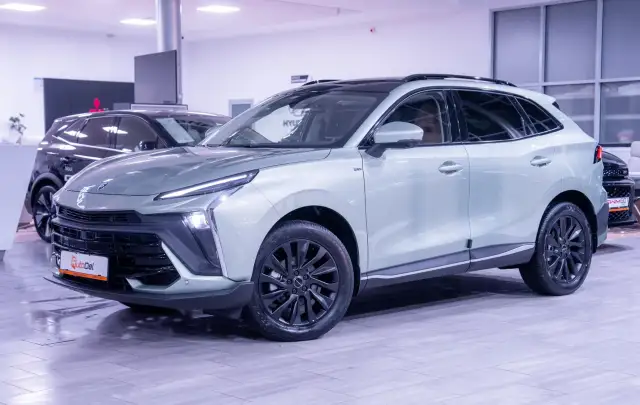
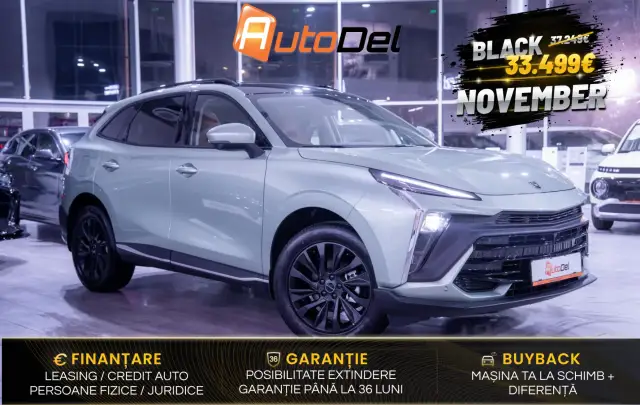
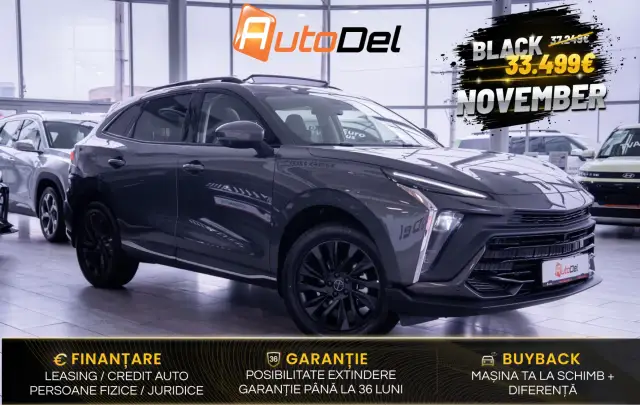
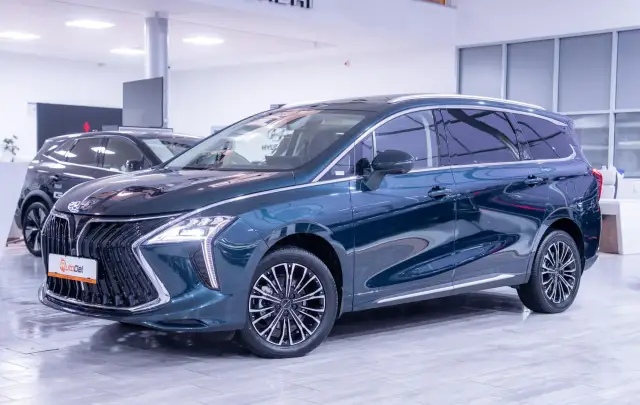
hybrid, automatic, 15 km, SUV, Front Wheels Drive, 1,497 cm3, 232 hp, green, 1.5L Automat 2WD PHEV 232 CP, Used condition, China, In stock

AutoDelRulate.ro
 Romania, Suceava



















 Romania, SuceavaRomania, SuceavaRomania, SuceavaRomania, SuceavaRomania, Suceava
If you are looking at Forthing in the European market, the first useful question is not "is this rare?" but "is this listing complete enough to deserve my time?" With a brand that appears less often in used and nearly new classifieds, weak ads waste more time than usual. A short description, a few flattering photos, and no clear ownership story may be enough for a common model with dozens of alternatives nearby. For Forthing, where you may travel farther to inspect one, the ad needs to do more work up front.
In a broad eu market search, location matters earlier in the process than many buyers expect. A Forthing offer in one country may look attractive until you factor in distance, inspection timing, registration questions, and the simple risk of arriving to find a car that was photographed kindly but presented vaguely. That changes how you should compare offers. Before you focus on mileage or equipment, ask whether the seller gives enough detail to justify a call, and whether the call gives enough confidence to justify a trip.
A stronger Forthing listing usually shows a clear condition story: exterior photos in even light, interior photos that are not avoiding wear points, readable instrument-cluster shots, and some evidence of maintenance or recent servicing. If the seller mentions imported status, recent registration, or long periods off the road, ask for specifics rather than filling in the blanks yourself. With a less familiar brand, small unknowns stack up quickly.
Start with basics that sound boring but save real time. Check whether the ad clearly states year, mileage, transmission, fuel type or powertrain, registration status, and how long the seller has owned the car. Then look for the things that separate a serious listing from a placeholder: service invoices, tyre condition visible in photos, keys shown or mentioned, and a description that sounds like someone who actually knows the car rather than someone copying a template.
One useful trick with Forthing listings is to compare what the seller chooses to explain. On mainstream brands, missing detail can be offset by market familiarity; buyers already know what they are likely to get. With Forthing, seller clarity becomes part of the value. If one offer explains maintenance history, charging or fuel-use routine where relevant, prior ownership, and cosmetic flaws honestly, that car may be more worth viewing than a slightly cheaper alternative with better photos but no narrative.
Instead of asking only "best price," ask questions that make weak offers unravel quickly. For example: Which servicing was done most recently, and where? Are there invoices or stamped records? Has anything been replaced due to wear recently? Are there warning lights on startup? Are there two keys? Are all assistance systems and infotainment features working normally? If the car was brought from another country, what documents are available now and what still needs to be handled?
These questions are not about catching the seller out. They help you understand whether the Forthing has been owned with attention or merely moved on. A seller who answers directly, sends additional photos without drama, and can show documents in order is already reducing your risk.
Here is the less obvious part: with Forthing, your real comparison is often not car versus car, but confidence versus compromise. Buyers sometimes overvalue rarity because it feels like they have found something special. In classifieds, rarity can just as easily mean limited local reference points, fewer obvious comparables, and more temptation to excuse a weak listing because "another one may not show up soon." That is exactly how people end up viewing cars they should have filtered out from the sofa.
So compare each Forthing offer against the discipline you would use on a more common brand. If panel gaps look odd, if the mileage story is thin, if service history is described but not shown, or if the seller avoids simple ownership questions, do not let scarcity lower your standards. A rare badge does not improve a vague ad.
Because a Forthing in Europe may require a longer trip to inspect, prepare a simple order for your checks. First confirm the documents you expect to see. Then confirm cold-start behavior if possible, dashboard warnings, tyre and glass condition, obvious paint mismatch, and wear on the steering wheel, seats, and controls compared with the stated mileage. During a test drive, listen for anything the listing never mentioned: suspension noise, hesitation, drivetrain shudder, or electronics that work only sometimes.
If the seller is meeting you somewhere other than where the car is normally kept, ask why. If the photos are old, ask when they were taken. If the registration situation sounds complicated, slow the process down. In cross-border searches, rushing is expensive. The point is not to find reasons to reject a Forthing; it is to make sure the car you travel for is actually the car being advertised.
Low availability can make every Forthing for sale feel urgent. Usually it is not. A thin market does mean you may need patience and broader comparison habits. Save several listings over time, even imperfect ones, and note what repeats: vague maintenance language, missing interior photos, reused dealer wording, or strong documentation from private owners. Patterns matter when individual listing volume is small.
It is also smart to keep one or two alternatives in mind outside the brand. Not because you should abandon Forthing, but because alternatives help you judge whether a specific offer is genuinely well presented or just benefiting from a lack of nearby competition. Good buyers stay flexible without becoming random.
A worthwhile Forthing listing is not just the one with the nicest photos or the most tempting number in the price box. It is the one that lets you understand the car before you invest travel time, inspection effort, and negotiation energy. If you shop that way, you will spot the serious offers faster and avoid turning rarity into pressure.
 Add as preferred sourceSee more from zvelta in Google Search Add as preferred source