 EN
ENDEALER

6.527 US$DEALER
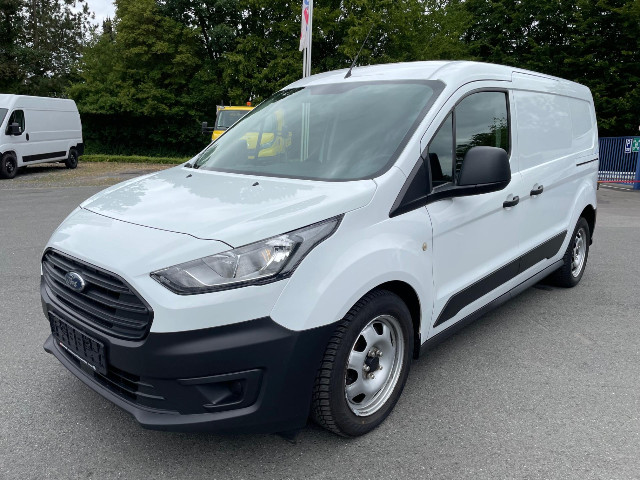
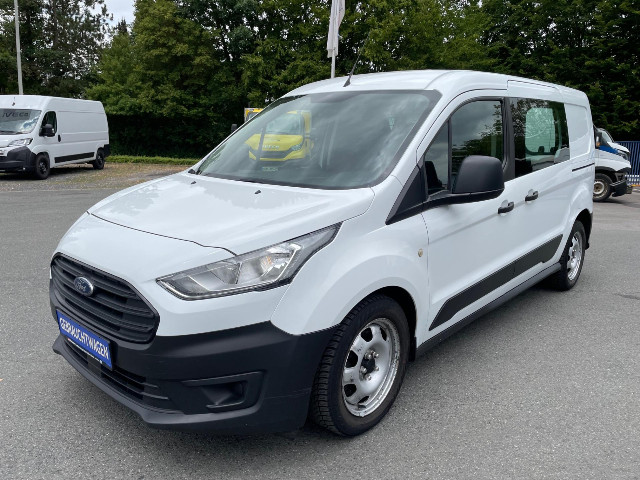
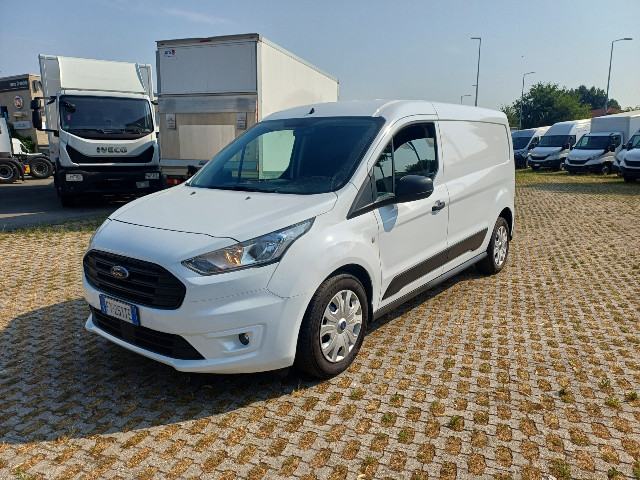
2022, gasoline, manual, 66K km, pickup, 101 hp, white, Van 1.0 EcoBoost 74kW Trend 210 L2, Used condition, Europa, In stock, sale date 19.10.2026 06:45

CarOutlet.eu
 Spain
SpainAuction starts
19 Oct, 06:45






















 SpainSpainSpainSpainBelgiumNetherlandsNetherlandsNetherlandsNetherlandsNetherlandsFranceFranceFrance
 GermanyGermanyGermanyGermanyGermany
 Allersheim, GermanyAllersheim, GermanyMoncalieri, ItalyAustriaAustriaAustria
 Zielona Górka, Poland
The smart way to shop for a Ford Transit Connect is to assume that many listings will look similar at first glance, while the real differences only appear once you slow down and compare usage history, condition, and seller honesty. That matters even more in the European market, where a Ford Transit Connect for sale may come from very different working lives: delivery routes, trade use, mixed family duty, or light commercial fleets. If you treat every clean photo set as an equal offer, you will waste time. If you compare the details behind the ad, the shortlist gets better quickly.
A used Ford Transit Connect often attracts practical buyers for one simple reason: it sits in that useful middle ground between compact size and real daily usefulness. The problem for buyers is that this also creates a lot of near-duplicate listings. Two vans can look almost identical in photos, yet one has had steady careful servicing and the other has spent years doing short, heavy urban work with only the minimum maintenance needed to keep it moving.
That is why the first filter should not be color, wheel trims, or even headline mileage alone. Start by comparing the role each Ford Transit Connect likely had. Read the bodywork, cargo area, seats, and steering wheel together. A seller can write “good condition” in any ad, but worn load surfaces, tired interior plastics, mismatched tires, or a suspiciously fresh steering cover often tell a more useful story. In a market full of similar offers, small clues matter more than big promises.
A strong Ford Transit Connect listing usually answers practical questions before you ask them. You want to see clear photos of the outside, cabin, rear load area, and ideally the areas sellers often skip: seat bolsters, floor, door shuts, and instrument cluster. If the van is being sold as tidy and well kept, the photos should support that claim without theatrical angles or selective cropping.
Pay attention to how the seller describes maintenance. You are not looking for perfect wording; you are looking for consistency. A good listing may mention service history, recent maintenance, ownership background, or what work was done recently. A weak offer often hides behind vague phrases like “drives well” while saying almost nothing about documents, servicing, warning lights, or how the vehicle was used. With a Ford Transit Connect, that gap matters because commercial-style use can age a vehicle differently from private use even when mileage numbers are not shocking.
There is also a less obvious clue here: some sellers understand that buyers of a Ford Transit Connect are practical and detail-driven, so honest sellers often write more usefully than sellers of lifestyle cars. If an ad still manages to say very little on a model like this, take that as a signal. Silence is not always a red flag, but it is rarely a green one.
Before arranging a viewing, send a short message or call with focused questions. Ask how long the seller has owned the Ford Transit Connect, what kind of work or driving it mainly did, whether there is service documentation, and whether any warning lights, gearbox issues, or recurring faults need to be discussed before you come. Ask directly whether the mileage can be documented across inspections or service records.
Then ask something that reveals how transparent the seller is: “What would you want me to know before I see it in person?” Honest sellers usually answer with something concrete, even if it is minor cosmetic wear or a small fault. Sellers who dodge simple questions, repeat ad language, or rush you toward a meeting without specifics are often not offering the strongest car in the group.
For a Ford Transit Connect, also ask about the load area and rear doors, how often it carried weight, and whether the interior configuration is exactly as shown. On this kind of vehicle, practicality details can be the difference between a good buy and a compromise you notice every week.
The cheapest Ford Transit Connect for sale in the EU market can be tempting because this is often a rational purchase, not an emotional one. But practical buyers sometimes make the same mistake twice: first by searching for the lowest price, and then by underestimating the cost of catching up on neglected maintenance, cosmetic repairs, missing keys, worn tires, or unresolved paperwork.
A better approach is to compare each listing as a total ownership starting point. If one Ford Transit Connect costs a bit more but has clearer history, more complete photos, stronger seller communication, and fewer visible compromises, it may be the cheaper vehicle in real life. The offer worth seeing first is rarely the one with the most aggressive headline. It is the one that looks easiest to understand.
This is where buyers often miss a subtle market signal. On a common-use model, weak sellers rely on buyer fatigue. They assume that after scrolling through many similar Ford Transit Connect ads, you will lower your standards just to make progress. Resist that. Similar listings should make you stricter, not looser, because comparison is your advantage.
When you finally inspect a Ford Transit Connect, do not rush straight to the engine and ignore the rest. Walk around it slowly and check whether the wear makes sense as one coherent story. Look at panel alignment, paint consistency, glass markings, handles, cargo floor wear, seat condition, pedals, and the general level of care. If the seller claims light use but the loading area looks heavily worked, ask why.
Inside the cabin, test everything that affects daily life: doors, locks, windows, heating and ventilation controls, infotainment if fitted, seat adjustment, and signs of water ingress or neglected trim. During the drive, listen for noises on rough roads, feel how the transmission behaves, and pay attention to steering feel, braking, idle quality, and whether the vehicle warms and runs consistently. Do not try to diagnose every mechanical detail on the spot; focus on whether the Ford Transit Connect behaves like a sorted vehicle or like one with a list waiting for your wallet.
If you are comparing Ford Transit Connect cars for sale across Europe, the winning strategy is usually patience rather than speed. Build a shortlist of the most believable offers, not the most dramatic ones. Compare seller transparency, maintenance history, visible wear, mileage support, and how well the vehicle’s condition matches its claimed use. A practical model rewards practical shopping.
The right Ford Transit Connect is not just the one that starts, drives, and fits the budget today
 Add as preferred sourceSee more from zvelta in Google Search Add as preferred source