 EN
ENDEALER

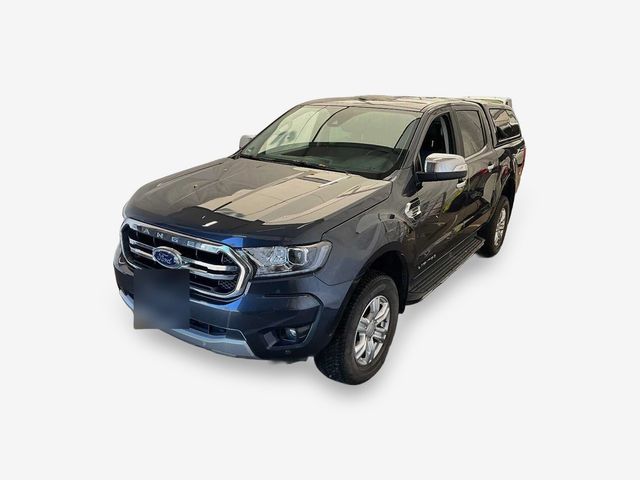
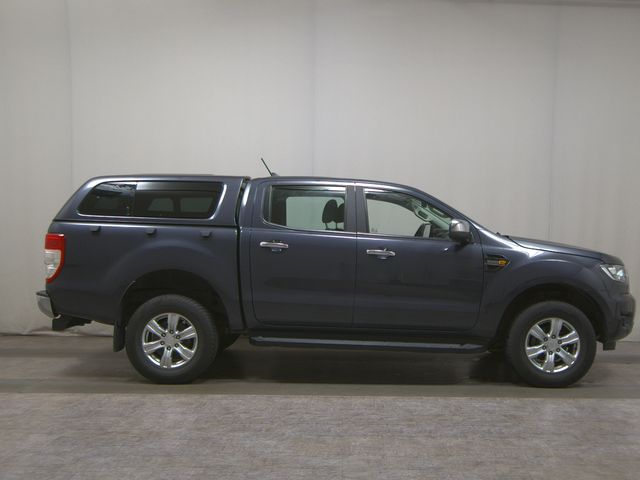
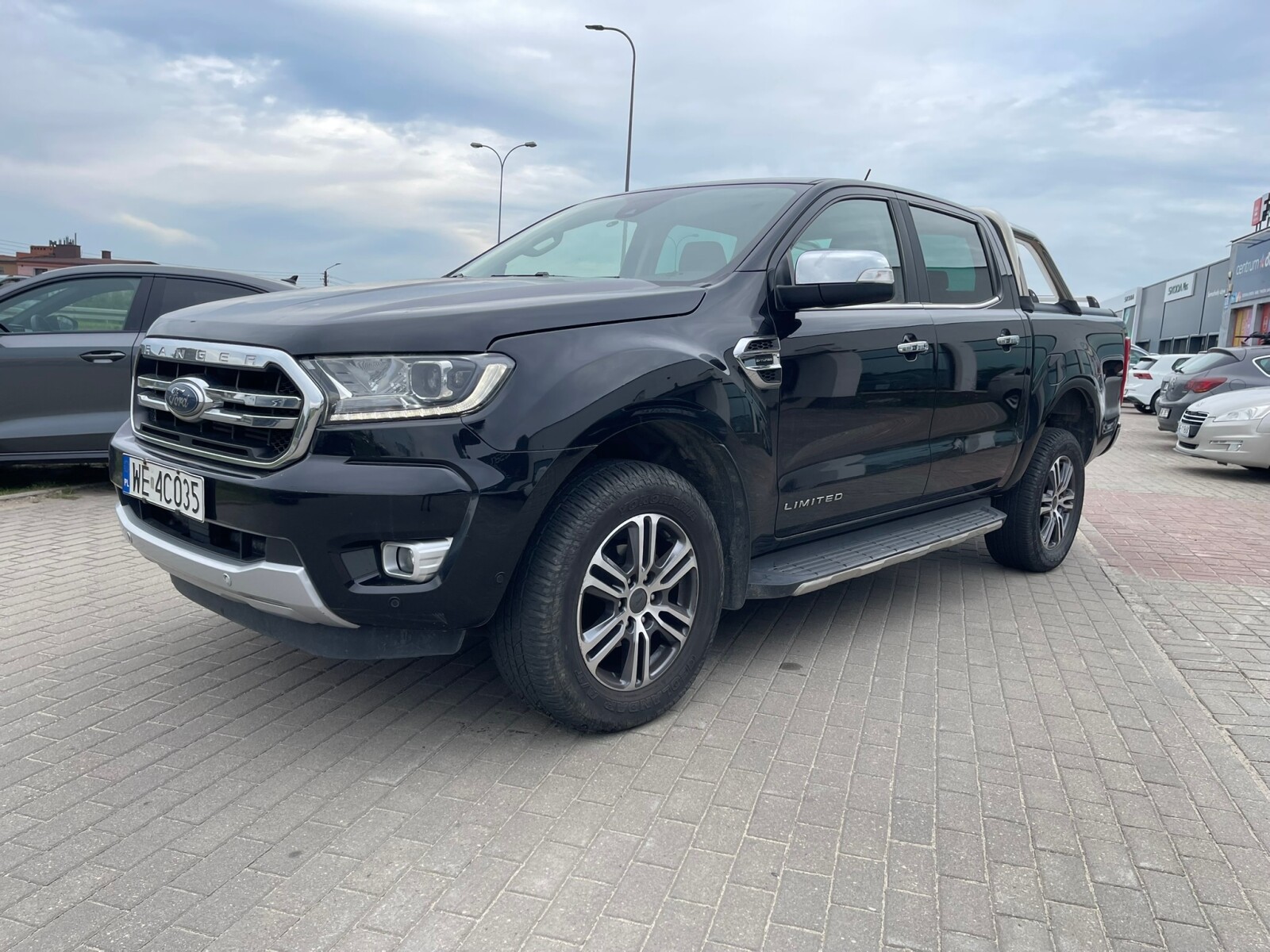
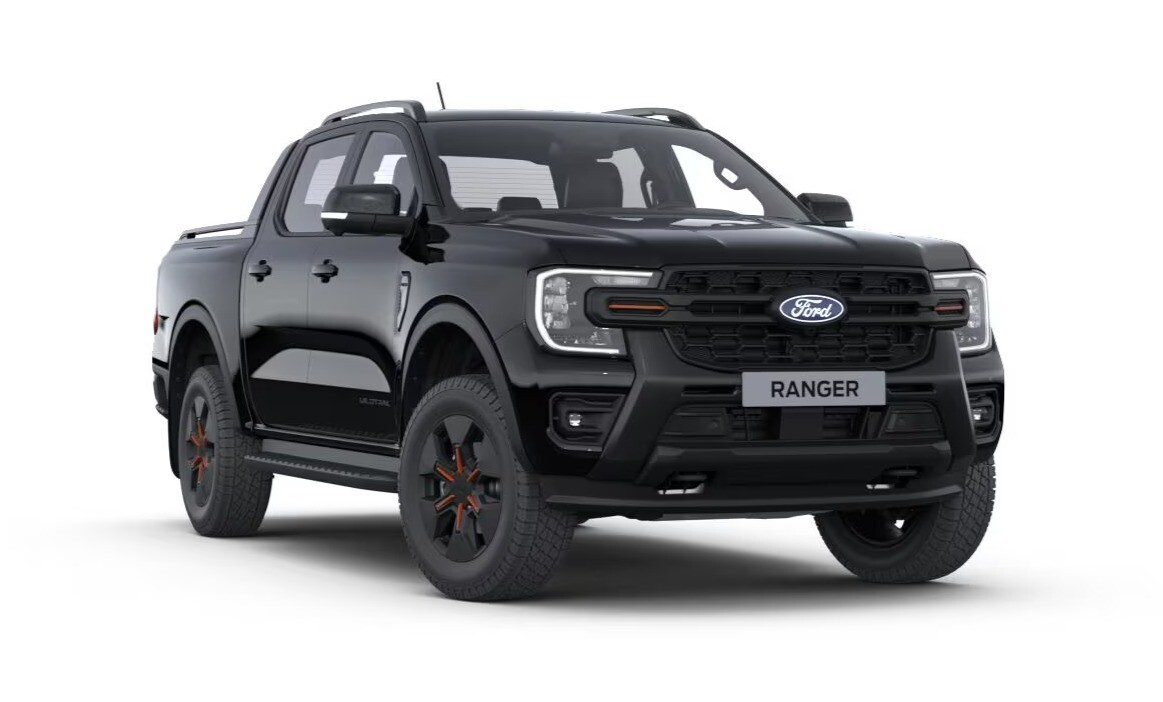
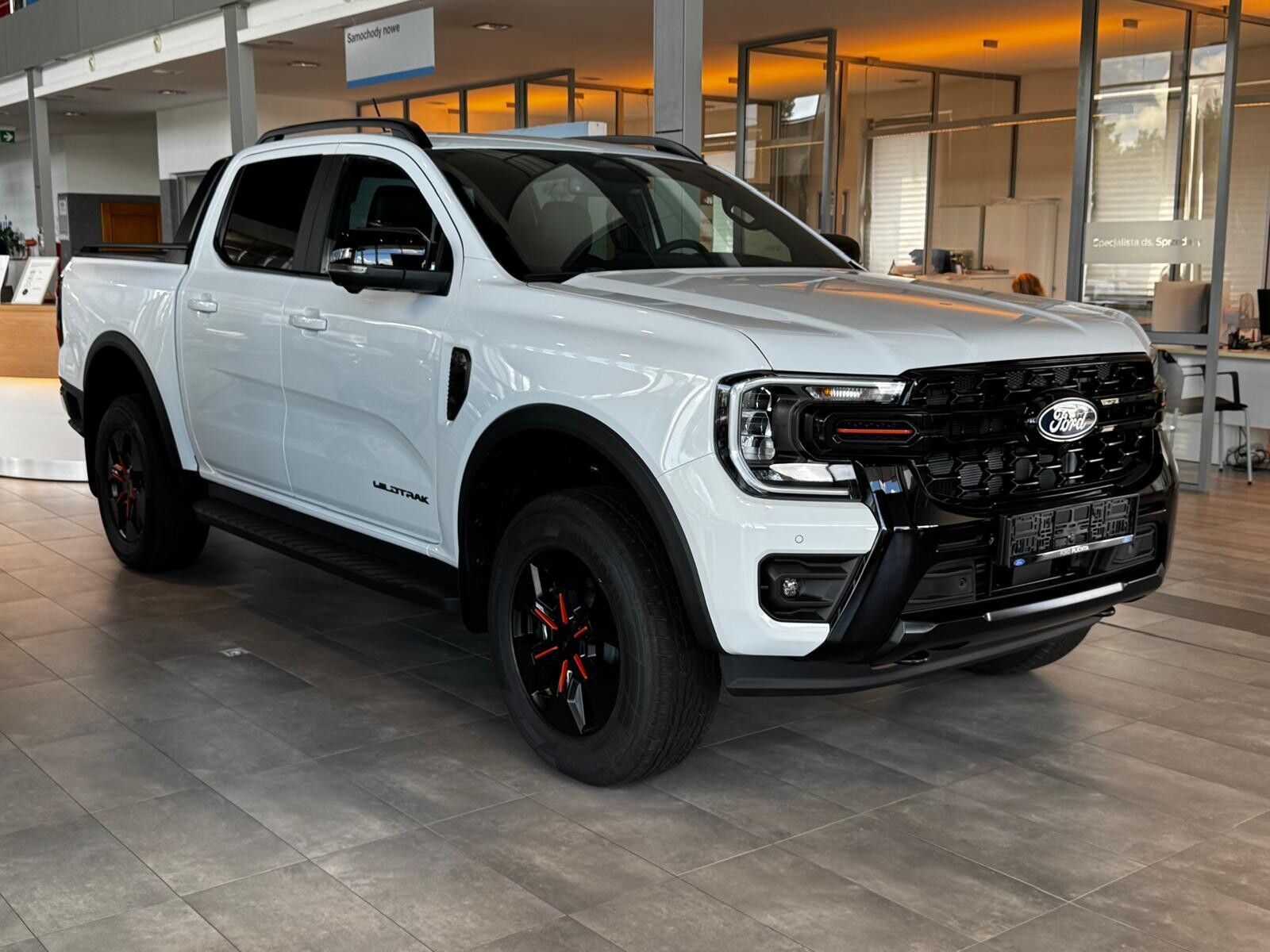
2022, diesel, manual, 60K km, SUV, 170 hp, white, 2.0 Ecobl 125kW 4x4 Dob Cab. Limited S/S, Used condition, Europa, In stock, sale date 19.10.2026 06:45

CarOutlet.eu
 Spain
SpainAuction starts
19 Oct, 06:45






















 SpainBelgiumNetherlandsFrance
 Germany, Lower SaxonyGermany, Lower SaxonyGermany, Lower SaxonyGermany, Lower SaxonyGermany, Lower SaxonyGermanyGermanyGermany
 Pieleszewo, PolandSzadółki, PolandSzadółki, PolandSzadółki, PolandBartodzieje Małe, PolandZielona Górka, PolandZielona Górka, Poland
 PolandPolandItalyItalyItaly
 Romania, Timiş
If you are shopping for a Ford Ranger, the hard part usually is not finding one to click on. It is separating the genuinely well-kept pickup from the one that only looks convincing in a tidy first photo. On a model like the Ford Ranger, many ads can seem similar at a glance: same body style, similar mileage claims, similar equipment language, similar promises of "excellent condition." The buyer who does well here is the one who slows down, compares details carefully, and treats each listing as a story that either makes sense or falls apart.
The Ford Ranger often lands on shortlists for buyers who want a pickup that can work during the week and still feel manageable for regular road use. That dual role is exactly why weak listings can hide in plain sight. One truck may have spent most of its life as a tidy personal vehicle; another may have had a much harder routine, even if the paint still photographs well. Before you contact anyone, compare the basics across several Ford Ranger offers at once: year, mileage, visible wear in the cabin, tow-related clues, bed condition, wheel and tire setup, and how specific the seller is about maintenance.
A listing with ten photos and almost no written detail is not automatically bad, but it is asking you to do more detective work. On the other hand, an ad that explains recent service, shows the load area clearly, includes dashboard photos, and does not hide the steering wheel or driver seat usually gives you a better starting point. With used Ford Ranger listings in the EU market, the strongest ads tend to feel calm and transparent rather than overexcited.
A good Ford Ranger listing usually answers questions before you ask them. Look for consistency between the mileage, the interior wear, and the overall presentation. If the driver seat is heavily worn, the steering wheel is shiny, and the pedal rubbers look tired, a very low mileage claim deserves extra scrutiny. If the bed liner is badly scratched, the tow hitch looks heavily used, and the seller says the pickup was only for light private driving, ask for a clearer explanation rather than filling the gaps yourself.
Photos matter, but not just because more is better. On a Ford Ranger, useful photos include the rear load area, tailgate, underbody angles when available, wheel arches, and close shots of areas where cosmetic use can reveal harder working life. Cabin images also tell you a lot. Commercial-use vehicles and dual-purpose pickups often age differently inside than a normal passenger car, and buyers who ignore that can waste time on the wrong viewing.
There is also a less obvious signal many people miss: the language of the ad. When a seller keeps repeating broad praise but avoids plain answers about ownership, service history, or why the vehicle is being sold, that usually tells you more than the polished exterior photos. A straightforward private seller or a serious dealer does not need to write poetry about a Ford Ranger. They need to explain what it is, how it was maintained, and what the next owner should know.
When you shortlist a Ford Ranger, send a short message or make a focused call. Ask whether the service history is documented, whether there are invoices for recent work, and whether the seller can confirm what was done last rather than only saying "serviced on time." Ask how the pickup was used: commuting, mixed family and work duty, towing, site work, farm use, or longer road trips. None of those uses automatically rules out a vehicle, but each one changes what you should inspect more closely.
You should also ask whether there are any warning lights, whether all major equipment works, and whether there is anything the seller would fix if they were keeping the Ford Ranger. That last question is underrated. Honest sellers often reveal small but useful truths when asked that way. If the answer is vague or defensive, be careful.
For EU-market listings, document clarity matters as much as cosmetic condition. Ask whether registration papers, service records, and ownership details are ready to review. If the ad mentions imported history or recent registration changes, do not treat that as a problem by itself, but do ask for a clean timeline. The best Ford Ranger offers are not always the cheapest or newest-looking ones; they are the ones with a story you can actually verify.
One trap with Ford Ranger shopping is assuming that closely priced listings are basically interchangeable. They rarely are. A slightly more expensive pickup may make better sense if the maintenance evidence is stronger, the wear is more believable, and the seller communicates clearly. A cheaper example can still be a smart buy, but only if the reasons are visible and acceptable rather than hidden behind weak photos and short answers.
This is where buyers often improve their results: instead of searching for the single "best deal," build a comparison group of three to five Ford Ranger ads and judge each one on trust signals. Which ad has the fullest photo set? Which seller answers direct questions directly? Which vehicle shows normal use instead of suspiciously selective photography? Which one seems easiest to verify on paper? That method is less exciting than chasing the first bargain, but it saves real time.
A practical editorial note here: with pickups, buyers sometimes focus so much on stance, wheels, trim, or rugged image that they overlook signs of ordinary neglect. The Ford Ranger can look convincing even when the real value of the offer is only average. A clean wash, a nice camera angle, and a bold description can make many listings feel stronger than they are. That is why boring evidence matters. Clear paperwork, believable wear, honest photos, and a seller who speaks plainly are worth more than a dramatic ad headline.
Before you travel to see a Ford Ranger, ask yourself one simple question: has the seller done enough to earn the visit? You want more than curiosity. You want a listing that makes sense on condition, use, history, and communication. If important questions stay unanswered, if the ad avoids key photos, or if the story changes between messages, move on. There will be other Ford Ranger cars for sale.
The right Ford Ranger is usually the one that survives comparison, not the one that creates the most excitement in the first thirty seconds. Be patient, read listings like an editor, and reward transparency. That approach gives you a much better chance of finding a pickup you will still feel good about after the test drive, the paperwork check, and the first months of ownership.
 Add as preferred sourceSee more from zvelta in Google Search Add as preferred source