EN
ENDEALER
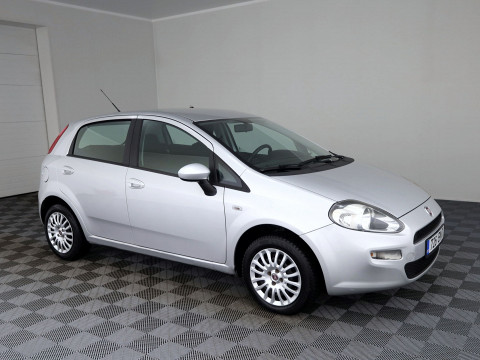
2.132 US$DEALER
2014, gasoline, manual, 148K km, hatchback, Front Wheels Drive, 1,200 cm3, silver, Used condition, Europa, In stock

BaltiCar.com
 Estonia, Harjumaa






















 Estonia, Harjumaa
 Poland, Lesser PolandRomania, Bistrița-Năsăud County
 Romania, Sibiu County
 Zalău, Romania
 Romania, Bacău CountyRomania, Bacău County
 Romania, Bacău County
 Bucov, Romania
 Romania, Buzău County
If you are looking at a Fiat Punto, the first smart move is to accept that this is not a search where you should rush. In the EU market, you may see only a small number of fresh Fiat Punto listings at any one time, and that changes the buying logic. Instead of chasing the first cheap ad, compare each offer carefully and decide whether the car is genuinely worth a visit. A good Fiat Punto can make sense as a simple everyday hatchback, but a weak one can waste time quickly because small issues often hide behind vague photos, short descriptions, and suspiciously casual wording.
With a Fiat Punto, the challenge is often not choosing between twenty excellent cars. It is separating the one or two serious offers from the ads that survive only because buyers lower their standards. That means reading the listing like an editor, not like a dreamer. Look for a seller who shows the car clearly from several angles, includes the interior, mentions service history, and describes condition in plain language instead of selling atmosphere. If an ad says little beyond "runs well" or "good city car," ask yourself what is missing. On a Fiat Punto page, the weak offers usually reveal themselves by how little effort the seller puts into explaining ownership, maintenance, and recent work.
A useful trick here: compare not only mileage and year, but also how complete the story feels. Two Fiat Punto listings can look similar on paper, yet one seller may provide registration details, recent maintenance, tyre condition, and honest notes about scratches, while another avoids specifics completely. The first seller is usually easier to deal with, even if the price is not the lowest.
Before you contact the seller, build a quick three-part check: documents, condition, and consistency. Start with the documents. Ask whether the registration papers are in order, whether the seller is the owner, and whether there is a service book, invoices, or any record of regular maintenance. Then move to condition. Look closely at the body panels in the photos, the steering wheel, seats, pedals, and boot area. On used cars, these details often tell a more reliable story than the headline description.
Consistency matters just as much. If the mileage looks modest but the cabin appears heavily worn, ask why. If the seller mentions recent repairs, ask what exactly was replaced and when. If the Fiat Punto is advertised as very clean but the photos are taken in poor light or immediately after rain, request dry daylight photos before arranging a meeting. A serious seller should not resist simple verification.
The best phone call is not long; it is precise. Ask the seller how long they have owned the Fiat Punto and why they are selling it now. Ask whether the engine starts cleanly from cold, whether the gearbox shifts smoothly, and whether any warning lights stay on. Ask if the air conditioning, windows, locks, and infotainment or radio work as expected. On a smaller hatchback, buyers sometimes focus only on price and forget that minor electrical annoyances and neglected maintenance can turn a cheap car into an irritating one.
You should also ask what the car needs next, not just what was done recently. This question often changes the tone of the conversation. A careful owner will usually answer directly: tyres soon, brakes later, service due next month, small cosmetic damage on one door. A weak seller often becomes vague the moment you stop asking yes-or-no questions.
Here is a less obvious point that matters in a thin market: sellers know that a Fiat Punto shopper may be comparing only a few current offers. Some will try to create urgency from that. Do not reward it. "Many people are coming today" is less important than whether the seller can explain the car calmly and consistently. When supply feels limited, buyers sometimes excuse missing history or poor presentation. That is exactly when bad deals slip through.
A Fiat Punto ad can tell you plenty before you ever see the car. Clean, ordinary language is usually better than exaggerated confidence. "Serviced regularly, two keys, some paint marks shown in photos" is more reassuring than "perfect condition, no investment needed" with almost no evidence. Watch for listings that lean heavily on monthly running costs or city-friendly size but avoid talking about maintenance history. That often means the seller is trying to steer you away from the questions that matter.
Another useful clue is how the seller compares the car. If they explain why this Fiat Punto stands out among similar used hatchbacks, and they do it with concrete points rather than slogans, that is a good sign. If they just repeat that it is cheap, economical, and reliable without showing proof or detail, keep your expectations low. Good sellers do not need to hide behind generic phrases.
When you line up Fiat Punto offers, do not stop at year, mileage, and asking price. Compare equipment, seat condition, tyre brand and wear, dashboard warning lights in photos, body panel alignment, and whether the seller shows the engine bay and luggage area. Small hatchbacks live very different lives: one Fiat Punto may have been a tidy second car, another a heavily used urban workhorse. The ads do not always say that directly, but the clues are usually there.
It is also smart to compare each Fiat Punto against nearby alternatives in the same budget, not because you must switch models, but because alternatives help you judge value. If one Punto is priced like a much better-presented rival yet offers weak history and poor photos, you already have your answer. The point of comparison is not to chase perfection. It is to avoid paying a neat-car price for a maybe-car.
If a Fiat Punto passes the ad test and the seller answers well, go to the viewing with a simple goal: confirm the story. Check that the documents match the car, the condition matches the photos, and the seller matches the tone of the listing. A confident, straightforward owner is often a better sign than polished sales language. During the inspection, pay attention to cold start behaviour, idle quality, clutch and gearbox feel, brake response, and whether the car feels cared for rather than merely cleaned.
The Fiat Punto makes most sense when the offer is honest, the maintenance story is believable, and the seller does not force the deal. In a market where you may not have endless fresh listings, patience still pays. Waiting a little longer for the right Fiat Punto is usually cheaper than buying the wrong one quickly.
 Add as preferred sourceSee more from zvelta in Google Search Add as preferred source