EN
ENDEALER
190.424 US$DEALER
178.810 US$
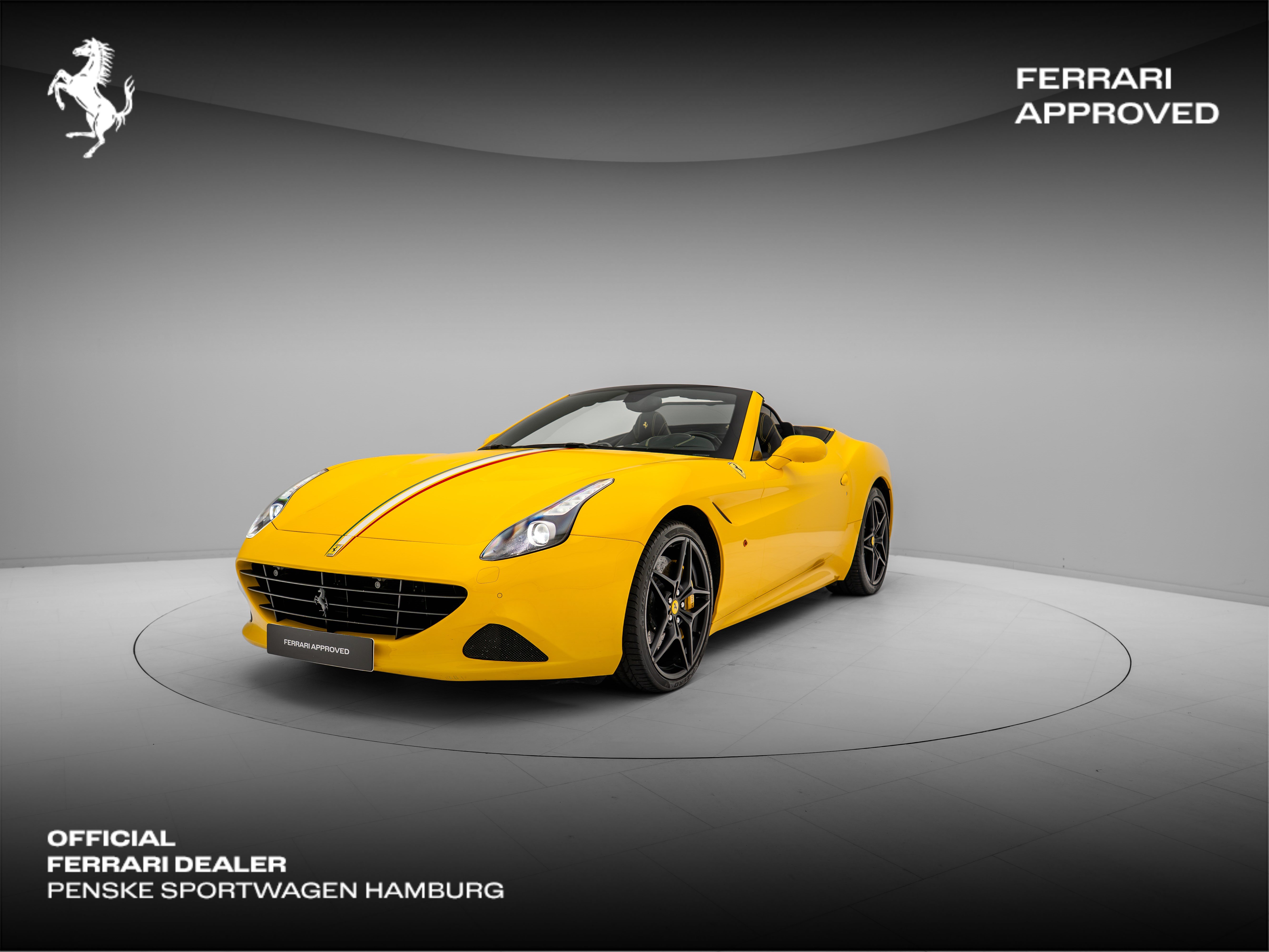
2016, gasoline, automatic, 36K km, cabriolet, 3,855 cm3, 560 hp, yellow, Used condition, Europa

penske-hamburg.de
 Wandsbek, Germany





















 Wandsbek, Germany
 Italy
ItalyIf you are shopping for a Ferrari California, the smartest move is not to fall for the badge first. Start by sorting listings into three piles: cars worth a call, cars worth a visit, and cars to skip even if the asking price pulls you in. On a model like the Ferrari California, presentation can hide a lot. Good photos, a polished description, and a famous name do not automatically add up to a strong offer. What matters is whether the listing gives you enough evidence to believe the car has been used, maintained, and represented honestly.
A strong Ferrari California listing usually feels calm rather than theatrical. You want clear exterior photos in even light, interior images that do not avoid wear areas, and a description that mentions service history, mileage, ownership background, and any recent work. If the seller only leans on phrases like "full options," "collector condition," or "no time wasters," slow down. Those lines tell you almost nothing. A better ad explains what has been done, what may need attention, and how complete the documentation is.
For a first shortlist, compare how much detail each seller gives before you even contact them. A Ferrari California offer deserves a call when the seller shows the car from all angles, includes the dashboard and seats, mentions maintenance records, and avoids vague drama. It deserves a visit when that same listing also shows consistency: mileage that matches wear, clean panel fit in photos, and a story that sounds believable. It deserves to be skipped when the ad is thin, the photos are old or heavily filtered, or the seller avoids basic facts that any serious buyer will ask for anyway.
This is where buyers often lose discipline. In the EU market, a tempting Ferrari California listing can look like a bargain simply because the headline number is lower than the rest. But if the ad is vague about maintenance history, periods off the road, warning lights, cosmetic repairs, or document completeness, that cheaper car may become the expensive one the moment you own it. On specialist cars, the gap between "attractive price" and "weak buy" can be very small in the listing and very large in real life.
A useful trick: read the ad once as a fan, then once as the next owner who will need to resell it. Suddenly the same questions become sharper. Are there photos of details that future buyers will care about? Does the seller explain recent servicing in a way that sounds specific rather than copied? If you already feel you would struggle to defend the car to the next buyer, that listing probably belongs in the skip pile.
Before arranging a visit, ask the seller for a few direct answers in one message. Not twenty questions, just the ones that expose whether the offer is solid. Ask for the service history format: stamped book, invoices, specialist records, or a mix. Ask when the last major maintenance was done and whether there are any current faults, warning messages, roof issues, trim problems, or cosmetic imperfections not visible in the photos. Ask whether the mileage can be supported by records and whether all keys, manuals, and documents are present.
With a Ferrari California, the seller's tone matters almost as much as the answers. A careful owner or professional seller usually replies clearly and in order. A weak seller often gets emotional, evasive, or overly casual about details that should be easy to confirm. If basic questions trigger irritation, imagine how the rest of the deal may go. That does not always mean the car is bad, but it often means the viewing will be inefficient, and inefficient viewings are how buyers talk themselves into weak cars.
One of the best clues in any Ferrari California listing is whether the seller seems to understand why a buyer is comparing this model against several very different alternatives. People do not usually shortlist a Ferrari California in isolation. They are often balancing style, open-top enjoyment, practicality, badge appeal, and the realities of ownership. A seller who understands that will usually present the car in a grounded way: usable history, honest condition, sensible description, no fantasy language. Sellers who oversell tend to know they need emotion to compensate for gaps.
That matters even more in a multi-country EU search, where buyers may compare listings across borders and cannot afford wasted travel. When only a small number of Ferrari California cars for sale are active, it becomes even more important not to confuse rarity with quality. A rare listing is not automatically a good listing. Sometimes it is simply the one that has not convinced anyone yet.
Book the trip when the Ferrari California offer has enough substance that an inspection could realistically confirm a good car rather than uncover a mystery. You want a coherent ownership story, service evidence that sounds traceable, photos that do not hide ordinary wear, and a seller who answers like someone expecting scrutiny. If possible, ask for a cold-start video, roof operation video, and a walk-around in natural light. You are not trying to perform a remote inspection; you are testing whether the seller cooperates when the questions become concrete.
At the visit, keep your expectations simple. Check whether the car matches the ad in condition, equipment, and general honesty. Look at wear points, panel consistency, interior use, document quality, and whether the maintenance story still holds up face to face. If anything suddenly becomes vague in person, treat that as information, not inconvenience.
Walk away when the story keeps changing, when records are promised but not shown, when the condition in person is clearly worse than presented, or when the seller pressures you to decide before you can think. The Ferrari California is exactly the kind of car where buyers can get carried away by the idea of ownership. That is why a practical shortlist matters so much. The right listing should make your job easier with every step: clear ad, sensible answers, believable history, and a visit that confirms rather than surprises.
If you use that filter, you do not need dozens of Ferrari California listings to make a good choice. You just need enough discipline to separate the exciting offer from the convincing one.
 Add as preferred sourceSee more from zvelta in Google Search Add as preferred source