 EN
DEALER
334.838 US$DEALER
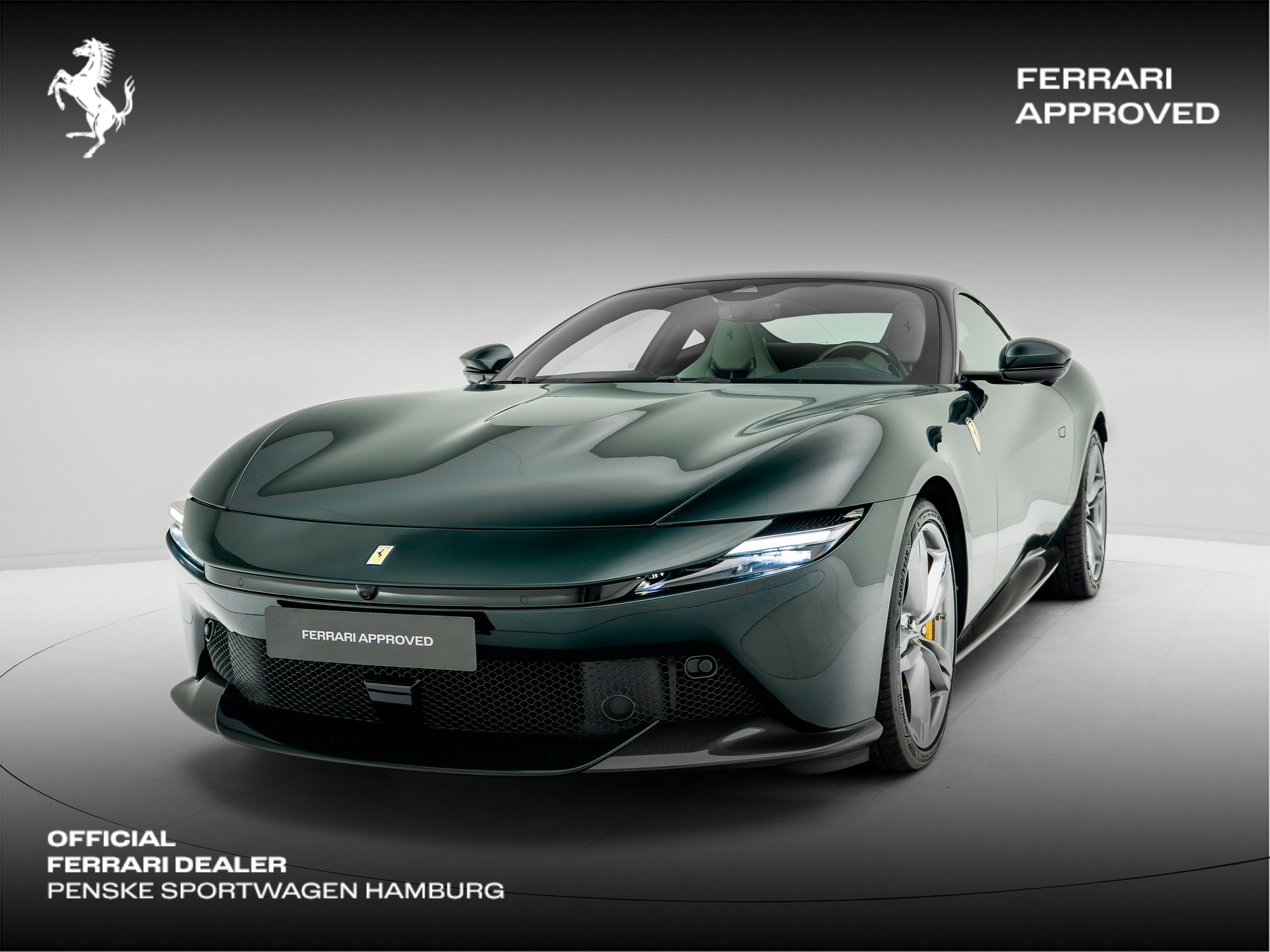
2026, gasoline, automatic, 2K km, coupe, 3,855 cm3, 640 hp, Used condition

penske-hamburg.de
 Wandsbek, Germany





















 Wandsbek, Germany
If you are looking at a Ferrari Amalfi, the smartest first step is not admiration but verification. On a page with very few live offers, every listing can look special simply because it is rare. That changes how you should shop. With a Ferrari Amalfi, the real task is to separate a genuinely well-presented car from an expensive listing that leans too heavily on the badge. Before you book a viewing, compare the basics with unusual discipline: photo quality, document clarity, service story, seller transparency, and whether the car is being described with real substance or just prestige language.
A Ferrari Amalfi listing is likely to pull in a buyer who wants more than transportation and more than a generic luxury coupe or grand tourer image. The appeal is usually about character: design presence, ownership feel, and the sense that this is a model chosen deliberately rather than accidentally found in a wide search. That matters when you compare offers. Sellers know that Ferrari buyers often arrive already emotionally invested, so the better listings tend to calm you down rather than excite you. They show the car cleanly, explain condition without theatre, and make it easy to understand provenance, maintenance, and ownership context.
That is also why weak Ferrari Amalfi offers often reveal themselves in a subtle way. The wording may be enthusiastic but vague. The photos may be dramatic yet unhelpful. The listing may talk around the car instead of through it. When a seller presents a Ferrari like a lifestyle object first and a traceable vehicle second, you should slow the conversation down.
In a broader used-car category, you can reject ten poor examples and wait for the next wave. With the Ferrari Amalfi, especially across the EU market, you may not have that luxury. Low availability changes buyer behavior: people start rationalizing gaps in history, fuzzy photos, or incomplete explanations because there are not many alternatives. Resist that urge. Rarity is not evidence of quality.
A useful trick is to compare each Ferrari Amalfi listing against the standard you would expect from any serious premium-performance sale. Is the mileage stated clearly and consistently? Do the photos support the condition claim, or do they avoid close views of wear points and details? Is there enough information to understand how the car has been maintained, where it has been registered, and what documentation can be shown before a visit? Scarce supply should make you more selective, not less.
A good seller should not struggle with practical questions. Ask for the maintenance timeline in plain language, not just "full history." Ask what documents are available to support routine servicing, larger maintenance items, and ownership transfers. Ask whether the current photos reflect the car exactly as it sits today, or whether anything has changed since the images were taken. If the Ferrari Amalfi is being offered by a dealer, ask what they personally checked beyond cosmetic preparation. If it is a private sale, ask how long the seller has owned it and why they are selling now.
Then go one level deeper. Ask what imperfections the seller wants to mention before you travel. This is one of the most useful questions on any Ferrari listing because honest sellers usually answer directly: stone chips, tyre age, cosmetic marks, intermittent warnings, minor interior wear, or paperwork gaps. Evasive sellers often respond with something like "nothing major" and hope the conversation moves on. Do not move on.
One less obvious thing about shopping for a Ferrari model online is that weak listings often copy the rhythm of strong ones without offering the same substance. They use polished language, clean backgrounds, and expensive-looking photos, but the essentials remain oddly thin. With a Ferrari Amalfi, pay attention to whether the seller helps you picture ownership, not just desirability. Can you tell what kind of care the car has had? Can you tell whether the listing was built for informed buyers or for impulse clicks?
This is where the brand matters. A Ferrari Amalfi will usually attract shoppers who compare not only condition and mileage, but also the entire tone of the offer. Serious Ferrari buyers tend to notice when a seller understands the difference between presentation and proof. That makes calm, factual listings more persuasive than overworked sales copy.
Set a threshold before you contact anyone. For example: you want clear registration details, usable service evidence, enough images to judge exterior and interior condition, and straightforward answers on maintenance and known faults. If a seller cannot provide those basics remotely, the viewing may not be worth the trip. This is especially true in cross-border EU shopping, where enthusiasm can make buyers overlook the cost and complexity of travel, transport, and paperwork.
When you do arrange an inspection, keep your priorities simple. Confirm that the car matches the listing in condition and completeness. Check that the mileage presentation, wear level, and service story make sense together. Look for signs of fresh cosmetic preparation that may hide rather than solve issues. Ask to see documents before the test drive rather than after it, when emotions are higher.
The best reason to keep a Ferrari Amalfi on your shortlist is not that it is rare or prestigious, but that it may suit a buyer who wants a Ferrari with a distinct identity and is willing to buy carefully. If that is you, this page is less about jumping on the first car for sale and more about reading the market intelligently. Compare each listing with patience, ask for evidence instead of reassurance, and remember that a strong Ferrari offer usually feels clear long before it feels tempting.
If a seller gives you transparent answers, consistent documentation, and a believable ownership story, that is the listing to pursue. If the ad is stylish but thin, treat it as background noise. With a car like the Ferrari Amalfi, discipline is often what separates an exciting purchase from an expensive mistake.
 Add as preferred sourceSee more from zvelta in Google Search Add as preferred source