EN
ENDEALER
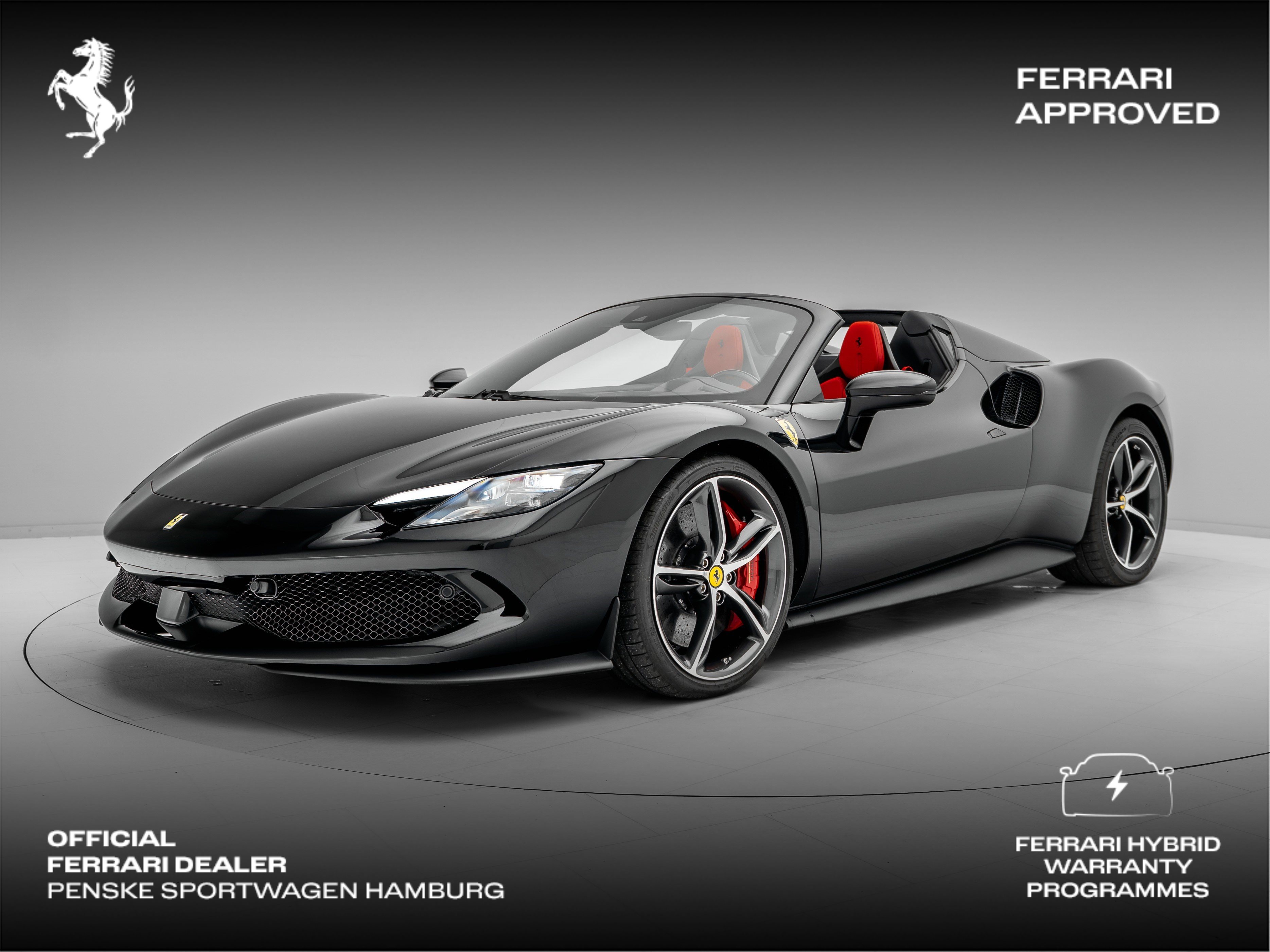
357.423 US$DEALER
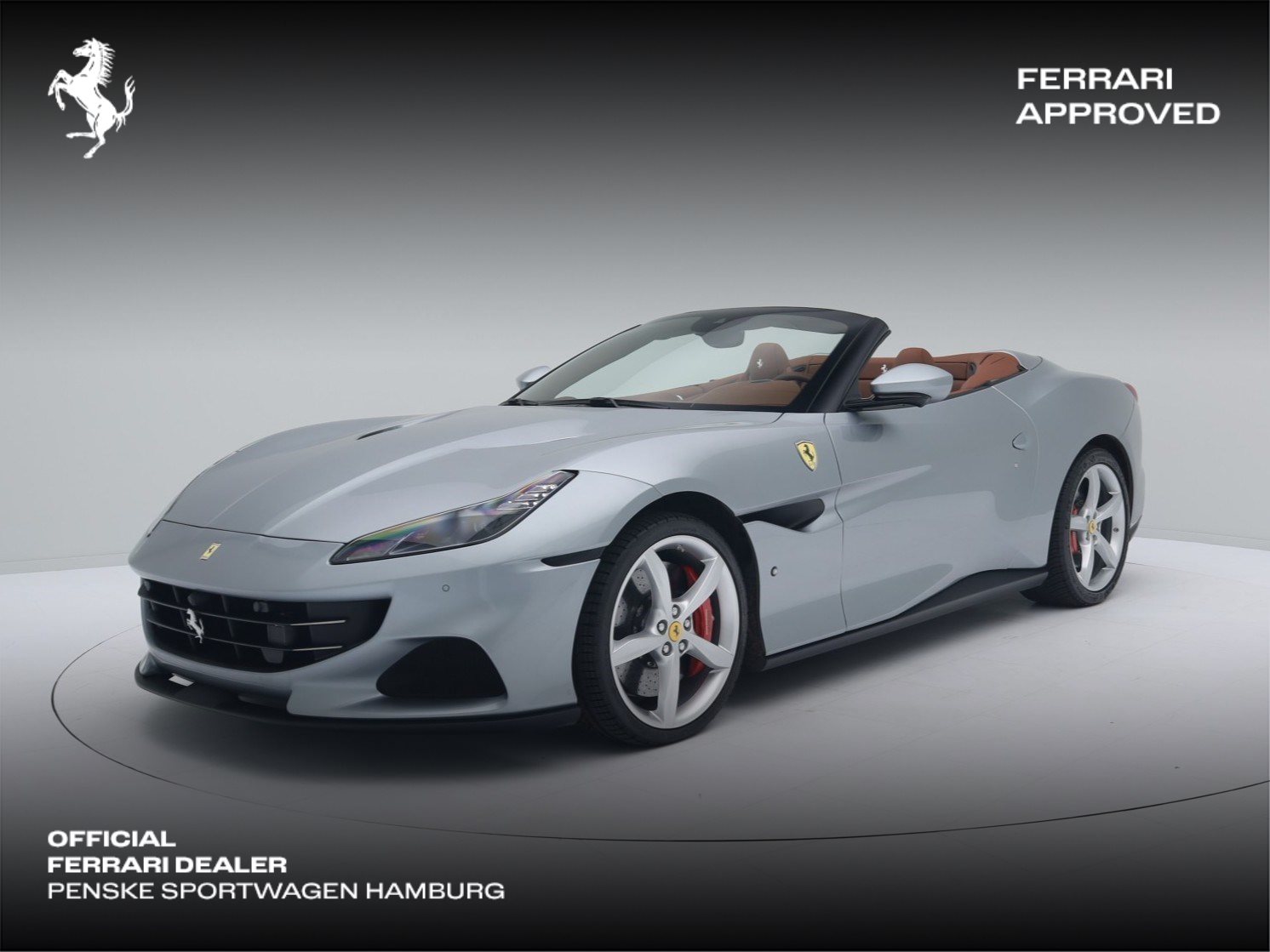
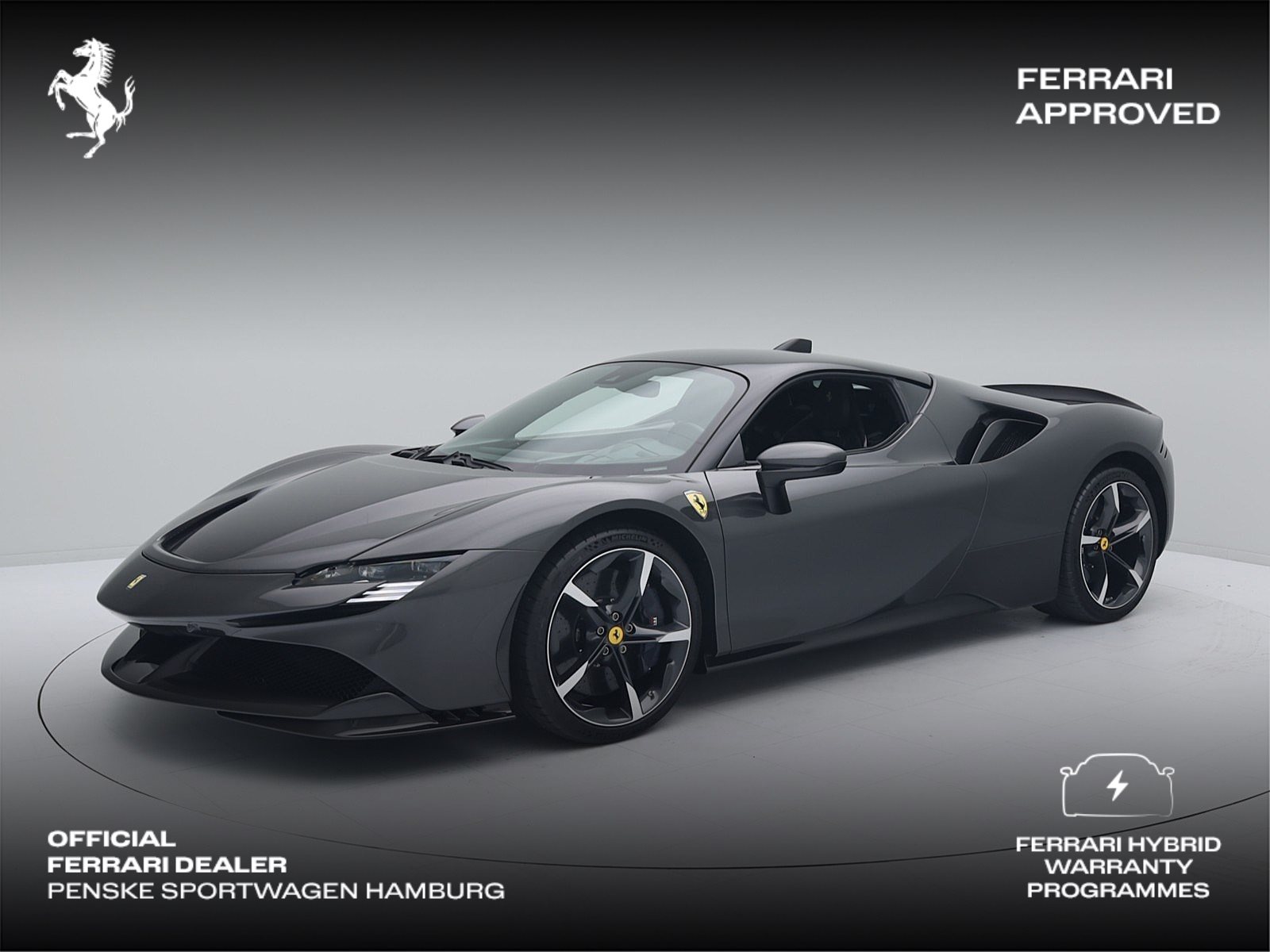
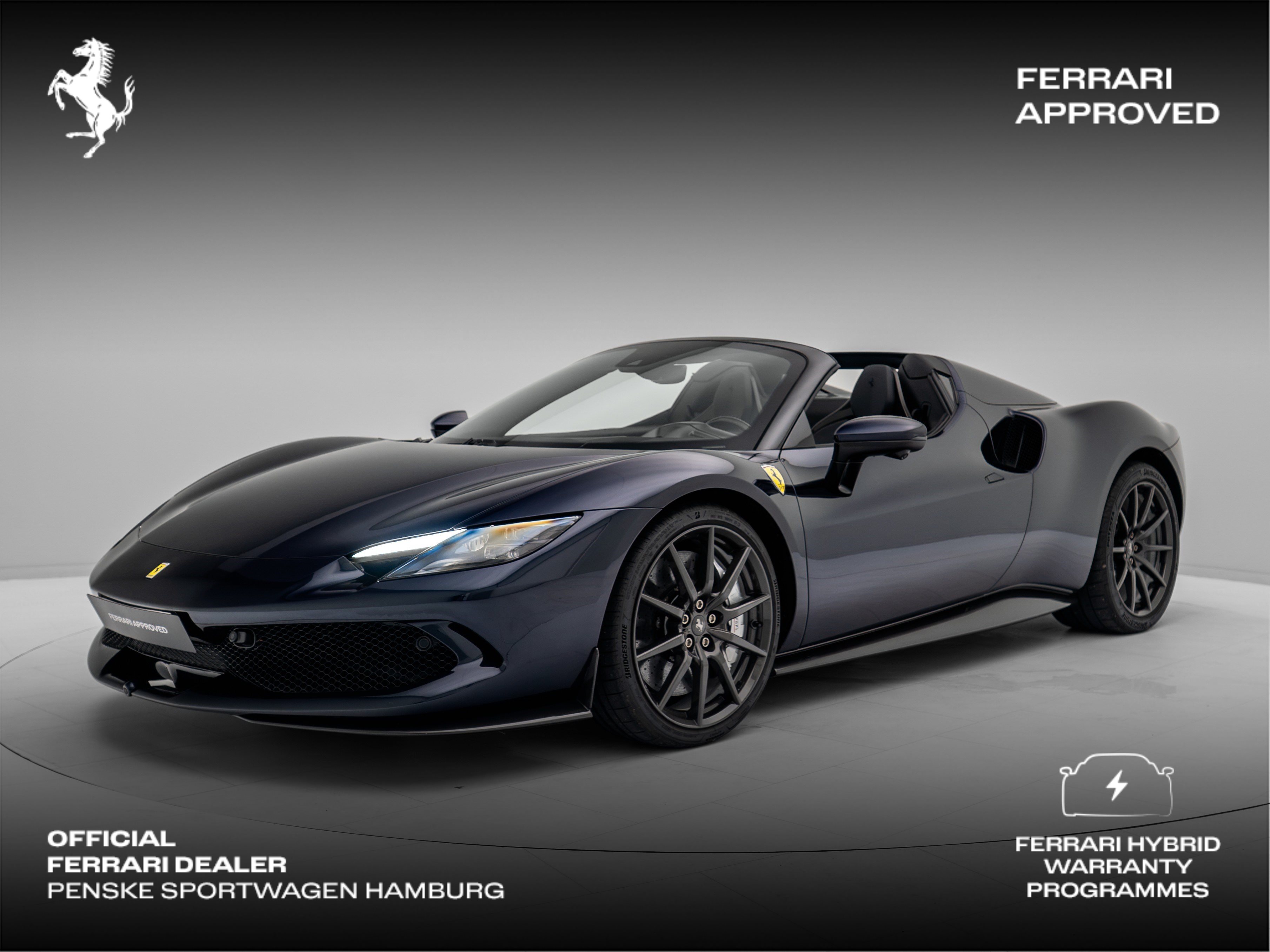
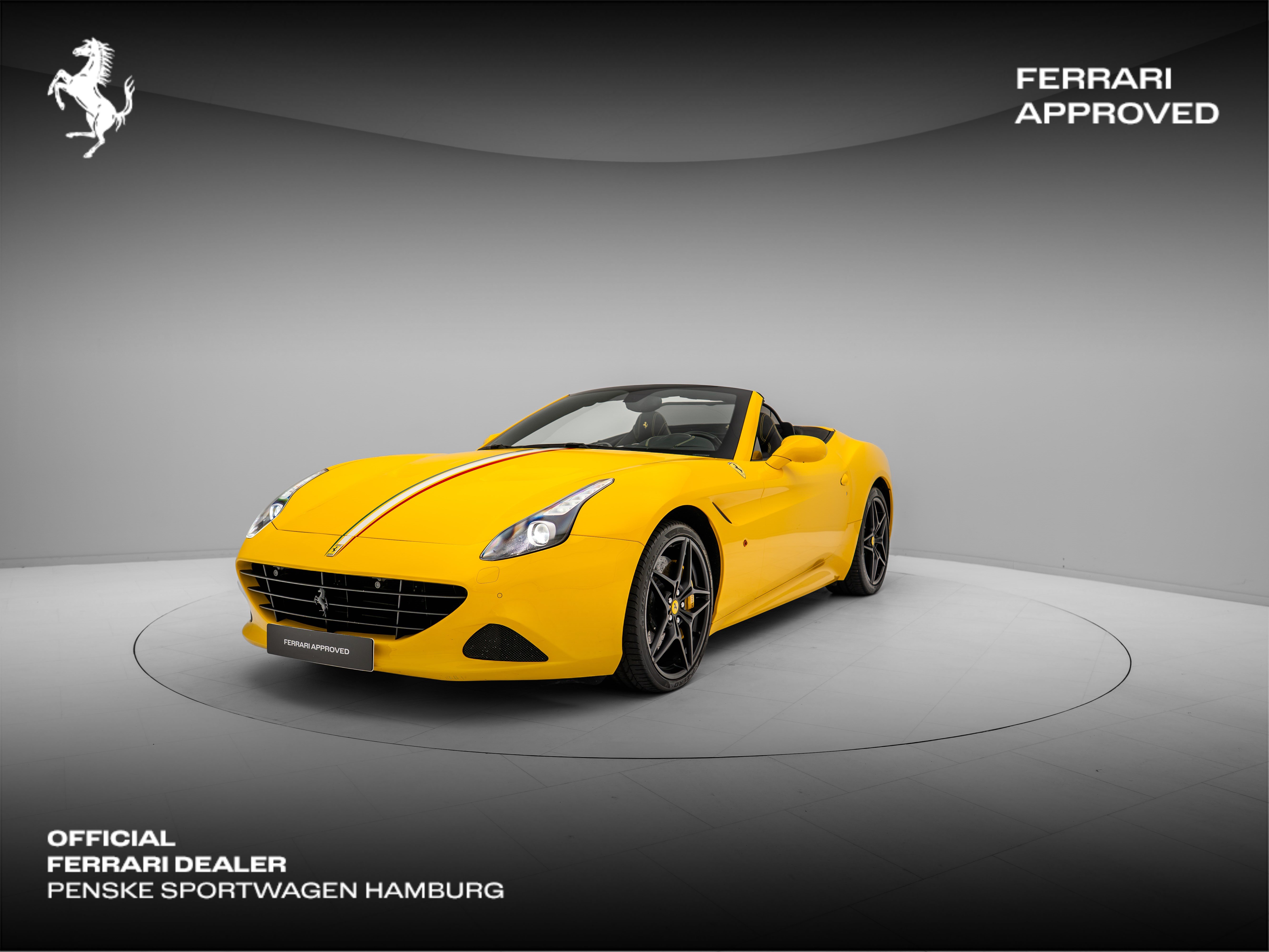
2025, hybrid, automatic, 88 km, cabriolet, 2,992 cm3, 830 hp, Used condition

penske-hamburg.de
 Wandsbek, Germany





















 Wandsbek, GermanyWandsbek, GermanyWandsbek, GermanyWandsbek, GermanyWandsbek, GermanyWandsbek, GermanyWandsbek, GermanyWandsbek, GermanyWandsbek, GermanyWandsbek, GermanyWandsbek, GermanyWandsbek, GermanyWandsbek, GermanyWandsbek, GermanyWandsbek, GermanyWandsbek, Germany
 Modena, ItalyItalyItalyItalyItalyItalyModena, ItalyModena, ItalyItaly
The first useful thing to accept when shopping for a Ferrari in Europe is that the nicest-looking listing is often only the beginning of the story. Supply is limited, cars can be scattered across several countries, and the distance between seller photos and real condition can be wide. That matters more here than with ordinary used cars. A Ferrari may be advertised beautifully, yet still leave open questions about maintenance history, previous cosmetic work, periods of storage, or how honestly the seller describes what has changed over time. If you are comparing Ferrari cars for sale across the EU market, patience is not hesitation; it is part of buying well.
A lot of buyers make the same early mistake: they treat a Ferrari shortlist like a normal classifieds search, then rush toward the first car with the right color and an exciting interior. Better to slow down and read the offer like an editor, not a fan. Is the description specific, or does it hide behind vague phrases? Are there clear images of wear points, wheels, cabin details, engine bay, and documents, or only dramatic angles? Does the seller explain recent maintenance in plain language? With Ferrari, seller transparency is not a bonus feature. It is one of the main things you are buying.
A strong Ferrari offer usually tells you how the car has been owned, not just how it photographs. Look for signs that the seller understands the car as an ownership object: service records presented clearly, realistic mileage context, mention of recent work, and straightforward disclosure of cosmetic imperfections or replaced items. A weak listing often tries to sell emotion only. That can mean lots of polished photos and very little useful detail about maintenance, documents, keys, manuals, or the timeline of care.
When you compare Ferrari listings, ask yourself a simple question: does this seller make inspection easier or harder? If basic questions already feel awkward by message, the viewing rarely gets better. Ask what was done recently, what still needs attention, whether there are invoices, how long the current owner has had the car, and whether the car has spent long periods unused. None of these questions are hostile. For a Ferrari buyer, they are normal.
This brand attracts two kinds of browsing behavior in used listings: dream shopping and serious shopping. The dream shopper sorts by price and imagines a shortcut into Ferrari ownership. The serious shopper compares the whole package. That second approach is usually the right one. A lower entry price can hide deferred servicing, thin documentation, inconsistent condition, or a seller who wants enthusiasm to cover uncertainty. On a Ferrari, catching up on neglected items may matter more than the difference between two asking prices.
This is also where the European market can be tricky in a very specific way. A car in one country may look like better value than a similar Ferrari elsewhere, but once you factor in the effort of travel, inspection, document verification, transport, and possible surprises after first viewing, the bargain may not feel so clever. A good listing earns your train ticket or flight. A merely pretty one does not.
Before arranging a viewing, ask for the practical pieces that help separate a serious offer from a speculative one. Request a cold-start video if relevant, photos of service book entries or invoices, close-ups of exterior details that commonly reveal real use, and a clear explanation of any warning lights, paintwork, interior wear, modifications, or periods off the road. If the seller avoids specifics and keeps returning to how special the brand is, treat that as a signal.
For Ferrari listings, documentation quality often tells you more than marketing language. You want coherence: mileage that makes sense alongside service history, ownership details that are not slippery, and a condition description that matches the images. If something looks recently refreshed, ask what was refreshed and why. Fresh presentation is not a problem by itself, but on prestige cars it can sometimes distract from questions that deserve calm, factual answers.
One of the best ways to shop Ferrari sensibly is to decide what kind of owner you are before you decide which offer is exciting. Are you looking for a car to drive regularly, a seasonal second car, something visually dramatic, or something that feels easier to own with less guesswork? Once you know your role, weak offers become easier to reject. A car that is perfect for a collector-minded buyer may be the wrong choice for someone who wants straightforward enjoyment and transparent upkeep.
This brand also creates a strange bias in buyers: once they see the badge, they forgive ordinary listing weaknesses they would never ignore on another car. Missing history, thin descriptions, unclear equipment details, careless photos, fuzzy answers about maintenance, unexplained mileage gaps, or a seller who keeps pushing urgency should not become acceptable just because the badge says Ferrari. In fact, the opposite is true. The more special the car, the less tolerant you should be of foggy information.
A worthwhile Ferrari listing usually feels calm. The seller knows what the car is, what has been done, what still deserves attention, and how to present that honestly. The car may not be flawless, but the story around it is consistent. That is often more valuable than showroom-style photography. As you compare new and used Ferrari offers in Europe, focus on traceable history, believable condition, and seller behavior that reduces uncertainty instead of increasing it.
If you keep that standard, the shortlist becomes clearer very quickly. You are not looking for the first Ferrari that makes your pulse jump for ten seconds. You are looking for the one that still makes sense after the third reread of the listing, the second round of questions, and the practical thought of actually owning it. That is usually the Ferrari worth going to see.
 Add as preferred sourceSee more from zvelta in Google Search Add as preferred source
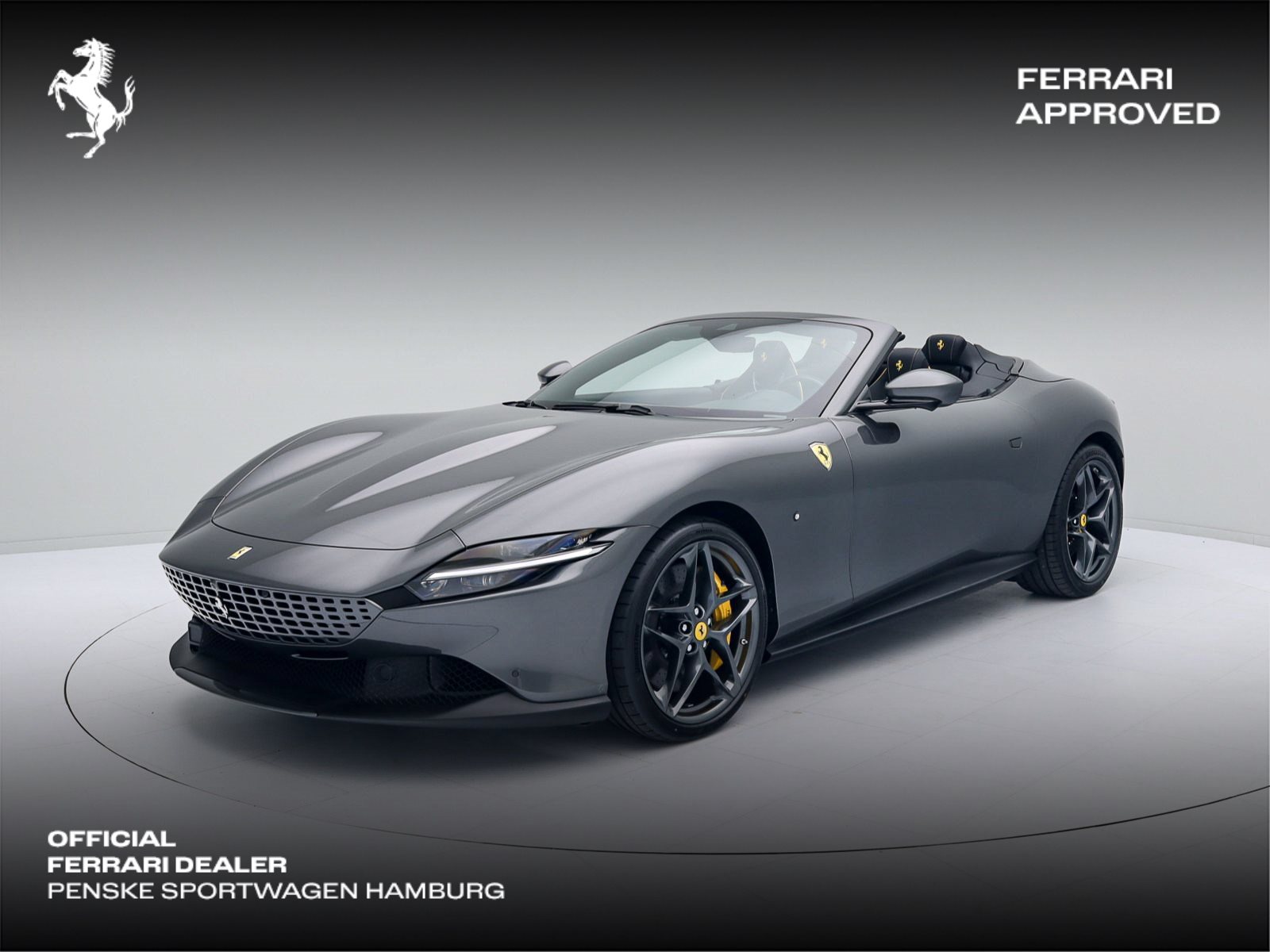
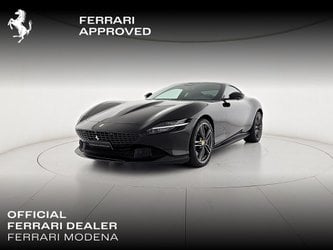
.jpg?vehicleId=1748715&overlay=4598&lsid=639255967540700000 "Ferrari Roma - GRIGIO SCURO - FERRARI HAMBURG")