EN
ENDEALER

12.334 US$DEALER
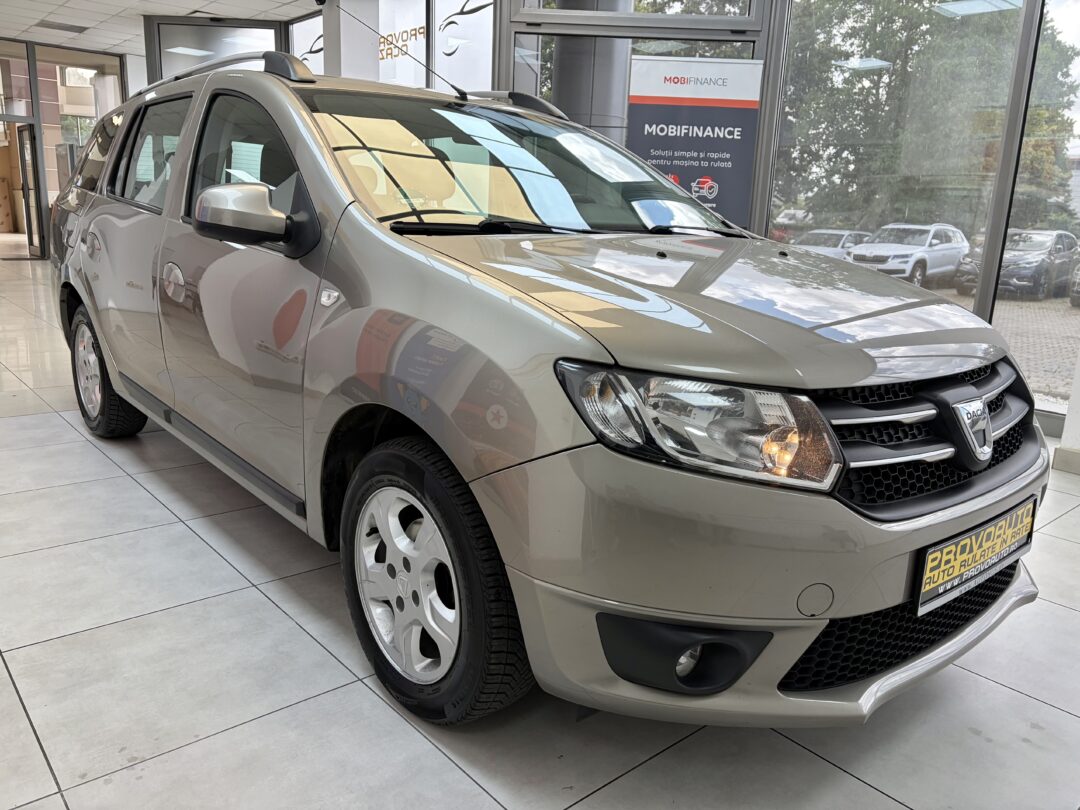
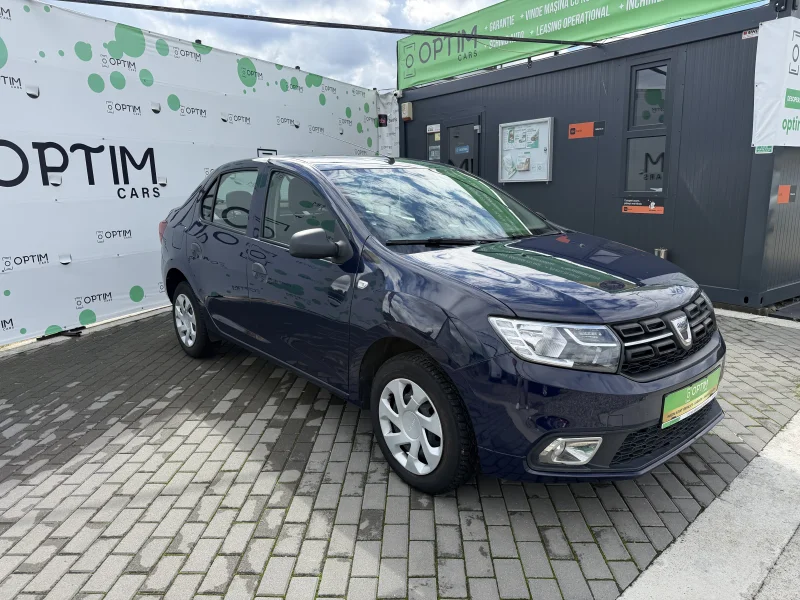
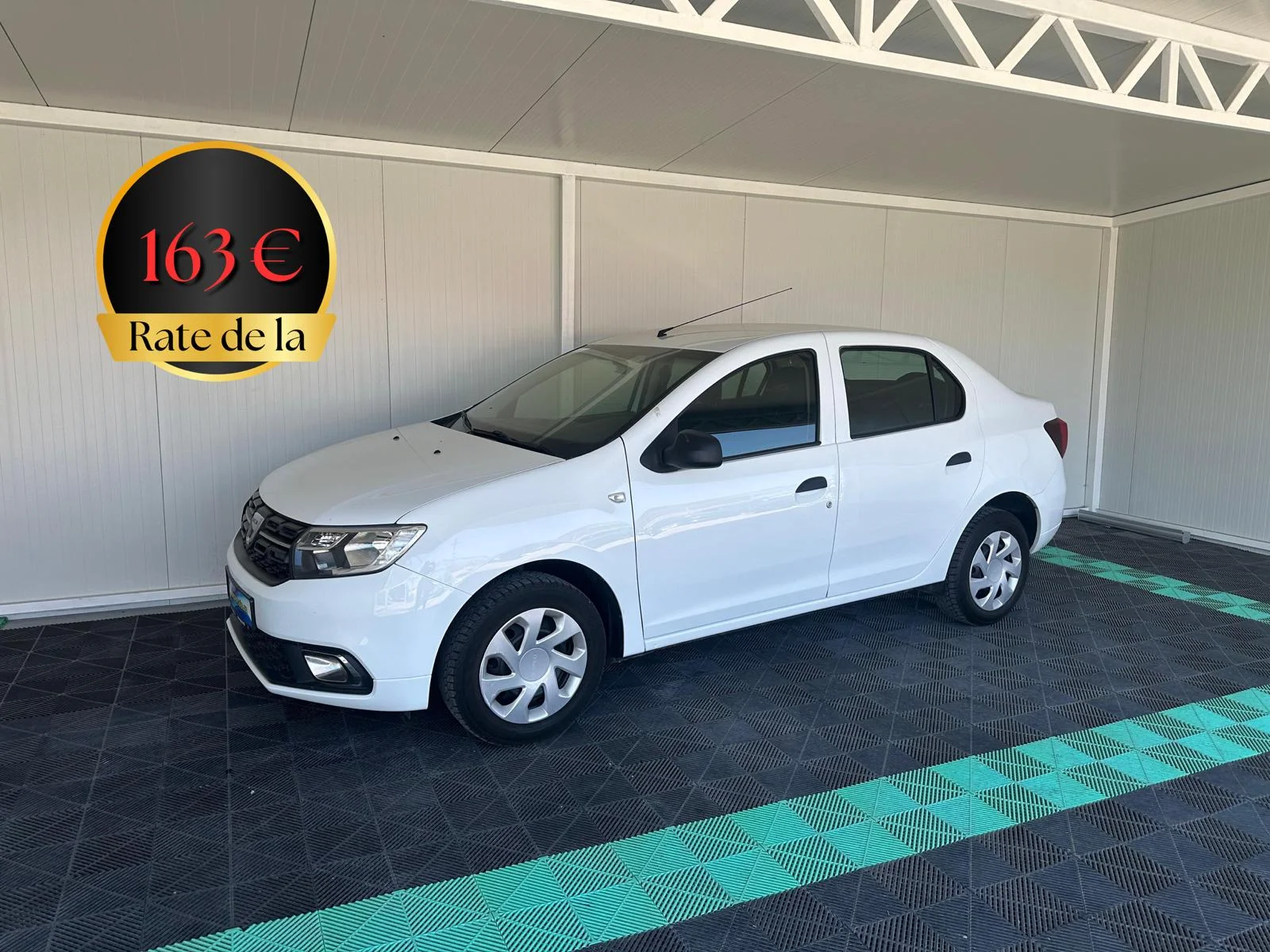
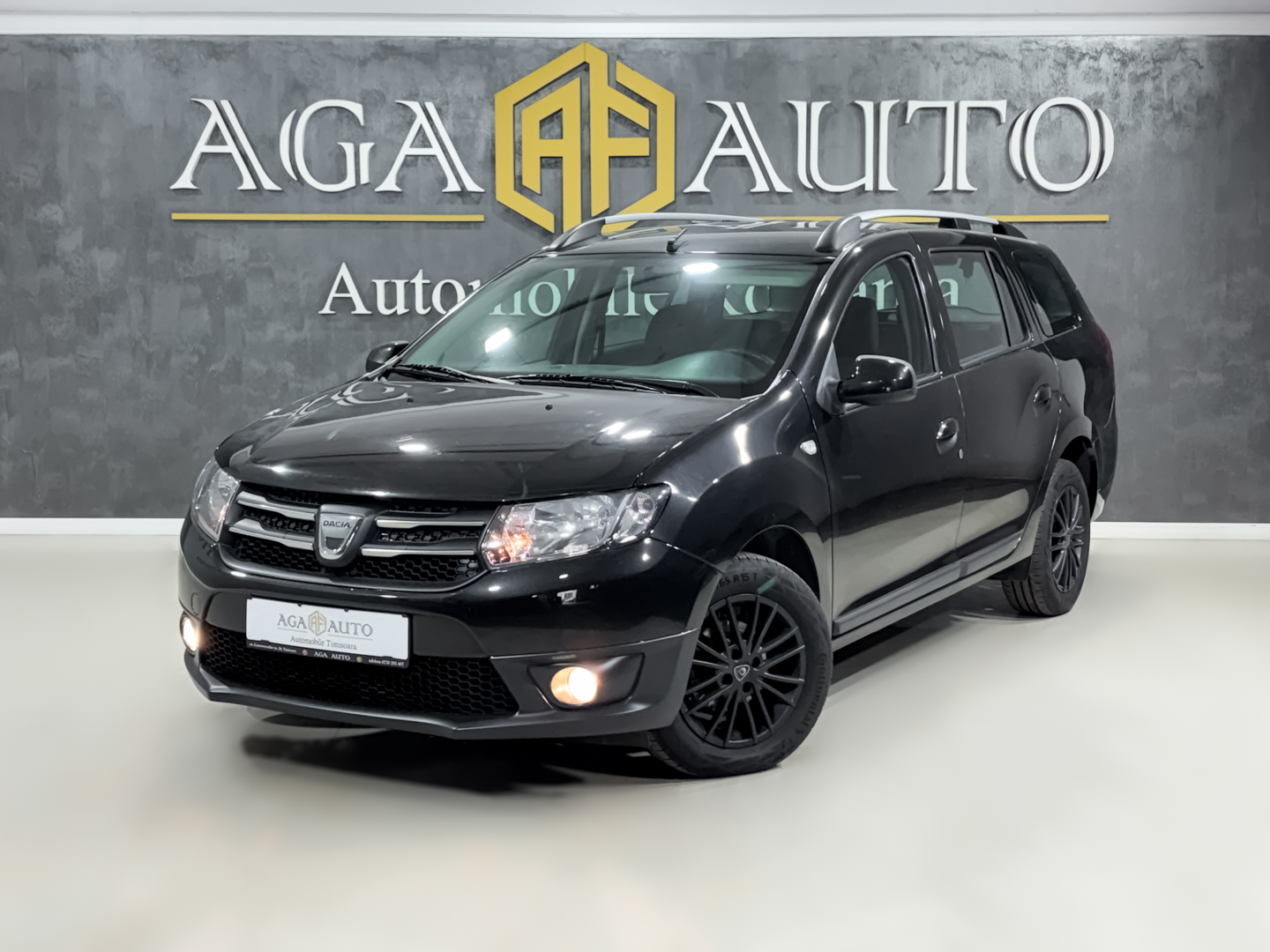
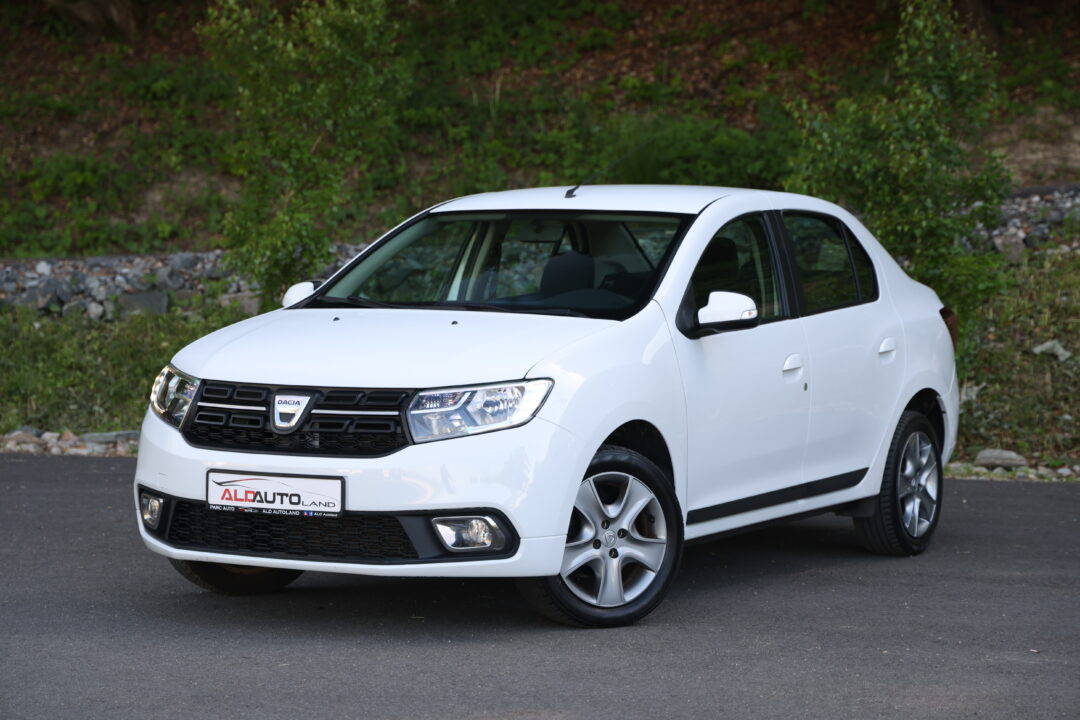
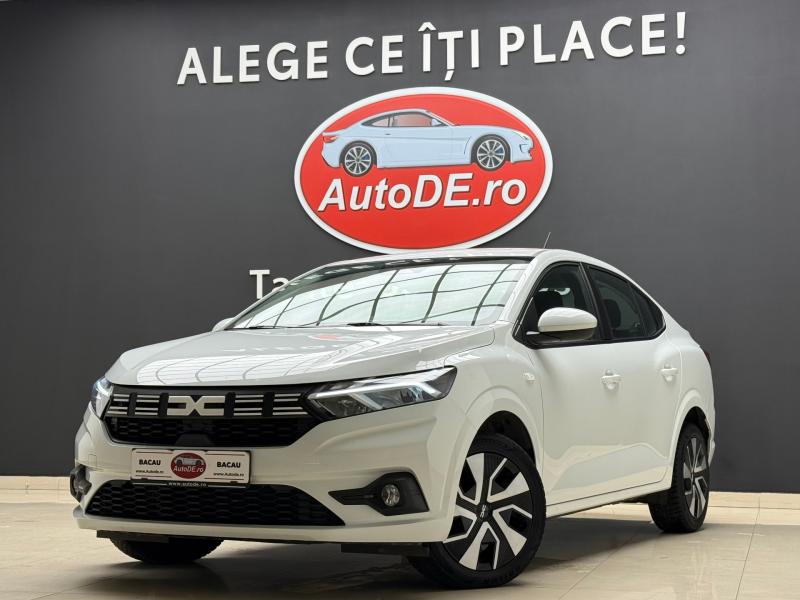
2021, gas, manual, 82K km, sedan, Front Wheels Drive, 999 cm3, 91 hp, Used condition, In stock

CarOutlet.pl
 Poland, Lesser Poland Voivodeship






















 Poland, Lesser Poland Voivodeship
 Romania, Bihor
 Municipiul Satu Mare, RomaniaRomania, Bihor
 Romania, TimişRomania, Timiş
 Romania, Maramureş
 Romania, Timiş
 Romania, Cluj
 Municipiul Sebeş, Romania
 Romania, Suceava
 Romania
 RomaniaRomaniaRomaniaRomaniaRomania
 RomaniaRomania, BucureștiRomania
 Municipiul Galaţi, Romania
 RomaniaRomaniaRomaniaRomania
If you are shopping for a Dacia Logan, the hard part usually is not finding one. It is filtering the many similar-looking offers and spotting the few that are genuinely worth your time. In the EU market, the Dacia Logan often appears in listings with familiar promises: low running costs, practical transport, tidy condition, careful owner. That means your advantage comes from comparing details better than other buyers do, not from clicking the first cheap ad.
When several Dacia Logan cars for sale seem close in price and age, start by looking for evidence, not adjectives. A good listing usually gives you enough to build a story: who used the car, how it was maintained, what trim or equipment it has, and whether the mileage and wear make sense together. A weak offer often hides behind short text, dark photos, or vague phrases like “everything works” and “recently serviced” without saying what was actually done.
With roughly 71 active Dacia Logan listings in this market view, it makes sense to be selective early. Save time by skipping ads that do not show the seats, steering wheel, cargo area, and close-ups of typical wear points. On a model like the Dacia Logan, these details matter because many cars were bought for simple, everyday use. That is not a problem by itself. In fact, a straightforward, regularly used Logan can be a better buy than a shiny one with an unclear story. But ordinary-use cars reveal themselves in small signs: consistent wear, honest photos, documented maintenance, and a seller who answers basic questions directly.
This is where buyers often make a bad shortcut. They assume the cleanest Dacia Logan in photos must be the strongest option. Sometimes it is; sometimes it is simply the best photographed. The more useful comparison is between ownership patterns. Was the Dacia Logan used as a family car, a commuter, a small-business runabout, or an occasional second car? Ask that before you become too interested in wheels, touchscreen upgrades, or polished paint.
A Logan with modest equipment but believable history can be the smarter choice than a higher-spec example with patchy documents and evasive answers. That matters especially in a crowded used market, where many ads look interchangeable at first glance. If two cars are close, choose the one with a more coherent story: matching service entries, readable registration details, consistent tire brand and wear, and a seller who knows when major maintenance was last done. Buyers who do well with the Dacia Logan tend to reward transparency more than presentation.
There is a simple trick when comparing used Dacia Logan offers: judge the seller’s seriousness from the structure of the ad. Serious sellers tend to mention imperfections before you ask. They may note cosmetic marks, replaced parts, a recent inspection item, or what still needs attention. That kind of honesty is valuable because it suggests the conversation will be straightforward.
Before arranging a viewing, ask a short set of useful questions:
The answers matter less as isolated facts than as a pattern. A seller who replies clearly, in sequence, and without irritation is usually easier to work with. A seller who dodges routine questions or keeps rewriting the story is giving you information too, just not the kind you want.
One useful thing about the Dacia Logan is that buyers often know what it is supposed to do: practical transport, decent space, manageable ownership costs, and simple everyday usability. That clarity helps. It also means you should resist paying too much for an ad that tries to turn a Logan into something rare or premium just because it has one attractive feature.
When comparing listings, focus on the basics that affect your ownership more than brochure appeal: seat wear, pedal wear, panel fit, glass condition, tire age, engine bay cleanliness that looks natural rather than freshly disguised, and signs the car has been serviced on time. During a viewing, pay attention to how the Dacia Logan starts, idles, shifts, brakes, and settles over rough roads. Little inconsistencies can matter more than a long options list.
A small editorial observation here: cars like the Dacia Logan often attract two very different buyers in the same search results. One wants the absolute cheapest way into motoring. The other wants a sensible car with low drama. Those buyers should not shop the same listings. If you are in the second group, stop competing for the cheapest ad. Spend your energy on the most convincing one. It is usually the better bargain.
A promising Dacia Logan listing usually earns a viewing for three reasons: the seller is specific, the car looks consistently used rather than cosmetically staged, and the paperwork sounds normal. That is enough to move forward. You do not need perfection. On this model, honest normality is often a stronger signal than showroom-style presentation.
If you are comparing several Dacia Logan cars for sale across the EU market, keep your shortlist disciplined. Pick two or three that each make sense for a different reason: one with the best history, one with the best visible condition, one with the best value if its story checks out. Then be strict in person. If the car feels different from the ad, if the documents are incomplete, or if the seller suddenly becomes vague, walk away. There are enough listings that you do not need to talk yourself into a weak one.
The right Dacia Logan is rarely the ad that shouts the loudest. More often, it is the one that makes fewer claims and answers more questions. That is the mindset that helps you sort through many similar offers and come away with a car you can actually feel good about owning.
 Add as preferred sourceSee more from zvelta in Google Search Add as preferred source