 EN
ENDEALER

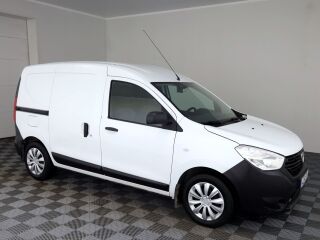
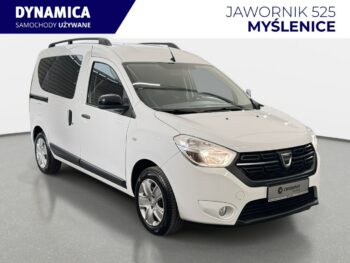
2021, gas, manual, 210K km, pickup, 109 hp, Van Essential 1.6 80kW (110CV) GLP, Used condition, Europa, In stock, sale date 19.10.2026 06:45

CarOutlet.eu
 Spain
SpainAuction starts
19 Oct, 06:45






















 SpainSpainSpain
 Estonia, Harjumaa
 Poland, Lesser Poland VoivodeshipPoland, Lesser Poland VoivodeshipPoland, Lesser Poland VoivodeshipPoland, Lesser Poland VoivodeshipRomania, Arad
 Romania, Timiş
 Romania, Timiş
 Romania, Bistriţa-Năsăud
 Romania, SibiuRomaniaRomaniaRomaniaRomaniaRomaniaRomaniaRomaniaRomaniaRomaniaRomaniaRomaniaRomania
If you are shopping for a Dacia Dokker, the smart move is not to begin with mileage alone. Start with the role the vehicle will play in your life, because the Dacia Dokker can appear in listings as a simple work van, a family-friendly people carrier, or a budget all-rounder that sits somewhere in between. That difference changes how you should read every offer. A cheap Dokker with a worn cargo area may still be a strong buy for light commercial use, while the same car becomes a weak family purchase if the rear cabin, safety equipment, or service history feel neglected. On a market page with only a limited number of Dacia Dokker cars for sale at a given time, good comparison discipline matters more than chasing the first low price.
A useful Dacia Dokker ad should quickly tell you what kind of life the vehicle has had. Look for clear photos of both sides, the load area or rear seats, dashboard, steering wheel, door cards, and the condition of the floor and trim. On this model, interior wear can tell a more honest story than polished bodywork. A seller who shows the cargo bay, seat fabric, tailgate area, and close-ups of controls is usually helping you evaluate the real condition. A listing with glamorous exterior shots but no practical angles may be hiding the exact parts that matter most on a Dacia Dokker.
Descriptions matter too. Short phrases like “runs well” or “nothing to do” are not enough. Better listings mention recent service, ownership duration, what was replaced, whether the vehicle was used privately or commercially, and whether there are any faults the seller already knows about. Even if the wording is simple, specifics are what separate a credible used Dacia Dokker offer from a lazy one.
This is one of those models where seller behavior tells you almost as much as the spec sheet. Serious Dacia Dokker sellers tend to answer directly: they can explain why they are selling, how long they have owned it, whether service records are available, and what works or does not work today. Weak sellers often dodge basic questions, repeat vague claims from the ad, or become oddly defensive when you ask for a cold-start video, a dashboard photo with the ignition on, or a picture of the documents with private details covered.
A few small clues are worth noticing. Are the photos taken in daylight, with the car clean enough to inspect but not suspiciously over-detailed for a cheap listing? Does the ad mention two keys, manuals, invoices, inspection papers, or timing-related maintenance if relevant to that exact version? Does the seller respond in full sentences, or only with “come see”? For a practical vehicle like the Dacia Dokker, honest paperwork and calm communication are often better signs than polished sales language. When a seller seems organized, the ownership experience was often organized too.
Buyers often waste time comparing equipment before they compare purpose. With a Dacia Dokker, that order should be reversed. First decide whether you need passenger flexibility, cargo simplicity, or a mix of both. Then compare doors, seating layout, rear access, and how much visible wear matches the claimed use. If one Dacia Dokker was clearly used for family trips and another spent years carrying tools, the lower-mileage car is not automatically the better one.
This is also where photos can reveal hidden value. A basic-looking Dokker with tidy plastics, straight panel gaps, consistent tyres, and an interior that has not been abused may be a safer bet than a better-equipped example with sloppy repairs and missing history. In the EU market, buyers often search broadly across borders or neighboring countries, so the strongest listing is not always the closest one. The right Dacia Dokker offer is the one that remains convincing after you compare condition, usage clues, documents, and seller transparency together.
Before arranging a viewing, ask for a short list of practical details. Has the Dacia Dokker had any recent maintenance, and is there proof? Are there warning lights on the dash? Does the air conditioning work if fitted? Do all doors, locks, windows, and seat-folding mechanisms operate correctly? Has the vehicle ever been used for delivery work, trade, or heavier commercial tasks? Are there signs of corrosion, accident repair, water leaks, or uneven tyre wear? If the seller hesitates on simple functional questions, expect more uncertainty when you arrive.
Ask for the cold-start condition if possible. A brief video can reveal how easily it starts, whether the idle seems stable, and whether there are obvious warning messages. Also ask for the registration documents and service records in advance, at least in photo form with sensitive data hidden. You are not being difficult; you are filtering out weak offers.
The trap with budget-friendly models is that buyers forgive too much because the entry price looks reasonable. With the Dacia Dokker, a thin service file, poor tyres, damaged interior fittings, tired sliding doors, or signs of hard commercial use can quickly erase the apparent bargain. A cheap listing becomes expensive when it needs immediate maintenance, missing parts, and neglected fixes all at once.
That is why the best Dacia Dokker choice is often the one that feels boring in the best way: consistent history, believable mileage, practical photos, a seller who answers clearly, and a condition story that makes sense from front bumper to cargo area. If an offer looks confused, rushed, or strangely incomplete, move on. On a niche page like this, patience usually beats impulse, and one strong listing can stand out very quickly once you know how to read the signals.
 Add as preferred sourceSee more from zvelta in Google Search Add as preferred source