 EN
ENDEALER

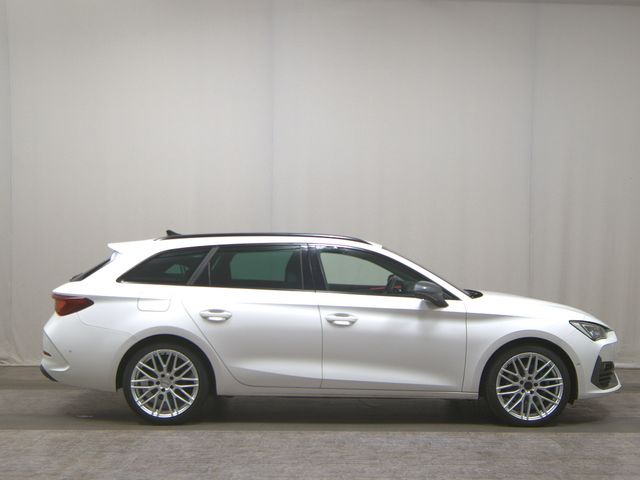
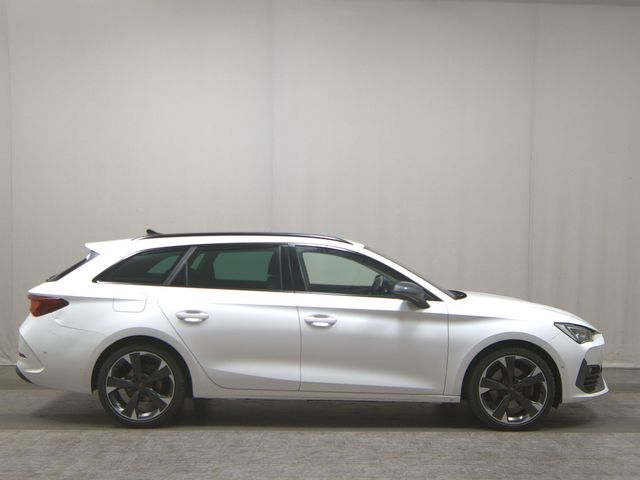
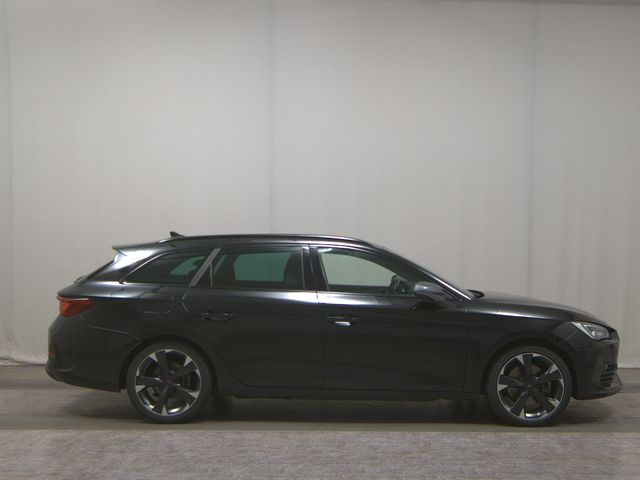
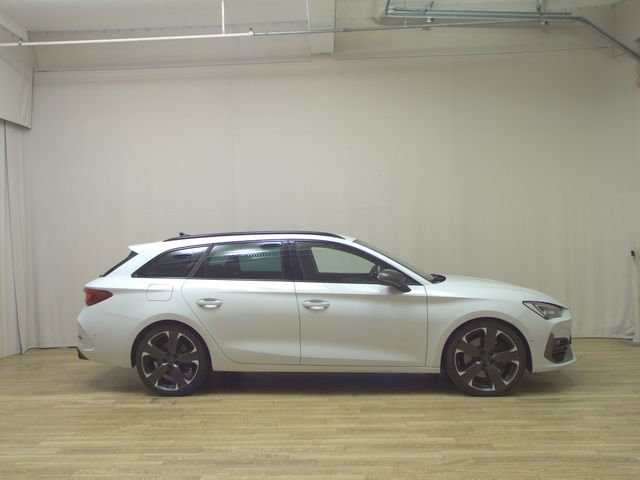
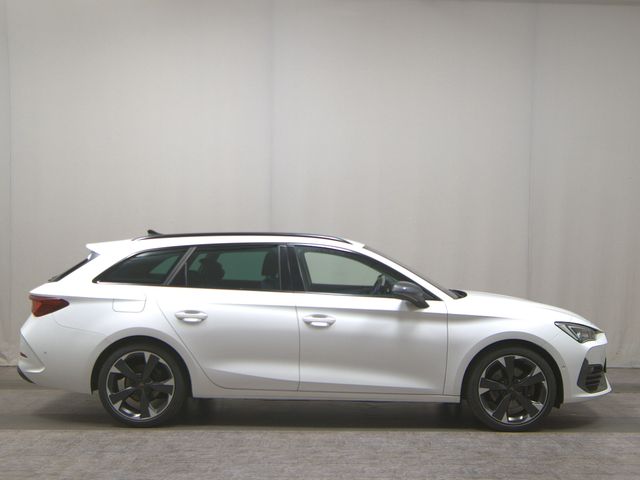
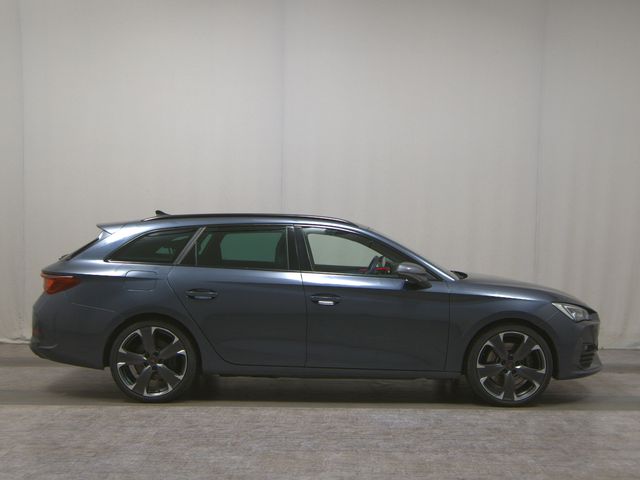
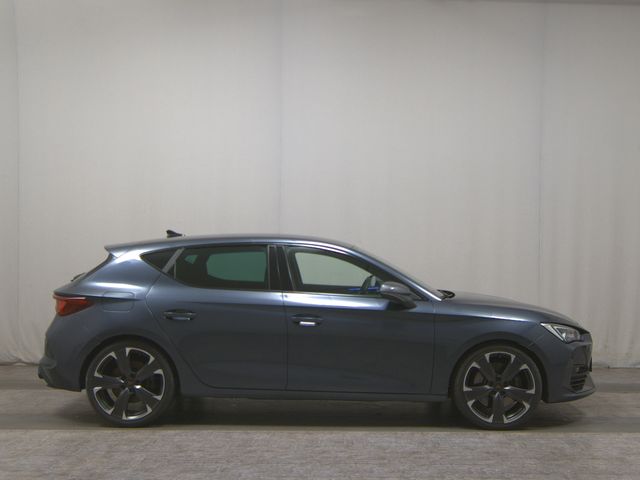
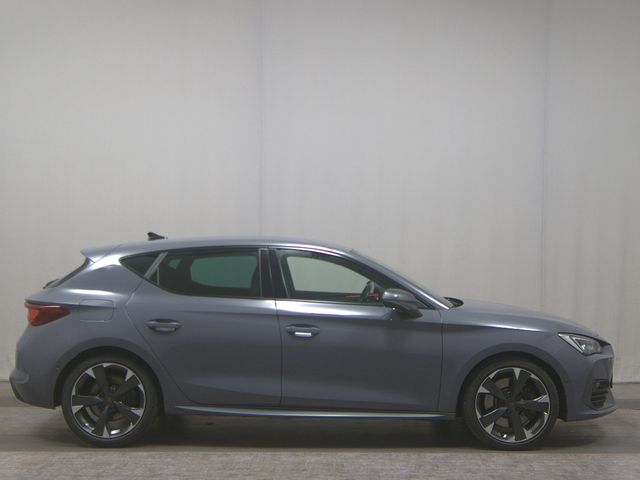
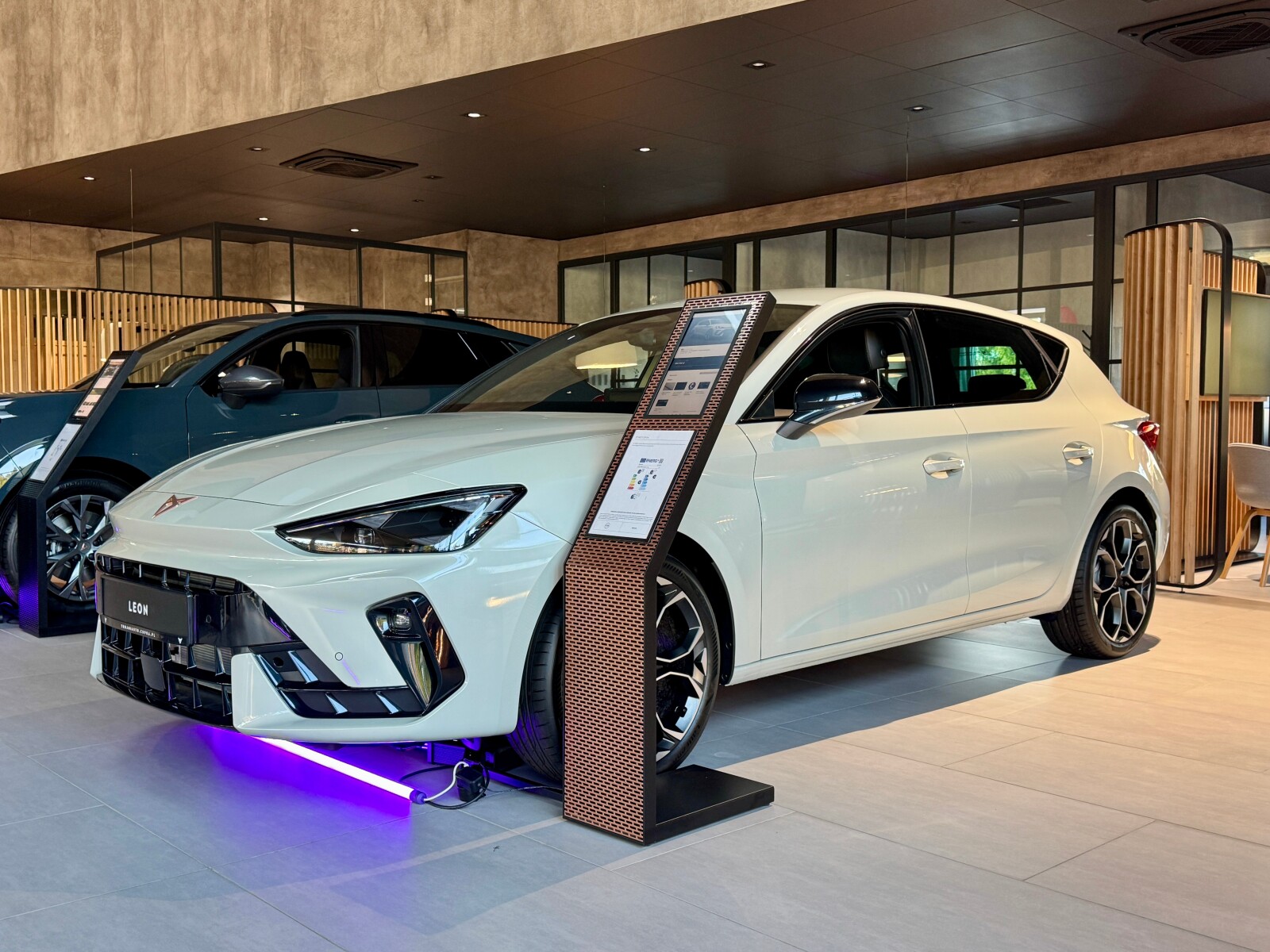
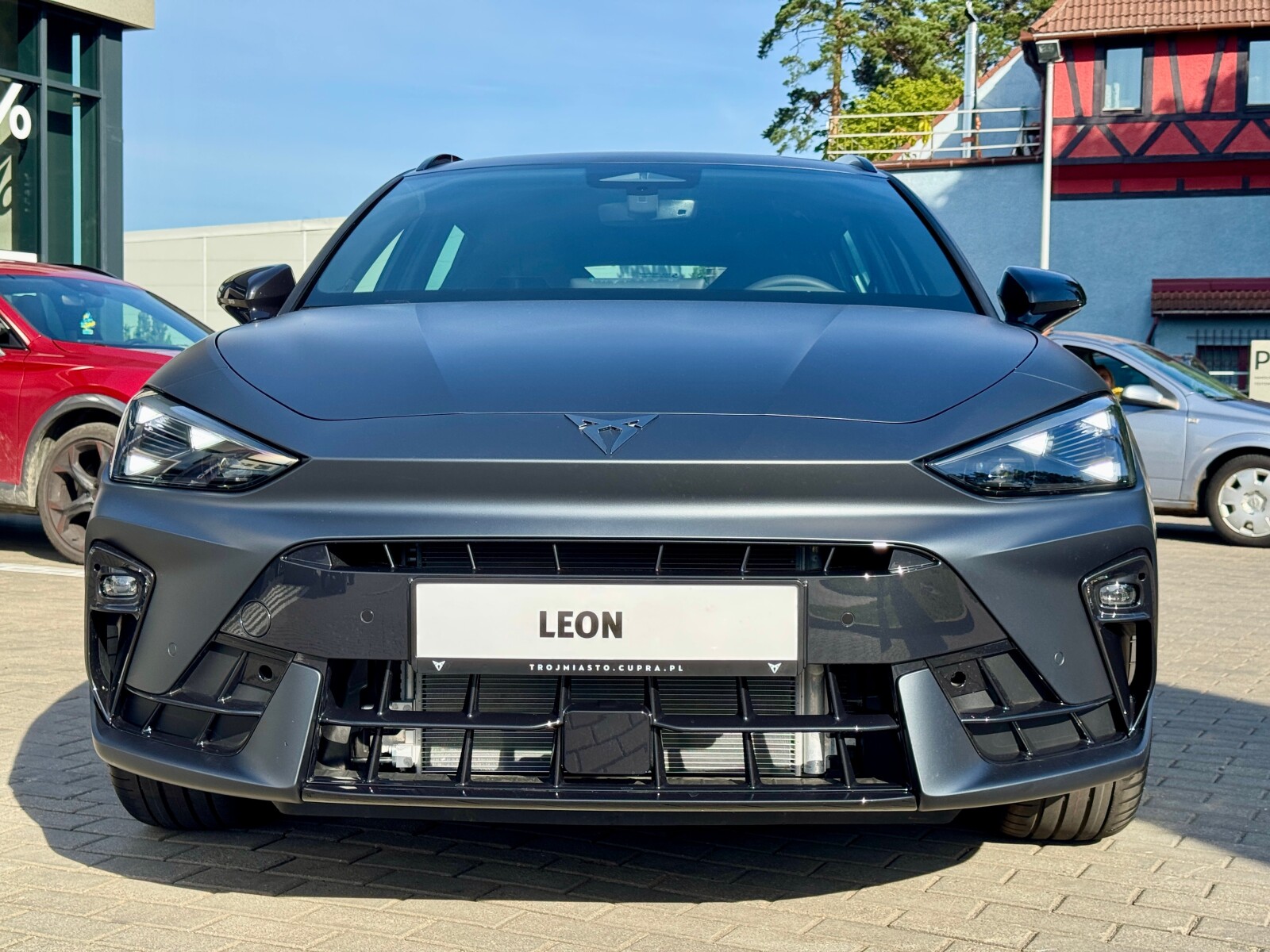
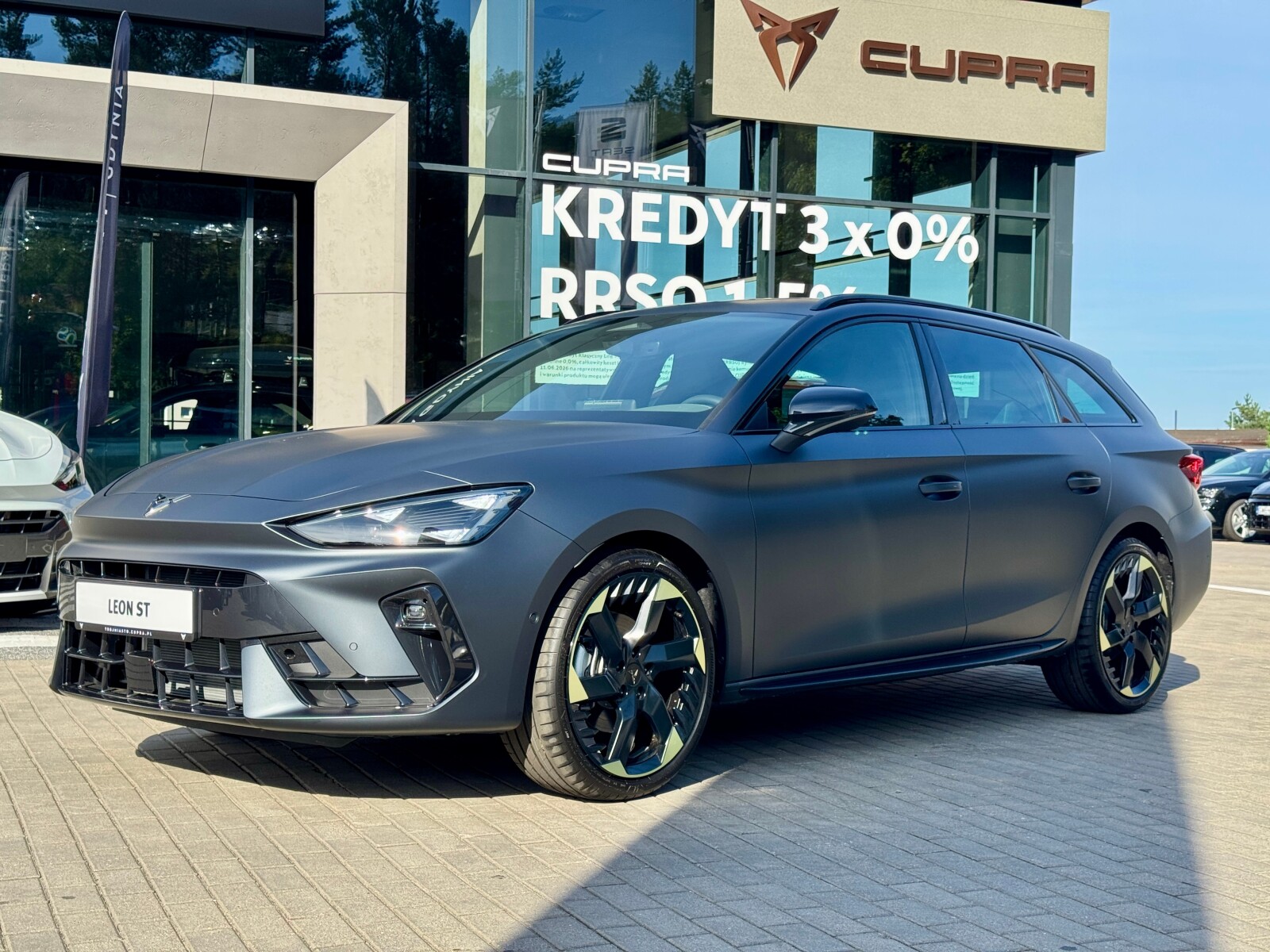
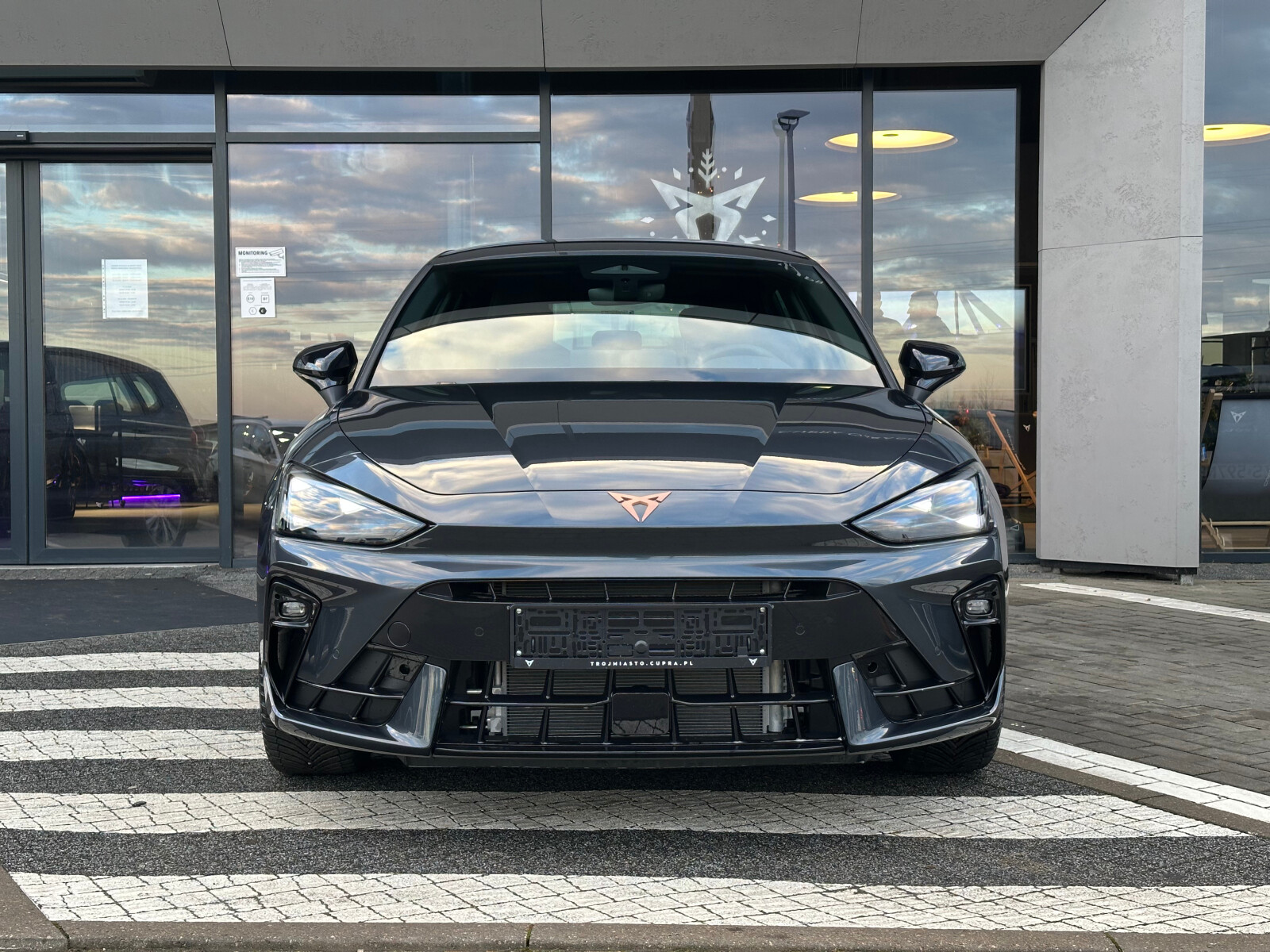
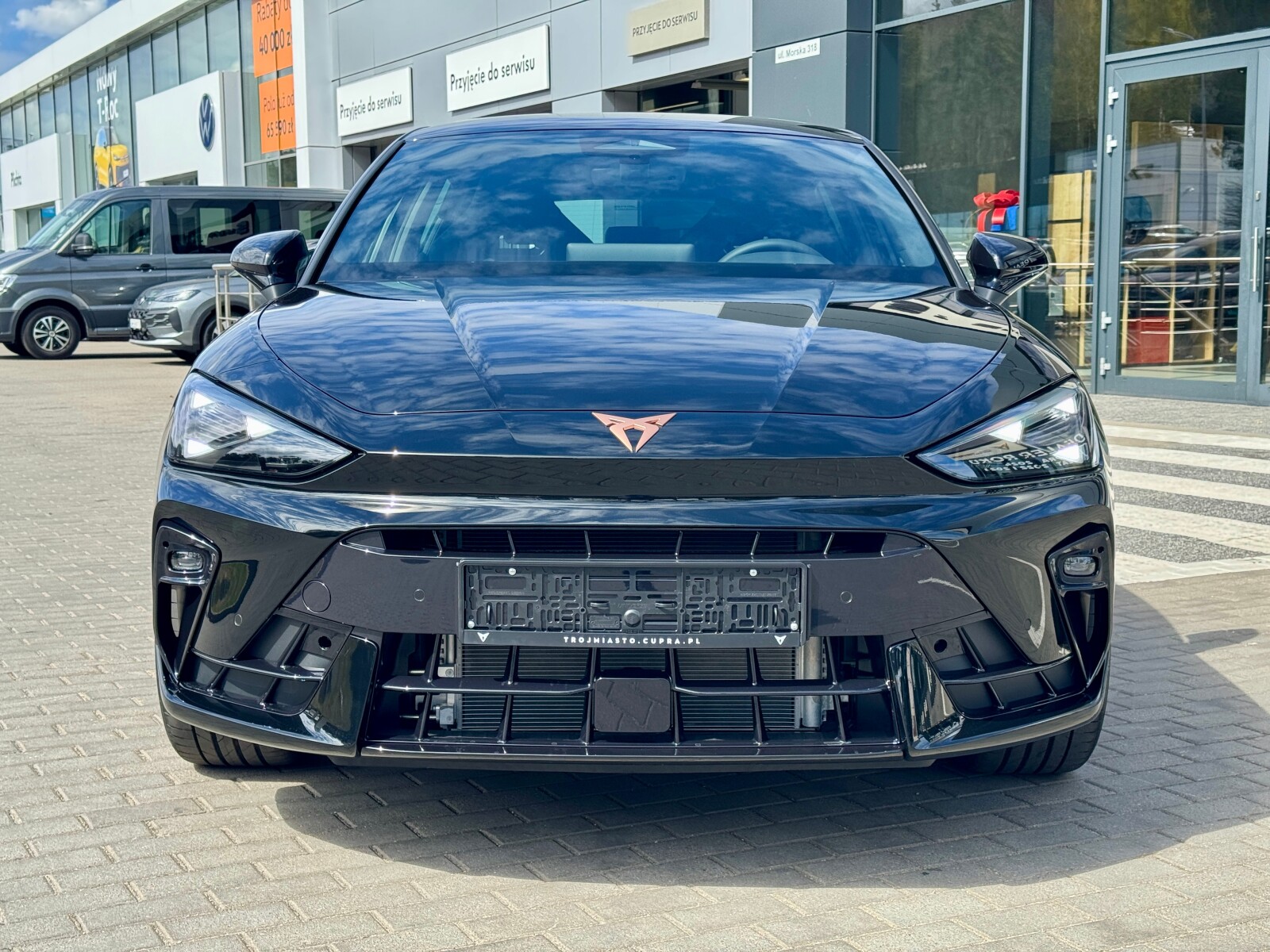
2023, automatic, 83K km, wagon, 1,395 cm3, 150 hp, grey, CUPRA ST 1.4 e-Hybrid 150kW PHEV DSG 5d !! Damaged Car !!!, Used condition, In stock, sale date 21.10.2026 04:00

CarOutlet.eu
 Belgium
Auction starts
21 Oct, 04:00






















 BelgiumBelgiumBelgiumFranceFranceFrance
 Germany, Lower SaxonyGermany, Lower SaxonyGermany, Lower SaxonyGermany, Lower SaxonyGermany, Lower SaxonyGermany, Lower SaxonyGermany, Lower SaxonyGermany, Lower SaxonyGermanyGermanyGermany
 Senden, Germany
 Cisowa, PolandCisowa, PolandCisowa, PolandCisowa, PolandCisowa, PolandCisowa, PolandCisowa, Poland
The Cupra Leon is usually not the car you buy by accident. Most shoppers land here after ruling out something more common, and that already tells you how to approach the listings: don’t just ask whether a Cupra Leon looks good in photos, ask whether this exact car makes sense against the stronger alternatives sitting one tab away. In the EU market, where used cars often travel across borders and listings can mix enthusiast-owned examples with quickly flipped stock, the best buy is rarely the one with the loudest ad. It is the one that still looks convincing after ten minutes of careful comparison.
A Cupra Leon can appear in search results next to other sporty hatchbacks and wagons that promise a similar mood, so the listing itself matters as much as the model. Before contacting a seller, compare the basics side by side: registration year, mileage, service history, gearbox description, equipment details, tire condition, and whether the seller explains the car in plain language. A strong Cupra Leon offer usually feels specific. You should see clear information instead of vague phrases, a believable maintenance story instead of “always serviced” with no detail, and photos that show more than the hero angle.
That matters because buyers often overvalue trim names and underread the ad. If two Cupra Leon cars look similar at first glance, the better one is often the one with a cleaner ownership story, more transparent service notes, and fewer unanswered questions. A slightly less flashy example can be the safer trip to inspect.
This is where many buyers save themselves time. A good Cupra Leon listing usually leaves small signs that the seller knows the car and expects informed questions. Look at the photos first. Are there enough images in daylight? Do they show the seats, steering wheel, cargo area, wheels, and close-ups of areas that normally wear? If the photos avoid the driver’s seat bolster, the infotainment screen, or the front bumper corners, ask why.
The wording matters too. Serious sellers tend to write in complete thoughts: recent maintenance, what was replaced, whether there are two keys, what documents are available, and whether the car has any faults that a buyer should know before traveling. Weak listings often hide behind generic language like “full options,” “perfect condition,” or “no investment needed” without one useful detail.
Pay attention to service notes and document hints. If the ad mentions invoices, digital service records, import papers, inspection reports, or ownership duration, that is useful context. If it says “service book” but shows nothing and the seller becomes evasive when asked for dates or mileage entries, slow down. Response style is another signal people ignore. A seller who answers directly, sends extra photos quickly, and does not dodge simple questions about history, tires, or warning lights is usually easier to work with when you actually inspect the Cupra Leon.
You do not need an interrogation script, but you do need a short list of questions that reveal whether the trip is worth it. Ask the seller how long they have owned the Cupra Leon, why they are selling it, when it was last serviced, and whether there are any known faults right now. Ask what is documented and what is only remembered. If the car was imported within the EU market, ask where it came from and whether the paperwork trail is complete.
Then ask for practical proof. Request close photos of wheel damage, tire tread, the instrument cluster with the engine running, and any service records the seller is comfortable sharing in advance. If the seller refuses every small proof request while insisting the car is flawless, that is a reason to keep browsing.
With the Cupra Leon, enthusiasm can be both a benefit and a warning sign. Some cars are owned by people who genuinely cared for them, kept records, and upgraded only what they could explain. Others are advertised with a kind of performance theater: dramatic photos, thin description, lots of attitude, very little substance. The trick is not to avoid enthusiast listings; it is to separate pride from performance cosplay.
A well-kept Cupra Leon often has an ad that feels calm. It does not need to shout. The seller can explain maintenance without turning defensive, and the car’s condition looks consistent with its mileage and use. If the steering wheel, pedals, and seats tell a different story than the odometer or the written description, trust your doubt and keep comparing.
On a results page, one lower-priced Cupra Leon can distort your whole sense of value. Resist that trap. If an offer is cheaper but has weak photos, missing service evidence, no meaningful equipment breakdown, and vague answers, it is not automatically a bargain. It may simply be the car that asks you to absorb more risk later.
A better way to compare listings is to group them by how complete and believable they are. Shortlist the cars with the clearest history, most consistent presentation, and least defensive communication. Then compare condition details: tires, brakes, bodywork alignment, interior wear, and signs that the car has been cared for between official services, not just prepared for sale.
When you finally inspect a Cupra Leon, keep the test simple and disciplined. Check whether the cold start, idle, dashboard warnings, transmission behavior, steering feel, and cabin electronics match the seller’s description. Look for paint differences, uneven panel gaps, damp smells, rough cosmetic shortcuts, or anything that suggests the car was cleaned for photos rather than maintained over time. If the service history exists, make sure the dates and mileage progression feel coherent.
The right Cupra Leon in the EU market is not just the one that looks exciting in a listing. It is the one whose story stays solid when you press gently on the details. Compare patiently, reward transparency, and do not be afraid to walk away from a stylish ad that cannot survive normal buyer questions. That is usually how you end up with the better car, not just the more tempting one.
 Add as preferred sourceSee more from zvelta in Google Search Add as preferred source