 EN
ENDEALER
27.998 US$DEALER
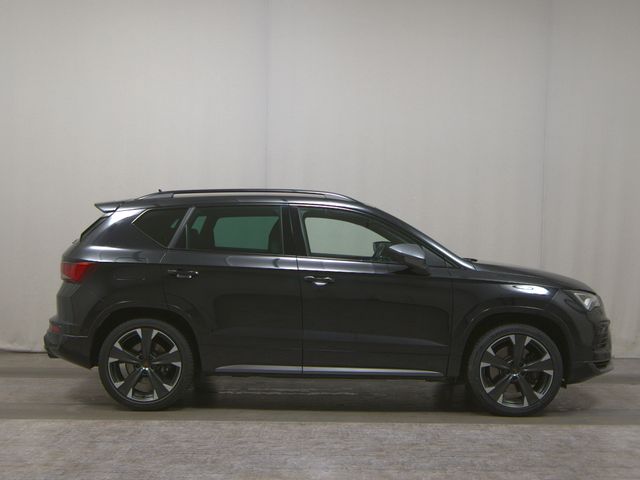
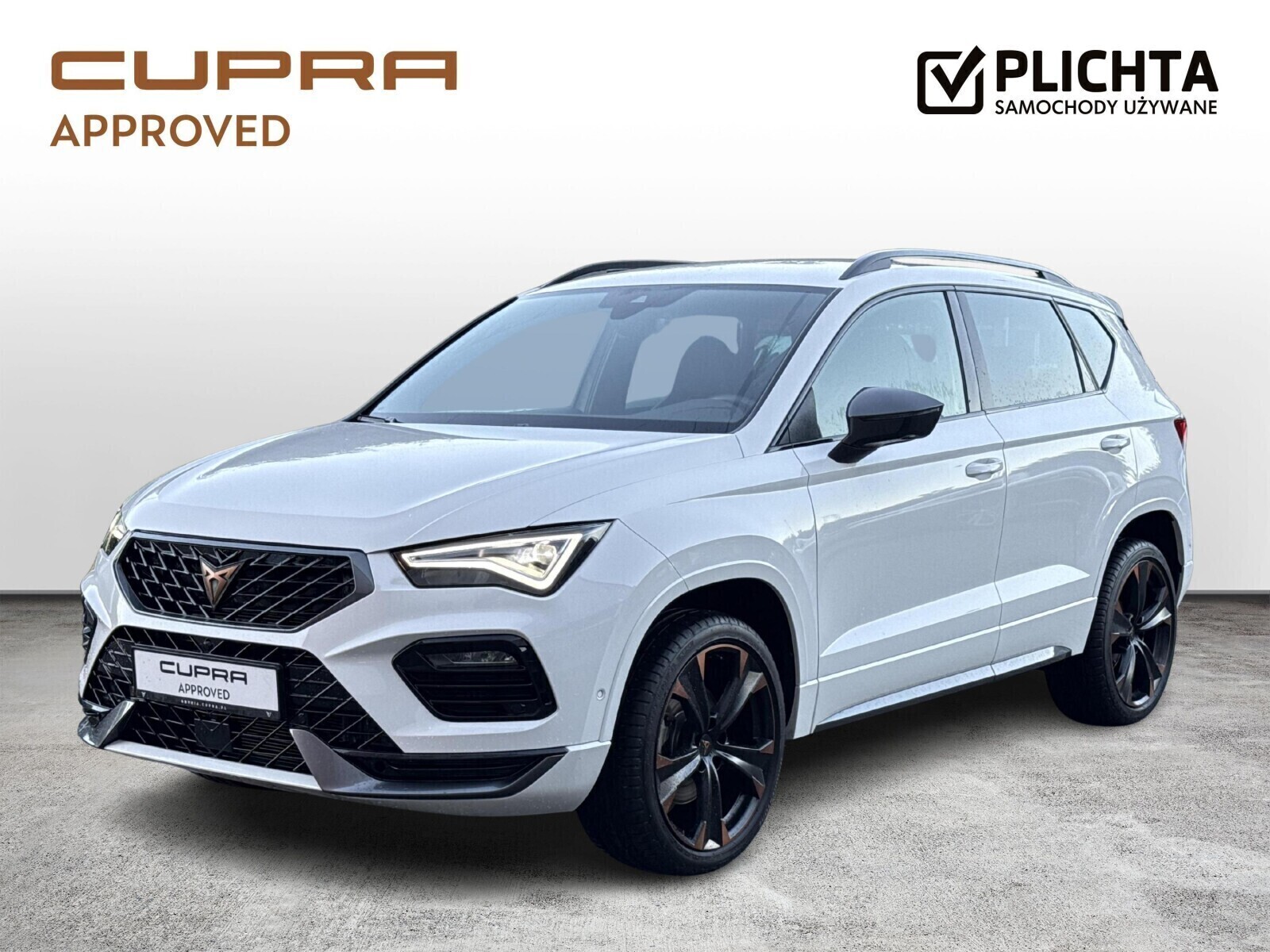
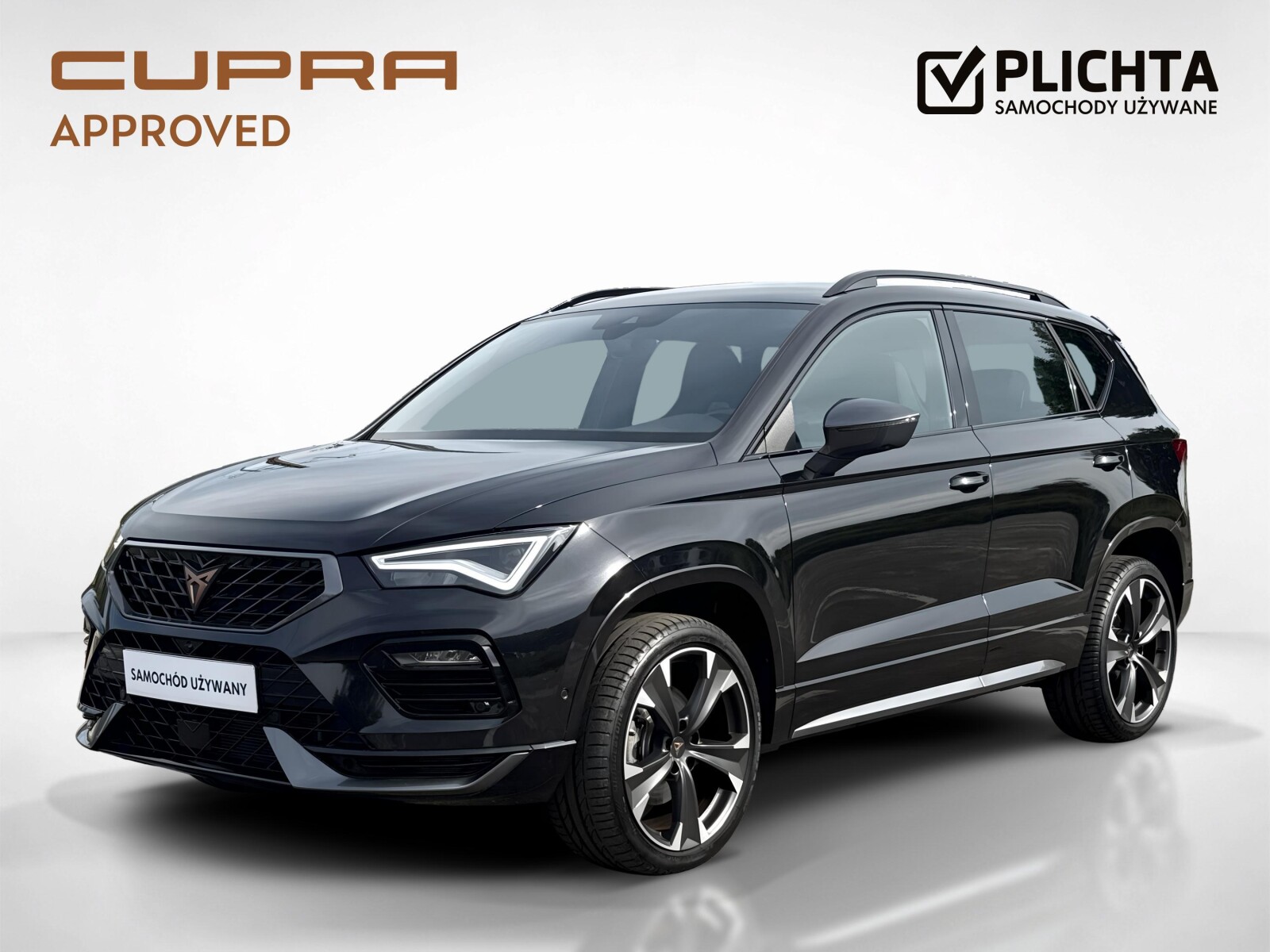
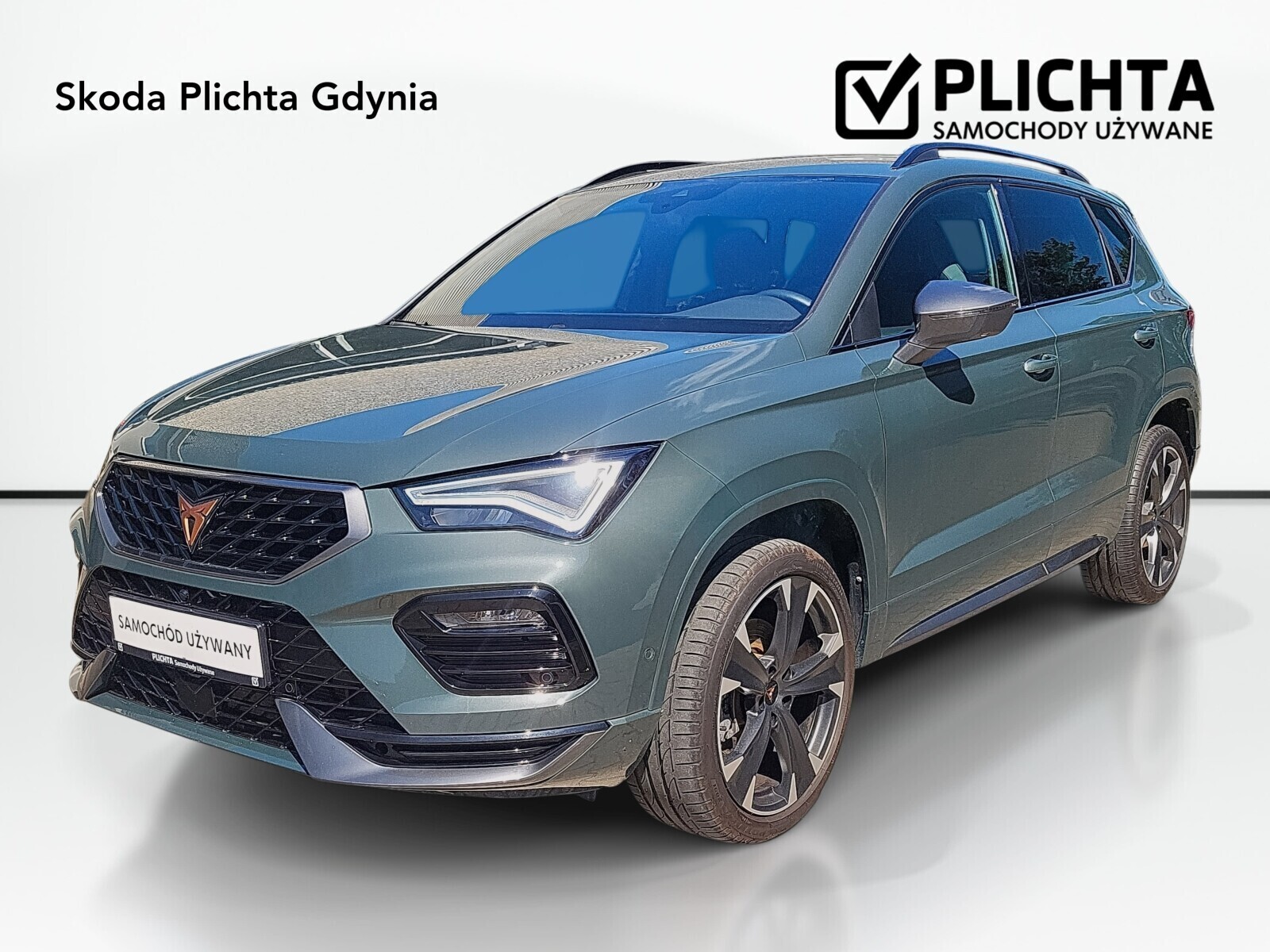
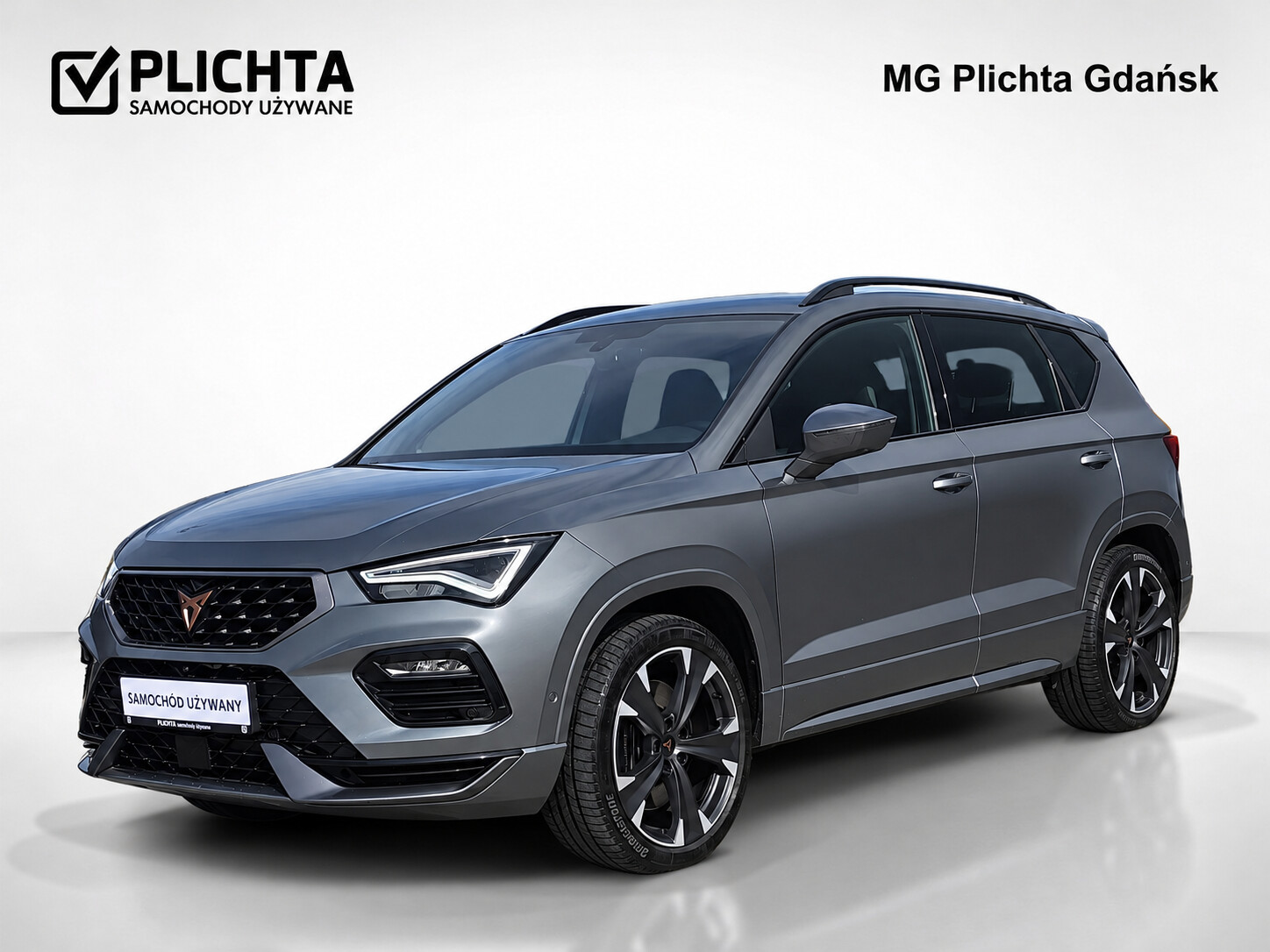
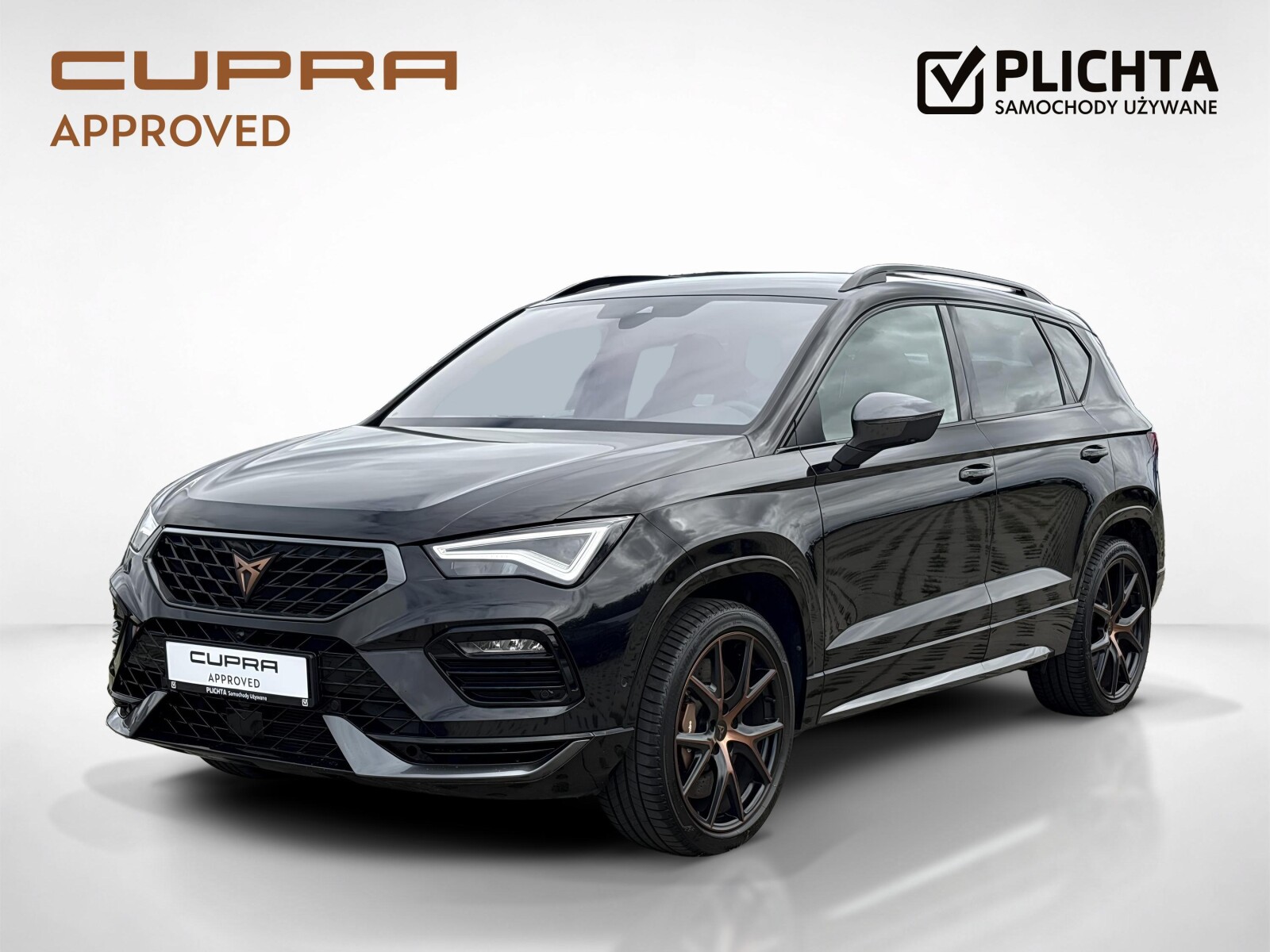
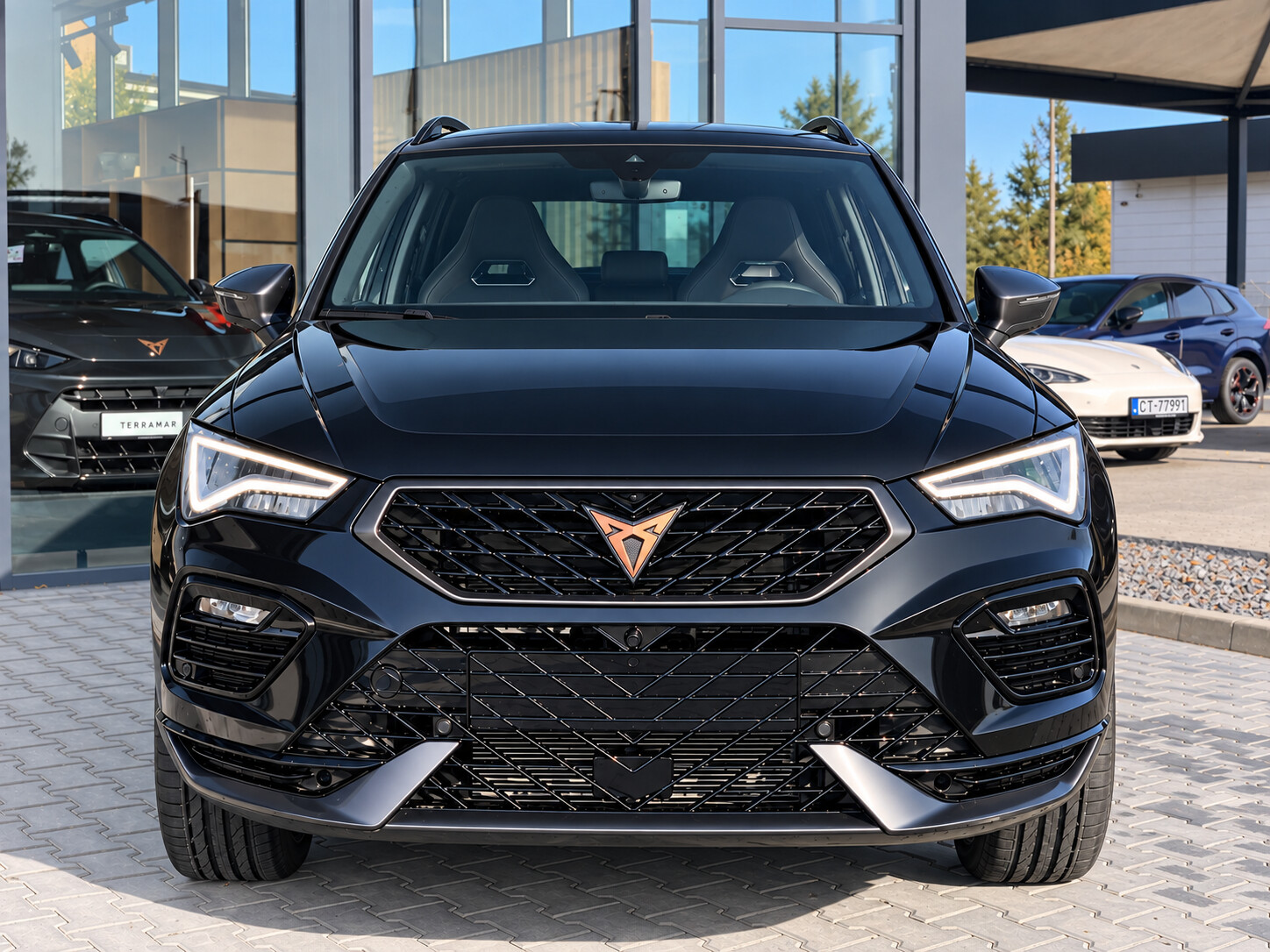
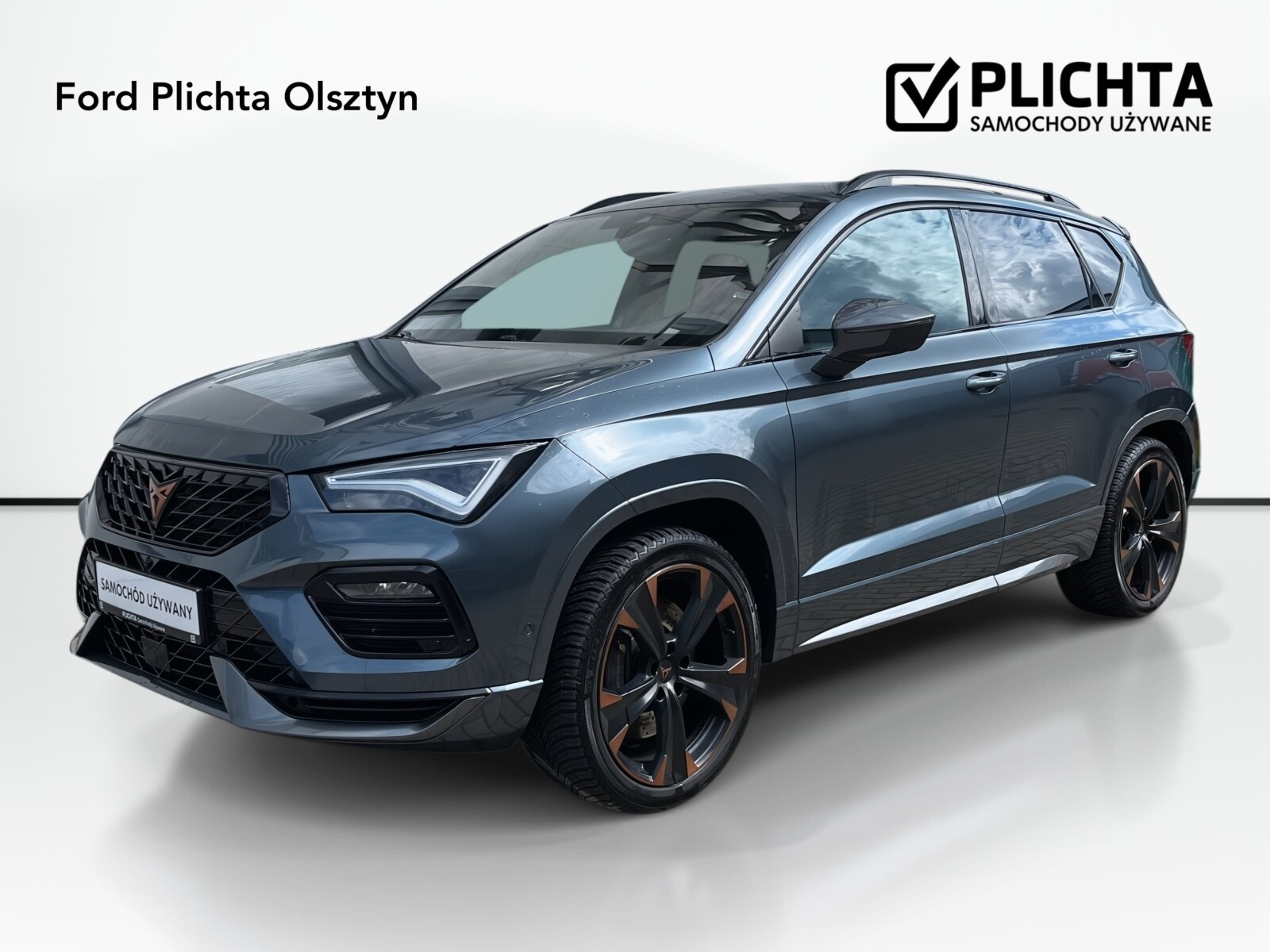
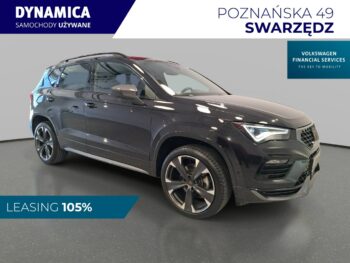
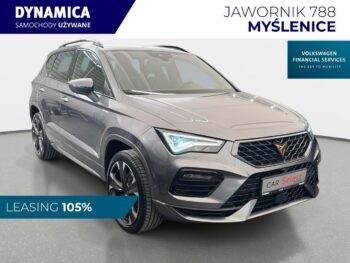
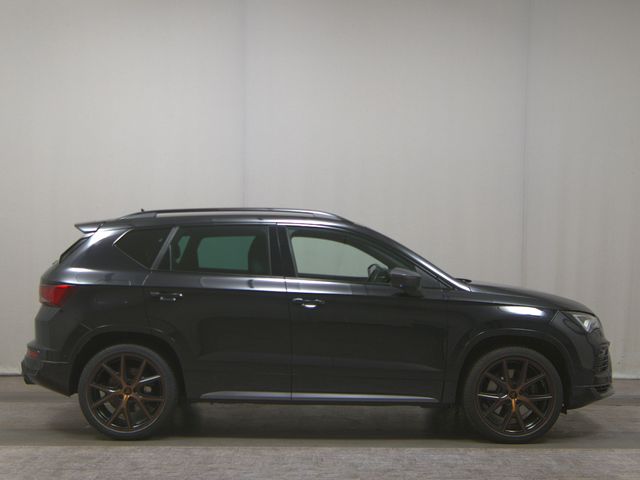
2022, gasoline, automatic, 58K km, pickup, 300 hp, black, Ateca 2.0 TSI 4Drive, Used condition, Europa, In stock

AutoHus.de
 Germany, Lower Saxony





















 Germany, Lower SaxonyGermany, Lower SaxonyGermany, Lower Saxony
 Weinheim, GermanyGersthofen, Germany
 Pieleszewo, PolandPieleszewo, PolandPieleszewo, PolandCisowa, PolandGrabówek, PolandGrabówek, PolandSzadółki, PolandSzadółki, PolandBrdyujście, PolandBrdyujście, PolandBrdyujście, PolandZielona Górka, Poland
 Poland, Lesser Poland VoivodeshipPoland, Lesser Poland VoivodeshipPoland, Lesser Poland VoivodeshipPoland, Lesser Poland VoivodeshipPoland, Lesser Poland VoivodeshipPoland, Lesser Poland Voivodeship
If you are looking at a Cupra Ateca, the smartest first step is not falling in love with the badge or the photos. Start by deciding what kind of Ateca you are actually shopping for: a sharp-looking family SUV with some pace, a well-kept daily car with honest history, or a higher-spec example that justifies stretching your budget. On the EU market, where listing quality can vary a lot, that early clarity saves time and helps you ignore flashy but weak offers.
A strong Cupra Ateca ad tends to make sense before you even contact the seller. The mileage, condition, interior wear, wheel choice, service history, and asking price should tell one consistent story. If the car is presented as carefully owned but the photos are rushed, the cabin is barely shown, or the description avoids maintenance detail, pause there. With a model like the Cupra Ateca, many buyers are drawn in by styling and performance image, so weak sellers sometimes rely on that instead of showing substance.
Look closely at what is visible in the listing rather than what is claimed. Are there clear photos of the seats, steering wheel, load area, tires, and all four corners of the body? Does the seller mention servicing in plain language, or only use vague phrases like "full options" and "excellent condition"? A used Cupra Ateca worth seeing in person usually comes with enough evidence to support the asking price.
This is where many searches go off track. The Cupra Ateca often sits in a tempting middle ground: sportier than an ordinary compact SUV, but still practical enough to be justified as everyday transport. That can make buyers forgive too much. Don’t.
Compare each Cupra Ateca listing against nearby alternatives in two directions. First, compare it with other Cupra Ateca offers: similar age, similar mileage, similar equipment, similar seller transparency. Then compare it with the cars someone could buy instead for similar money. If a particular Ateca is noticeably weaker on history, condition, or specification, ask yourself whether the sportier badge alone is doing too much work.
A useful rule: accept compromises that are easy to live with, and be cautious with those that are expensive or annoying to fix later. A less exciting color may be fine. Minor cosmetic wear may be fine. Missing documentation, unclear servicing, uneven tires, poor-quality repairs, or a seller who cannot explain ownership history are different. In that situation, waiting for a better Cupra Ateca is often smarter than negotiating yourself into a problem.
A quick call or message should help you sort strong offers from time-wasters. Ask direct questions and pay attention not only to the answers, but to how easily the seller gives them.
Good questions include:
You are not trying to interrogate the seller. You are checking whether the ownership story is clean and whether the person offering the car knows it well. A seller who answers clearly and volunteers useful detail is usually easier to deal with than one who keeps everything vague until viewing day.
On the used market, the Cupra Ateca can attract two very different kinds of listing. One is the genuinely cared-for example bought by someone who wanted a fast practical SUV and maintained it properly. The other is the image-driven listing: polished photos, strong exterior presentation, maybe some attractive equipment, but limited depth once you start asking about upkeep. The difference is not always visible in the first ten seconds.
That is why photo order and description style matter more than people think. Sellers who lead with dramatic angles, badges, and wheels but barely show the cabin, cargo area, or close-up condition details may be telling you what they hope you value most. With Cupra Ateca cars for sale in the EU market, a quiet, detailed ad can be a better sign than a loud one.
A Cupra Ateca should feel special enough to justify itself, but a good one also needs to feel settled. During a viewing, check whether the car starts cleanly, idles evenly, and drives without odd hesitation, vibration, or dashboard surprises. Listen for noises over rough surfaces, pay attention to steering feel, and see whether the transmission behavior matches the seller’s description. If the car feels hard-used, inconsistent, or strangely unfinished in small details, trust that impression.
Inside, compare the wear you see against the mileage claimed. Bolster wear, shiny controls, tired trim, or a neglected cargo area do not automatically make a car bad, but they should fit the story. The same goes for tires: they can reveal how the car was maintained and whether corners were cut before sale.
A lot of buyers stay too long with a questionable car because they like the idea of owning a Cupra Ateca. Try to separate the model from the specific listing. Move on if the seller becomes defensive about basic checks, if the paperwork story changes, if the service timeline has gaps they cannot explain, or if the condition looks noticeably worse than the photos suggested. There are only so many acceptable compromises in a used performance-flavored SUV.
The right Cupra Ateca is not simply the cheapest one or the one with the boldest ad. It is the one where price, condition, history, and seller credibility line up well enough that you can view it with confidence. Compare carefully, ask better questions than most buyers do, and be willing to wait. That patience is often what separates a satisfying buy from an expensive lesson.
 Add as preferred sourceSee more from zvelta in Google Search Add as preferred source