EN
ENDEALER


CarOutlet.eu
 Belgium
Auction starts
13 Oct, 04:45






















 BelgiumBelgiumFranceFranceFranceFranceFranceFranceFranceFranceFranceFranceFranceFranceFranceFrance
 Estonia, Harjumaa
 Czech Republic, Olomoucký krajItaly
 Parco Monlue' - Ponte Lambro, ItalyCazzago-Ex Polo, Italy
 RomaniaRomaniaRomania
 Comuna Găneasa, Romania
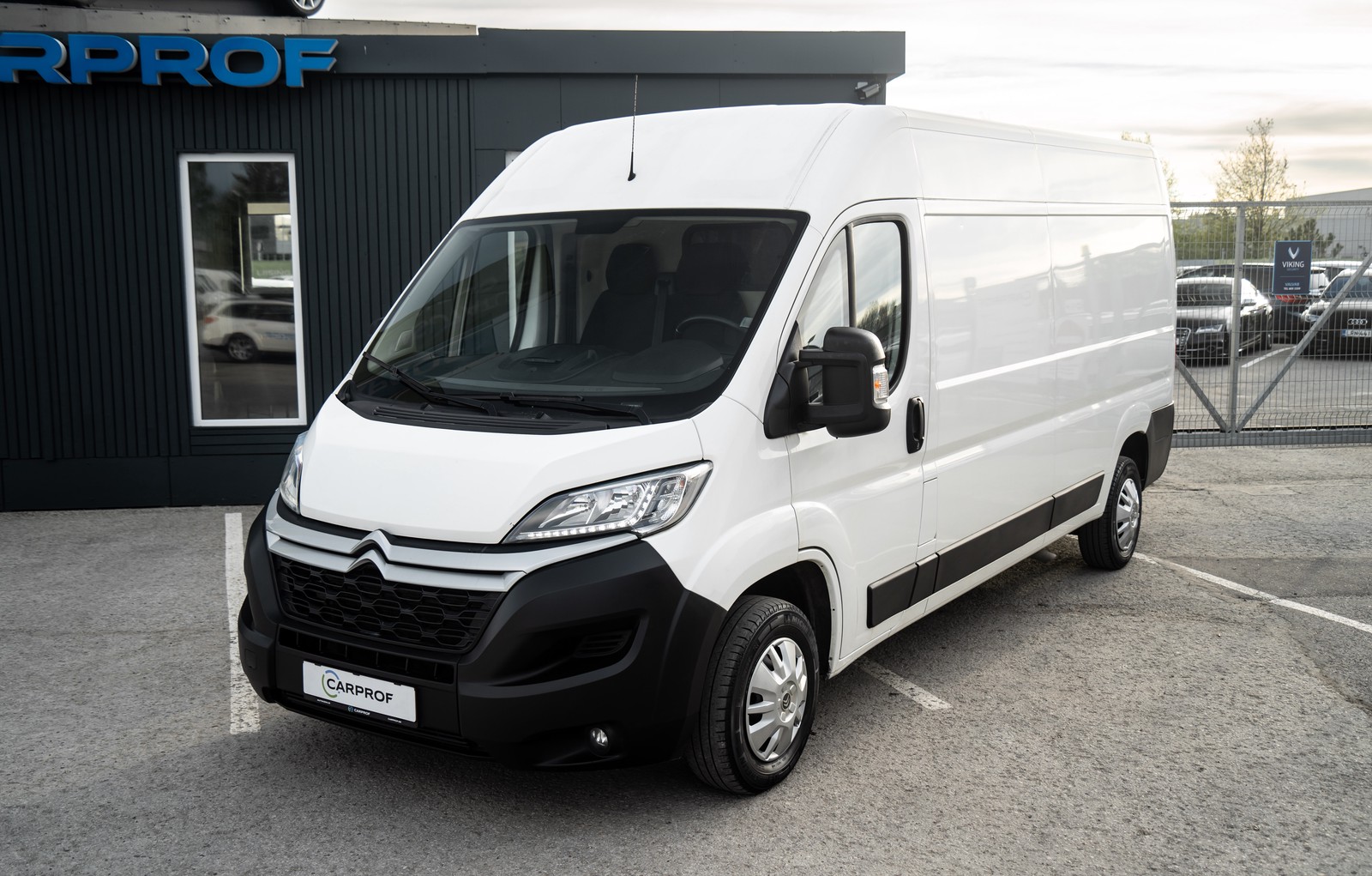
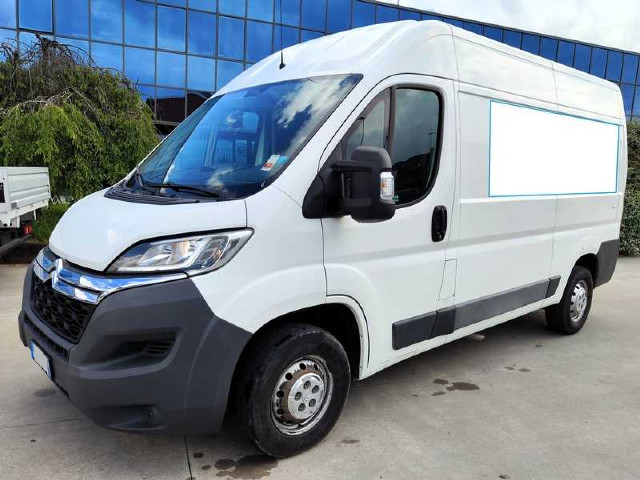
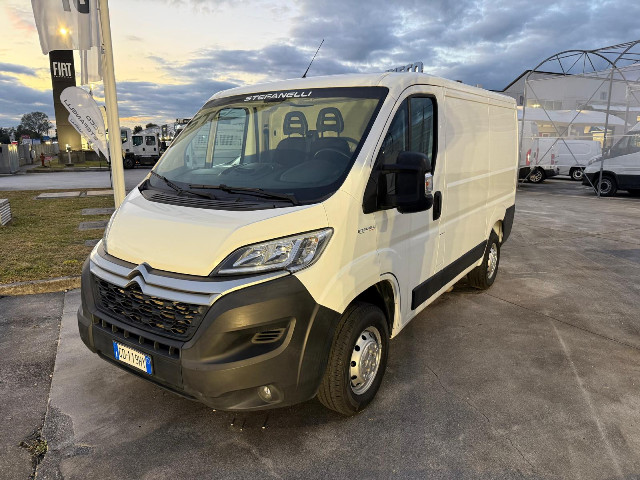
A Citroen Jumper can look like an easy buy online right up until you start comparing real listings. In the EU market, supply can be thin, vans may be far apart, and the first tidy-looking advert is often the one that wastes your time. With only a small number of active offers, buyers usually face a familiar dilemma: travel for the nearest van, or hold out for the better-documented one. For a working vehicle like the Citroen Jumper, patience usually saves money.
That is because a good-looking Citroen Jumper listing is not automatically a strong one. Sellers know that clean photos, a quick wash, and a short description can attract calls. What separates a serious offer from a weak one is the detail around it: what the van has been used for, how honestly the wear is shown, whether service history is clear, and whether the paperwork matches the story. If you are buying across borders in Europe or even just comparing vans in different regions, document quality matters almost as much as the van itself.
When people search for used Citroen Jumper vans, they often focus first on price, year, and mileage. That is normal, but it is not enough. A cheaper van with poor photos of the cargo area, vague ownership history, or no mention of maintenance can easily become the more expensive choice. With a Citroen Jumper, look beyond the front three-quarter photo and check whether the listing shows the load bay, side doors, rear doors, cabin, seats, dashboard, and the areas that tend to show working life honestly.
A short ad is not always a bad ad, but a careless ad should slow you down. If the seller does not mention service records, recent repairs, warning lights, tyre condition, or the van's actual working role, ask yourself what they expect you not to ask. In this part of the market, transparency is a strong seller signal. A seller who explains where the Citroen Jumper has worked, what was replaced, and why it is being sold is often worth your attention even before you see the van.
The right Citroen Jumper depends heavily on your job. A courier, tradesperson, camper conversion buyer, and fleet operator may all look at the same van and judge it differently. So when you compare Citroen Jumper offers, do not just rank them by age or mileage. Compare them by suitability.
Look at body length, roof height, door configuration, interior condition, signs of heavy loading, and how complete the cabin feels. Check whether the seats, steering wheel, floor, and switches look consistent with the stated mileage. If the cargo area is unusually fresh while the cab is heavily worn, ask why. If the outside looks rough but the mechanical story is clear and documented, that may still be the better buy than a freshly photographed van with no history.
One useful trick with commercial vehicles is to compare the type of wear, not just the amount. A Citroen Jumper that spent its life on steady regional routes can present very differently from one that did dense urban stop-start work or repeated heavy loading. The seller may not volunteer that distinction, but it can explain a lot about the condition you see in photos and during inspection.
Before you commit to viewing any Citroen Jumper for sale, send a short list of direct questions. Ask whether the registration documents are ready, whether the mileage can be supported by records, whether there are invoices for servicing or recent repairs, and whether there are any warning lights, leaks, starting issues, gearbox concerns, or body damage not visible in the photos. Also ask how long the current owner has had the van and what work it was doing.
The tone of the answer matters almost as much as the answer itself. A precise reply usually means the seller knows the van. A vague reply full of "should be fine" and "nothing major" is not proof of a bad Citroen Jumper, but it is a reason to keep your expectations realistic. If you have to travel, ask for fresh photos or a walk-around video before setting off. That one step filters out a surprising number of weak offers.
There is a particular trap in the Citroen Jumper market: buyers often forgive too much because it is a practical van and not an emotional purchase. That logic sounds sensible, but it can lead to expensive compromises. People overlook missing history, uneven panel fit, worn interiors, suspiciously selective photos, or a seller who keeps the description minimal because "it's only a work van." In reality, a work van needs clearer proof, not less.
Another less obvious point: modest, honest listings can be better than polished ones. A slightly untidy advert with complete paperwork, consistent wear, useful underbody or interior photos, and calm answers from the seller can be a far stronger prospect than a beautifully staged Citroen Jumper with thin information. Good commercial buyers learn to trust consistency more than presentation.
If you are comparing several Citroen Jumper listings, make a shortlist based on documentation, visible honesty, and fit for your work before you focus on bargain hunting. During inspection, check cold start behaviour, dashboard lights, clutch and gearbox feel, engine response, braking, steering, door operation, signs of leaks, and the condition of the cargo area. Make sure VIN and documents line up cleanly. If the van has clearly been modified, ask who did the work and whether anything affects registration or future maintenance.
For many buyers in the EU market, the best Citroen Jumper is not the nearest one, the cheapest one, or even the newest one. It is the one with the clearest story. If the listing gives you enough to compare, the seller answers directly, and the visible condition matches the paperwork, that is usually the offer worth viewing first. Everything else is just a good photo until proven otherwise.
 Add as preferred source


![Citroen Jumper 35 L3H2 BlueHDi 140 S&S BVM6 Driver VU [4P] Bvm 6-140CH-7cv (fourgon Tôlésimple Cabine)](https://cdn-media.caroutlet.eu/car/4373/75/thumb_437274180_car_small.jpg "Citroen Jumper 35 L3H2 BlueHDi 140 S&S BVM6 Driver VU [4P] Bvm 6-140CH-7cv (fourgon Tôlésimple Cabine)")