EN
ENDEALER
559 US$DEALER
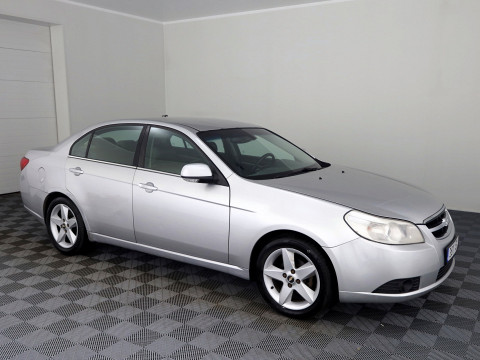
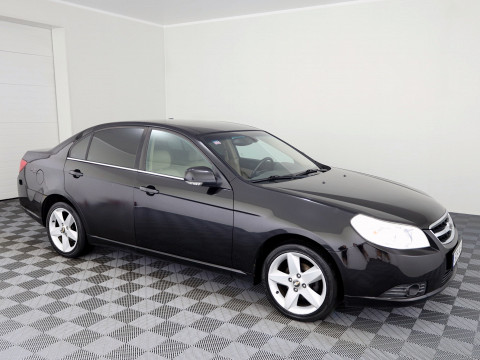
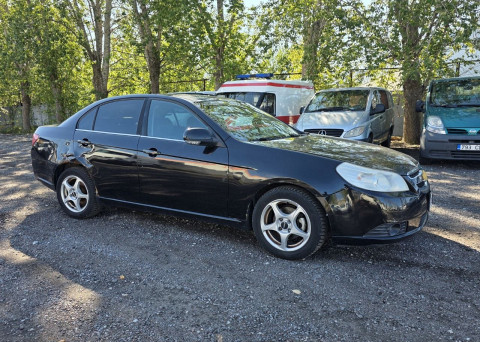
2008, gasoline, automatic, 199K km, sedan, Front Wheels Drive, 2,000 cm3, black, Used condition, South Korea, In stock

BaltiCar.com
 Estonia, Harjumaa






















 Estonia, HarjumaaEstonia, HarjumaaEstonia, HarjumaaRomania, Timiş
If you are looking at a Chevrolet Epica, the smartest first step is not falling in love with the cheapest ad. This is the kind of car where the quality of the listing often tells you almost as much as the car itself. A tidy, well-explained Chevrolet Epica can be worth a serious look; a vague one with poor photos and thin answers can waste your time quickly. On a model that may appear only occasionally in the EU market, patience and careful comparison matter more than rushing to be first.
A Chevrolet Epica usually enters a buyer’s shortlist for space, comfort, or value rather than image alone. That means your comparison should be practical from the beginning. Look beyond year and mileage. Check whether the seller explains recent maintenance, mentions how long they have owned the car, and shows the interior as confidently as the exterior. A real owner usually knows what has been replaced, what still needs attention, and why they are selling. A weak ad often hides behind short phrases, glamorous angles, or one-line claims that tell you nothing useful.
When comparing used Chevrolet Epica cars for sale, try to group listings by overall honesty instead of by price only. A more expensive car with clear photos, service notes, and readable documents can be the safer choice than a cheaper one that leaves basic questions unanswered. If equipment is mentioned, check whether it sounds specific and believable rather than copied from a brochure. If mileage is low for age, ask what supports it. If the condition is described as perfect, look for details that prove the seller actually inspected the car critically.
This is where many buyers either save time or lose it. On a Chevrolet Epica listing, photos should show more than the front three-quarter pose. You want cold, unromantic evidence: seats, steering wheel, door cards, boot, engine bay, dashboard with warning lights status, and close-ups of areas that usually reveal care or neglect. If a seller avoids showing the driver’s seat, wheel, or lower bumpers, that omission is a signal in itself.
The wording matters too. A serious seller tends to write in plain language: what was serviced, what works, what may need attention, whether the car is still in daily use, and whether documents are ready. A weak seller often leans on foggy phrases like “no investment needed” or “everything done” without one concrete example. Even the response style tells you something. If you ask for the VIN, service history, last major maintenance, tire age, or extra photos, the good sellers usually answer directly. The risky ones dodge, delay, or become strangely irritated by normal questions. With a Chevrolet Epica, that difference is often more revealing than polished paint in the photos.
There is also a quieter clue that experienced buyers watch for: consistency. Does the ad description match the photos? Do the seats, trim, wear level, and claimed condition tell the same story? Does the seller mention two keys, manuals, invoices, inspection papers, or registration details in a way that feels natural rather than defensive? Serious listings rarely need dramatic language. They read like someone who expects sensible questions and is ready for them.
Before arranging to see a Chevrolet Epica, ask a short set of questions that helps you filter the offer quickly. Has the car been owned privately or used in a business role? What maintenance was done recently, and are there invoices or stamped records? Are there any current warning lights, leaks, suspension noises, gearbox issues, or electrical faults? Has it had body repairs, repainting, or accident damage? Which features do not work exactly as they should?
Notice not only the answers, but how the answers come. A confident seller usually does not need to oversell a used Chevrolet Epica. They can say, for example, that the car drives well but has cosmetic wear, or that one item should be checked soon. That kind of honesty is valuable. It gives you a more realistic ownership picture and often means the viewing will match the advertisement.
Sometimes the hard part with a Chevrolet Epica is not choosing between ten cars, but deciding whether the one available listing is good enough to pursue. In that situation, compare it against the wider logic of used car buying, not just against identical Epica ads. Does the seller provide enough evidence to justify the asking level? Does the condition shown support the mileage claimed? Does the maintenance story sound complete or selective? If the listing is thin, compare it mentally with alternative sedans in the same budget and ask yourself whether this Chevrolet Epica is earning your attention or merely benefiting from rarity.
That is an important distinction. A less common model can attract two types of buyer mistakes: dismissing a decent car because it is unfamiliar, or excusing a weak offer because there are few alternatives. Neither is smart. The better approach is calm and slightly skeptical. If the Chevrolet Epica seller gives you clean information, useful photos, coherent history, and straightforward answers, it may deserve a visit. If the seller relies on urgency, vagueness, or attitude, rarity is not a reason to compromise.
At the viewing, you are confirming whether the ad was honest. Check panel fit, paint consistency, interior wear, startup behavior, idle quality, warning lights, and how the car presents when it has not been freshly staged for photos. A Chevrolet Epica that was advertised carefully should feel consistent in person. Documents should be easy to show. Service history, registration details, and ownership story should line up without awkward gaps.
A good Chevrolet Epica listing does not need to be perfect to be worth buying. It needs to be coherent. That is the real theme for this model page: compare the evidence, not the promises. If the seller is transparent, the paperwork is sensible, the condition matches the story, and your questions are answered without drama, you are much closer to a worthwhile car. If not, moving on is not missing out; it is buying well.
 Add as preferred sourceSee more from zvelta in Google Search Add as preferred source