EN
ENDEALER
1.456 US$DEALER
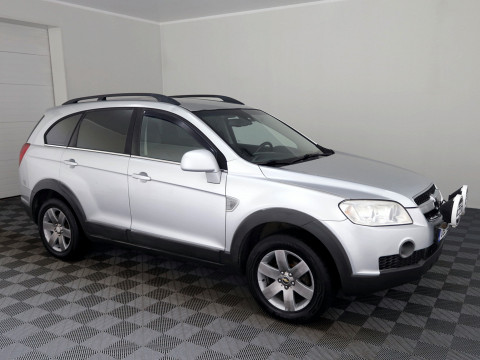
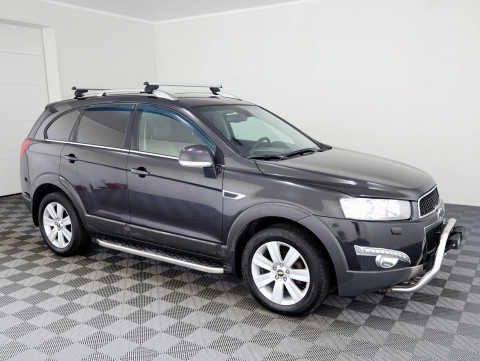
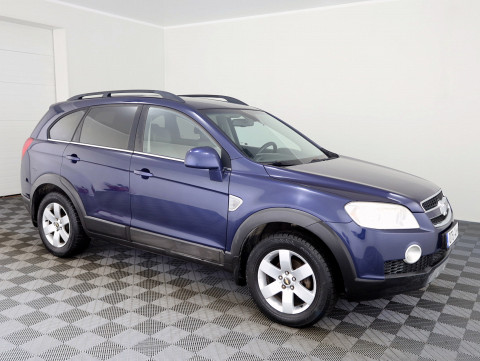
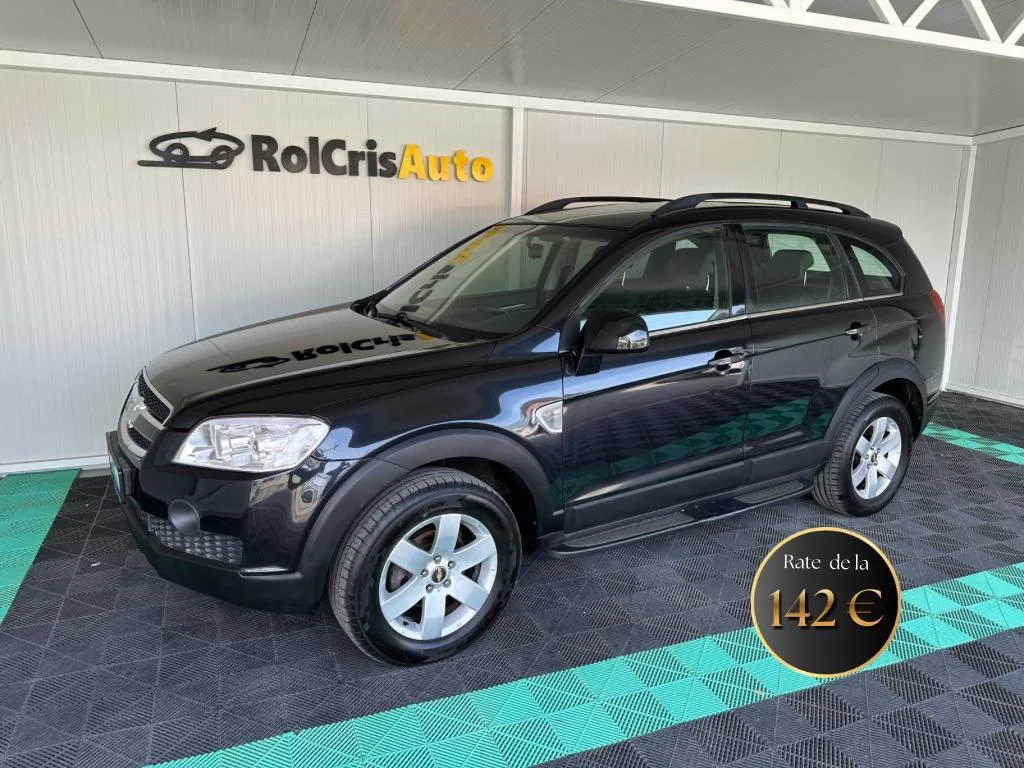
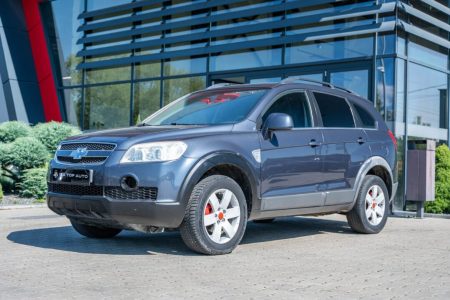
2009, diesel, automatic, 296K km, wagon, All Wheels Drive, 2,000 cm3, grey, Used condition, South Korea, In stock

BaltiCar.com
 Estonia, Harjumaa






















 Estonia, HarjumaaEstonia, HarjumaaEstonia, HarjumaaEstonia, Harjumaa
 Poland, Lesser Poland VoivodeshipRomania, BihorRomania, Sibiu
 Romania, Botoşani
 Romania, Bacău
If you are shopping for a Chevrolet Captiva, the smartest move is not to chase the cheapest ad first. Build a shortlist in stages. One offer may deserve a quick call, another may justify a proper visit, and a third should be skipped before you spend any time on it. That matters even more with the Chevrolet Captiva, because listings can look similar on the surface while hiding big differences in ownership history, condition, and how honestly the car has been presented.
When you browse Chevrolet Captiva cars for sale across the EU market, try this simple filter in your head. Call the seller if the ad has clear photos, a readable description, sensible mileage for its age, and at least some mention of maintenance or recent work. Visit only if the same listing also shows consistency: matching trim details, interior wear that makes sense for the mileage, and no obvious gaps in the story. Skip the offer if the description is vague, the photos avoid key angles, or the seller seems to rely only on a low price.
That last point catches many buyers. A cheap Chevrolet Captiva can look like value because the model often appears on practical family-SUV shortlists, but weak listings usually stay weak when you inspect them in person. If the seller cannot explain ownership, service history, warning lights, gearbox behavior, or why certain panels look different in color, you are not looking at a bargain. You are looking at unpaid future work.
A good first call is not about negotiating immediately. It is about checking whether the ad and the real car are the same thing. Ask the seller how long they have owned the Chevrolet Captiva, whether the car has a documented maintenance record, and what has been repaired recently. You are listening as much for clarity as for content. A straightforward seller usually answers in a straight line. A weak seller circles around basics.
Useful questions include:
If the answers are precise and the seller volunteers details without being pushed, keep the listing on the shortlist. If every answer sounds like "I think so" or "probably fine," move on.
With the Chevrolet Captiva, one of the best signals is not glamorous equipment or polished photos. It is coherence. Does the car make sense as a whole? A family SUV that shows normal wear in the rear seats, a boot area used but not abused, and invoices for routine maintenance can be a better prospect than a freshly detailed example with very little paperwork. Buyers often get distracted by shine. Experienced shoppers pay attention to whether the car has been lived with sensibly.
This is especially useful in a cross-border EU search, where listings may be translated, reposted, or lightly rewritten. A Chevrolet Captiva ad that feels unusually thin on specifics may not be hiding a disaster, but it does deserve extra caution. When a seller gives exact dates, recent maintenance items, and clear photos of the cabin, cargo area, and wheels, the listing becomes much easier to trust.
A viewing is worth arranging when the online checks line up: believable mileage, decent photo coverage, complete contact answers, and a realistic story about use and maintenance. At that point, go beyond the headline facts. Check panel gaps, tire condition across all four corners, wear on the steering wheel and pedals, and whether the interior age matches the mileage being claimed. Start the Chevrolet Captiva from cold if possible. Listen for rough running, watch for excessive smoke, and pay attention to how the engine settles at idle.
On the test drive, keep the radio off for the first few minutes. You want to hear suspension noises, drivetrain thumps, wind noise from poor repairs, and any complaints when steering at low speed. A Chevrolet Captiva that feels honest usually tells a consistent story: the way it drives matches the way it looks and the way the seller described it. Trouble starts when the ad says "excellent condition" but the car feels tired, loose, or strangely unfinished.
This model can attract buyers who want SUV space without jumping to more expensive alternatives, so some sellers know that a low asking price will generate calls. That does not mean the car deserves your visit. If the ad has poor photos, no maintenance detail, and a defensive seller, a lower price often just means you will be doing the seller's due diligence for them. In practical shortlist terms, those are skip candidates.
A better Chevrolet Captiva offer is often the one that is slightly less exciting at first glance but easier to verify. Maybe the color is ordinary, the wheels are standard, and the ad copy is not flashy. Fine. If the documents are in order, the service record is believable, and the condition matches the presentation, that is the kind of listing that deserves serious attention.
When you compare used Chevrolet Captiva listings, avoid judging only by year, mileage, and price. Compare seller behavior, completeness of information, and how much guesswork each ad leaves you with. One seller may present a higher-mileage car honestly with records and recent maintenance. Another may offer a lower-mileage example with almost no proof and selective photography. The first one can easily be the better buy.
The Chevrolet Captiva makes most sense for buyers who stay disciplined. If an offer earns a call, use the call well. If it earns a visit, inspect it with patience. If it raises too many basic questions before you have even left home, skip it and keep your shortlist clean. That approach will save you more time and money than any dramatic bargain hunt, and it is the best way to find a Chevrolet Captiva that still feels like a sound decision after the first excitement wears off.
 Add as preferred sourceSee more from zvelta in Google Search Add as preferred source