EN
ENDEALER
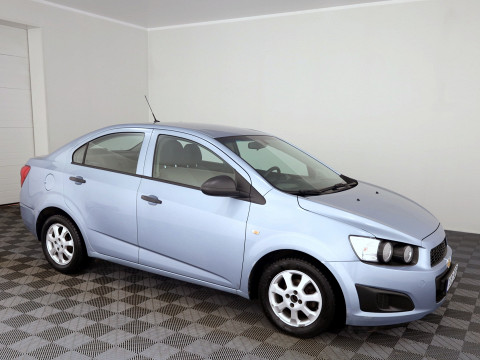
1.456 US$DEALER
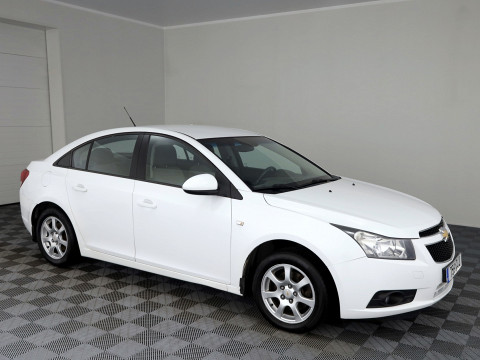
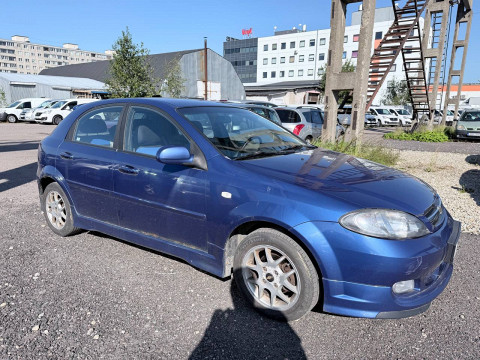
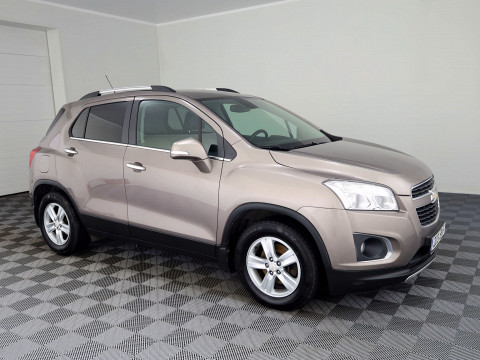
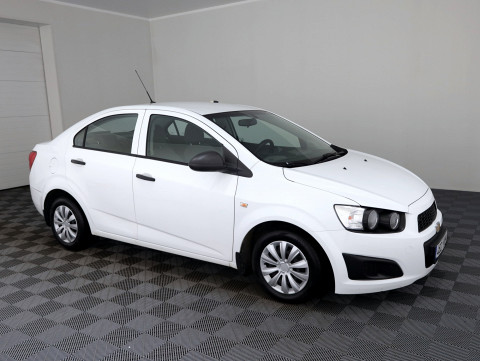
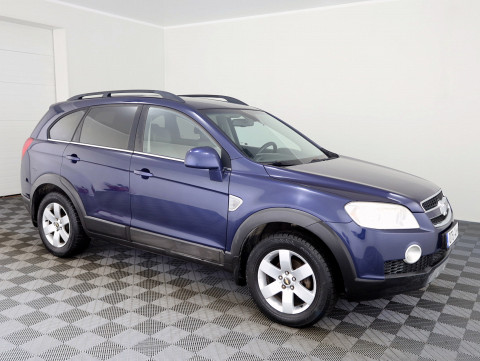
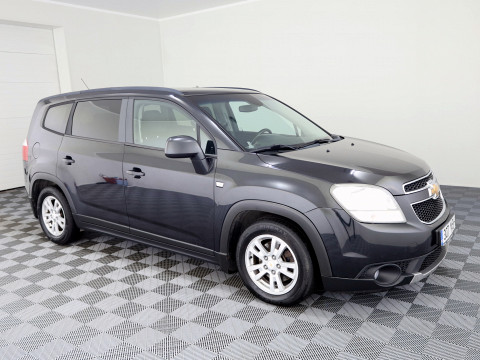
2012, gasoline, manual, 253K km, sedan, Front Wheels Drive, 1,200 cm3, blue, Used condition, South Korea, In stock

BaltiCar.com
 Estonia, Harjumaa






















 Estonia, HarjumaaEstonia, HarjumaaEstonia, HarjumaaEstonia, HarjumaaEstonia, HarjumaaEstonia, HarjumaaEstonia, HarjumaaEstonia, HarjumaaEstonia, HarjumaaEstonia, HarjumaaEstonia, HarjumaaEstonia, HarjumaaEstonia, HarjumaaEstonia, HarjumaaEstonia, HarjumaaEstonia, HarjumaaEstonia, Harjumaa
 Rzeszów, PolandPoland
 Poland, Lesser Poland VoivodeshipRomania, BihorRomania, TimişRomania, Bistriţa-Năsăud
 Romania, SuceavaRomania, Sibiu
The sensible way to shop Chevrolet in Europe is to decide early whether you are chasing value, simplicity, or something a bit less mainstream. That sounds obvious, but it changes how you read listings. With Chevrolet cars for sale, buyers often face two opposite traps: either treating every cheap offer as a bargain, or assuming a cleaner-looking ad means an easier car to own. In practice, the better move is to compare condition, history, and seller honesty before you get emotionally attached to the badge or the price.
A Chevrolet shortlist can become messy fast because several ads may look nearly interchangeable at first glance: similar photos, similar mileage claims, similar wording about "well maintained" or "drives perfectly." That is exactly where a buyer needs to slow down. Start by separating listings into three groups: cars with clear service history, cars with partial but believable documentation, and cars with almost no proof behind the description. This first filter is more useful than sorting only by year or headline price.
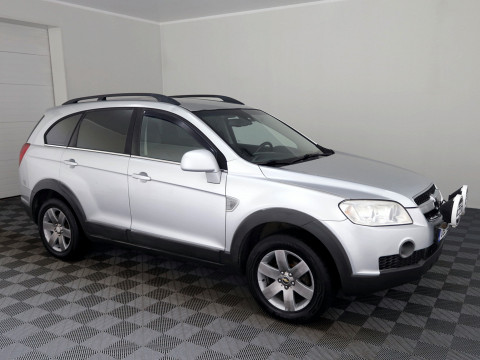
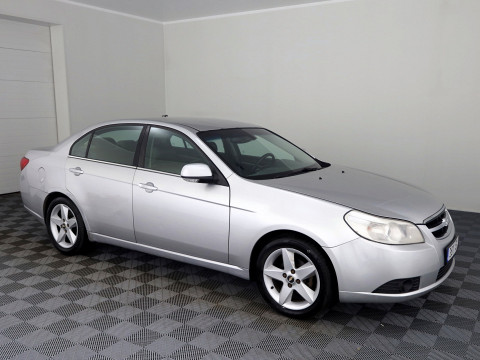
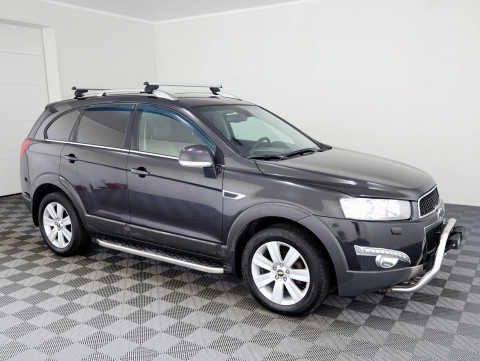
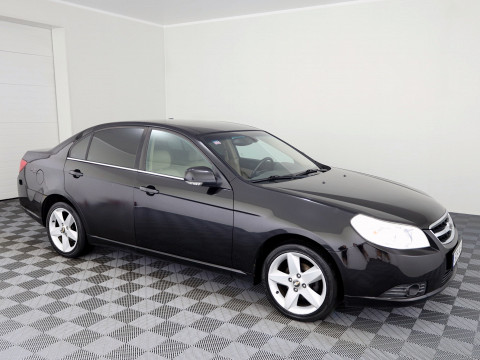
If two used Chevrolet offers are close on paper, study the seller effort. A strong listing usually shows the car from multiple angles, includes interior wear, mentions recent maintenance in normal language, and does not hide behind vague claims. A weak listing often gives you shiny exterior photos, almost nothing about ownership, and a description that could fit any car in the marketplace. The small editorial lesson here is simple: sellers who know their car usually describe specifics; sellers who want to move you quickly toward a phone call often stay generic.
When people compare Chevrolet listings, they often look at mileage first and stop there. Mileage matters, of course, but it only becomes meaningful when it matches the rest of the story. Does the cabin wear fit the odometer? Do the steering wheel, seat bolsters, and switches look consistent with the claimed use? Is the service history regular, or does the file go quiet for long periods and then suddenly return before sale? Those details can tell you more than a headline number.
Ask sellers practical questions before arranging a viewing. How long have they owned the car? What maintenance was done recently, and where? Are there warning lights, cold-start issues, gearbox quirks, air-conditioning faults, or electronics that work "most of the time"? Has the car been repainted, and if yes, why? On a used Chevrolet, a direct answer is often more valuable than a polished one. You are not looking for perfection; you are looking for consistency.
There is also a less obvious point that helps in the European market: with Chevrolet, you may see buyers mixing very different expectations in one shortlist. Some are simply looking for affordable transport, while others want a car that feels a little different from the most common mainstream choices. Because of that, some ads are priced on emotion and some on realism. If a listing leans heavily on rarity, style, or "hard to find" language but offers little proof of condition, step back. A special-looking ad is not the same as a strong offer.
Before you travel to inspect a Chevrolet, try to earn the right to say no from your desk. Ask for photos of the service book, invoices, tire condition, dashboard with ignition on, and close-ups of any visible damage. Request a cold-start video if the seller seems cooperative. Confirm whether both keys are present, whether registration documents match the seller’s story, and whether any equipment is currently inoperative. These are ordinary questions, but the reaction matters. Good sellers usually answer calmly. Evasive sellers often become impatient when the car is weaker than the ad suggests.
For a viewing, compare three things in order: documents, mechanical behavior, and only then cosmetic presentation. Documents tell you whether the deal has a stable foundation. Mechanical behavior tells you what ownership may feel like. Cosmetics tell you how carefully the car was prepared for sale. Buyers often reverse that order because paint and detailing are easy to notice. With Chevrolet, as with any brand, a freshly cleaned car with thin paperwork can be a worse buy than a slightly scruffier one with believable maintenance history.
One pattern worth watching is the difference between an owner’s car and a seller’s product. An owner listing for a Chevrolet may mention habits: when the brakes were done, what noise appears on a cold morning, why one panel was repainted, which tires were fitted last season. A purely sales-driven listing may sound cleaner, but it often leaves you with less real information. That does not automatically make a dealer or trader offer bad, but it means you should ask sharper questions and expect clearer evidence.
Another useful habit is to compare not just the cheapest and the most expensive Chevrolet offers, but the two or three that seem most believable. The cheapest ad can distort your expectations, and the top-priced one can flatter the whole market. The real benchmark is usually the car whose photos, description, mileage, ownership story, and maintenance evidence line up without too much drama. That is the offer worth viewing first.
The best Chevrolet offer is rarely the one that promises the most. It is the one that leaves the fewest unanswered questions. When browsing new and used listings, look for coherence: condition that matches the mileage, equipment that matches the photos, seller answers that match the documents, and a price that makes sense next to the overall story. If you approach Chevrolet this way, you stop shopping by hope and start shopping by evidence.
That is what protects you from weak offers. Not a dramatic rule, just disciplined comparison. Filter hard, ask normal but specific questions, and give extra credit to listings that feel transparent rather than theatrical. In a crowded marketplace, that approach usually brings you closer to the Chevrolet you will still be happy with after the first week of ownership.
 Add as preferred sourceSee more from zvelta in Google Search Add as preferred source