 EN
ENDEALER
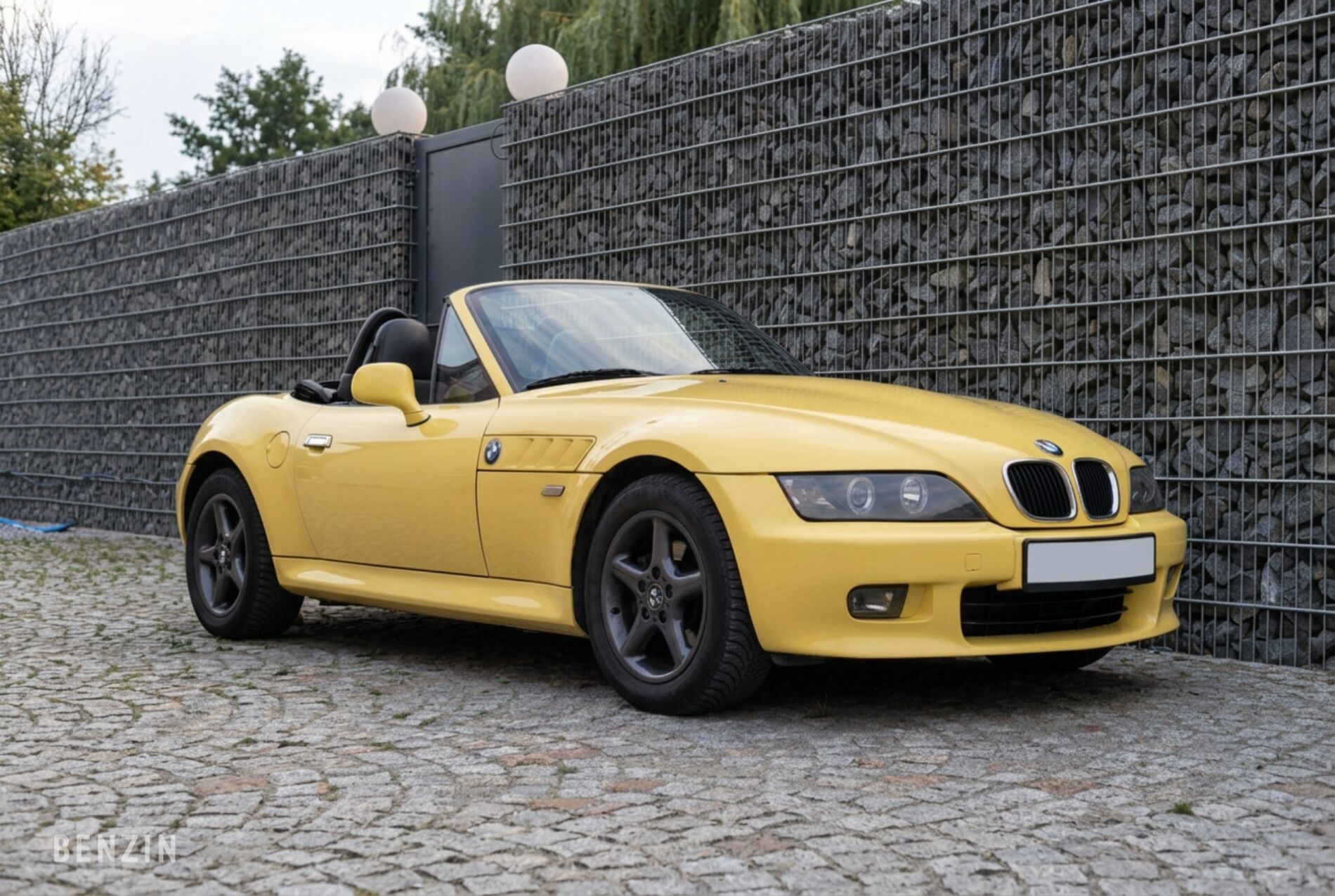
gasoline, manual, 78K km, roadster, 2,000 cm3, 150 hp, reserve, In stock, sale date 21.10.2026 15:00

benzin.fr
 Zabrze, Poland
Auction starts · 21 Oct, 15:00
Current bid€2,150






















 Zabrze, Poland
A good BMW Z3 listing should make you want to ask better questions, not rush to send a deposit. On the EU market, the Z3 tends to attract two very different kinds of sellers: people who know exactly what they own and present it clearly, and people who rely on the badge, the shape, or nostalgia to hide thin details. That is why a careful BMW Z3 search is less about speed and more about patience. If the advert is light on photos, vague on maintenance, or oddly poetic about “future classic” status while saying little about condition, treat that as a cue to slow down.
When you compare BMW Z3 cars for sale, start with the quality of information rather than the promise of the car. A strong listing usually shows the roof, body panels, wheel arches, interior wear, dashboard condition, and the shut lines around bonnet, doors, and boot. On a car like this, sellers often lean heavily on exterior charm, so it helps to look past the first sunny photos. Check whether the ad shows the soft top clearly, whether the seat bolsters look heavily worn, and whether the description explains recent service work in plain language.
That last point matters more than many buyers admit. A seller who can say what was done, when it was done, and why it was done is often easier to trust than a seller who only says the BMW Z3 “drives great.” Pleasant road manners are nice; records are better. Ask for photos of the service book, invoices, and the current mileage display. If the numbers and dates do not line up naturally, pause before arranging a trip.
The BMW Z3 is one of those cars where buyers can talk themselves into a mediocre example because the overall idea is so appealing. Open-top BMW, compact proportions, weekend-car mood: it is easy to start imagining ownership before you have properly judged the individual car. That is exactly when weak offers win.
A useful habit is to compare each listing against a simple question: is this seller helping me verify the car, or trying to help me fall in love with the concept? In the EU market, where cars may have moved between countries and passed through several owners, that distinction matters. A genuine seller usually expects detailed questions about documents, registration history, maintenance, and small cosmetic flaws. A weak seller tends to steer the conversation toward emotion, urgency, or “many interested buyers.”
One less obvious clue: pay attention to how the seller describes imperfections. With an older BMW Z3, a believable ad does not pretend the car is untouched by time. Small admissions often increase confidence. If the listing acknowledges wear on the interior, minor paint age, or a known item that was recently fixed, that can be more reassuring than a suspiciously flawless description.
Before you go to see a BMW Z3, ask the seller for answers you can later verify on site. Keep the questions short and practical:
The cold-start video request is especially useful. It is not a magic test, but it often tells you whether the seller is cooperative and whether the car is presented honestly. If someone refuses simple verification while insisting the BMW Z3 is exceptional, that mismatch is worth noticing.
A smart buyer reads a BMW Z3 advert with ownership in mind. That means looking beyond paint color and wheels to the parts of the car that will shape your first year with it. Check whether the interior looks cared for or merely cleaned for sale. Look for consistency between mileage, steering wheel wear, seat condition, and pedal appearance. Read the description for signs of regular use versus long neglect followed by quick preparation.
There is also a market psychology angle here. Some buyers searching the EU market assume a more expensive BMW Z3 must automatically be the safer bet; others chase the cheapest entry because they think any Z3 is mostly about fun. Both shortcuts can go wrong. The better offer is often the one with the clearest ownership story: coherent photos, believable maintenance history, honest discussion of flaws, and a seller who answers directly without theatrics.
Prioritize the BMW Z3 listings that reduce uncertainty before you ever leave home. Good signs include consistent photos in natural light, a complete description, document evidence, visible care inside and out, and a seller who does not dodge normal questions. If two offers seem similar, choose the one with better traceability over the one with better adjectives.
And if none of the current BMW Z3 offers feel right, waiting is a decision too. This is not the kind of search where impatience usually gets rewarded. A car bought on mood alone can become an expensive lesson, while a car bought after careful comparison is much more likely to feel right from the first drive. The best BMW Z3 to buy is not the one that flatters you in the listing; it is the one that still makes sense after you have checked the details.
 Add as preferred sourceSee more from zvelta in Google Search Add as preferred source