 EN
DEALER

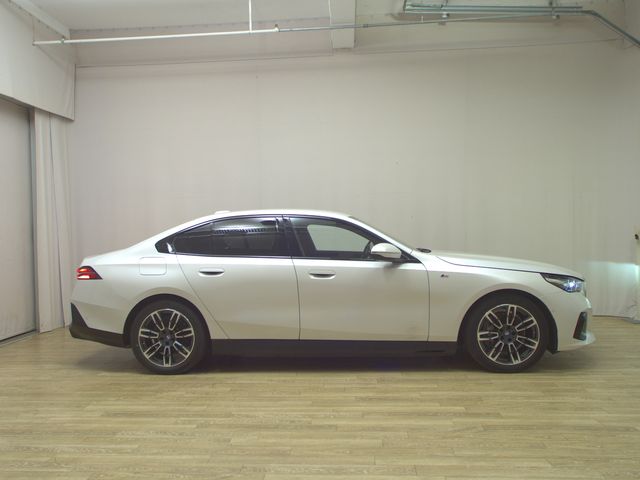
2025, electric, automatic, 10K km, sedan, 340 hp, BEV 84KWH EDRIVE40 M EDITION 250KW, Used condition, In stock, sale date 28.10.2026 04:45

CarOutlet.eu
 Belgium
Auction starts
28 Oct, 04:45






















 Belgium
 Germany, Lower SaxonyGermany
 Italy
If you are looking at a BMW i5 in the European market, the first useful move is not to chase the newest-looking ad. With only a small pool of listings, weak offers can look stronger than they really are simply because there is less to compare. Treat each BMW i5 ad as a full package: photos, description quality, equipment clarity, service documentation, charging details, and how realistic the seller sounds when you ask basic questions. A premium electric executive car should come with premium listing discipline. If the ad feels vague, that is already part of the condition story.
For a model like the BMW i5, buyers often widen the search beyond one country and start browsing across Europe. That can be smart, but it changes the math. A tempting listing in another market may look better on screen than it does in real life once transport, inspection timing, document checks, and return travel are added. The practical buyer question is simple: is this offer good enough to justify the distance? Before you get emotionally attached to one car, compare how complete the listing is against others in the wider EU market. A seller who already provides detailed photos, a clean ownership story, charging accessories, software or service records, and clear specification notes is usually easier to deal with than a seller who keeps saying "we can discuss later."
That search pattern creates a common mistake. People start with broad Europe-wide browsing, see one polished BMW i5 listing, and rush into calls before building a comparison baseline. Do the opposite. Save a few listings first. Note the recurring equipment items, wheel sizes, interior wear levels, and how sellers describe battery-related ownership experience, charging habits, and service visits. You are not trying to become an engineer overnight; you are trying to spot which seller is transparent and which one is hiding behind glossy photography.
A good BMW i5 offer should make it easy to understand what is being sold. Look for clear exterior photos in normal light, close-ups of wheels and common wear areas, interior shots that actually show seat condition and screen state, and a description that explains ownership history rather than filling space with generic praise. If the car is advertised as especially well equipped, ask the seller to confirm the exact features shown in the photos instead of assuming every visible detail is included.
The less obvious point with cars in this part of the market is that seller behavior often matters as much as the car itself. Premium used EV buyers tend to focus on mileage first, but listing discipline can be just as revealing. A careful owner or dealer usually knows which cable set is included, whether there are both keys, what software updates or service visits have been done, and whether any cosmetic issues are already visible. Someone selling a BMW i5 without those basics may still have a decent car, but you should price in the effort and uncertainty before arranging a trip.
When a BMW i5 listing survives the first comparison round, message or call with a short, practical set of questions. Ask whether the car has a complete service history, whether any body panels have been repainted, whether there are warning messages currently shown, and whether charging equipment comes with the vehicle. Ask for the VIN if the seller is comfortable sharing it through a normal safe process, and ask for a cold-start or walk-around video if the ad photos feel selective.
For a cross-border BMW i5 search in Europe, documents matter early, not late. Clarify registration status, ownership documents, and whether the seller can explain the export or transfer process in a straightforward way. If the answer is messy, the transaction may stay messy. A good seller does not need to write an essay, but should be able to explain the paperwork path in simple steps.
With limited listings, buyers often forgive too much because they want the search to end. That is exactly how weak offers win. A BMW i5 is worth viewing when the ad quality, seller transparency, condition evidence, and logistics all line up. It is not worth viewing just because it is nearby, newly posted, or presented with dramatic showroom photos. Distance can be inconvenient, but confusion is more expensive than travel.
One useful habit is to score each BMW i5 listing on four things: clarity, condition evidence, history, and transaction ease. A car that ranks second on styling appeal may still be the better buy if the seller answers clearly, shares useful documentation, and makes inspection realistic. In the EU market, that calm comparison mindset matters because availability can be thin and timing can push buyers into rushed decisions.
If one BMW i5 offer feels overpriced or poorly documented, do not force it. The real alternative may be waiting for a better BMW i5 listing rather than jumping immediately into the nearest available car. On niche or newer used-market pages, patience is often part of the buying strategy. You want the car that still makes sense after the first excitement fades and after the practical questions have been answered.
A final tip: when a seller sounds prepared, the whole ownership story usually sounds prepared too. That does not guarantee perfection, but it is often the difference between a promising ad and a genuinely good BMW i5 to buy. Build your shortlist slowly, compare listings like a skeptic, and only travel when the seller has given you enough substance to believe the trip can end well.
 Add as preferred sourceSee more from zvelta in Google Search Add as preferred source