EN
ENDEALER

108.569 US$DEALER
111.762 US$
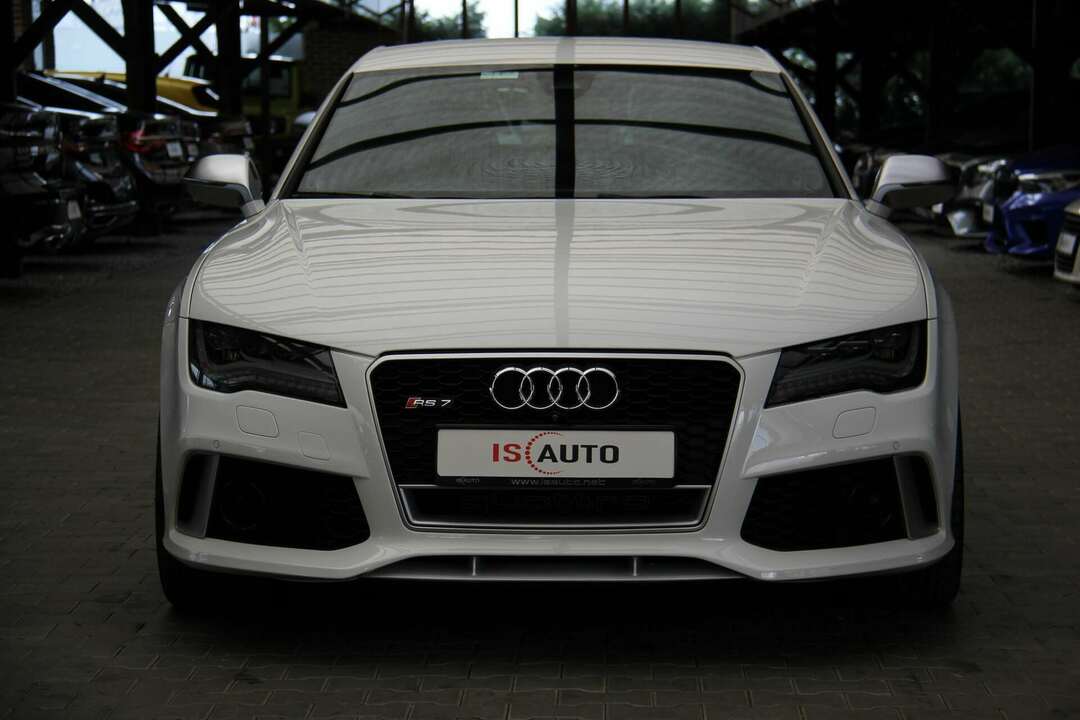
2020, hybrid, automatic, 50K km, sedan, Front Wheels Drive

MihutAuto.ro
 Romania



















 Romania
 Bulgaria, Varna
If you are browsing Audi RS7 listings, the real question is usually not whether the car is exciting enough. It is whether a specific example makes sense to own after the first rush wears off. The Audi RS7 tends to attract buyers who want supercar pace wrapped in a shape they can still use every day, and that mix is exactly why weak listings can look more convincing than they really are. On this page, compare each offer as if you were already planning the second year of ownership, not just the test drive.
The Audi RS7 is rarely a casual purchase. Most shoppers landing here already know they do not want a standard executive car, but they may also be unsure whether they want the attention and compromises of a more obvious performance machine. That is where the Audi RS7 has its own personality. It often appeals to buyers who like speed, long-distance comfort, and understated aggression in one package. If that sounds like you, focus less on the badge thrill and more on whether the listing reflects careful ownership.
A good Audi RS7 listing usually feels complete before you even make contact. The photos should not dodge the important areas. The description should say something useful about history, maintenance, equipment, and recent work rather than leaning on vague phrases. Because there are only a few active listings in this market, it is even more important not to let scarcity turn a mediocre car into an urgent decision.
With a car like the Audi RS7, presentation can hide a lot. Strong photos, dark paint, and a premium location can make a tired example look far sharper than it is. Start by comparing what the seller chooses to show. Are there clear images of the wheels, tires, front bumper, seat bolsters, load area, and dashboard? On performance-oriented luxury cars, those details often tell a truer story than the hero shot.
Then read the text for what is missing. If an Audi RS7 is advertised as well maintained, ask what that actually means. Is there service documentation? Are invoices available, or only a stamped book? Has the seller described recent maintenance in plain language? If the listing mentions low mileage, compare that claim with wear visible on the steering wheel, driver seat, switches, and brake components. You are not trying to prove the car is bad. You are checking whether the story and the evidence line up.
An ordinary used car can survive a lazy ad. An Audi RS7 usually should not. Sellers know this model draws emotional clicks, so the weaker ads often rely on that. A short description, glamorous angles, and almost no mechanical detail can be a signal that the listing is being sold on image first. In the EU market, where buyers may travel for the right example, the cost of chasing the wrong car is not trivial. A thorough seller respects your time before you ever book a train or flight.
When you contact the seller, skip generic questions you can answer from the photos. Ask questions that reveal ownership quality. For example:
The goal is not to interrogate the seller. It is to hear whether the answers come back calmly, specifically, and without contradiction. A confident seller of an Audi RS7 usually does not need to oversell the car. If the replies stay vague or defensive, treat that as part of the condition report.
Buyers often get stuck comparing color, trim, or the most dramatic-looking wheels when the smarter comparison is ownership logic. Which Audi RS7 appears to have been kept by someone organized? Which one shows consistency between mileage, condition, and paperwork? Which seller writes like a person who has actually lived with the car rather than flipped it quickly?
This matters because the Audi RS7 sits in a category where buyers can talk themselves into stretching for a flashy example even when the better purchase is the calmer, more transparent listing. A less theatrical car with stronger history may be the one you enjoy more six months later. On a model with this kind of character, restraint is often the better buying skill than enthusiasm.
Be careful if the seller avoids direct answers about servicing, registration history, accident repairs, or inconsistent mileage records. The same goes for ads with heavily edited photos, no interior detail, or language that sounds luxurious but says almost nothing. If the car is presented as exceptional, the documentation should help prove it.
Before viewing an Audi RS7 in person, ask for additional cold-start video, close photos of typical wear areas, and a photo set of documents if possible. That simple step can save you a wasted trip across the EU market. Once on site, inspect the car with your initial questions in mind: does the actual condition support the listing, or was the listing carefully designed to distract you?
A strong Audi RS7 offer is not just the one that looks fastest or loudest in photos. It is the one that gives you enough confidence to believe the excitement will still feel smart after purchase. If you compare listings with that mindset, ask better questions, and refuse to reward vagueness, the right Audi RS7 becomes much easier to recognize.
 Add as preferred sourceSee more from zvelta in Google Search Add as preferred source