 EN
ENDEALER
85.097 US$DEALER
85.882 US$
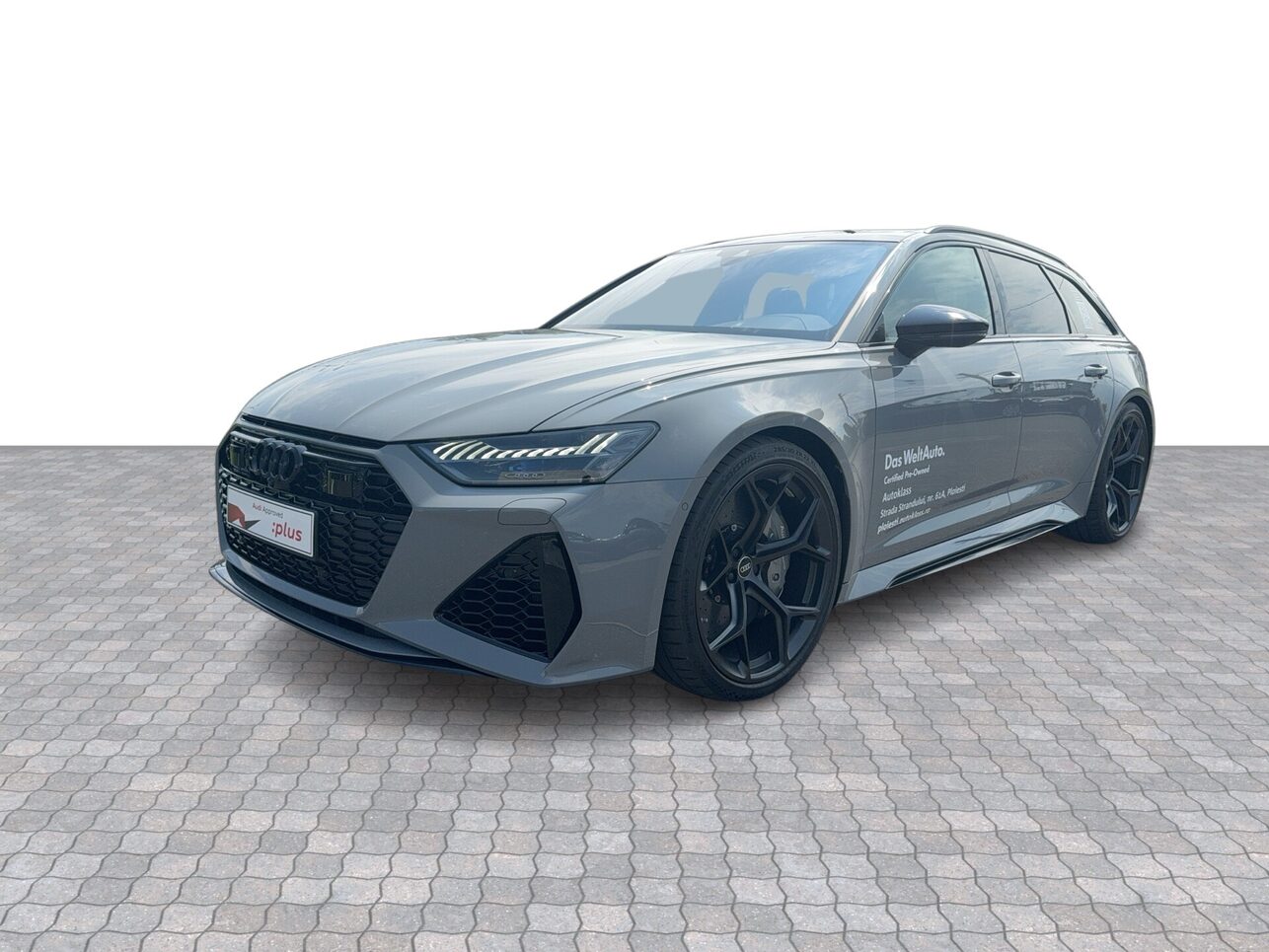
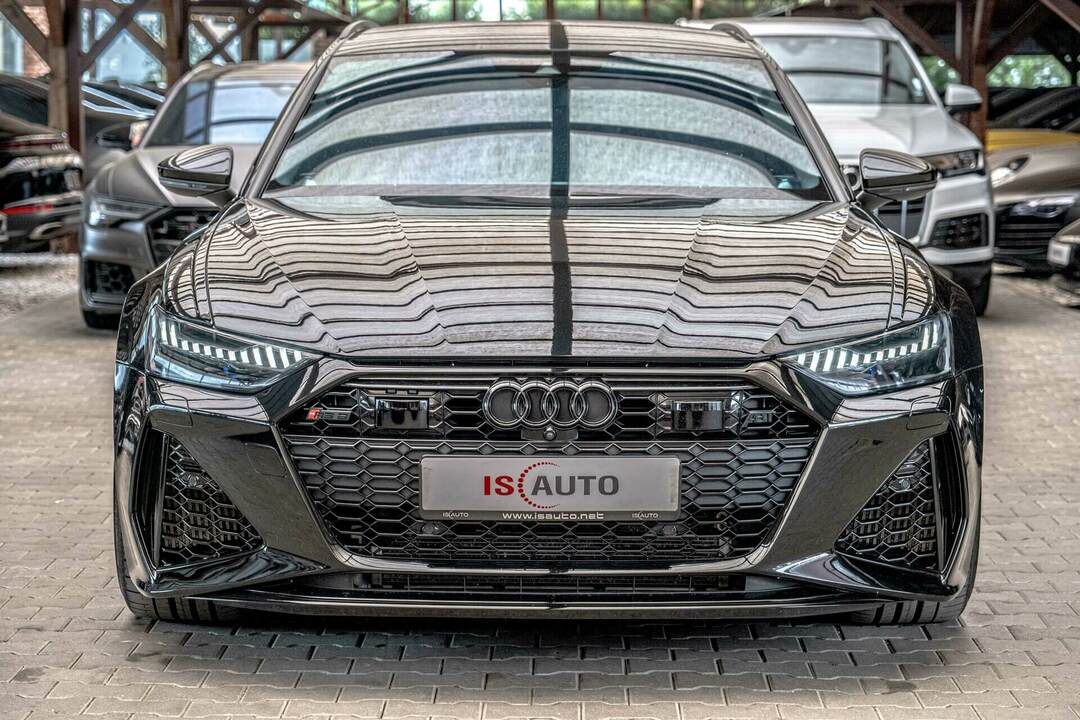
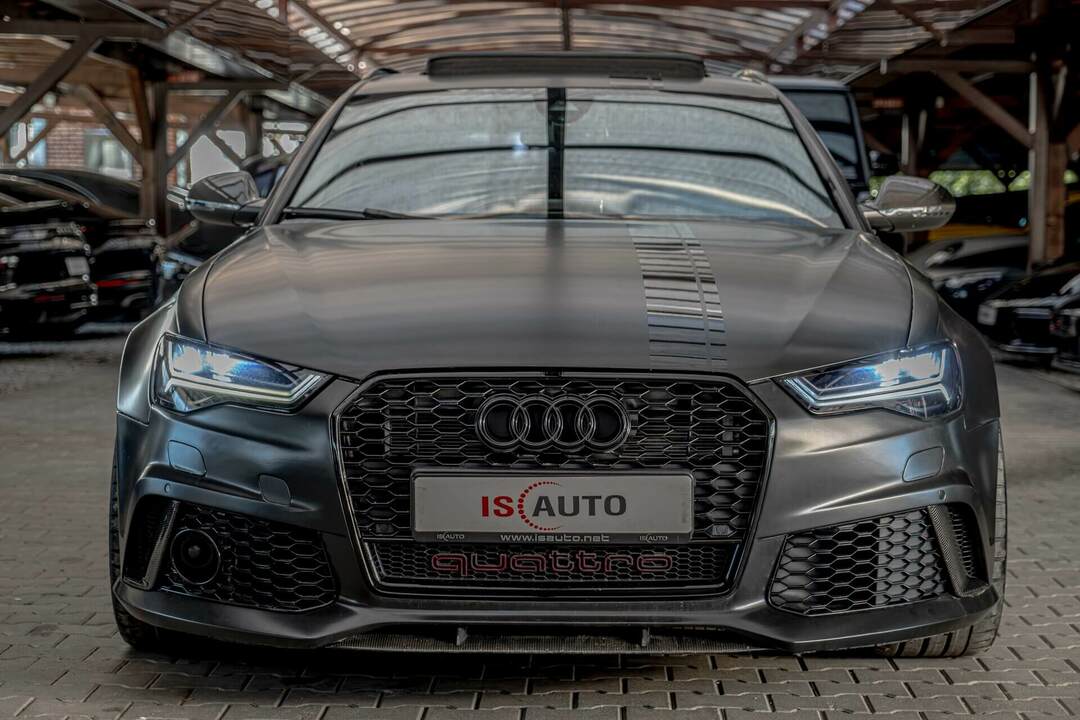
2023, gasoline, automatic, 130K km, wagon, All Wheels Drive, 3,996 cm3, 600 hp, Euro 6, V/max 305*Allr.Lenk*KERAMIK*DRC*LASER, Used condition, Europa, In stock

OutletCars.de
 Gersthofen, Germany





















 Gersthofen, Germany
 Livada de Bihor, Romania
 Ploeştiori Eforie, Romania
 Bulgaria, VarnaBulgaria, Varna
If you are shopping for an Audi RS6, the smartest move is not to ask first whether the price looks good. Ask whether the listing deserves your time. With a car like the Audi RS6, weak ads can look tempting because the badge, photos, and headline do a lot of the selling on their own. Your real job is to build a shortlist: which cars deserve a call, which are worth a proper visit, and which should be skipped before you get emotionally attached.
A strong Audi RS6 offer usually feels complete before you contact the seller. You should be able to see clear exterior photos, cabin shots, mileage, registration details where appropriate, service history references, and a description that sounds like the owner or dealer actually knows the car. If the ad is vague, uses only dramatic angles, or says almost nothing beyond trim, power, and “full options,” treat that as a warning sign rather than a stylish shortcut.
For used Audi RS6 listings in the EU market, compare the ad against nearby alternatives even if there are not many. Don’t just compare price. Compare how honestly the car is presented. One seller may ask more but show invoices, cold-start behavior, tire condition, brake photos, and recent maintenance. Another may ask less yet avoid basic questions. In practice, the more expensive listing can be the one that saves you money, time, and frustration.
The first-call shortlist should be made of cars that already answer half your concerns. Look for an Audi RS6 with a coherent story: ownership pattern makes sense, mileage matches condition, maintenance is described in normal language, and the equipment list does not feel copied without context. If the seller mentions recent work, ask what exactly was done, when, and where. If they say the car is “perfect,” ask what would need attention next if you drove it daily.
A useful trick with Audi RS6 ads is to listen for specificity. Sellers with a real handle on the car tend to answer directly: when it was serviced, whether brakes or tires were recently replaced, whether there are cosmetic issues, whether there have been repaints, and whether all keys and documents are present. Sellers who dodge easy factual questions often become even less convincing once you arrive in person.
A viewing-worthy Audi RS6 is not necessarily the cheapest or the flashiest one. It is the one that remains consistent after a phone call. The photos, the explanation, the ownership story, and the maintenance history should all line up. Ask for a cold-start video if possible, a walkaround in ordinary light, and close photos of wheels, seats, and any visible wear points. On performance cars, small omissions in the ad can hide expensive reality, so a seller’s willingness to document the car before your trip matters.
This is one of those models where buyer behavior often gets irrational. People search for the heroic spec, the perfect color, the most dramatic stance, then talk themselves into forgiving a thin history file or a strangely evasive seller. That is backwards. On an Audi RS6, paperwork quality and seller transparency usually deserve more weight than a seductive photo set. A car that looks slightly less glamorous in the listing but is well documented may be the more serious buy.
Some Audi RS6 listings should be ruled out early, even if the asking price seems to create “value.” Be careful with ads that avoid mileage context, show a dirty engine bay but insist on exceptional care, mix old photos with fresh claims, or mention recent import status without clear documentation. The same goes for sellers who become impatient when you ask ordinary questions about service records, number of owners, accident history, or whether the car has any warning lights, leaks, or current faults.
Another subtle warning sign is a listing that tries too hard to sell the fantasy and not enough to explain the car. If every sentence is about rarity, status, or speed, but there is very little about maintenance, condition, or daily usability, step back. The Audi RS6 attracts enthusiastic buyers, and some sellers rely on that emotion. A practical shortlist protects you from paying for atmosphere.
Before committing to see an Audi RS6, ask for the VIN if it is not already available through the platform process, ask whether the service history is stamped, invoiced, or both, and ask what the seller would point out as the car’s three biggest flaws. That last question is especially useful. Honest sellers usually have an answer. Weak sellers often don’t.
You should also ask how the car is typically used. A seller who can describe normal ownership habits, storage, tire setup, maintenance routine, and recent long-distance use often gives you more confidence than someone repeating marketing language. For any Audi RS6, it is sensible to ask whether there are modifications, whether original parts are included if changes were made, and whether the car can be inspected independently before money changes hands.
The best Audi RS6 choice is rarely the listing that creates the biggest first impression. It is the one that survives comparison. Keep three columns in your head: cars to call, cars worth visiting, and cars to skip. If an ad cannot earn a place in the first column with basic clarity, it does not deserve your fuel, flight, or train ticket. If it passes the call but feels slippery on documents or condition, stop there.
That mindset is especially useful in the wider EU market, where travel can make a borderline car feel more serious than it is. Distance can create false commitment: once you have arranged the trip, you may start overlooking issues just to justify the effort. The right Audi RS6 listing should become more convincing as you inspect the details, not less. Build your shortlist with discipline, and the eventual visit becomes a confirmation, not a gamble.
 Add as preferred sourceSee more from zvelta in Google Search Add as preferred source