 EN
ENDEALER
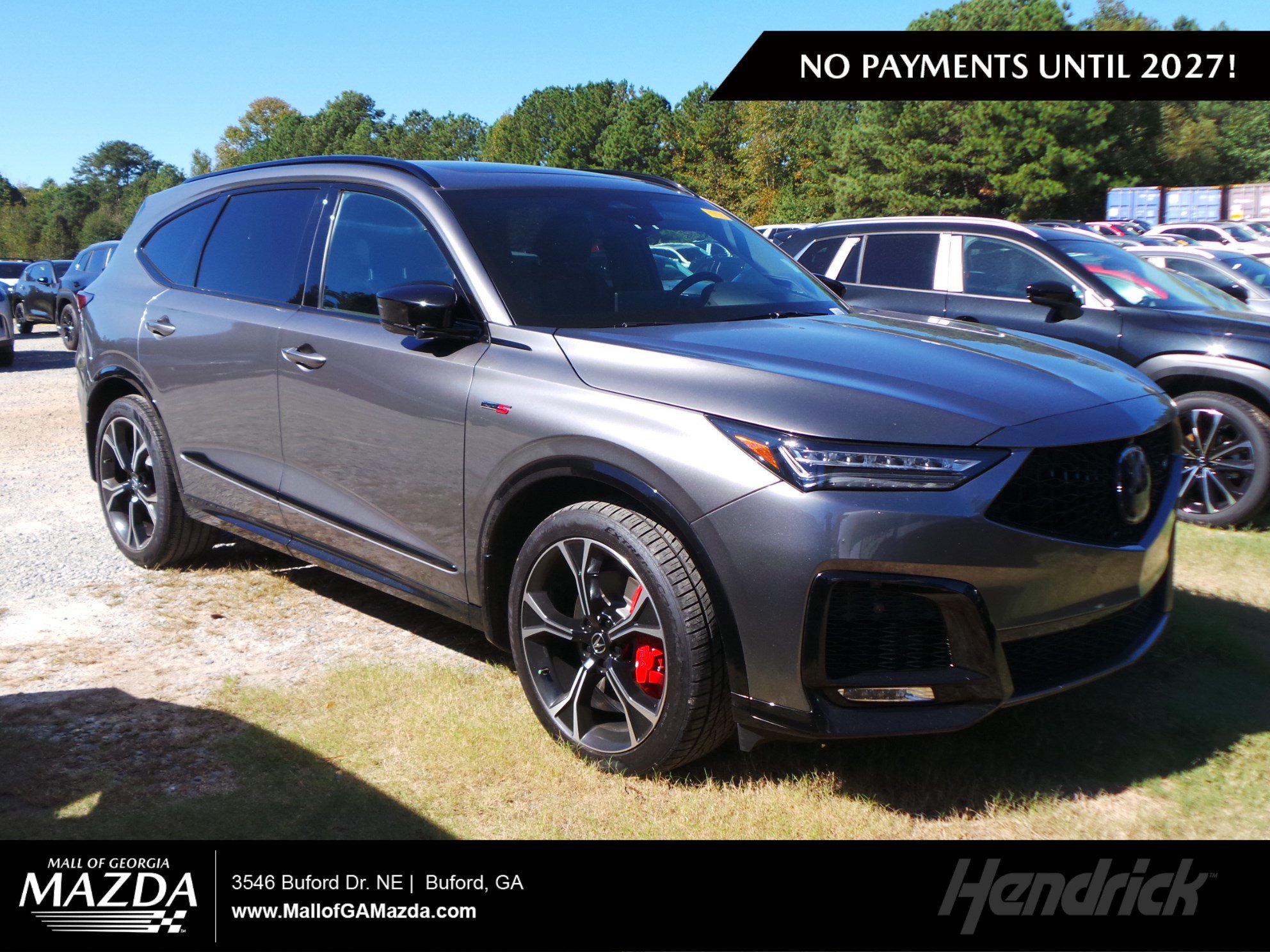
58.937 US$DEALER
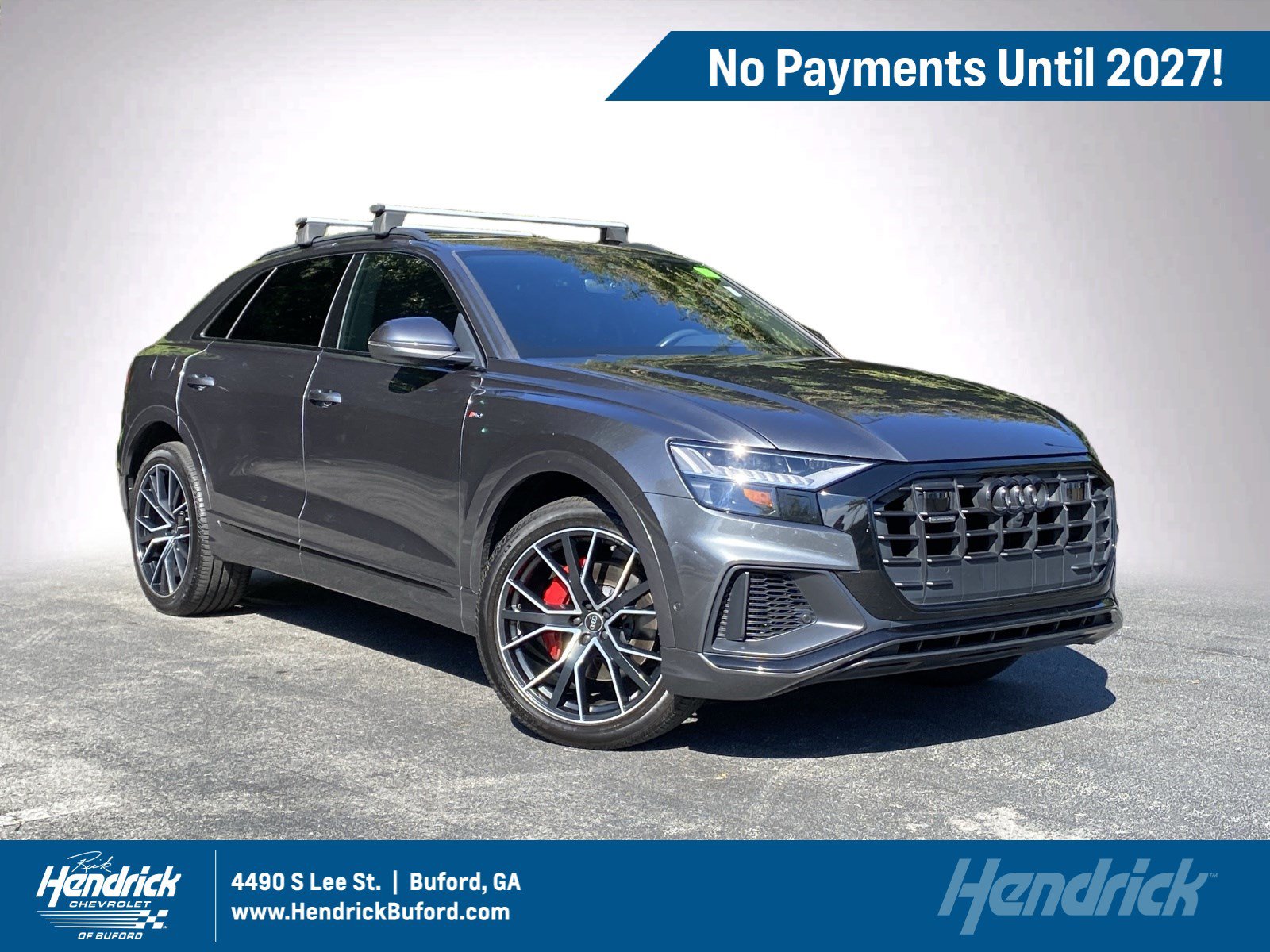
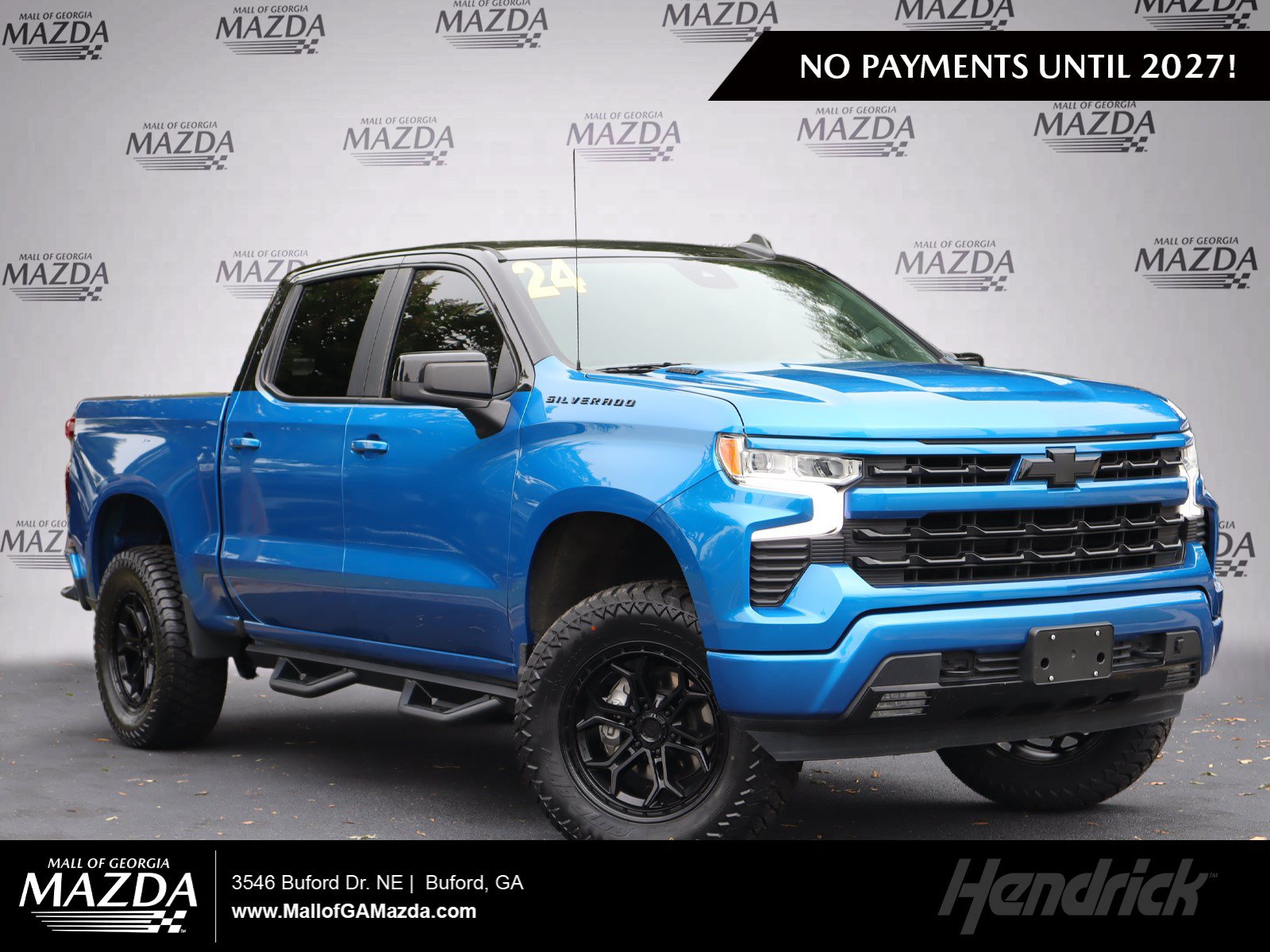
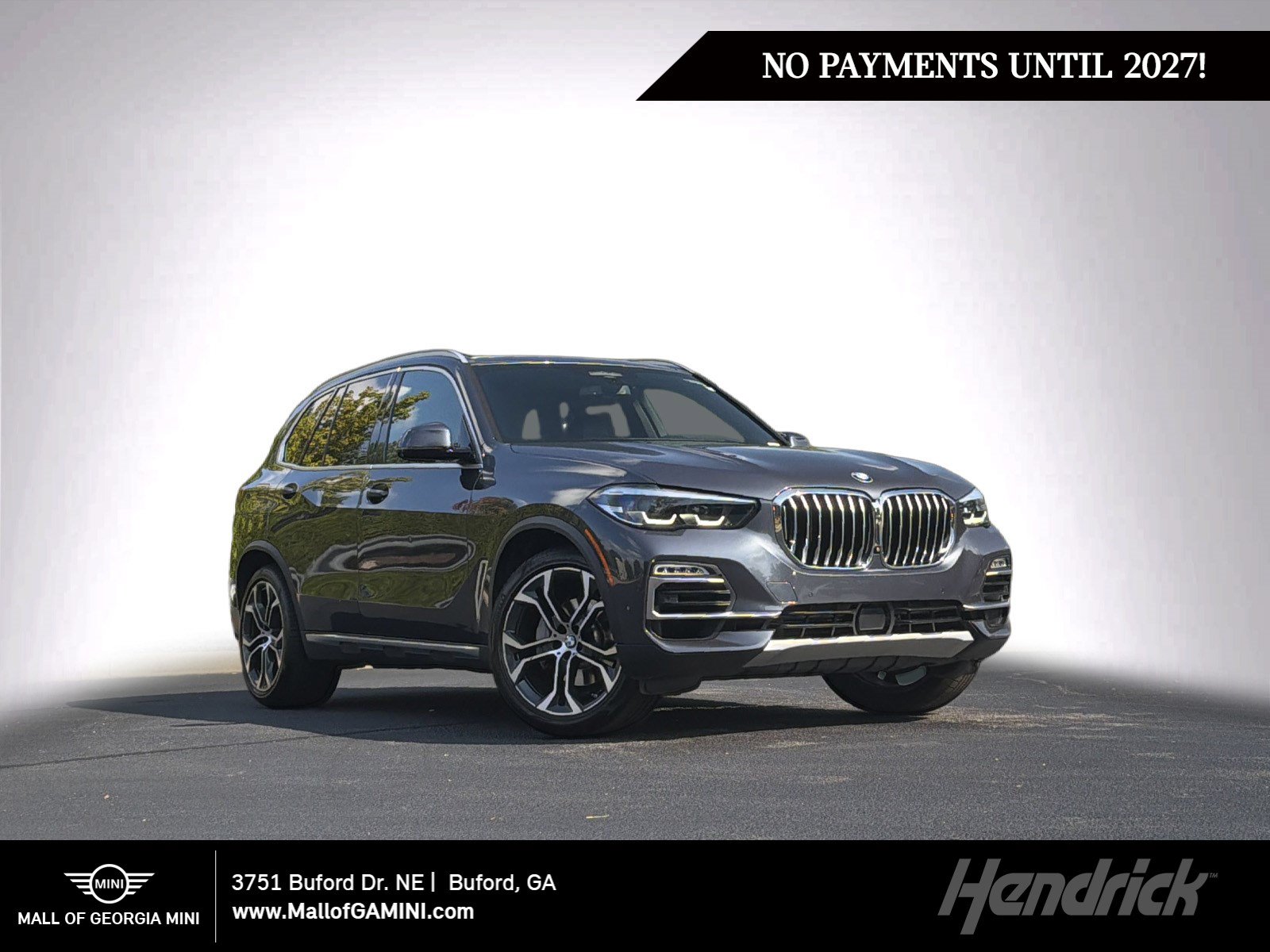
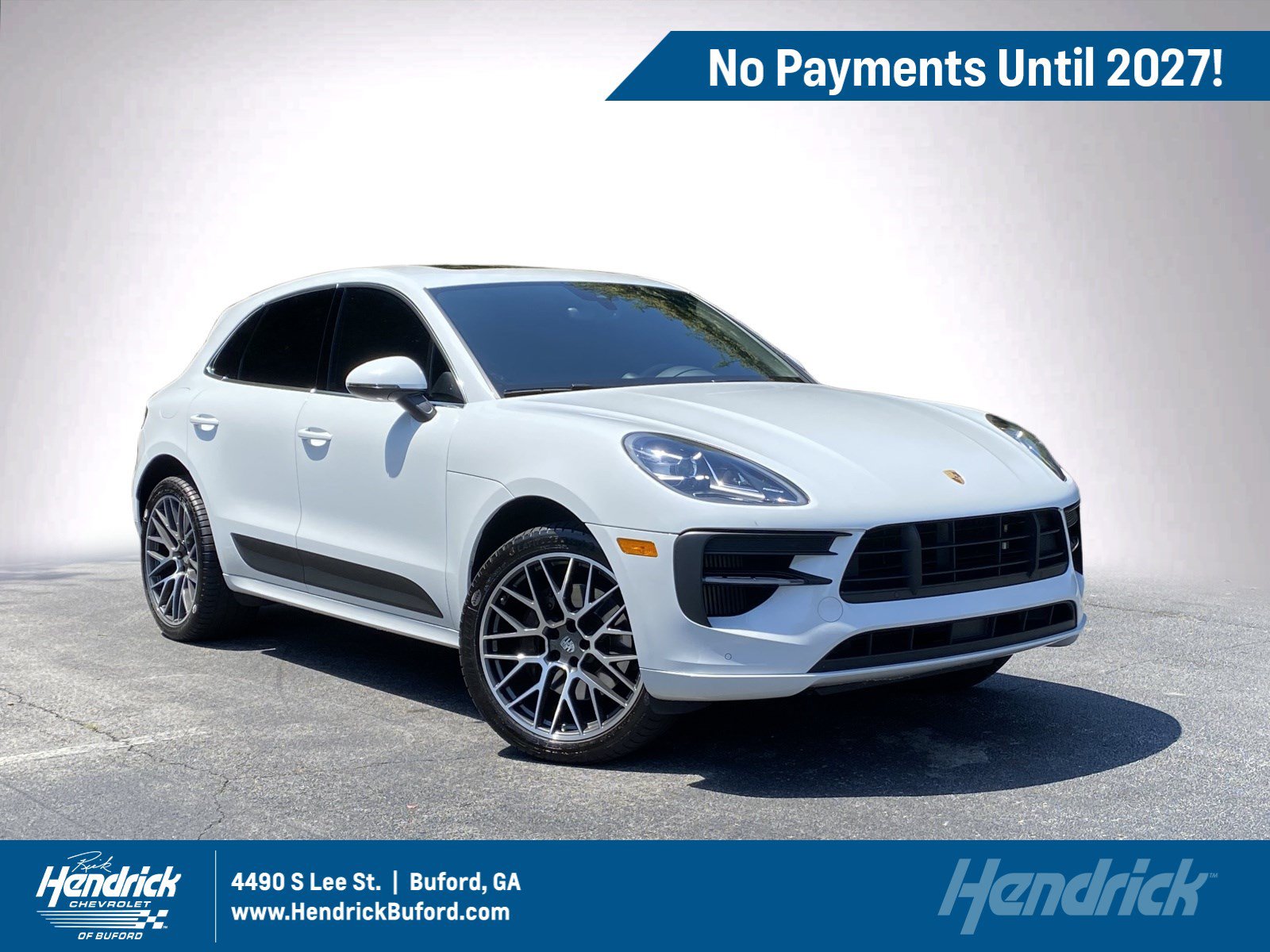
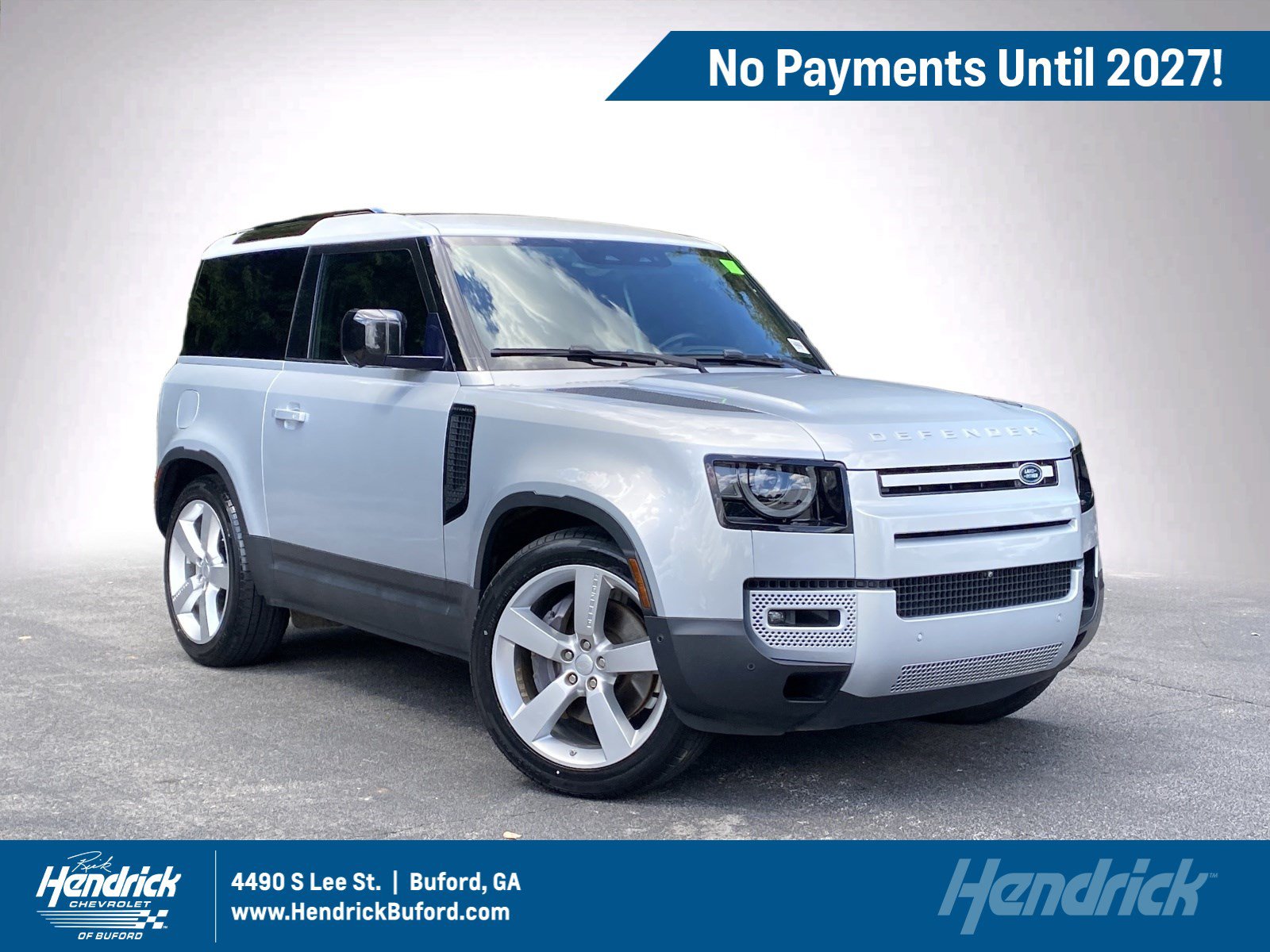
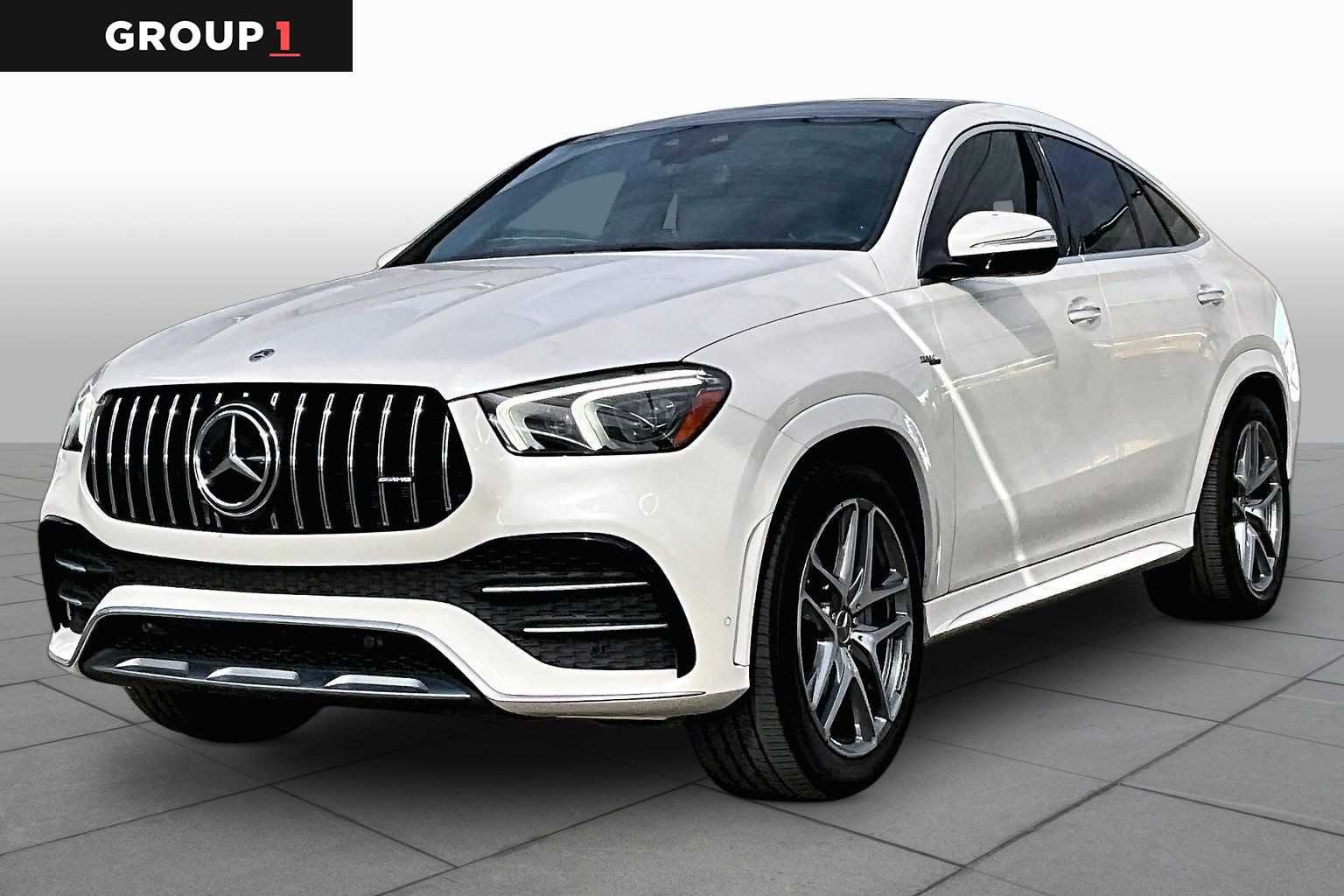
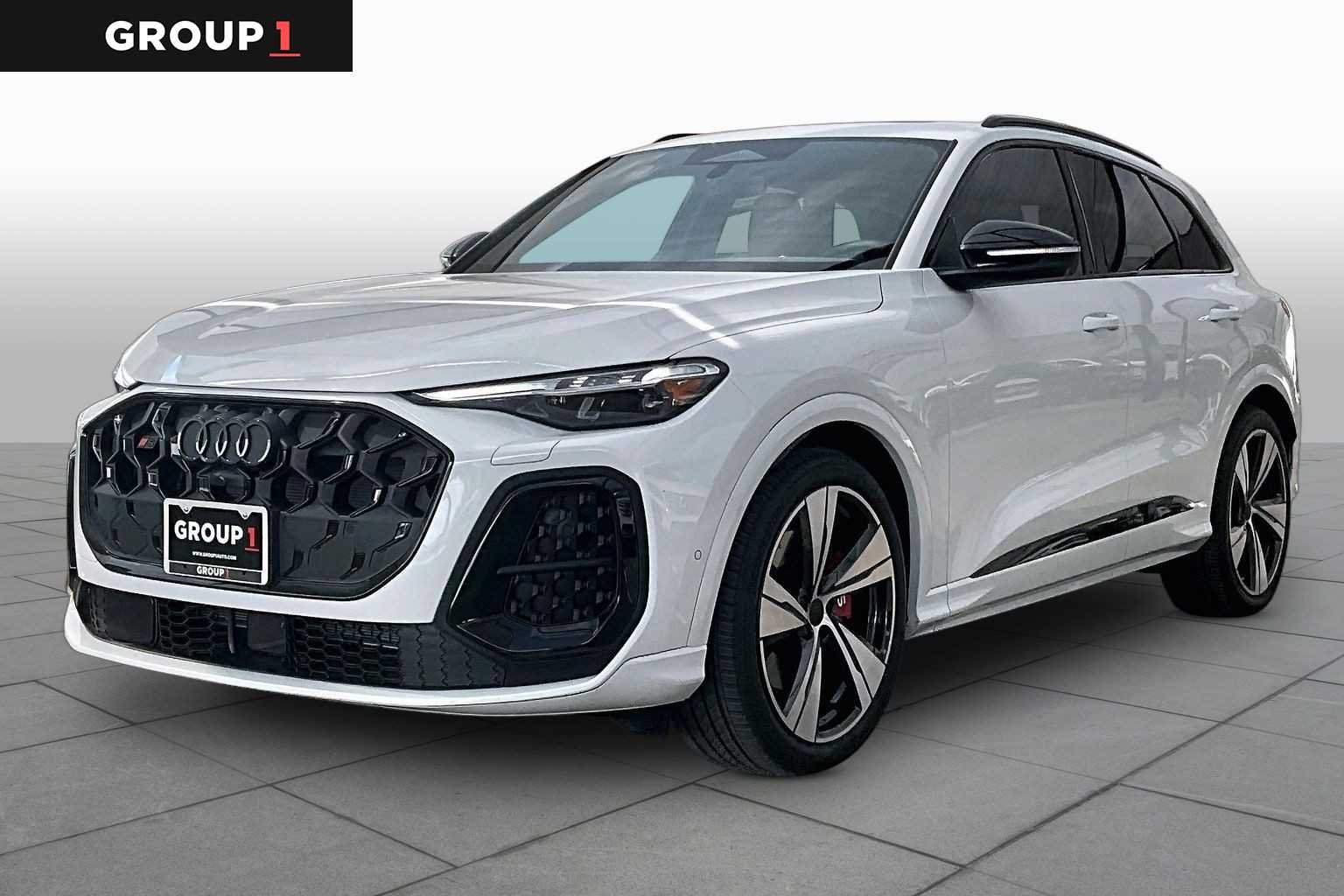
gasoline, automatic, 63K km, SUV, All Wheels Drive, 3,000 cm3, 355 hp, grey, Type S w/Advance Package, Used condition, USA, In stock

HendrickCars.com
 Buford, United StatesBuford, United StatesBuford, United StatesBuford, United StatesBuford, United StatesBuford, United StatesBuford, United StatesBuford, United StatesBuford, United StatesBuford, United StatesBuford, United StatesBuford, United StatesBuford, United StatesBuford, United StatesBuford, United States
 South Shore, United States
 Georgetown, United StatesGeorgetown, United StatesGeorgetown, United StatesGeorgetown, United StatesGeorgetown, United StatesGeorgetown, United StatesGeorgetown, United StatesGeorgetown, United StatesGeorgetown, United StatesGeorgetown, United States
When you’re in the market for a car with a 3.0 to 3.1-liter engine, you’re usually prioritizing solid power, smooth acceleration, and confident highway performance. Whether you’re looking to buy new or used in your city, understanding what fits your needs can save time and money. This guide helps you compare a few key factors to consider when evaluating models with 3.0L–3.1L engines, including popular brands, typical price ranges, and practical buying tips.
Vehicles in this engine size class often belong to mid- to full-size sedans, SUVs, and some sporty coupes. You’ll find options from brands known for refined power delivery and reliable maintenance. Common benefits include strong torque for confident overtakes, steady performance on long trips, and the ability to tow light loads without compromising ride comfort. When reviewing models, note the engine’s configuration (V6 is most common in this range), fuel type (gasoline or hybrid variants), and how the power is delivered across gears. Look for fuel economy figures that match your daily driving habits and check for cylinder deactivation or start-stop systems that might affect real-world consumption.
To make a solid choice, it helps to map out your priorities:
In many markets, you’ll encounter several models with a 3.0L–3.1L engine, including mid-size sedans and larger SUVs. Look for:
Choosing a car with a 3.0L–3.1L engine should balance performance with practicality. By clarifying your priorities—space, budget, and daily usage—you can narrow down to a few strong candidates and move forward with confidence in your city.
 Add as preferred sourceSee more from zvelta in Google Search Add as preferred source