 EN
DEALER
36.412 US$DEALER
36.944 US$
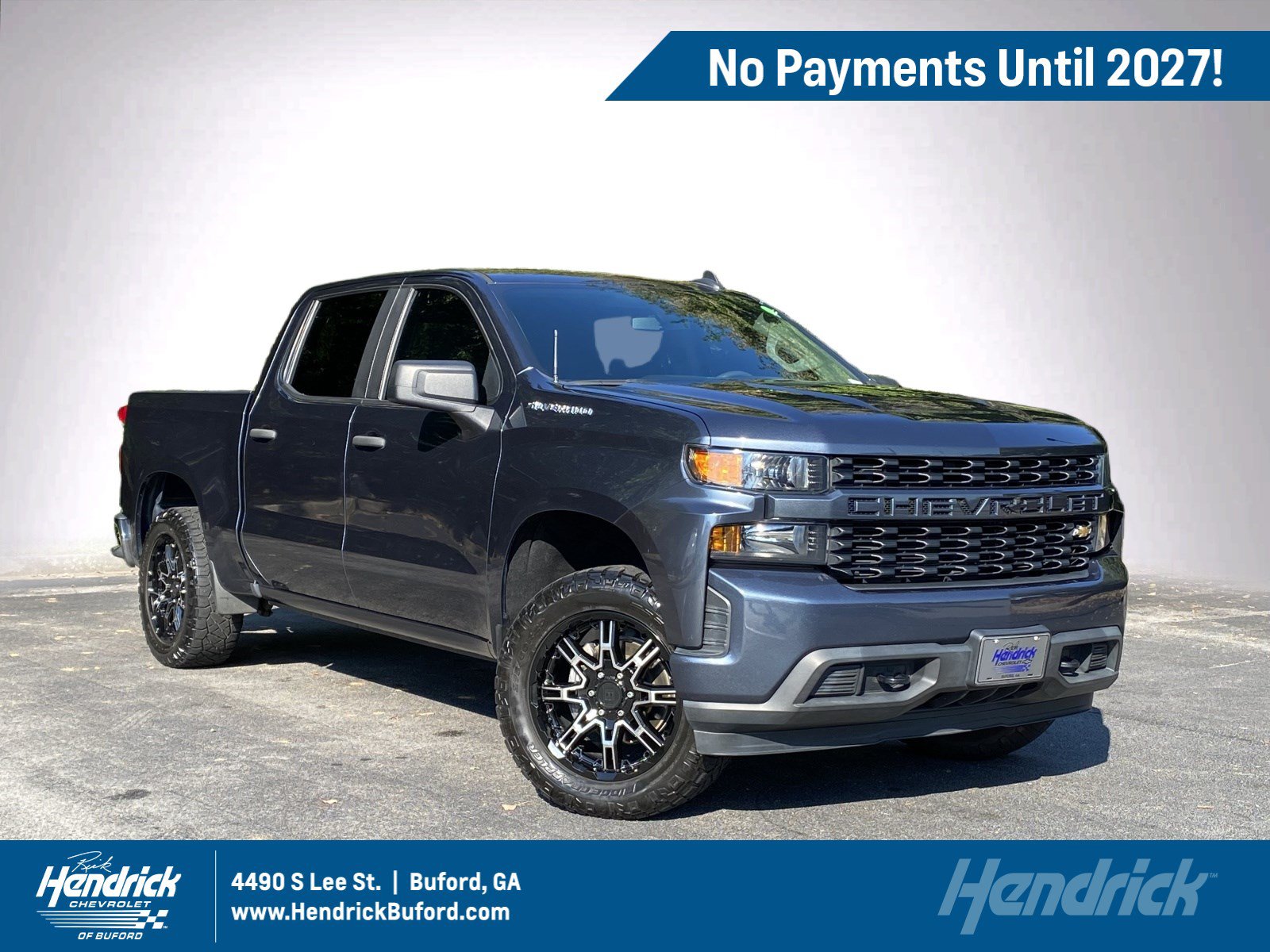
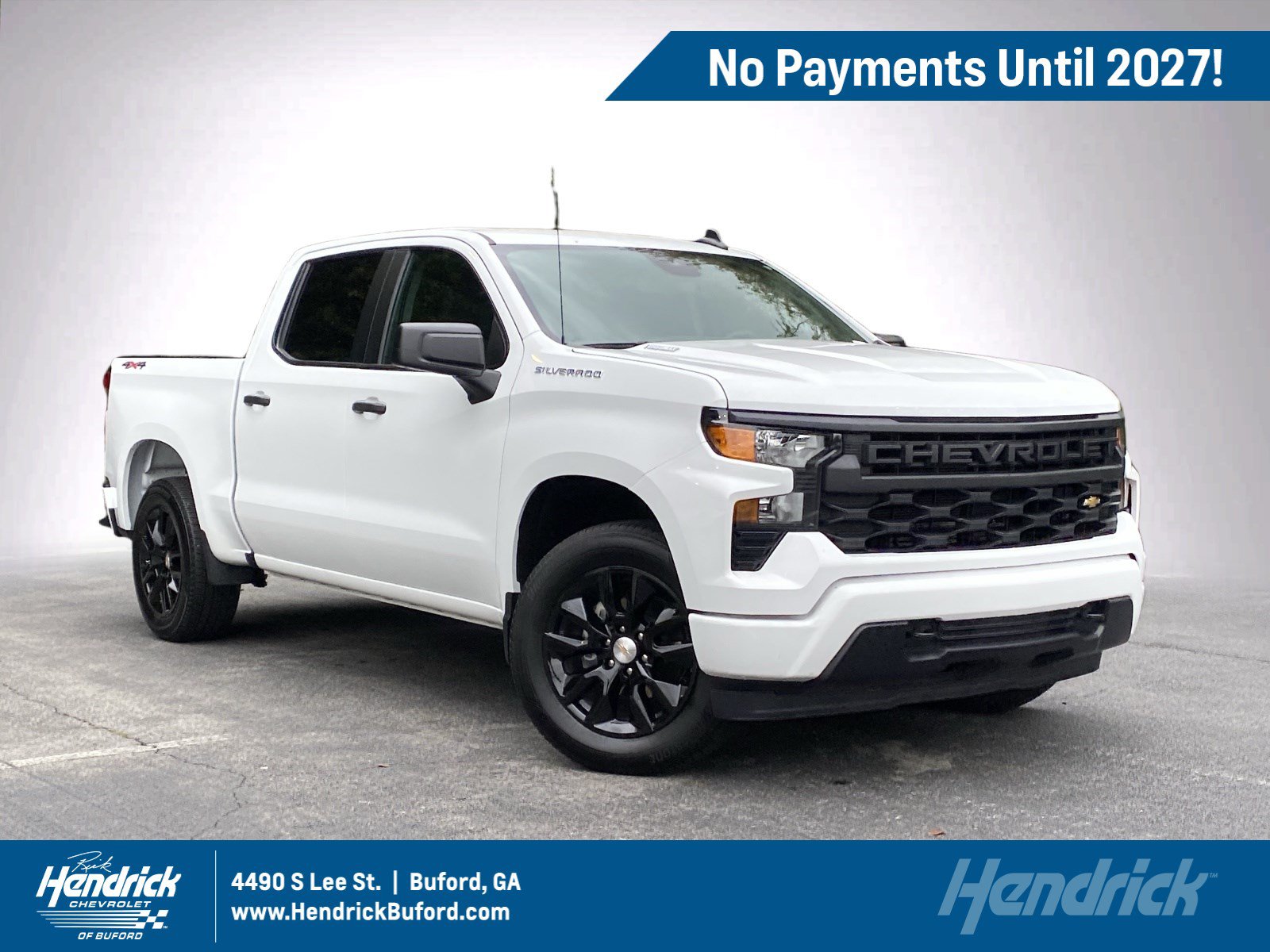
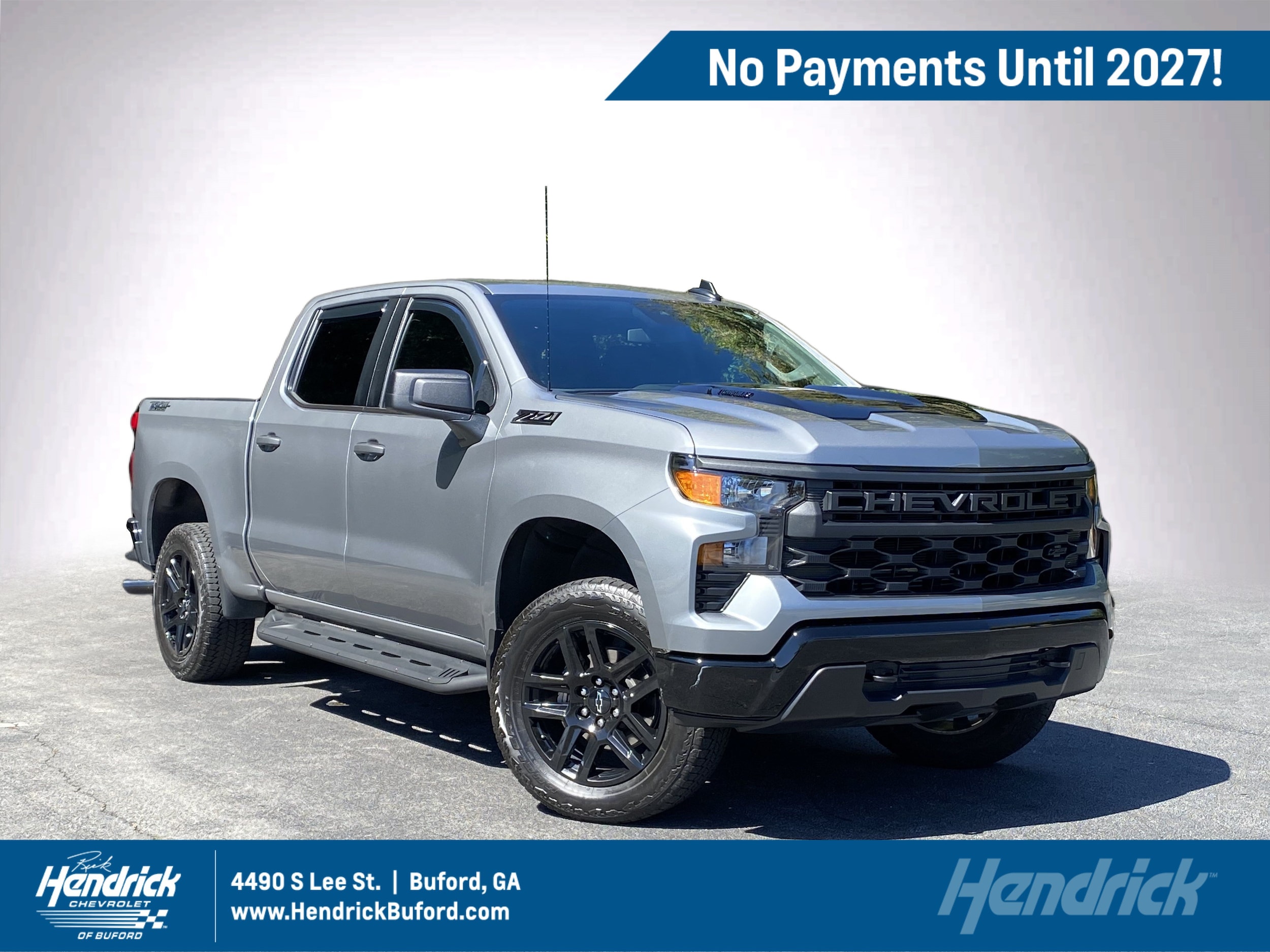
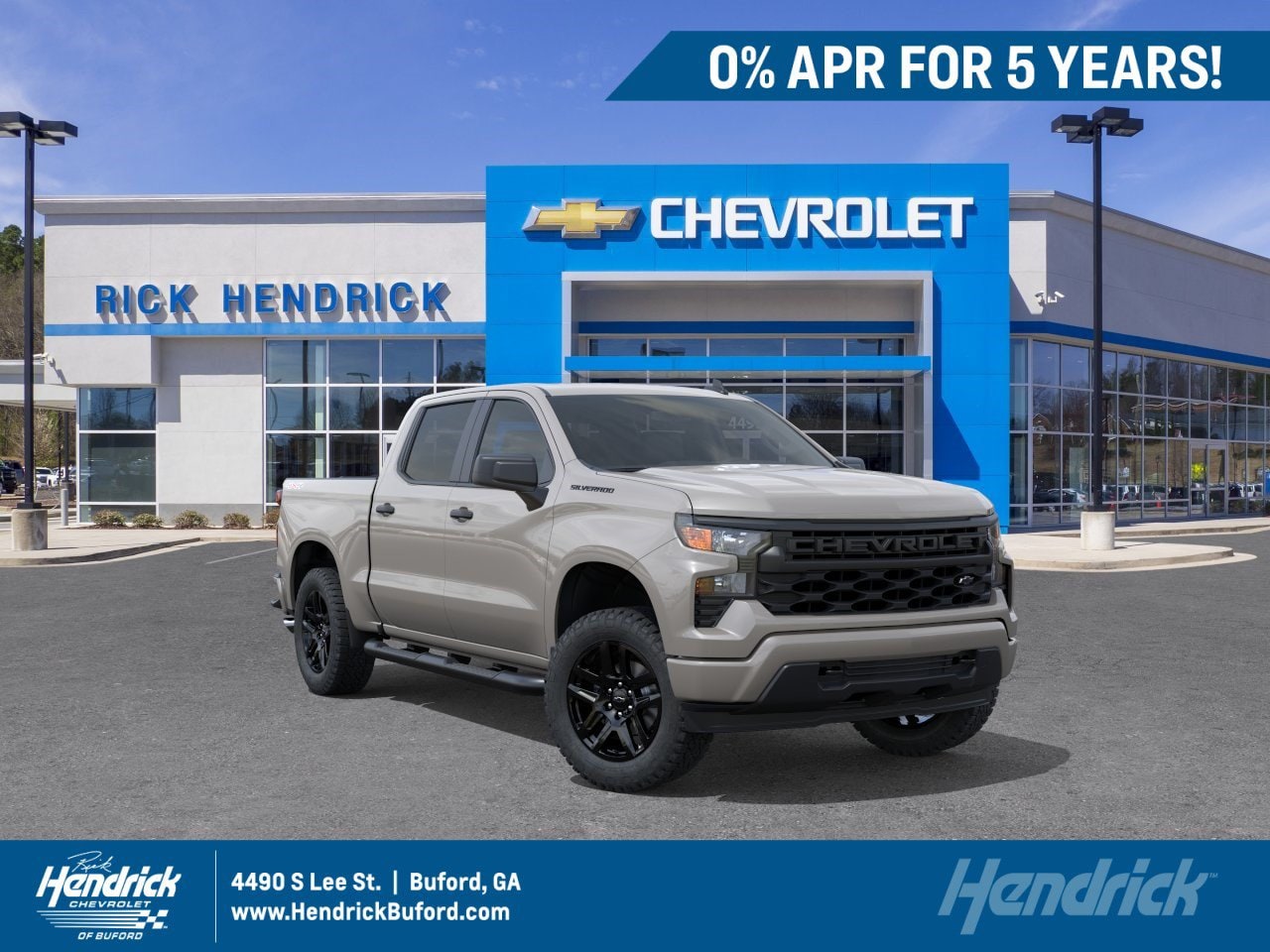
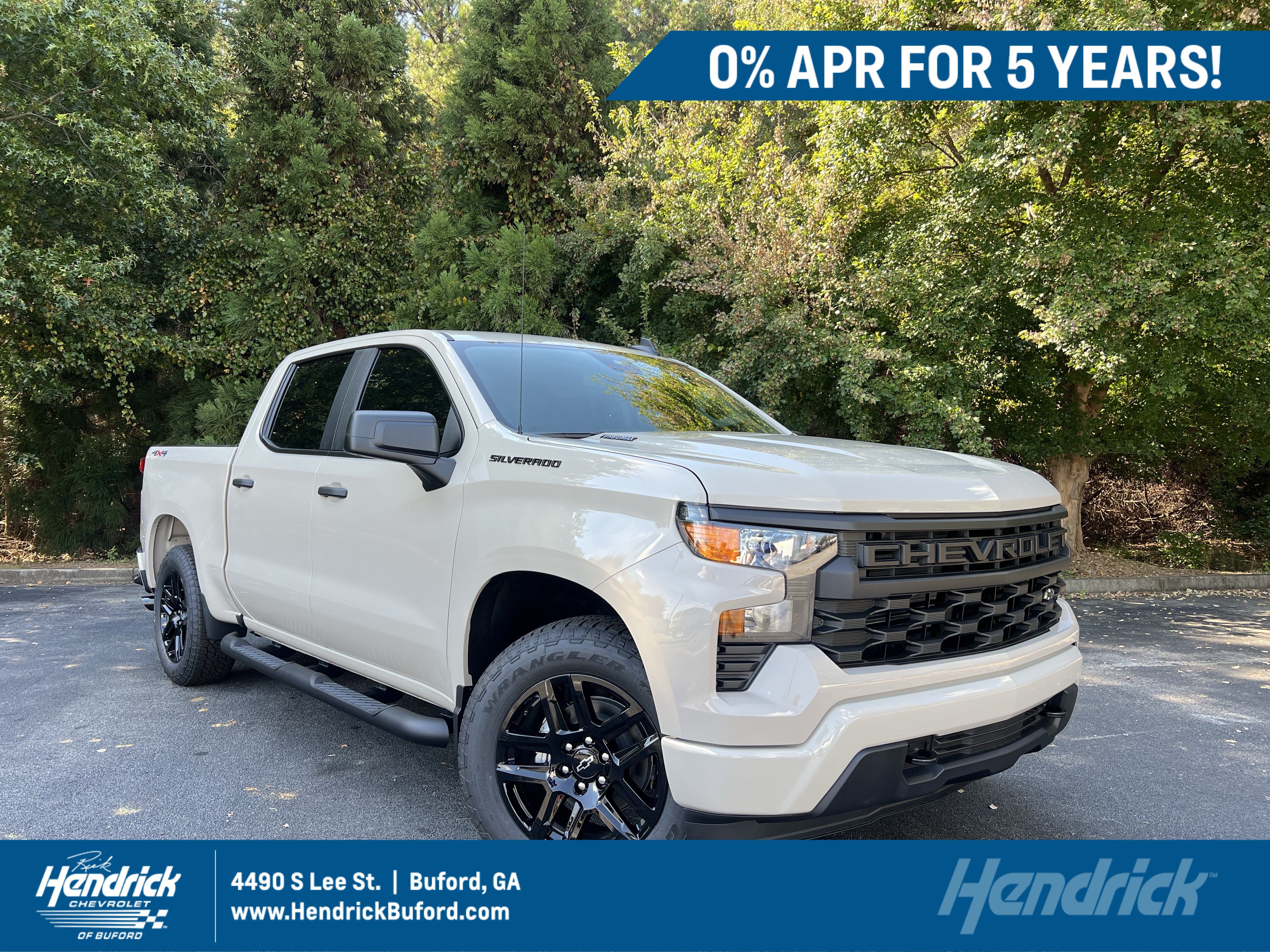
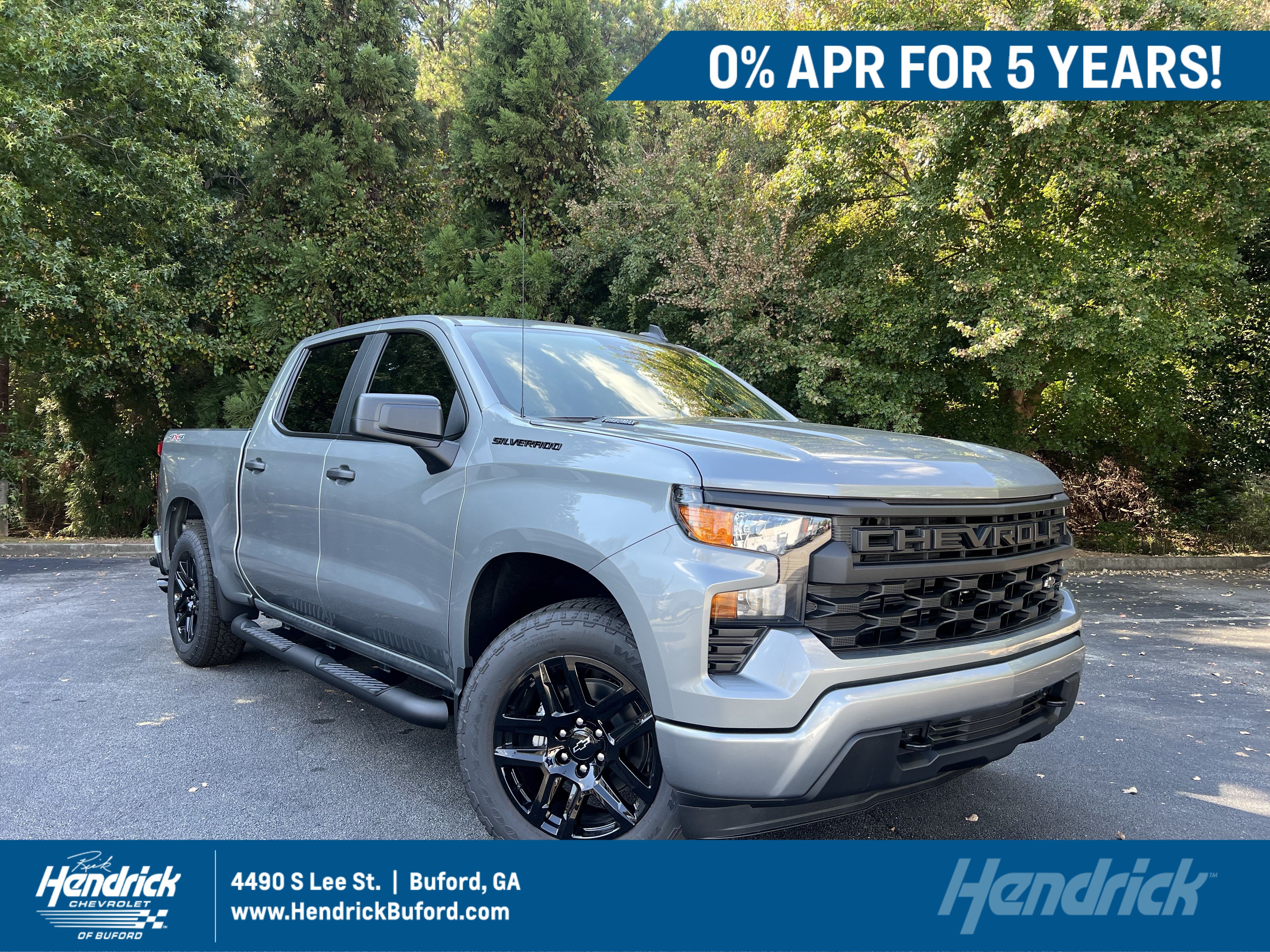
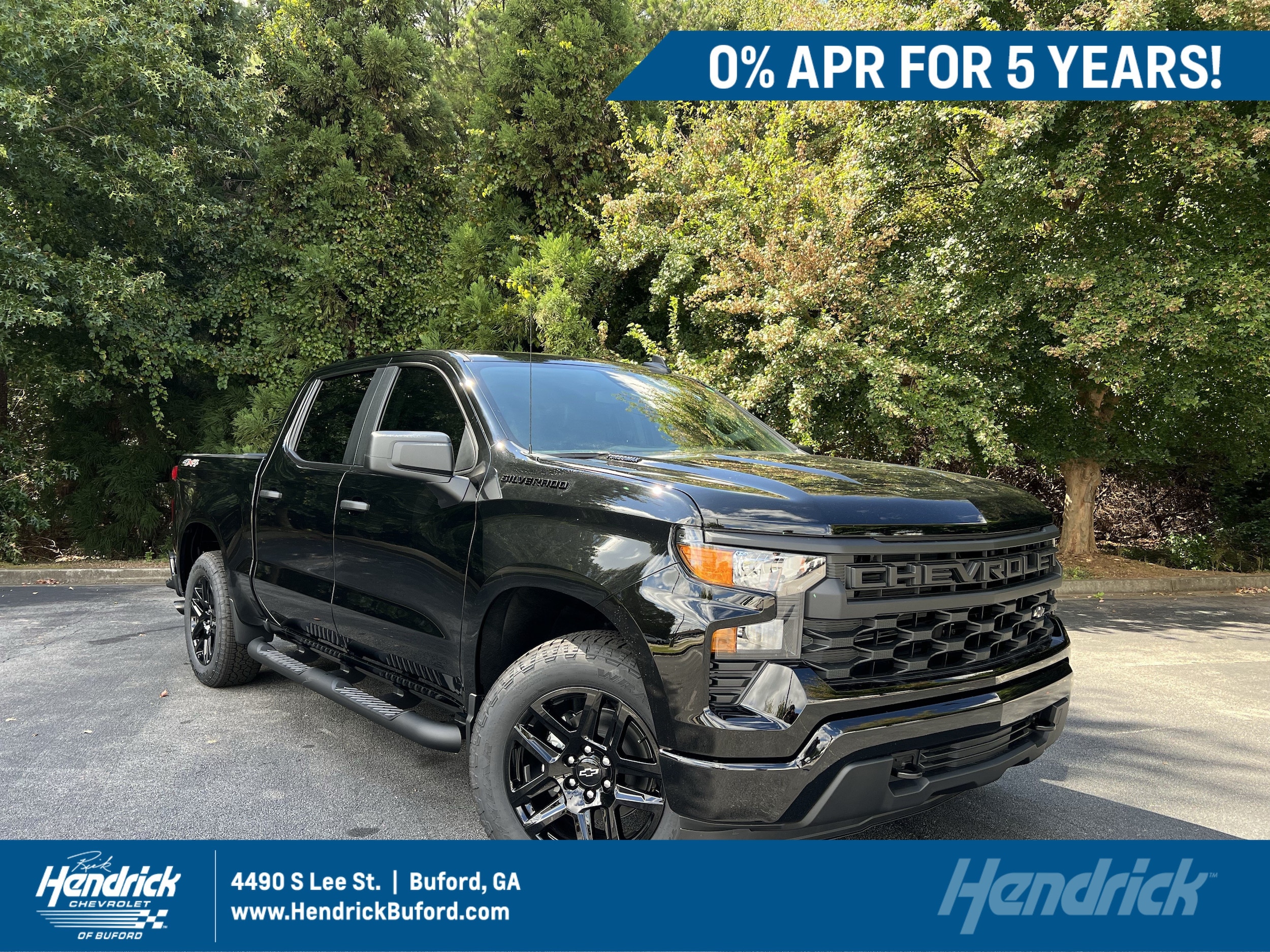
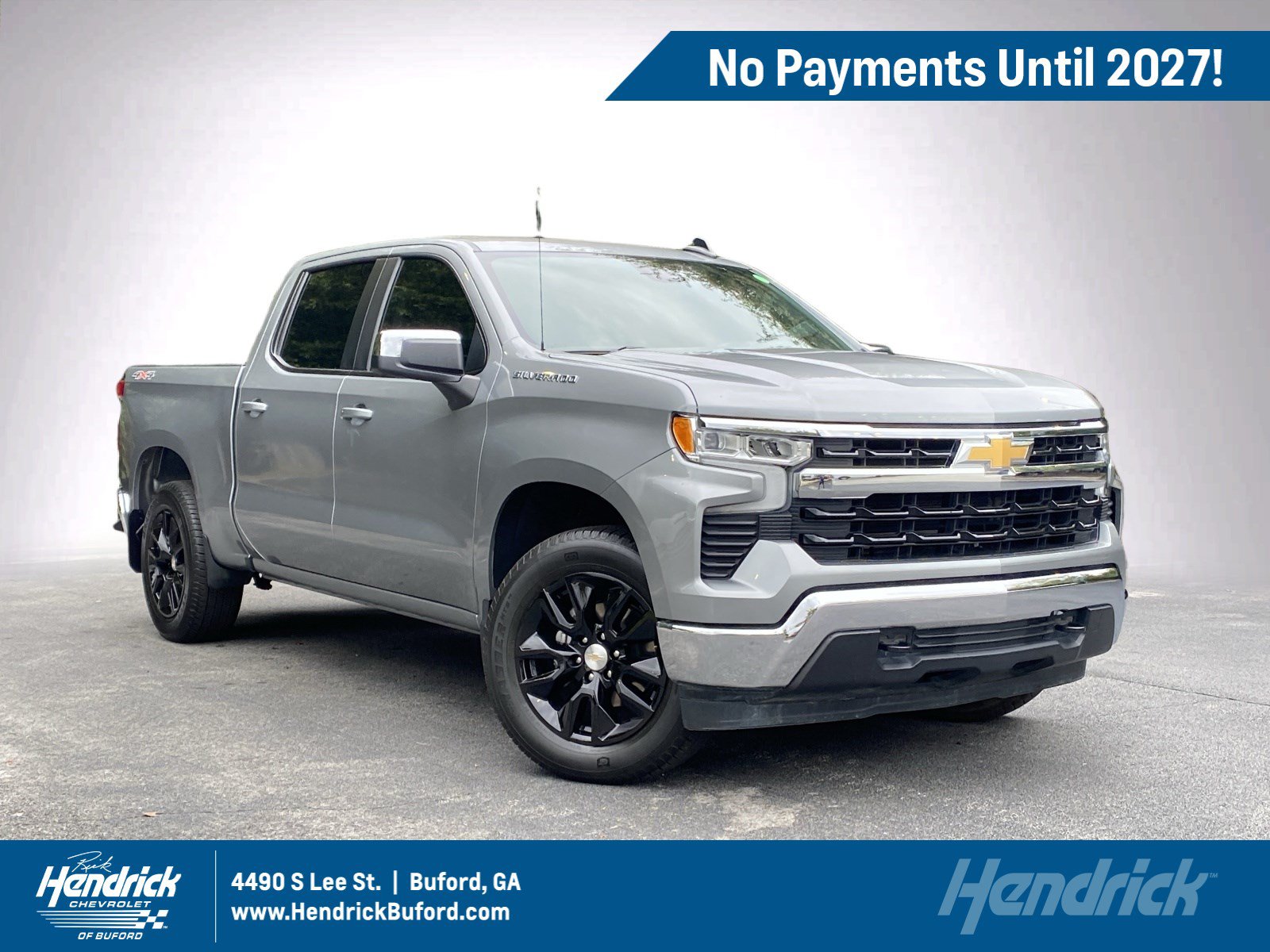
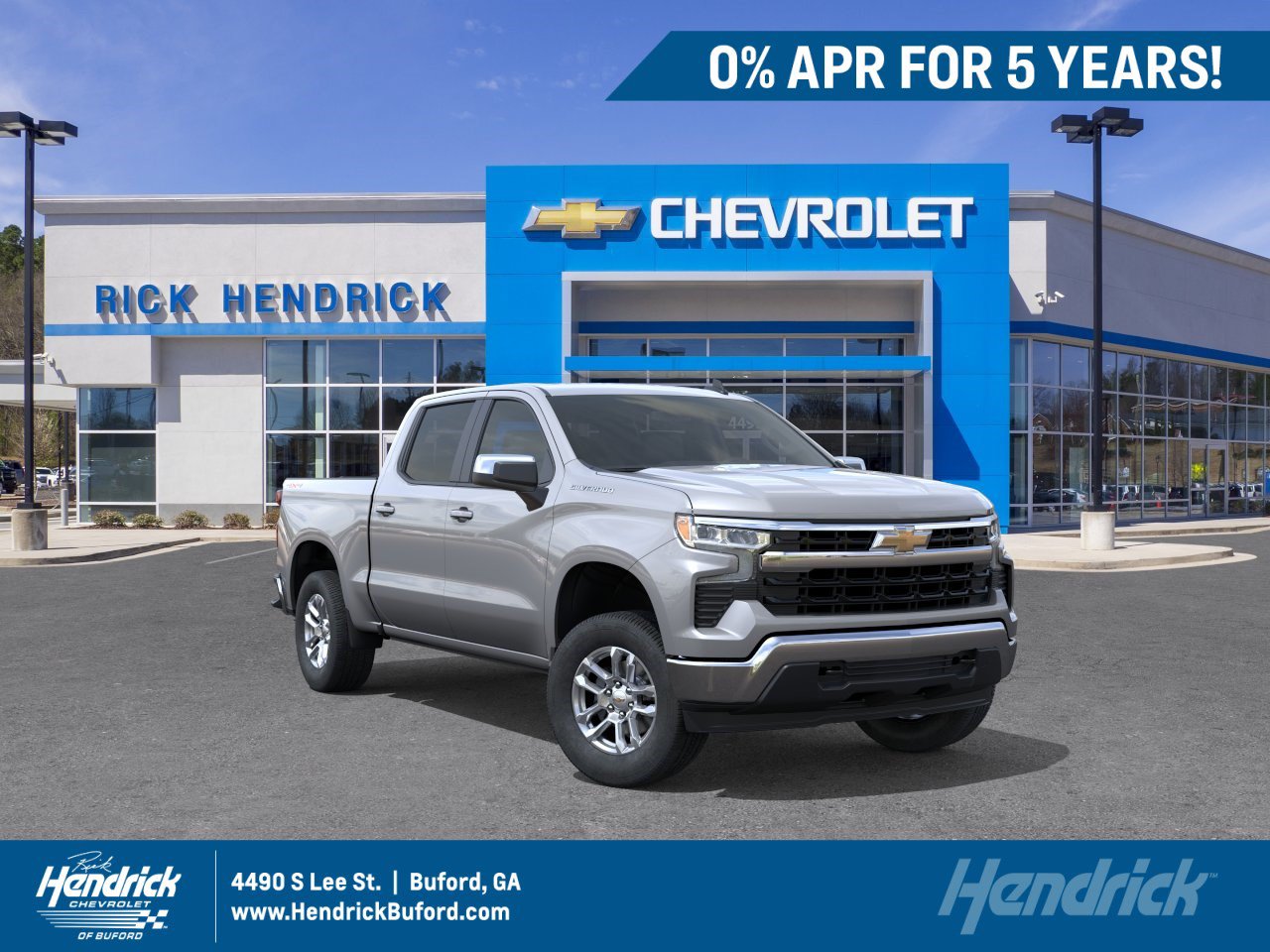
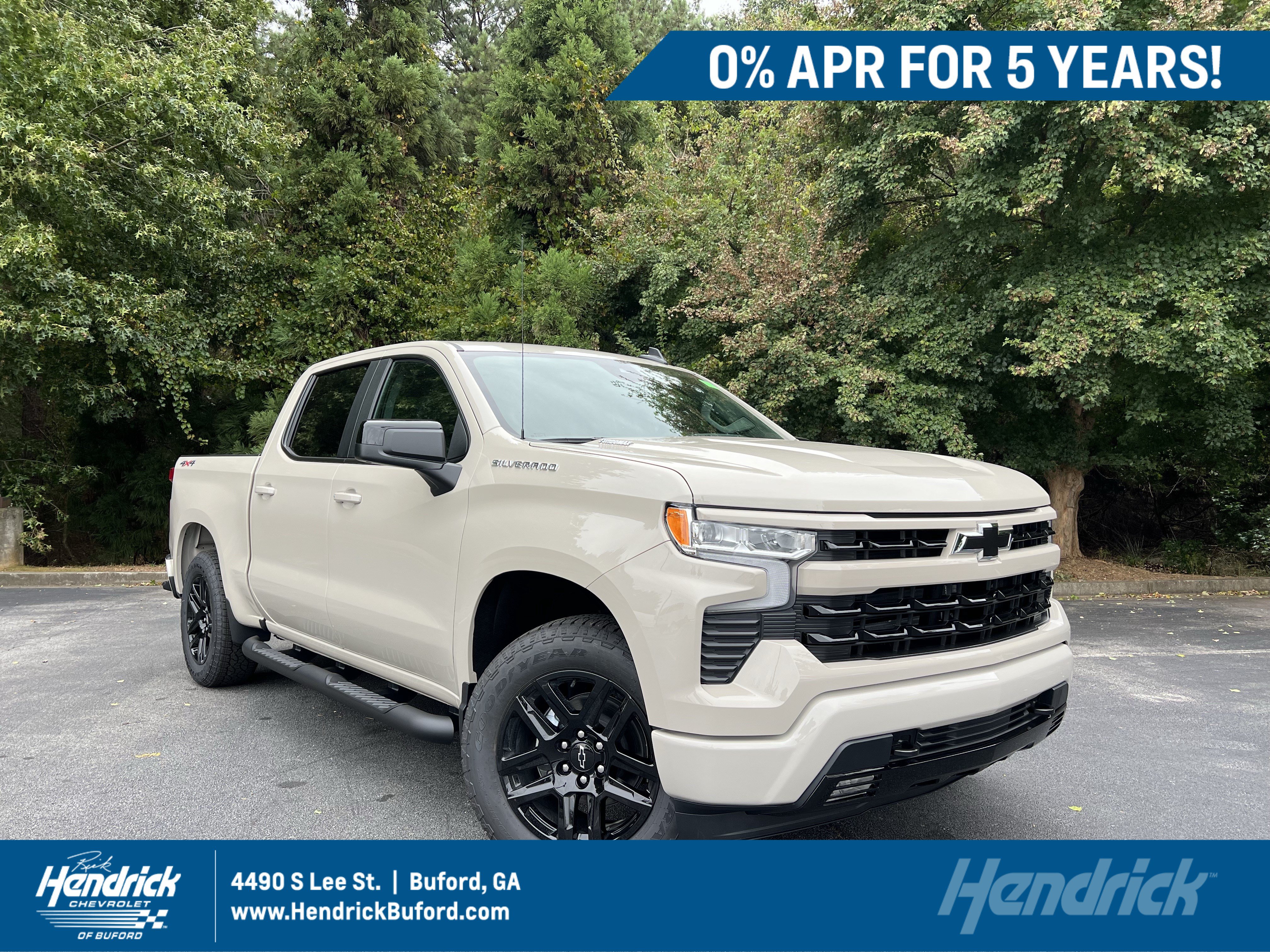
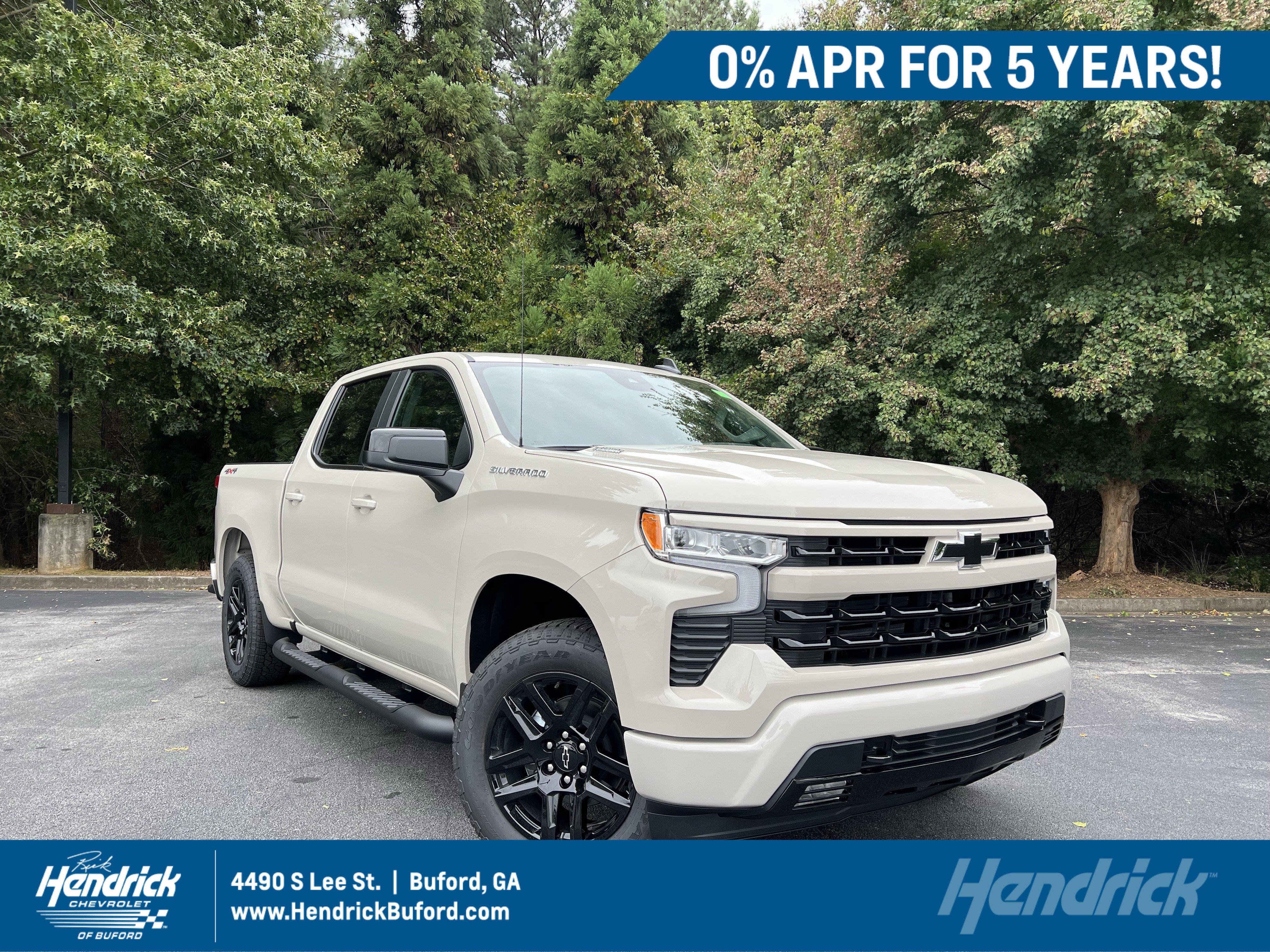
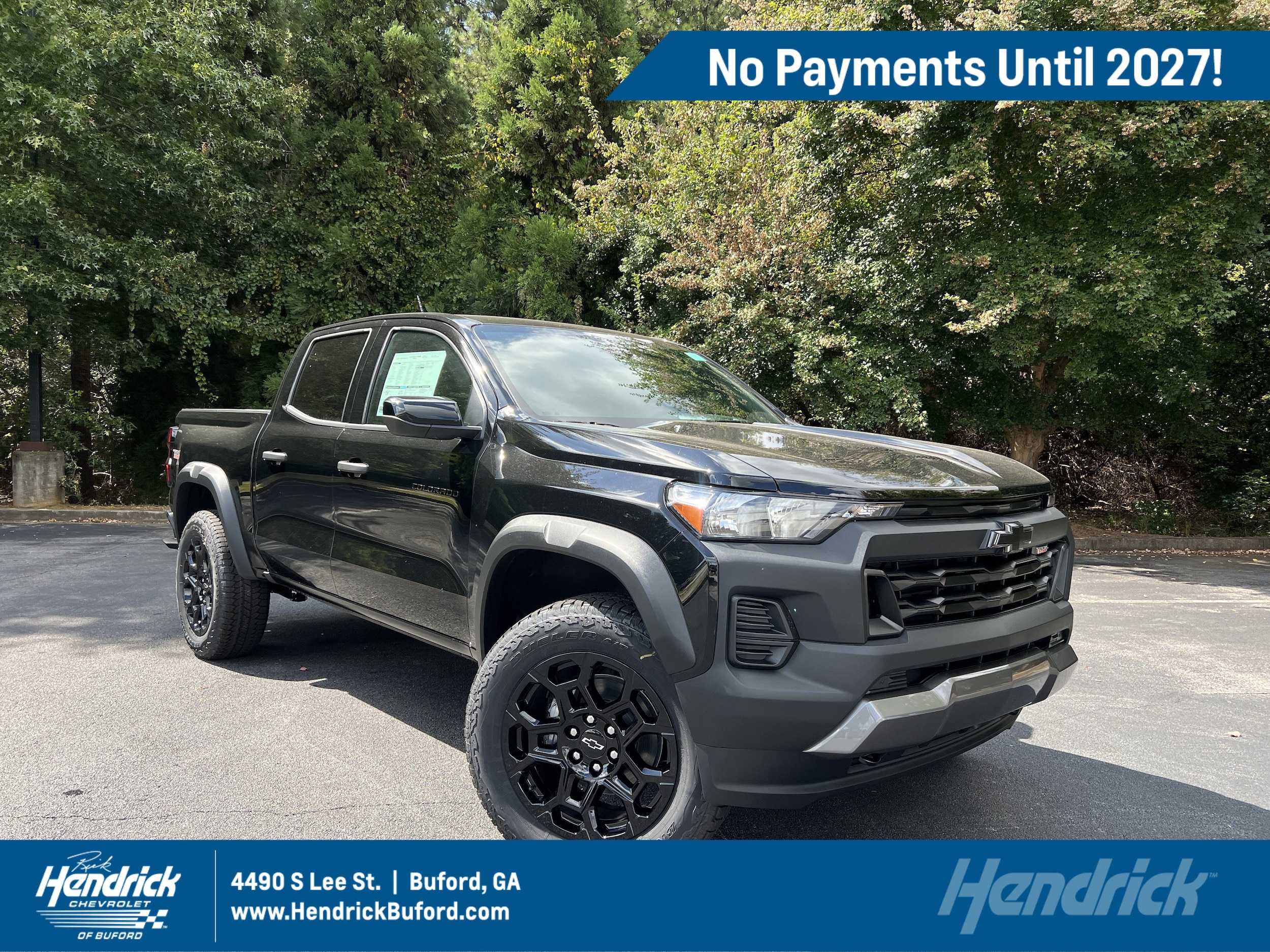
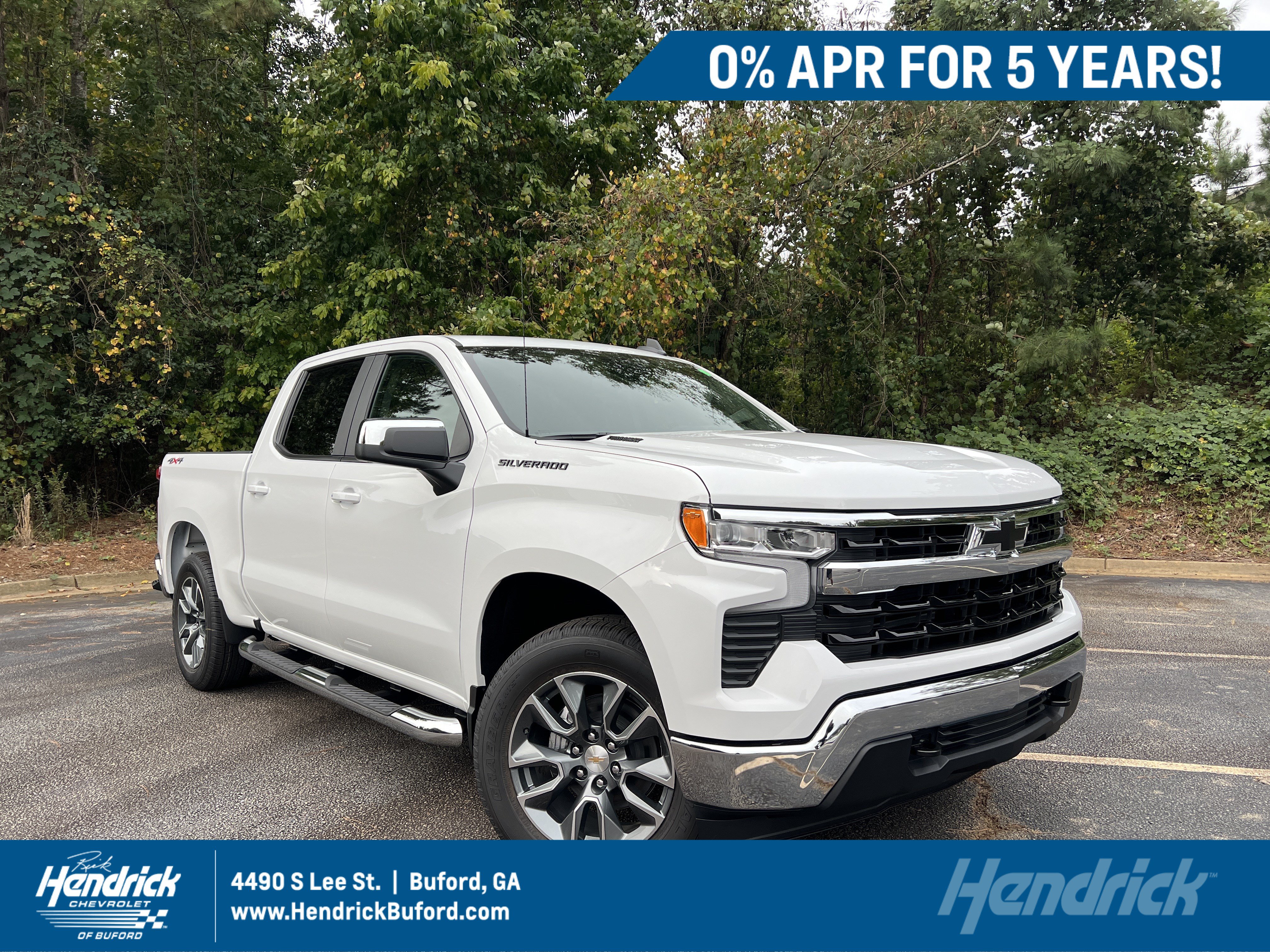
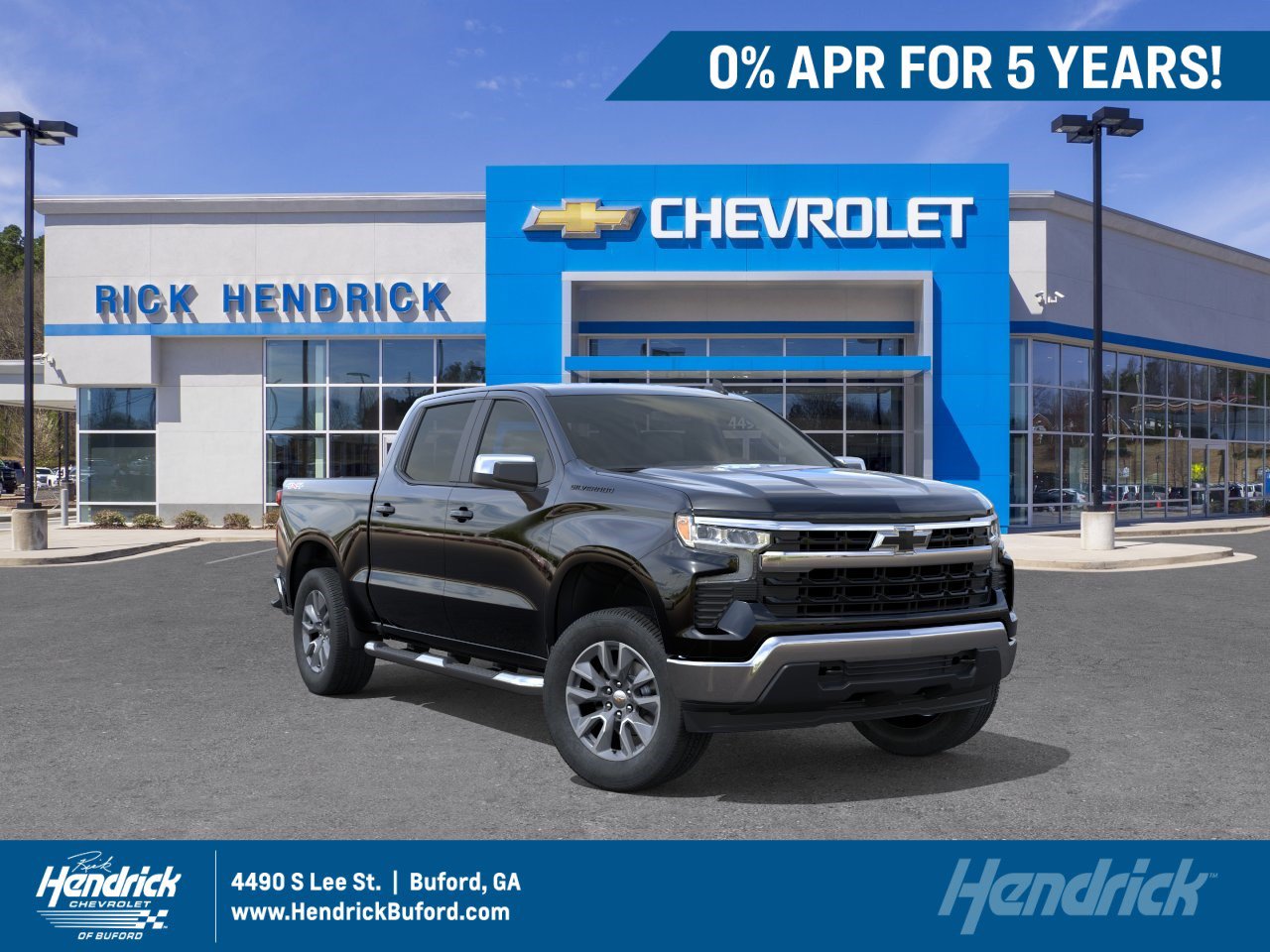
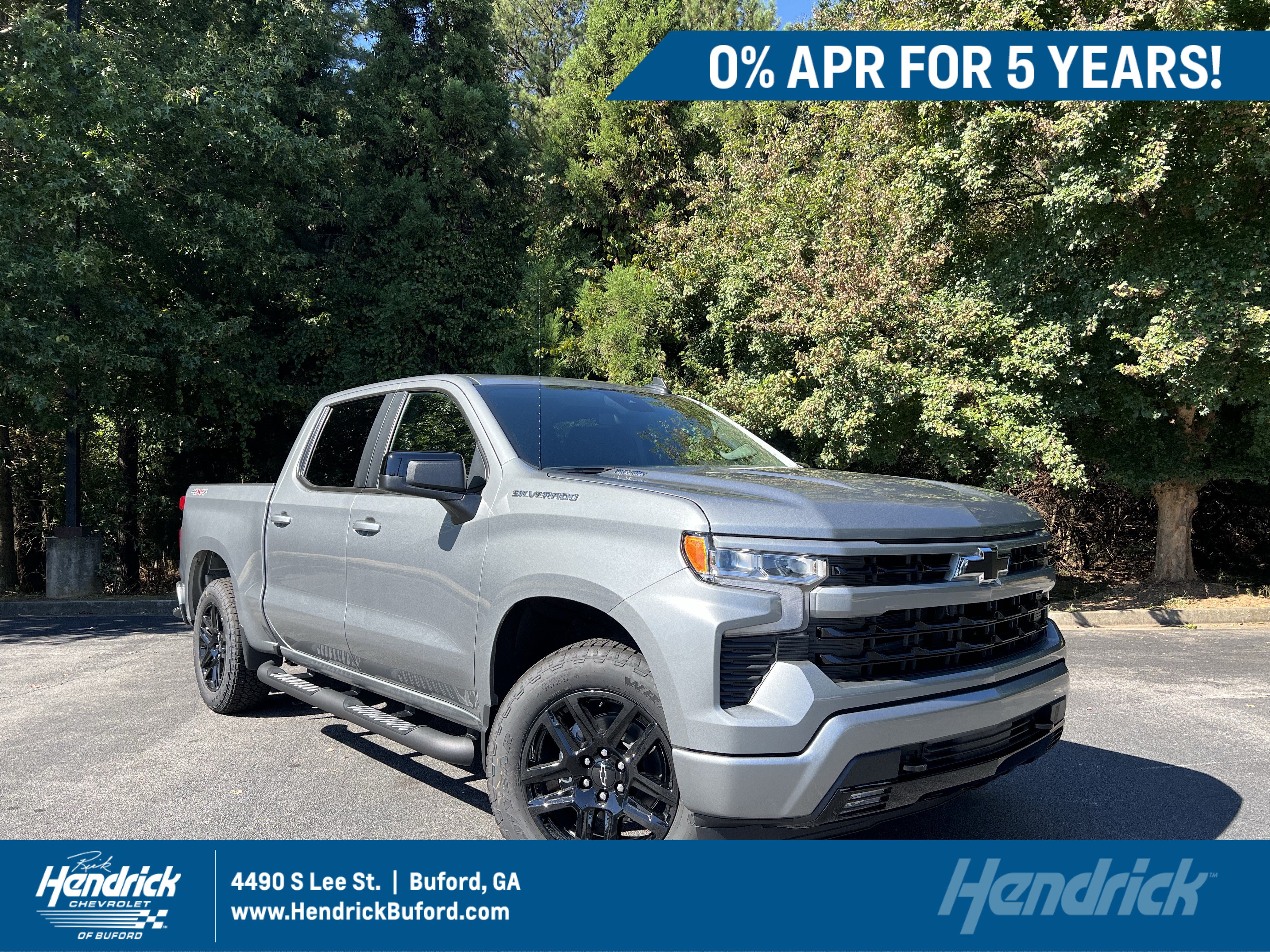
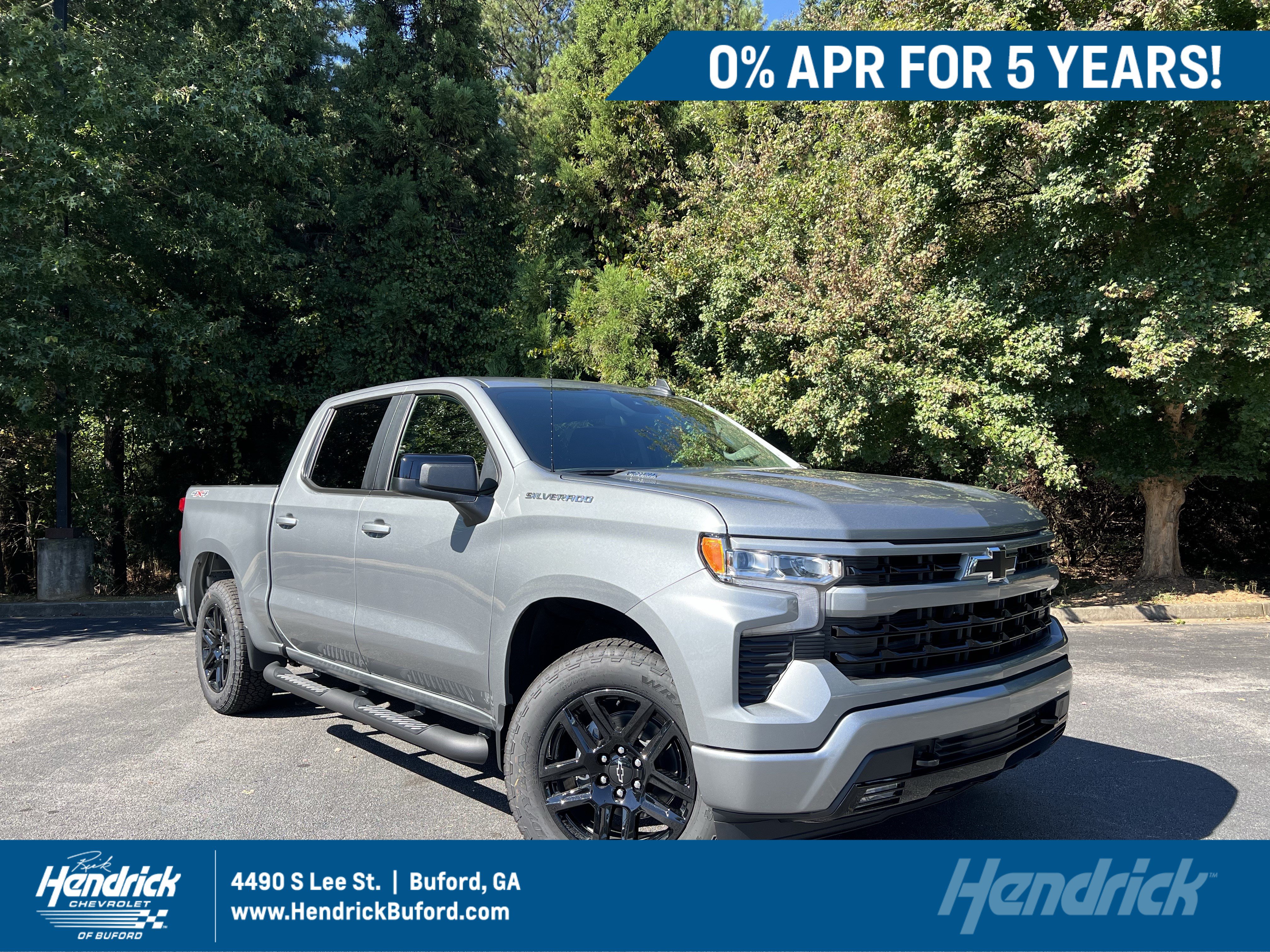
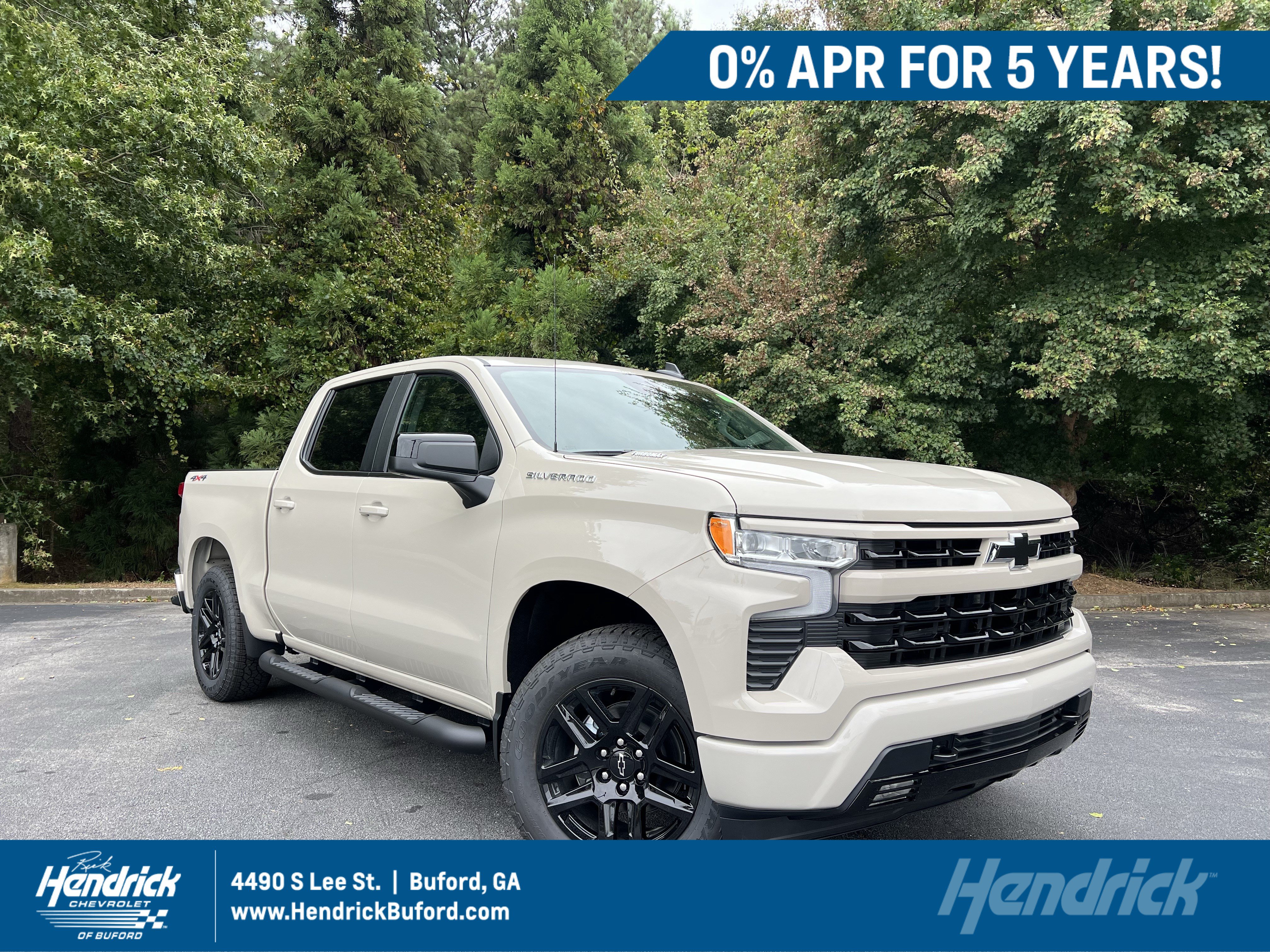
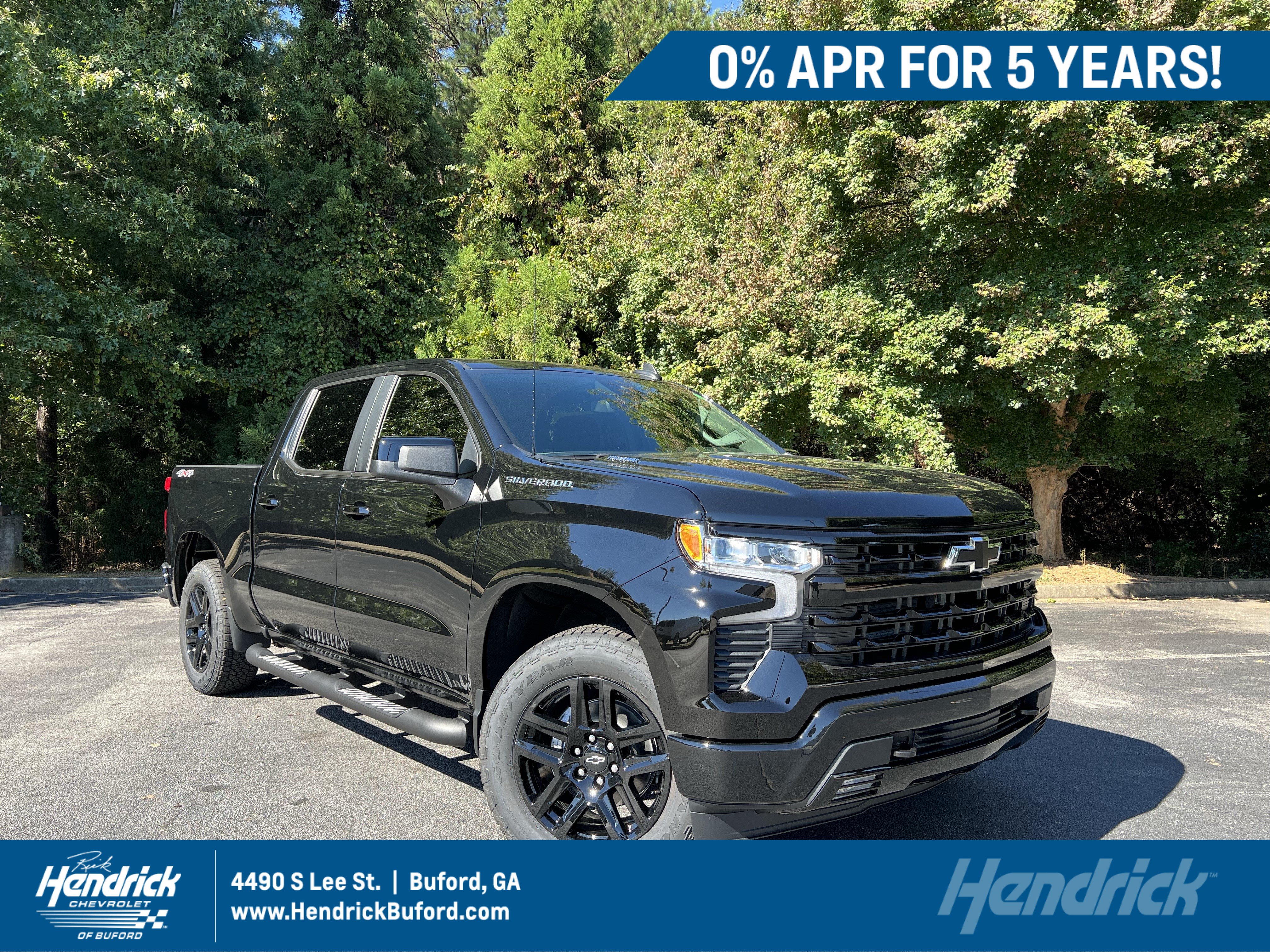
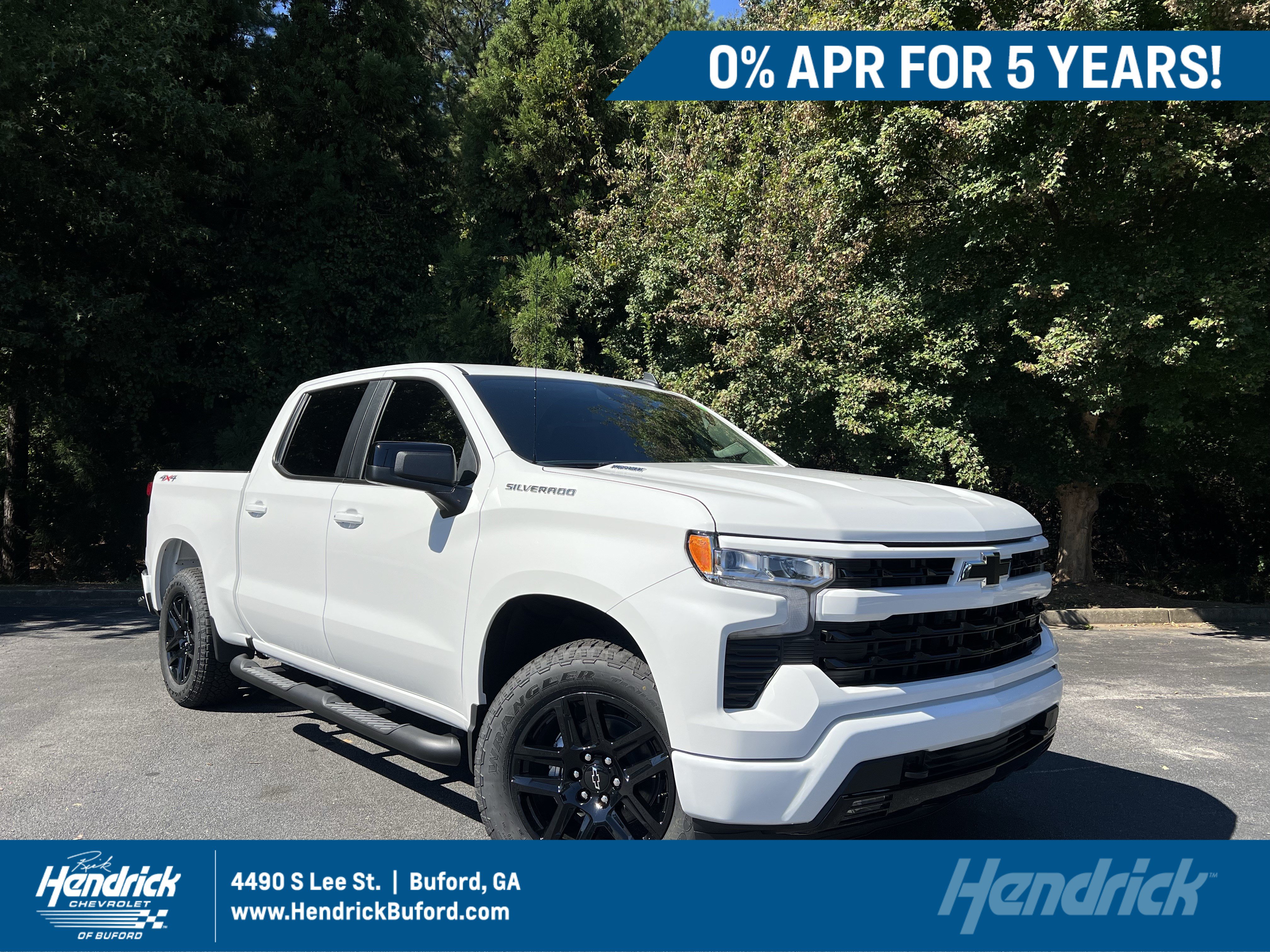
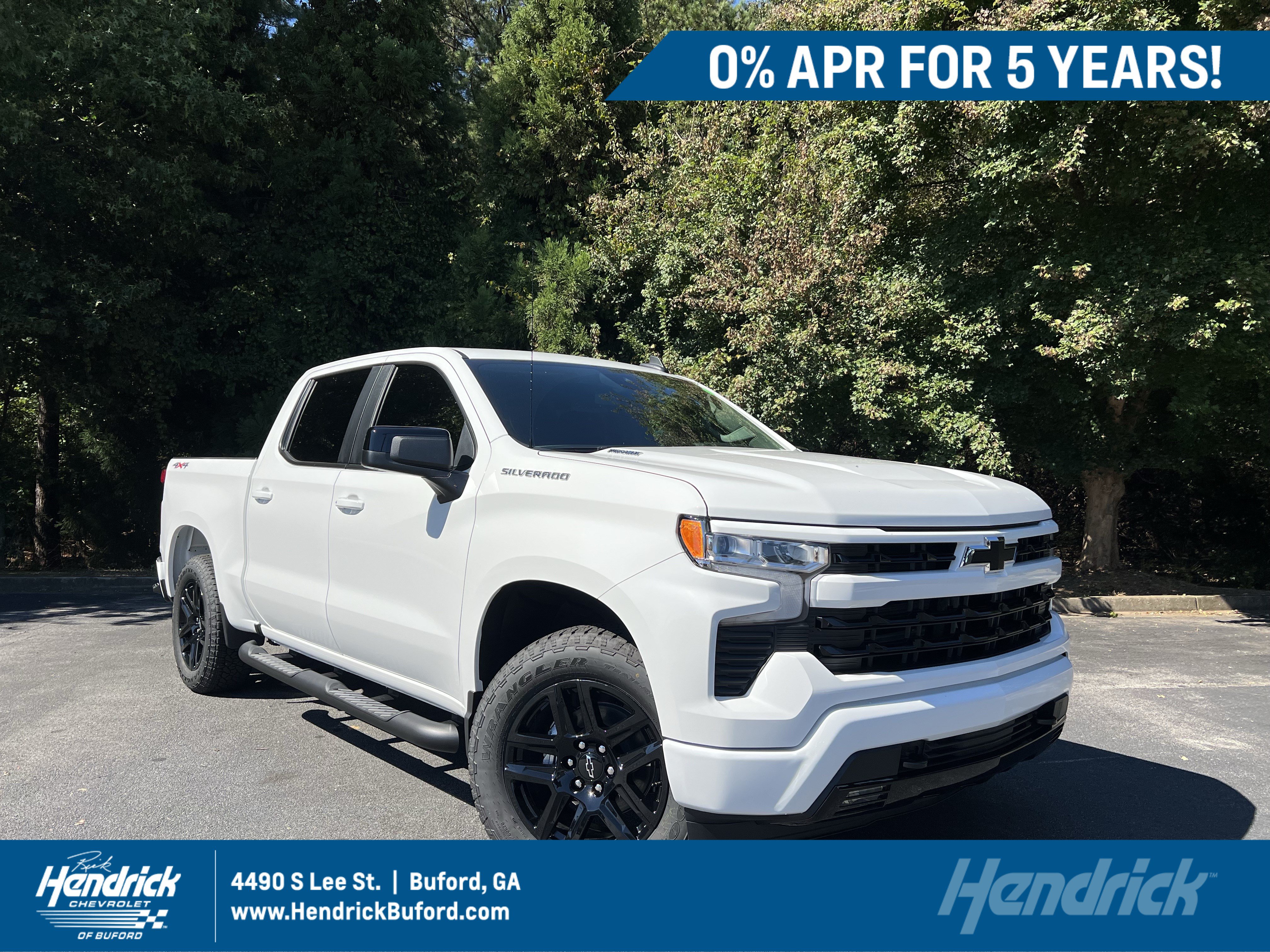
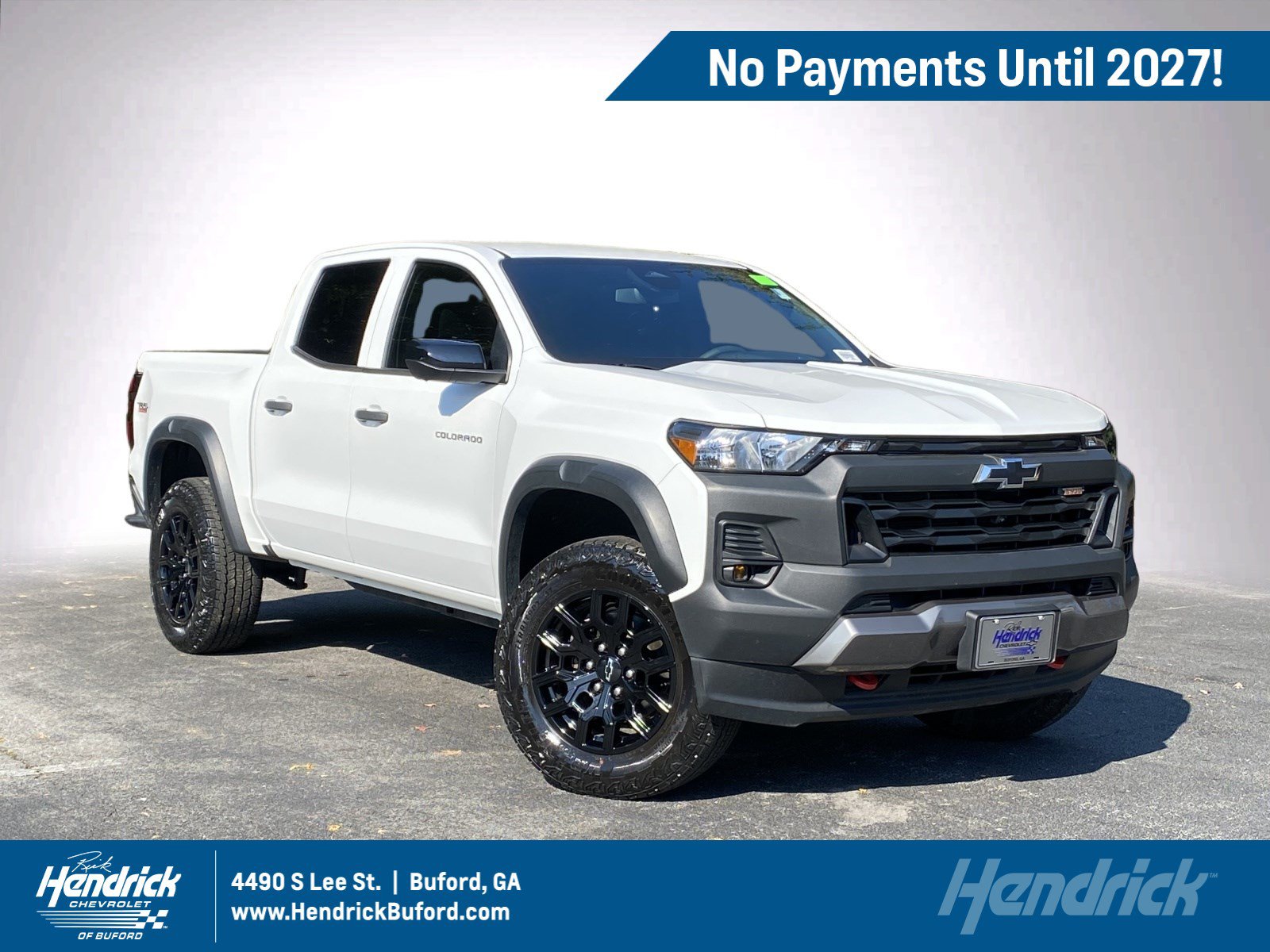
gasoline, automatic, 49K km, pickup, All Wheels Drive, 2,700 cm3, 310 hp, white, 4WD Trail Boss, Used condition, USA, In stock

HendrickCars.com
 Buford, United StatesBuford, United StatesBuford, United StatesBuford, United StatesBuford, United StatesBuford, United StatesBuford, United StatesBuford, United StatesBuford, United StatesBuford, United StatesBuford, United StatesBuford, United StatesBuford, United StatesBuford, United StatesBuford, United StatesBuford, United StatesBuford, United StatesBuford, United StatesBuford, United StatesBuford, United StatesBuford, United StatesBuford, United StatesBuford, United StatesBuford, United StatesBuford, United StatesBuford, United States
If you are in the market for a car featuring an engine displacement between 2.7 and 2.8 liters, you are looking at a well-balanced option that blends power with efficiency. This guide helps buyers and sellers in key markets understand what to expect from such engines, which models commonly offer this range, and how to evaluate a vehicle before making a decision.
Vehicles with a 2.7–2.8L engine are typically found in mid-size sedans, crossovers, and some sportier models. The size often translates to robust mid-range torque and decent highway performance, while still delivering reasonable fuel economy for daily use. When assessing a car in this range, consider the following:
In many markets, you will find brands offering 2.7–2.8L options across several generations. Common body types include sedans, SUVs, and some wagons, with fuel choices ranging from gasoline to mild-hybrid setups in newer generations. Buyers often compare:
When inspecting a car that fits the 2.7–2.8L criterion, use a practical checklist:
If you are searching for a car with a 2.7–2.8L engine, consider how the engine size aligns with your daily needs, fuel economy goals, and driving style. With careful comparison and thorough checks, you can find a model that offers the right balance of performance and practicality in your city or country.
 Add as preferred sourceSee more from zvelta in Google Search Add as preferred source