 EN
ENDEALER
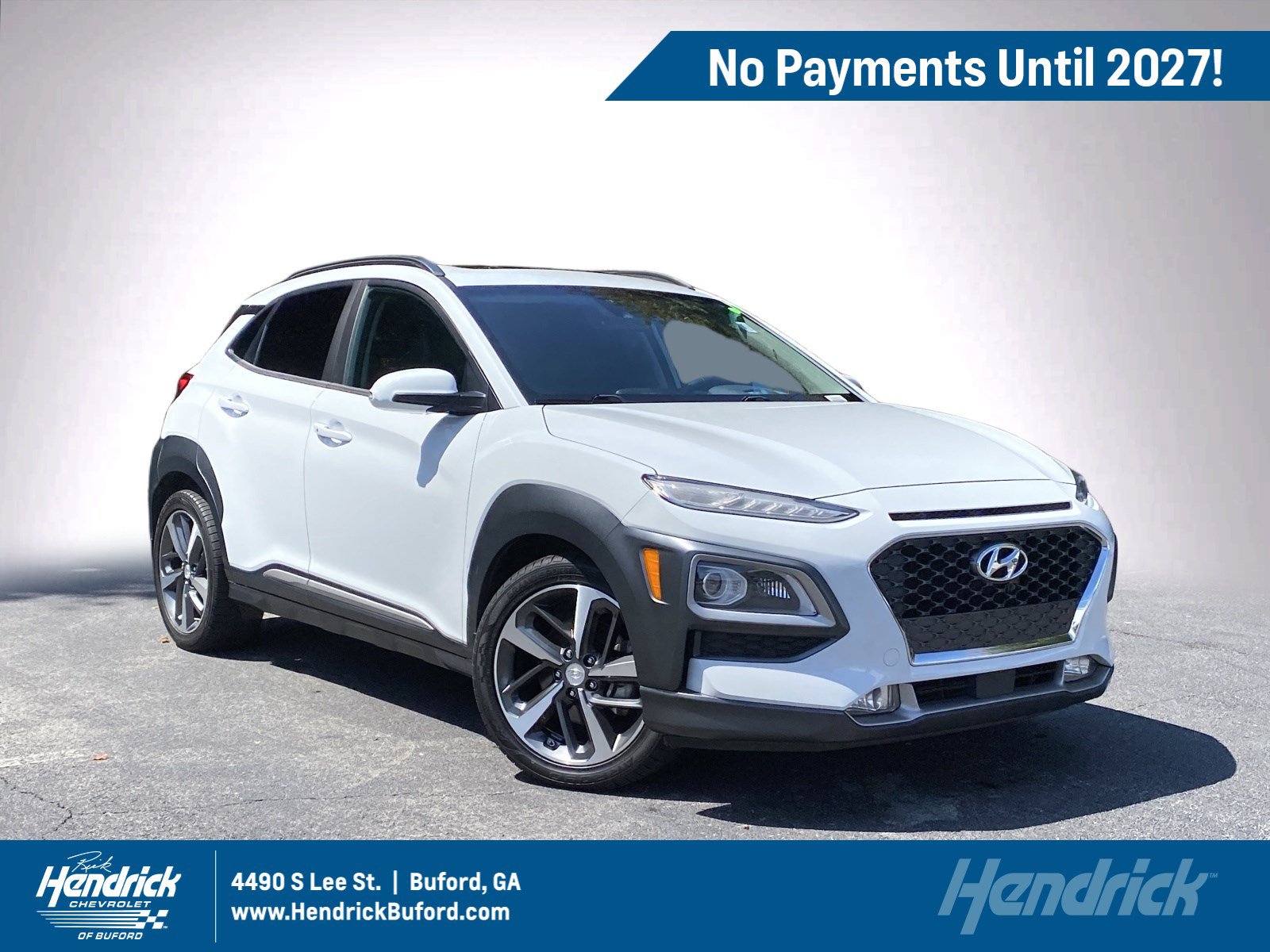
17.728 US$DEALER
17.933 US$
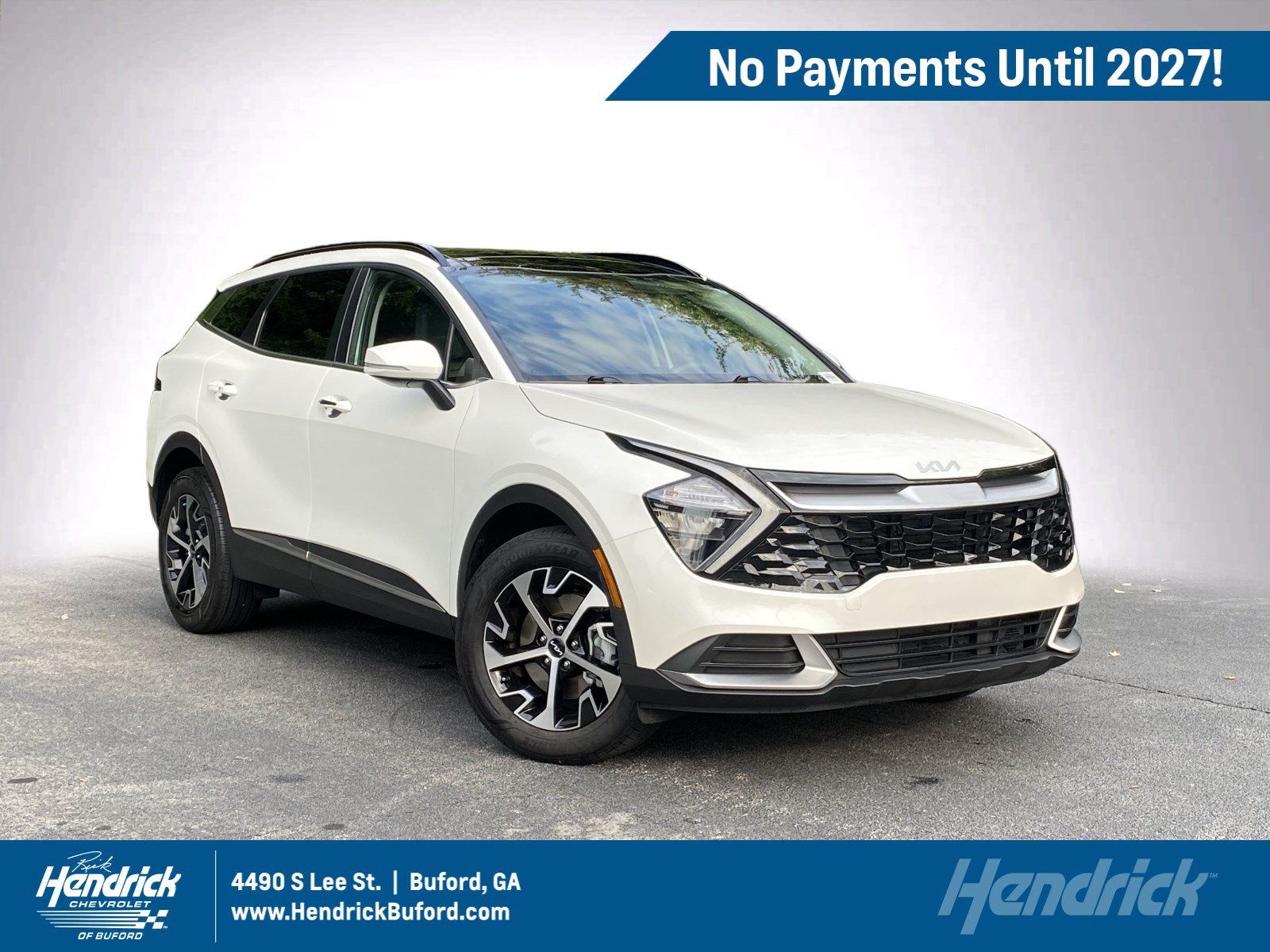
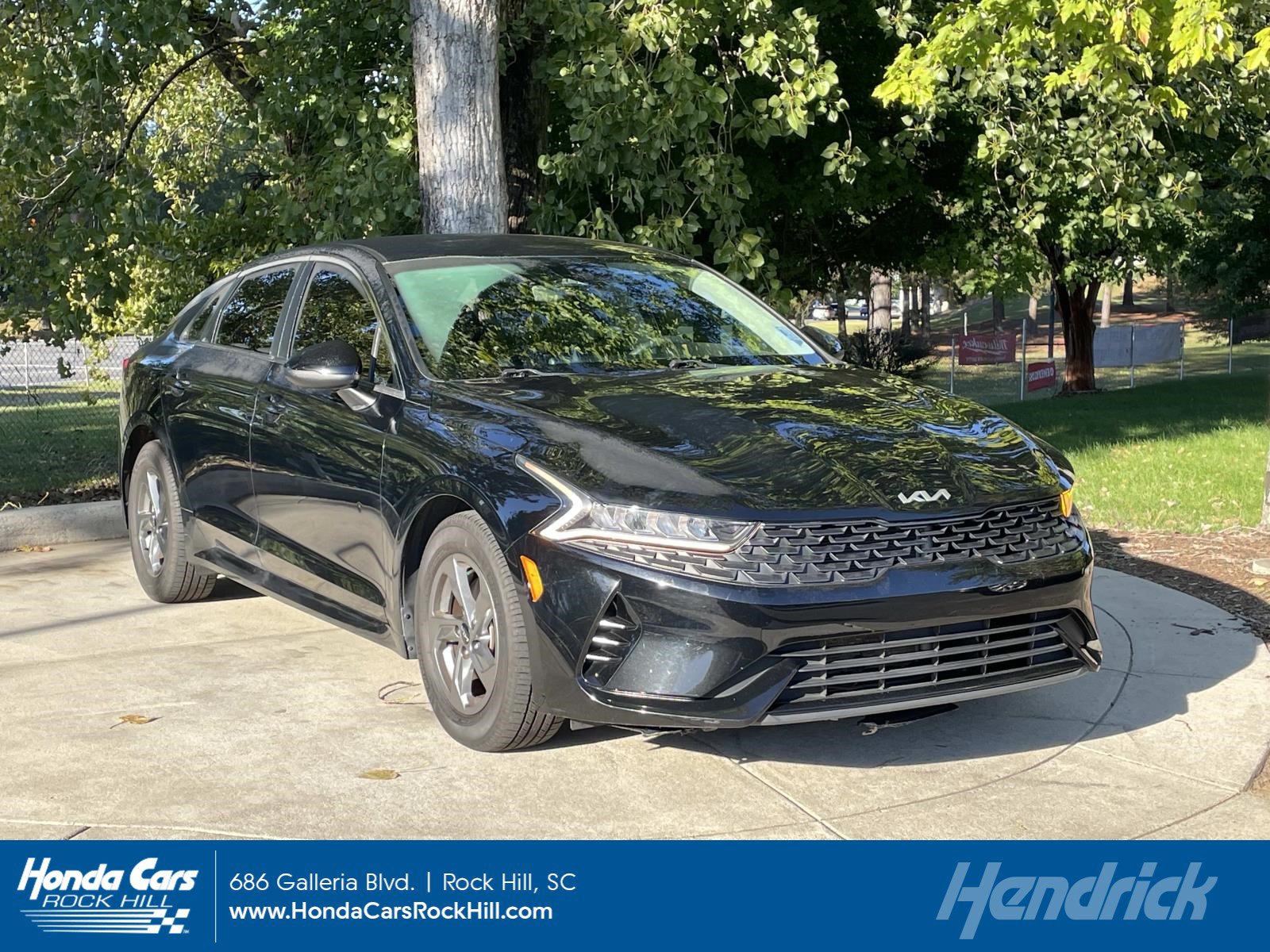
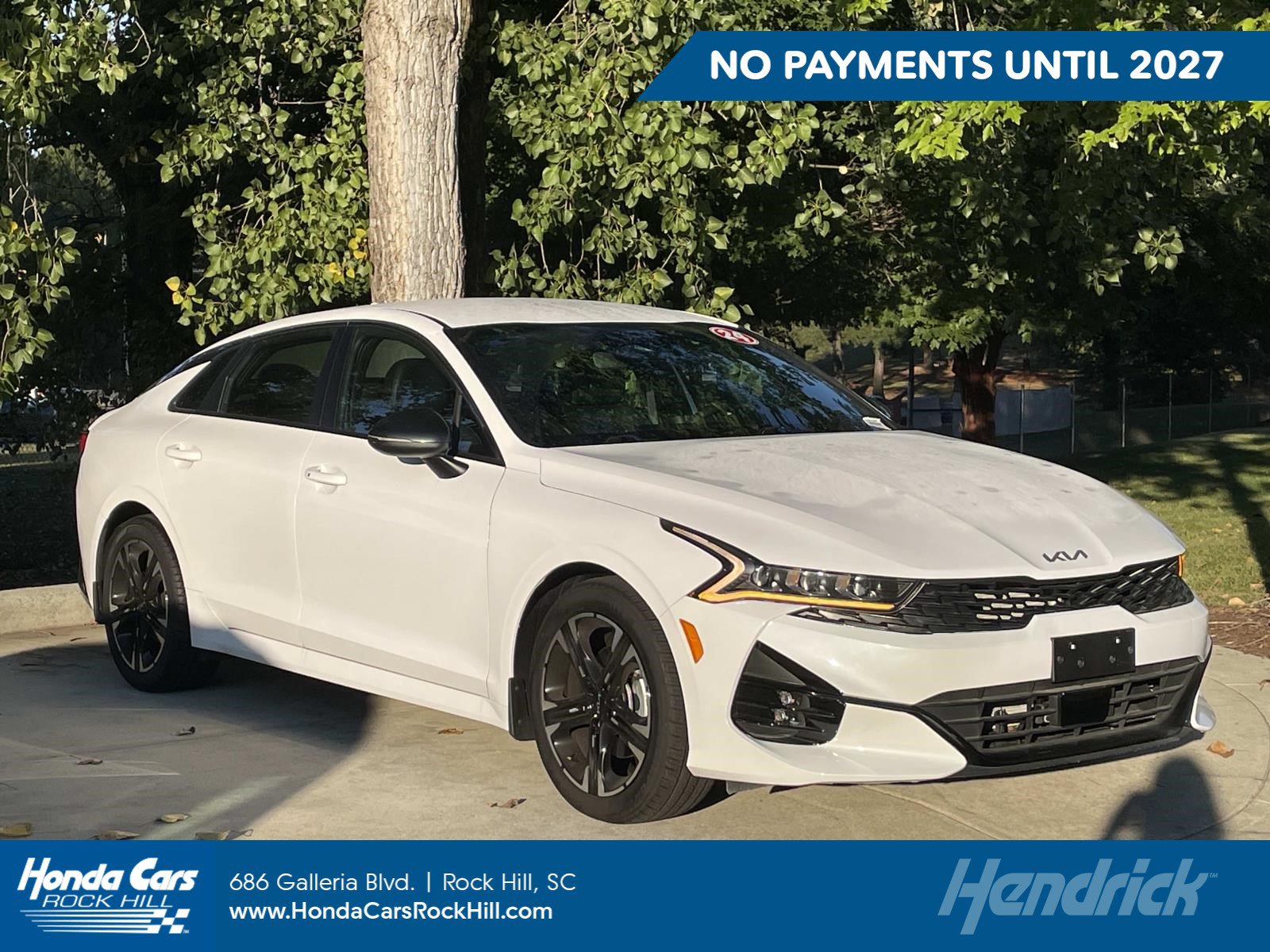
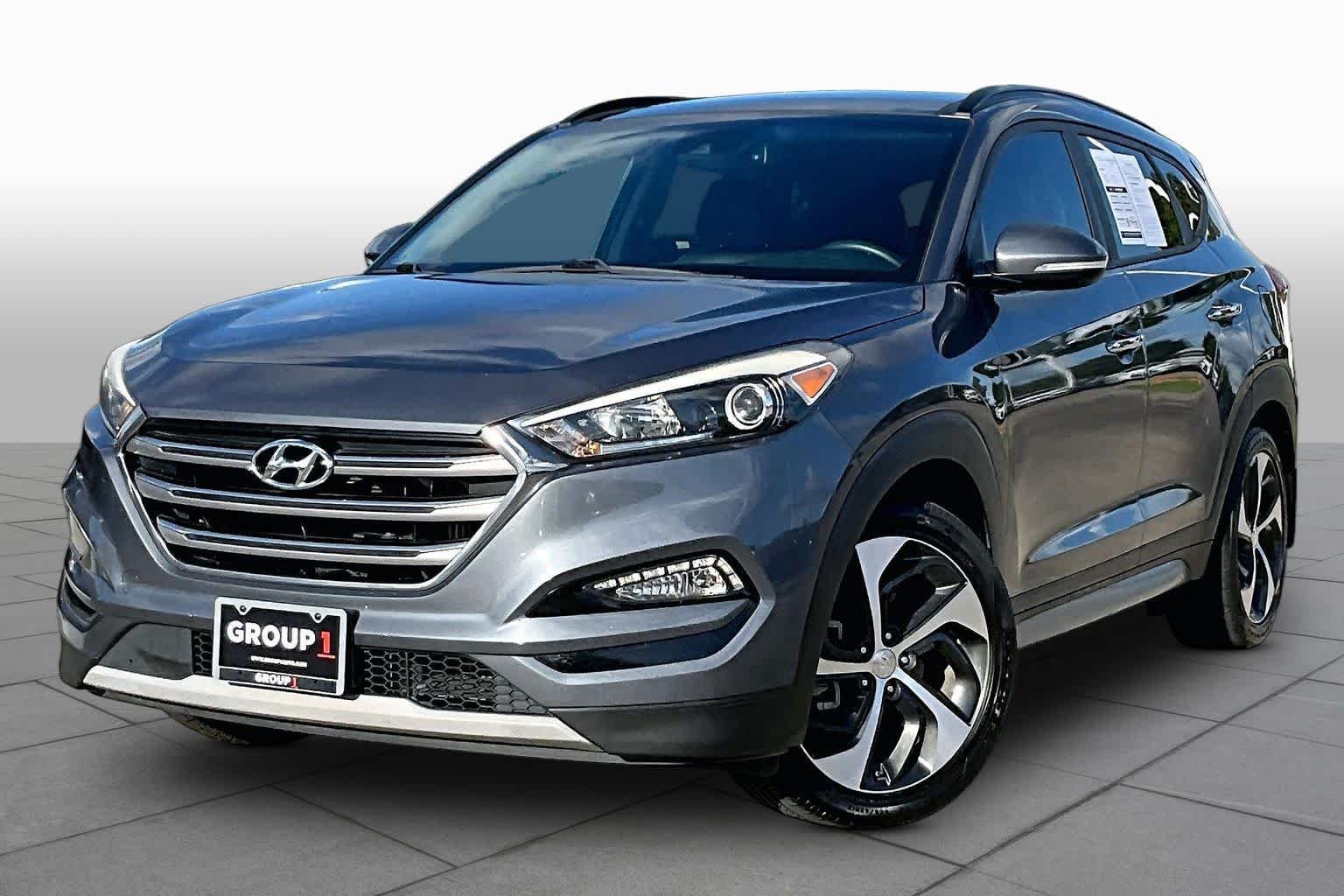
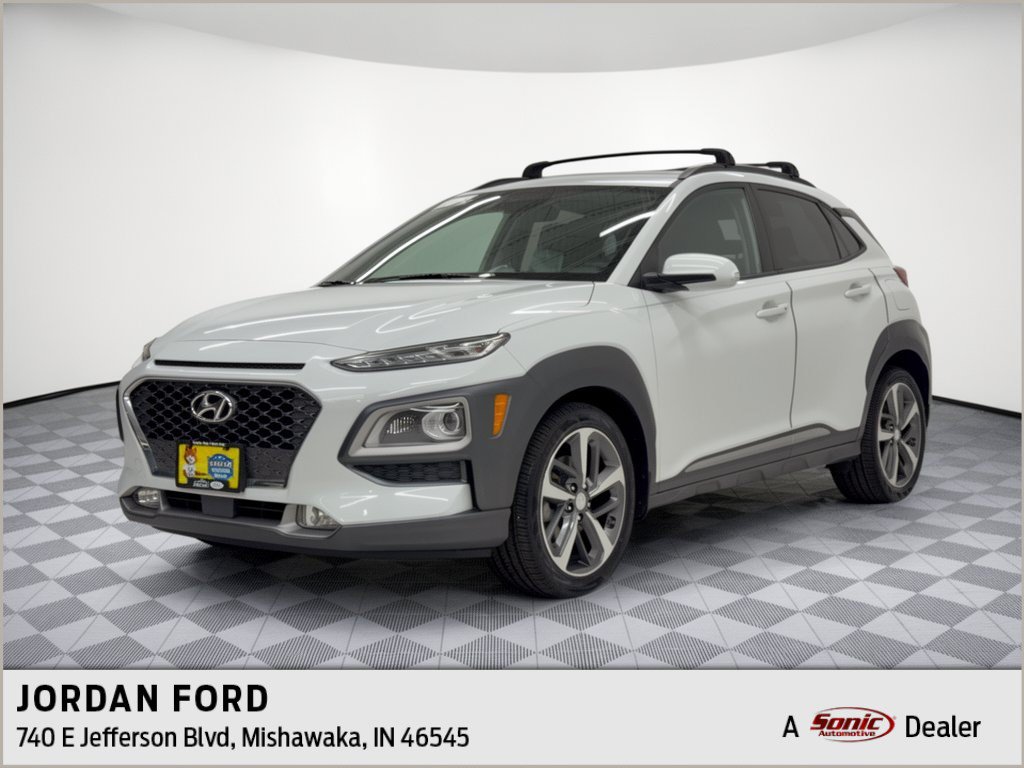
gasoline, automatic, 117K km, SUV, Front Wheels Drive, 1,600 cm3, 175 hp, white, Used condition, South Korea, In stock

HendrickCars.com
 Buford, United StatesBuford, United StatesBuford, United States
 South Shore, United StatesStation 15, United StatesStation 15, United StatesRock Hill, United States
 Rock Hill, United StatesRock Hill, United StatesRock Hill, United StatesRock Hill, United StatesHickory, United States
 Brentwood, United StatesManheim, United StatesSouthwest, United StatesSouthwest, United StatesSouthwest, United StatesSouthwest, United StatesSouthwest, United StatesSouthwest, United StatesOrlando, United States
 Mishawaka, United StatesMishawaka, United StatesMishawaka, United States
 Chevrolet, United StatesChevrolet, United States
When you’re in the market for a car with a specific engine size, like 1.6 to 1.7 liters, you’re often balancing fuel economy, drivability, and maintenance costs. This guide helps buyers and sellers compare popular models, understand what to expect in price and mileage, and decide which configuration fits their needs. Whether you’re shopping in a big city or a smaller town, the right engine size can influence fuel efficiency, emissions, and overall driving experience.
Many compact and mid-size cars offer engines in the 1.6–1.7L range. This size typically provides a good mix of power and efficiency for daily commuting and light highway driving. When evaluating options, consider:
In this engine size band, you’ll encounter several common choices across popular brands. The most relevant details to compare include brand, model, generation, body type, year, mileage, country/city availability, and typical price ranges. For example, many compact sedans and hatchbacks with 1.6–1.7L engines come in:
When you shop, pay attention to the generation year and the car’s condition. A well-maintained model with a clean service history can offer years of reliable use even at higher mileage. If you see a model listed for a specific country and city, check regional maintenance networks and service costs to gauge long-term ownership expenses.
Prices for cars with 1.6–1.7L engines vary by brand, generation, mileage, and market demand. Here are practical tips to compare effectively:
If you’re selling a car in this engine segment, emphasize service records, recent maintenance, and any improvements to the engine or exhaust system. Clear, honest descriptions help attract serious buyers and can speed up the sale.
Whether you are in a major city or a smaller locale, focusing on the 1.6–1.7L engine range can lead you to efficient, dependable options. Compare models across brands and generations, review fuel economy figures, and inspect vehicle histories to make an informed choice. When you’re ready to purchase, arrange a test drive and ask for a detailed service record to verify the car’s condition.
 Add as preferred sourceSee more from zvelta in Google Search Add as preferred source