 EN
ENDEALER
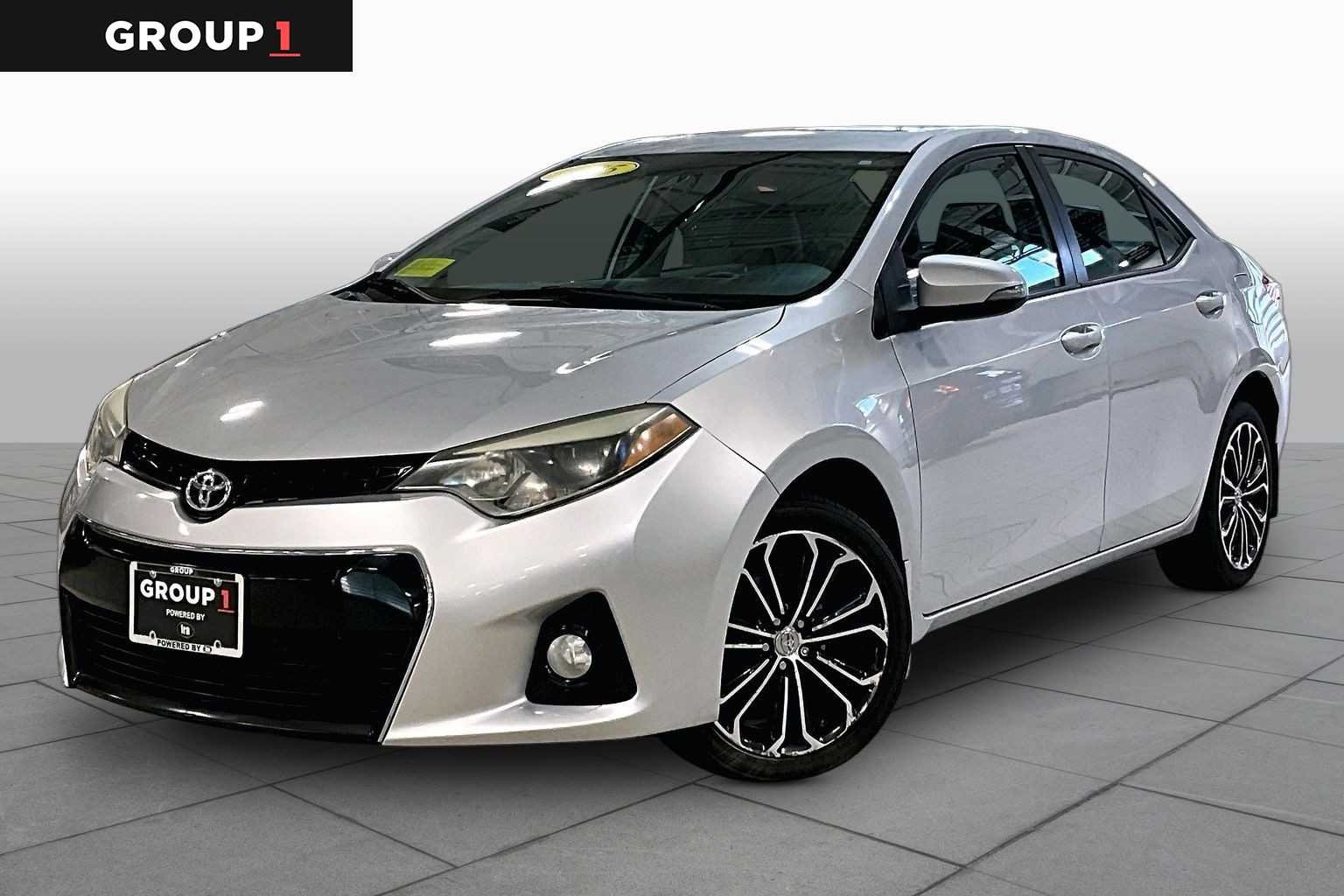
13.378 US$DEALER
13.878 US$
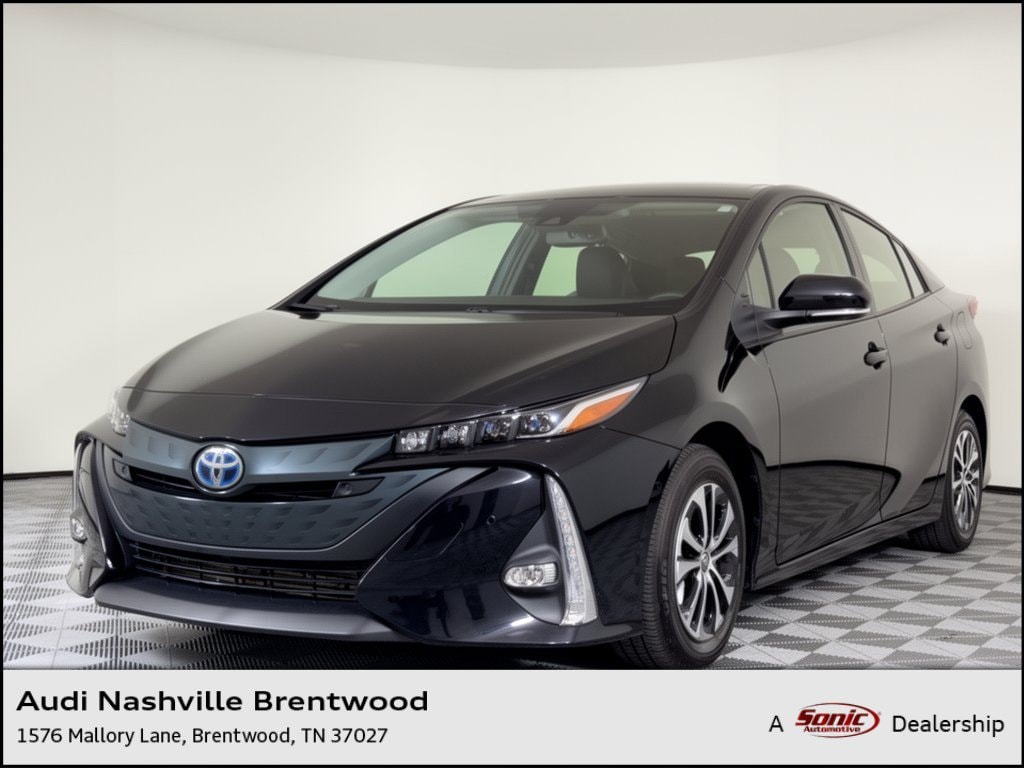
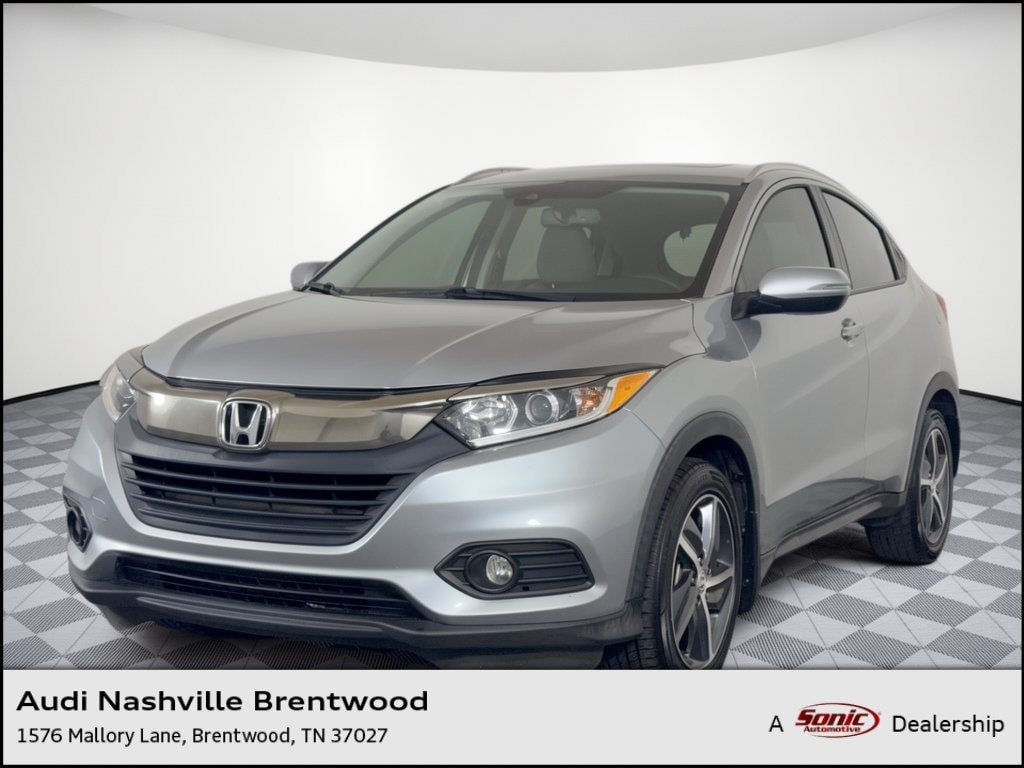
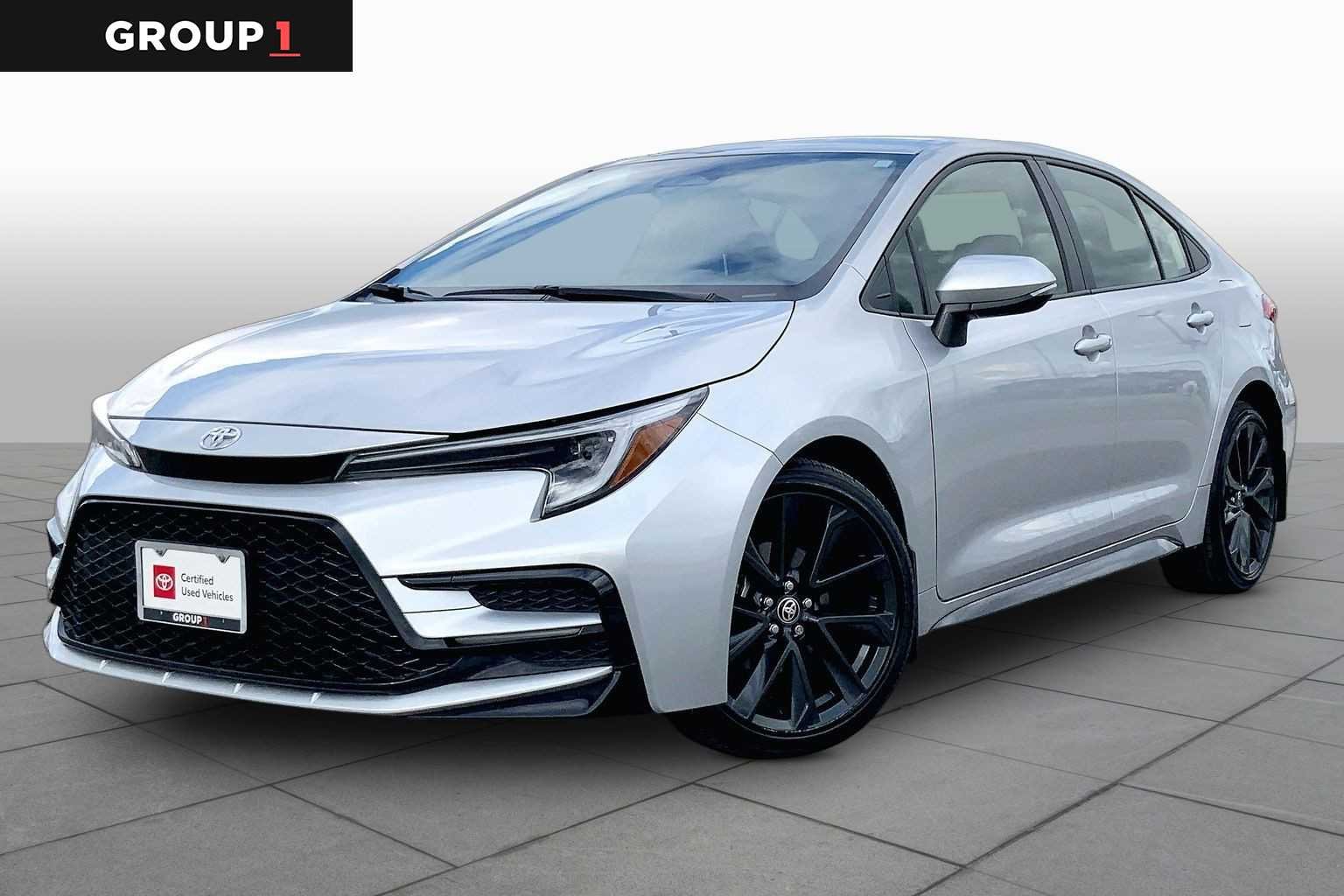
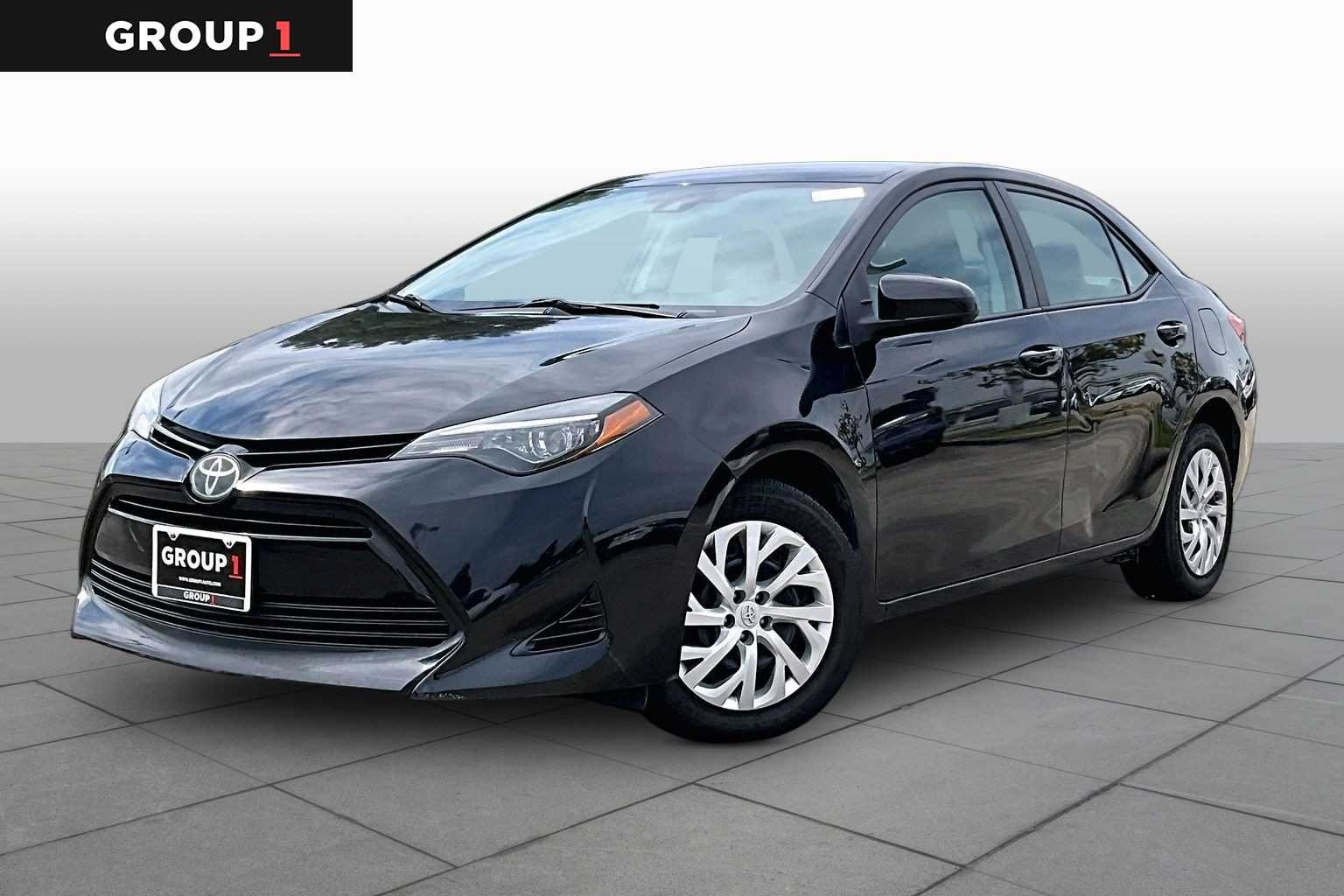
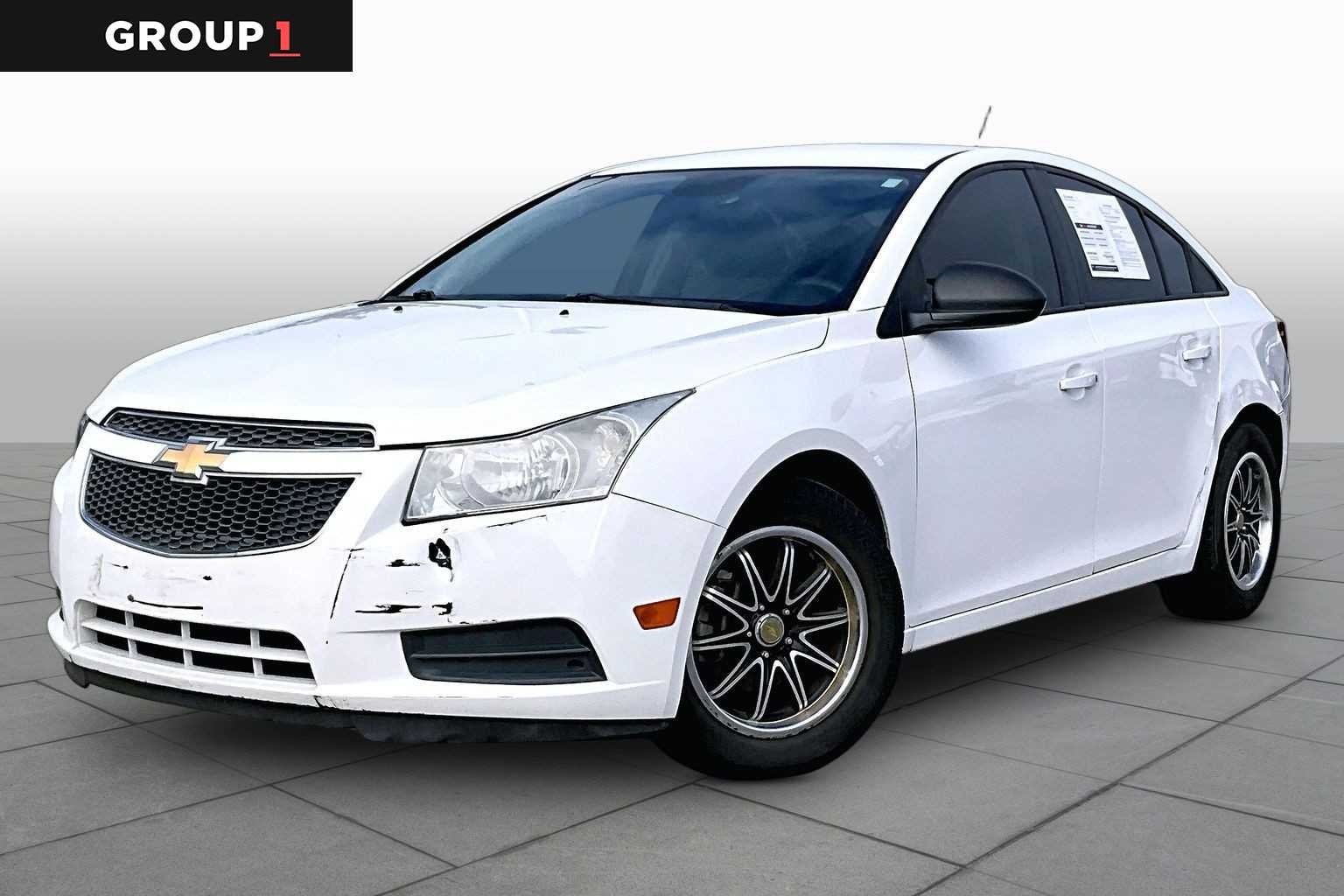
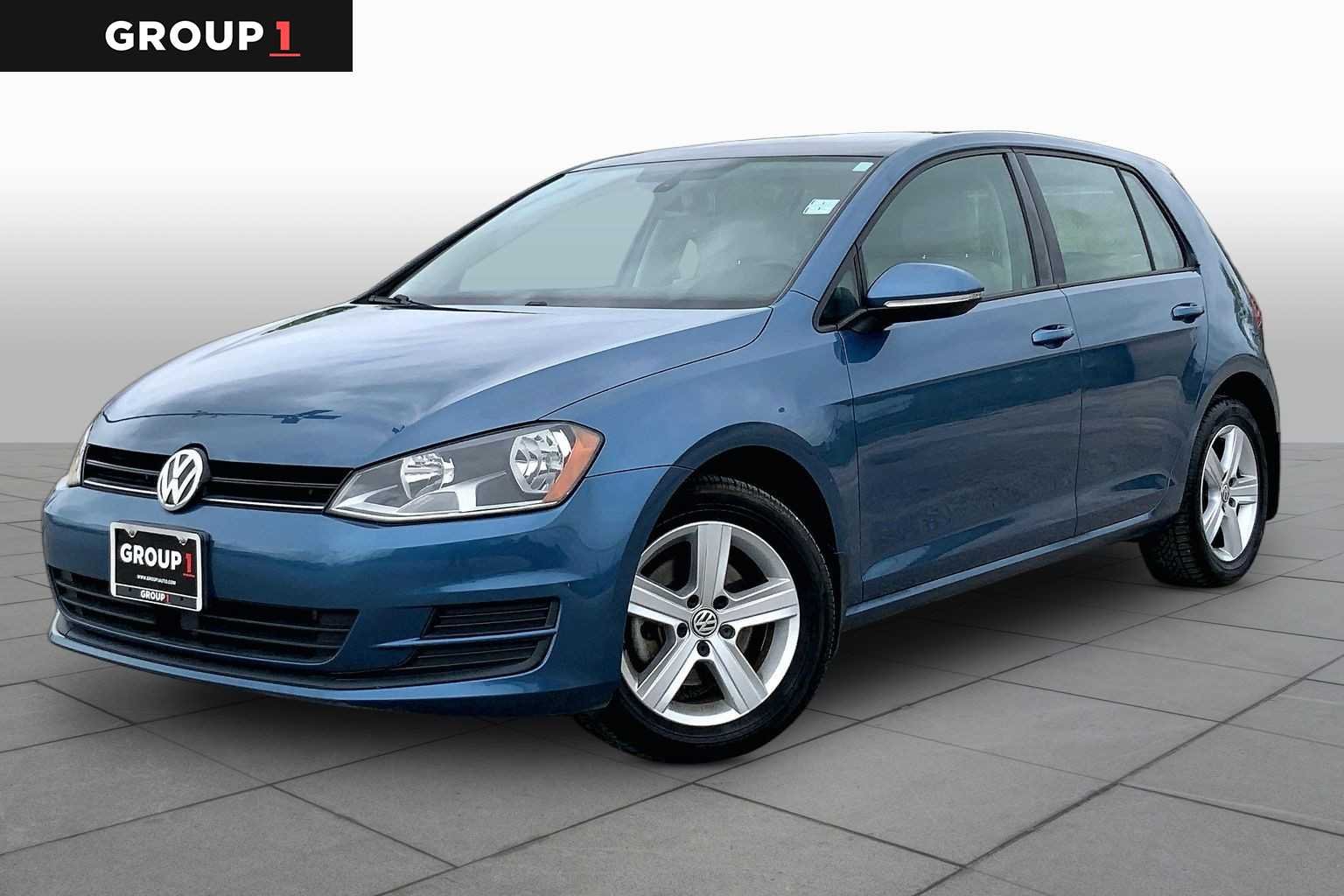
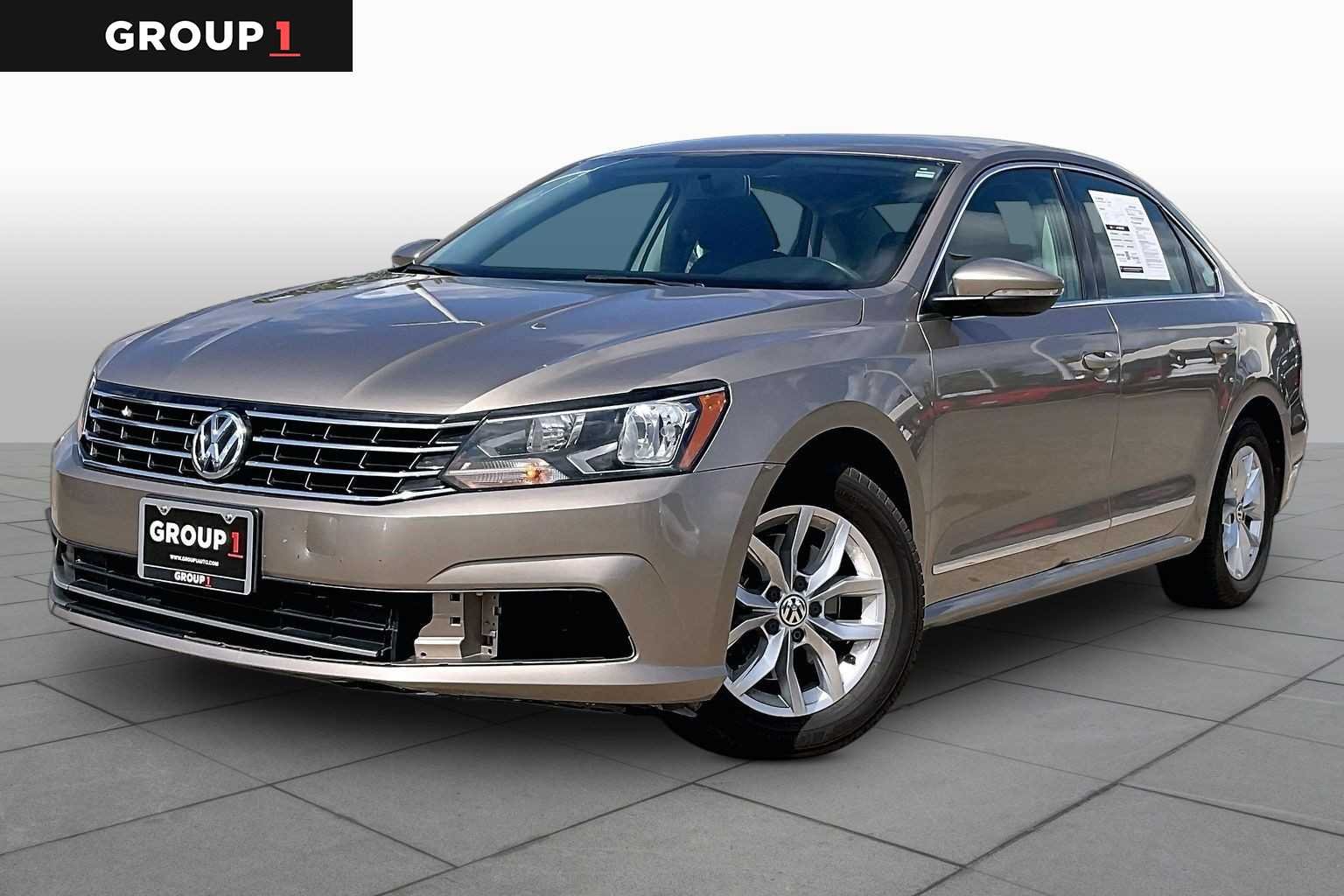
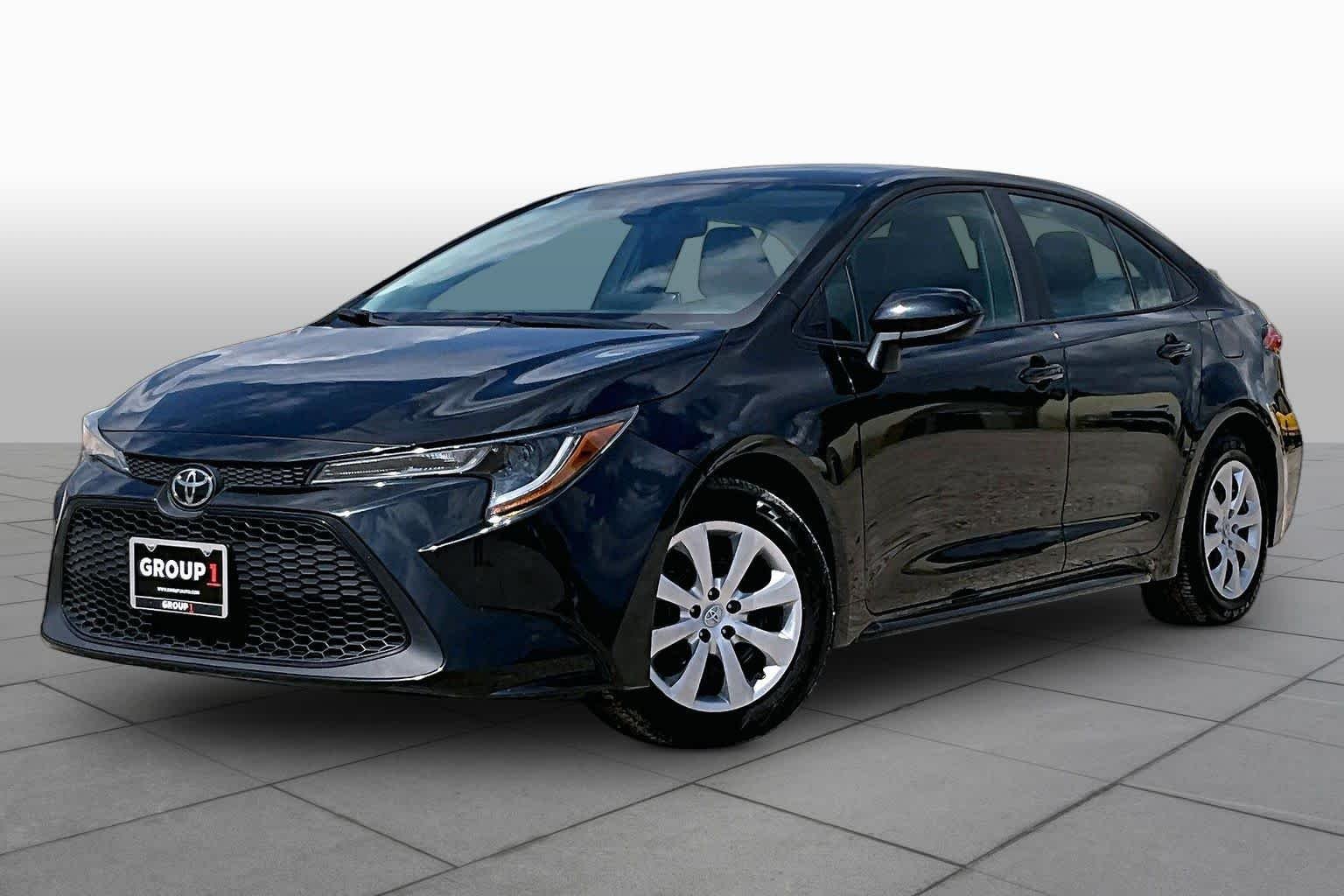
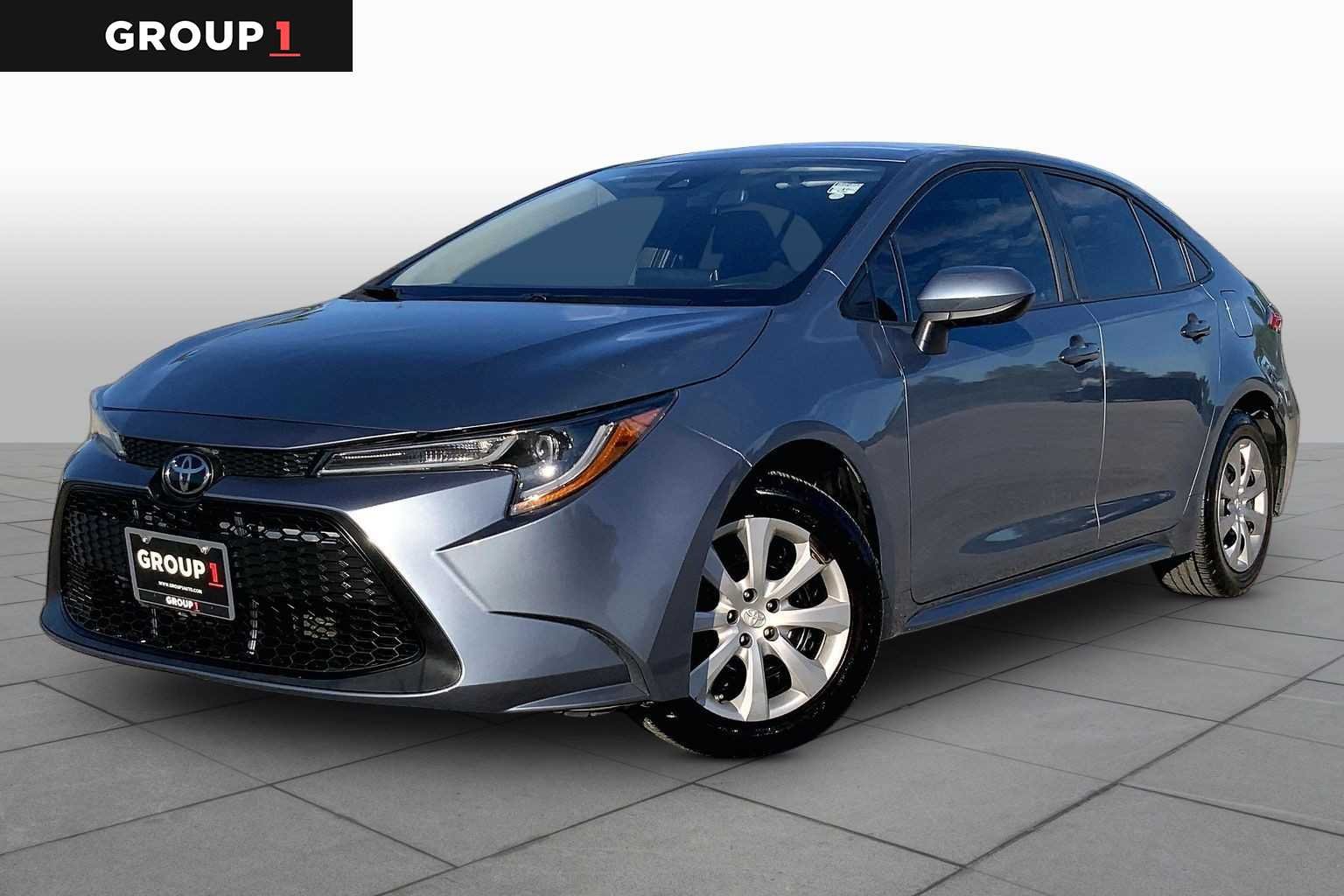
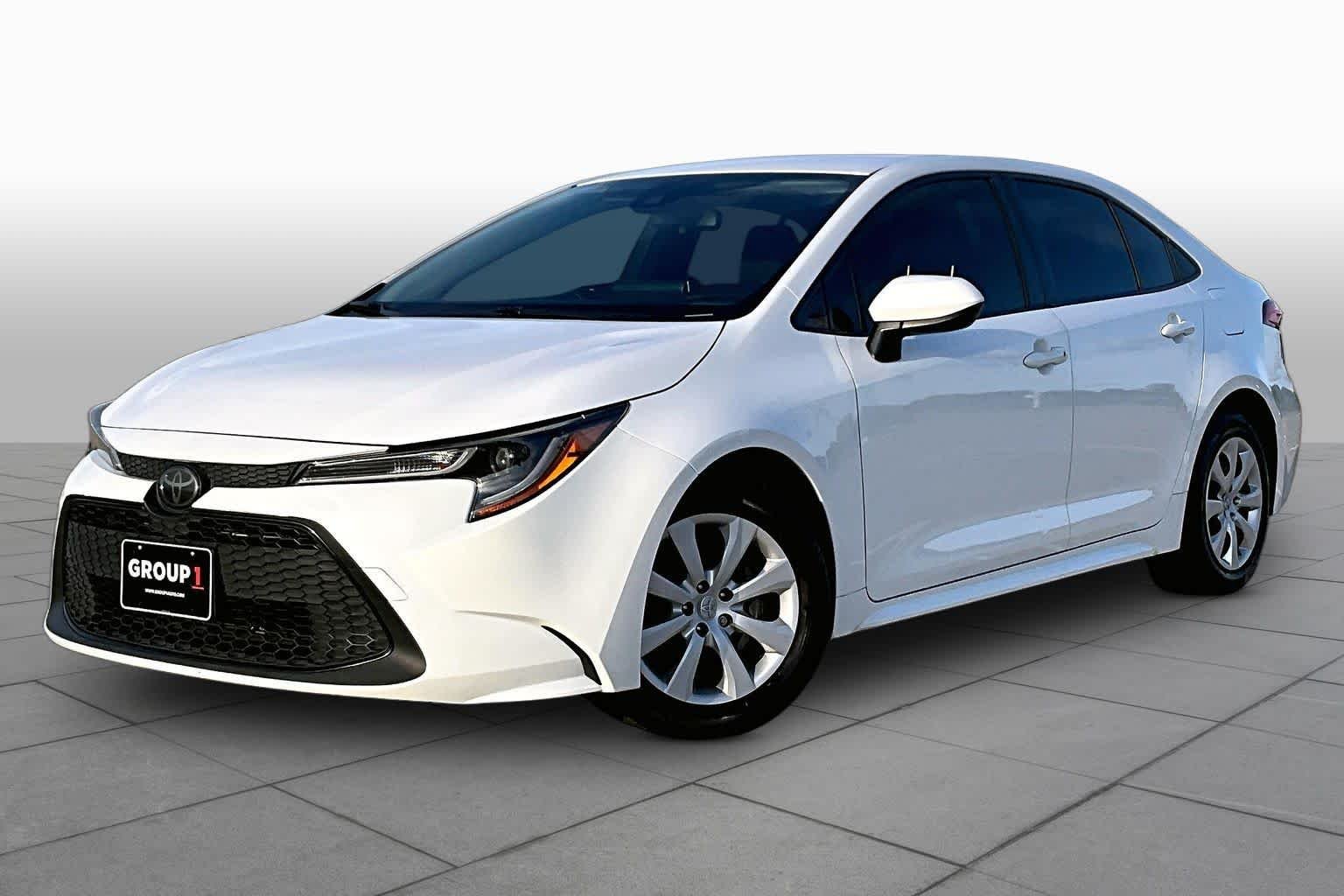
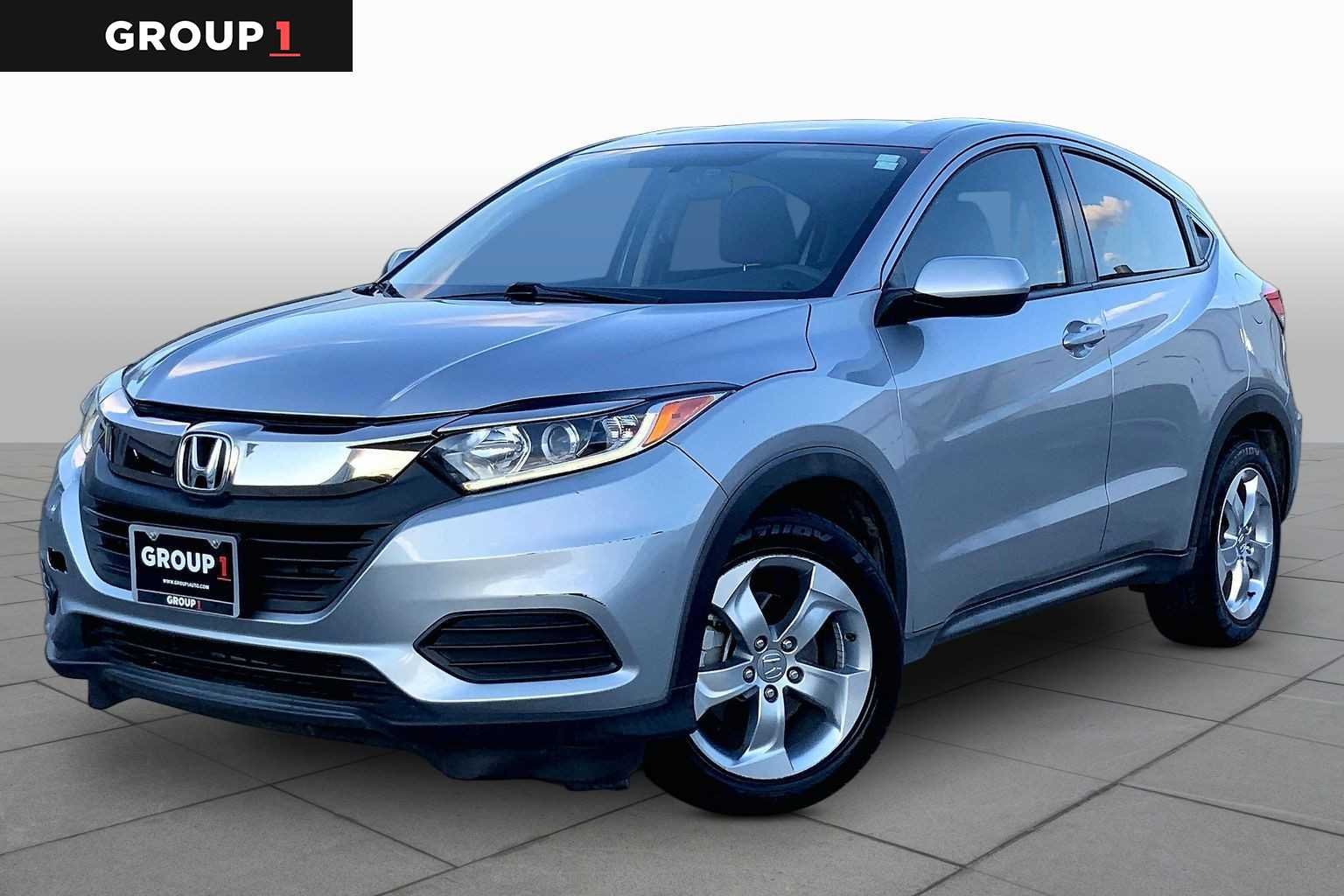
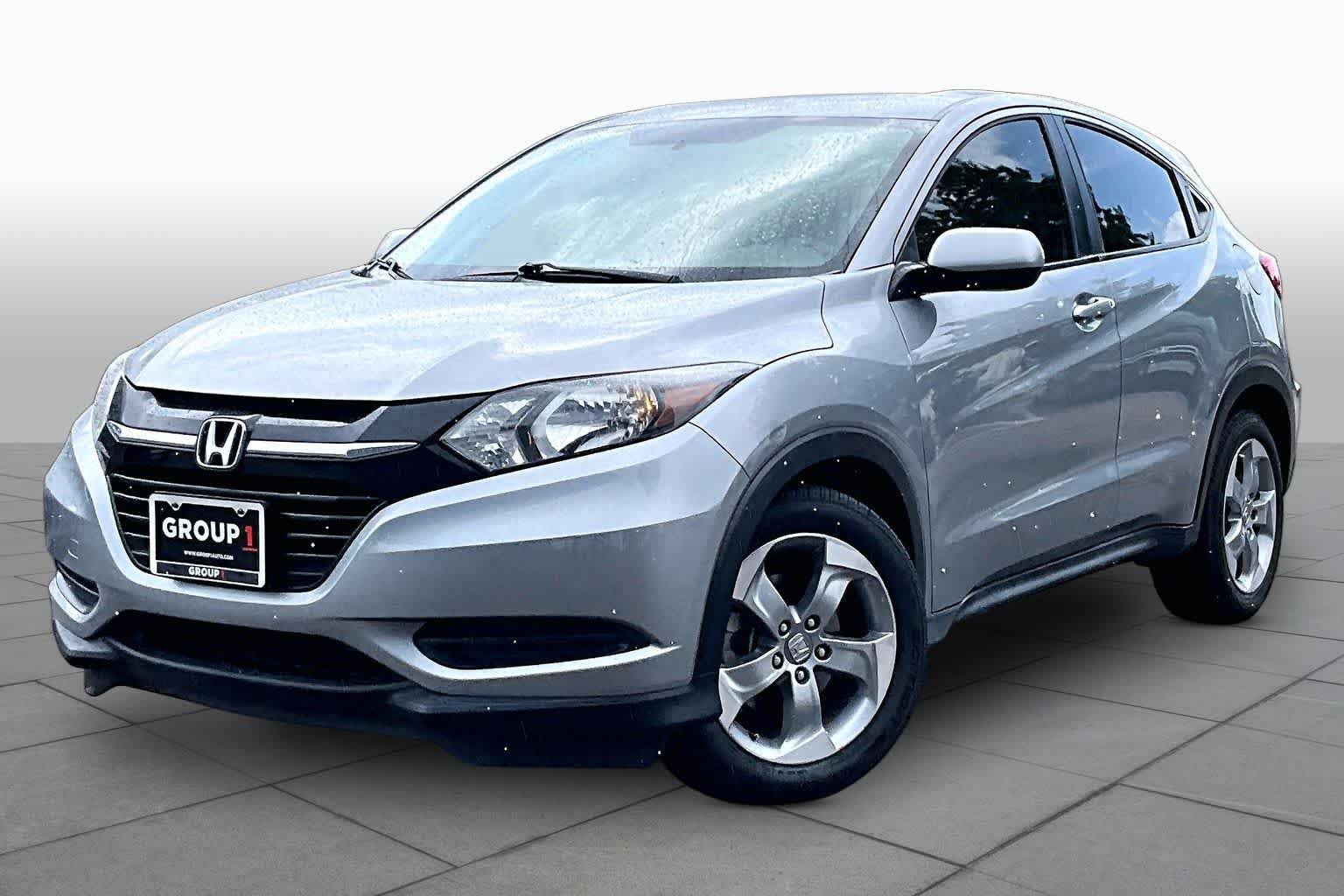
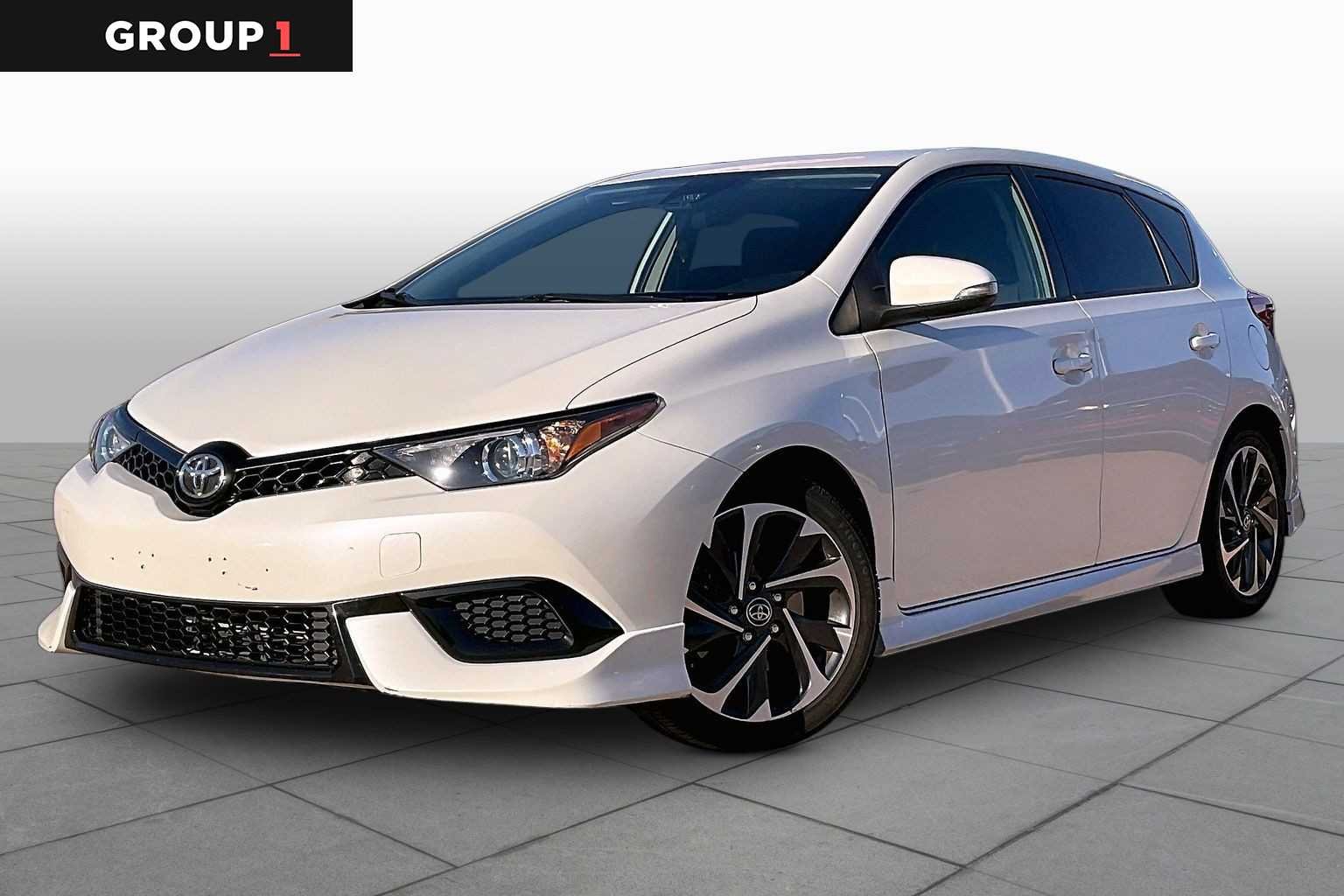
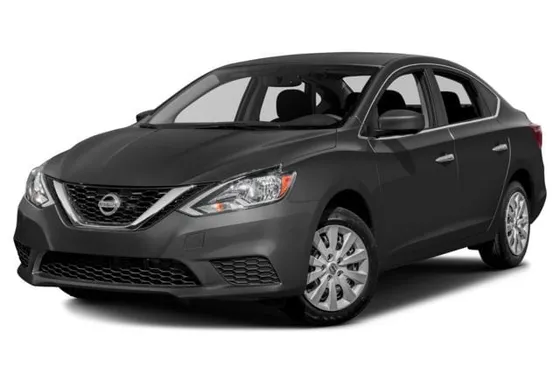
gasoline, automatic, 182K km, sedan, Front Wheels Drive, 1,800 cm3, 132 hp, silver, S Plus, Used condition, USA, In stock

Group1Auto.com
 South Shore, United StatesSouth Shore, United StatesBrentwood, United StatesBrentwood, United States
 Wayne, United StatesStewartsville, United StatesSouthwest, United StatesSouthwest, United StatesSouthwest, United StatesSouthwest, United StatesSouthwest, United StatesSouthwest, United StatesSouthwest, United StatesSouthwest, United StatesSouthwest, United States
 Orlando, United States
 Mishawaka, United StatesMishawaka, United States
 Mishawaka, United StatesMishawaka, United States
 Chevrolet, United StatesChevrolet, United StatesLot, United StatesLot, United StatesLot, United StatesTrade, United States
If you’re looking for a practical car with an engine in the 1.8–1.9 liter range, you’re in the right place. This size class often balances decent power with good fuel efficiency, making it popular for daily commutes and weekend trips. Below we cover how to choose a model, what to compare, and where to start the buying or selling process, with real-world considerations like brand reputation, model generation, body type, and mileage.
Many brands offer compact sedans, hatchbacks, and small SUVs with 1.8–1.9 L engines. This range typically provides sufficient torque for city driving and highway merging while keeping operating costs reasonable. When you search, you’ll see models across different body types and fuel configurations, including petrol and mild-hybrid options that improve efficiency.
Look for real-world fuel economy figures, typical maintenance costs, and known issues from owner reports. Check the availability of service centers in your city and country, and consider parts supply for the chosen brand. If you are in a city with strong dealership networks, you can often negotiate better prices or favorable financing.
If you already have a specific model in mind, such as a popular hatchback or compact sedan with a 1.8–1.9 L engine, you can refine your search by generation, year, and mileage to find the best balance between price and condition. This approach helps you compare similar vehicles side by side and make a smarter, more informed choice.
 Add as preferred sourceSee more from zvelta in Google Search Add as preferred source