 EN
ENDEALER
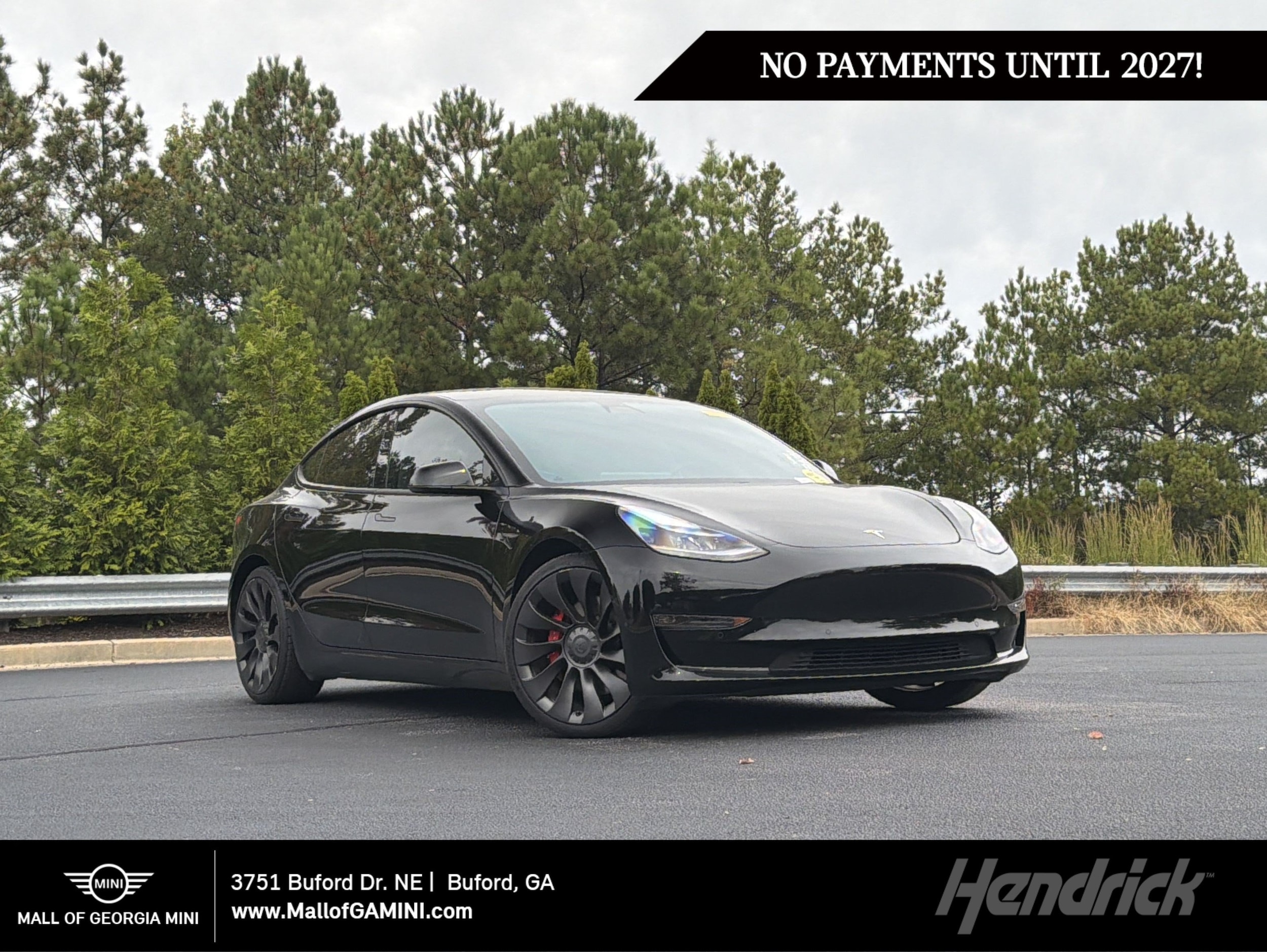
35.937 US$DEALER
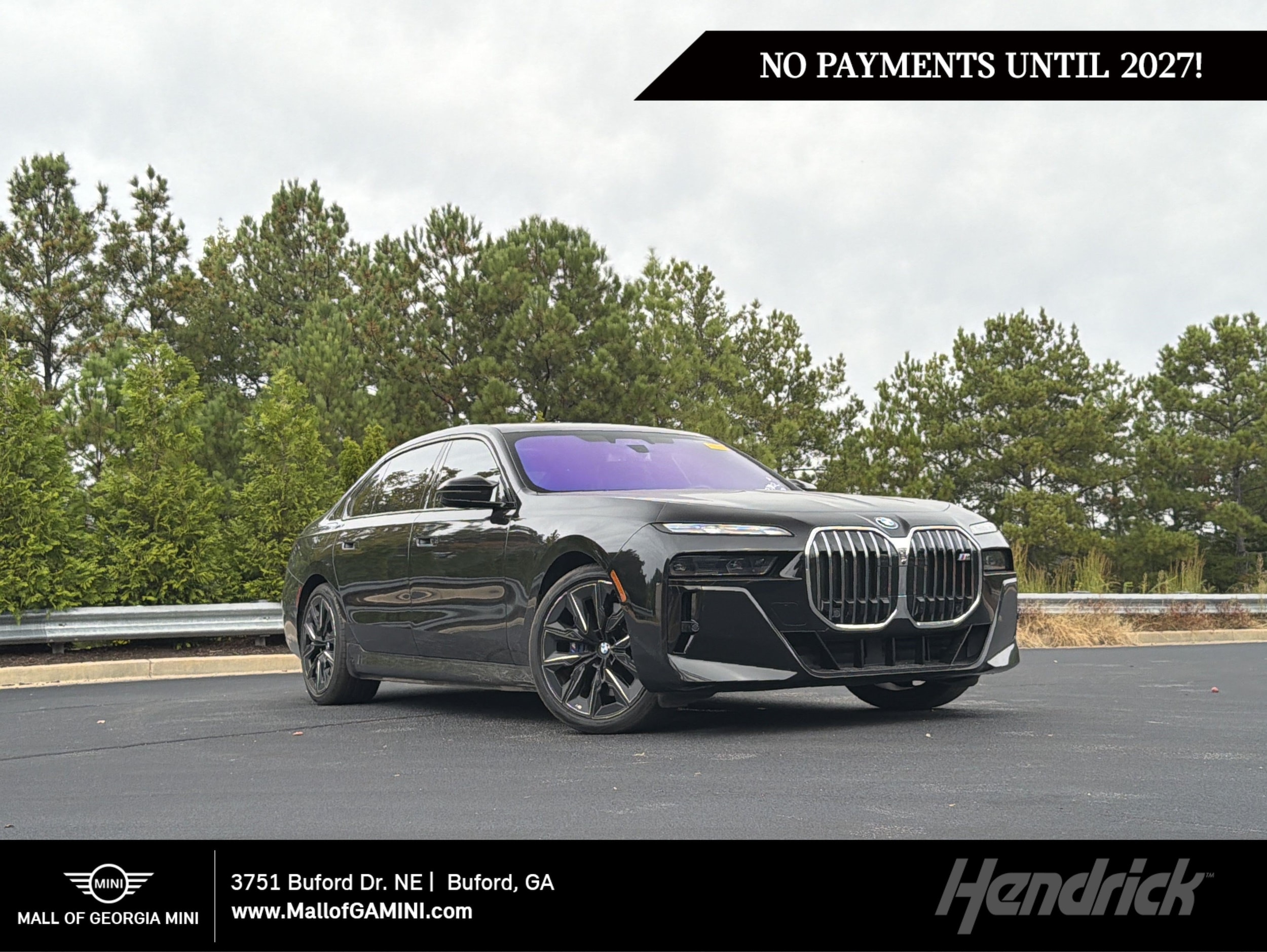
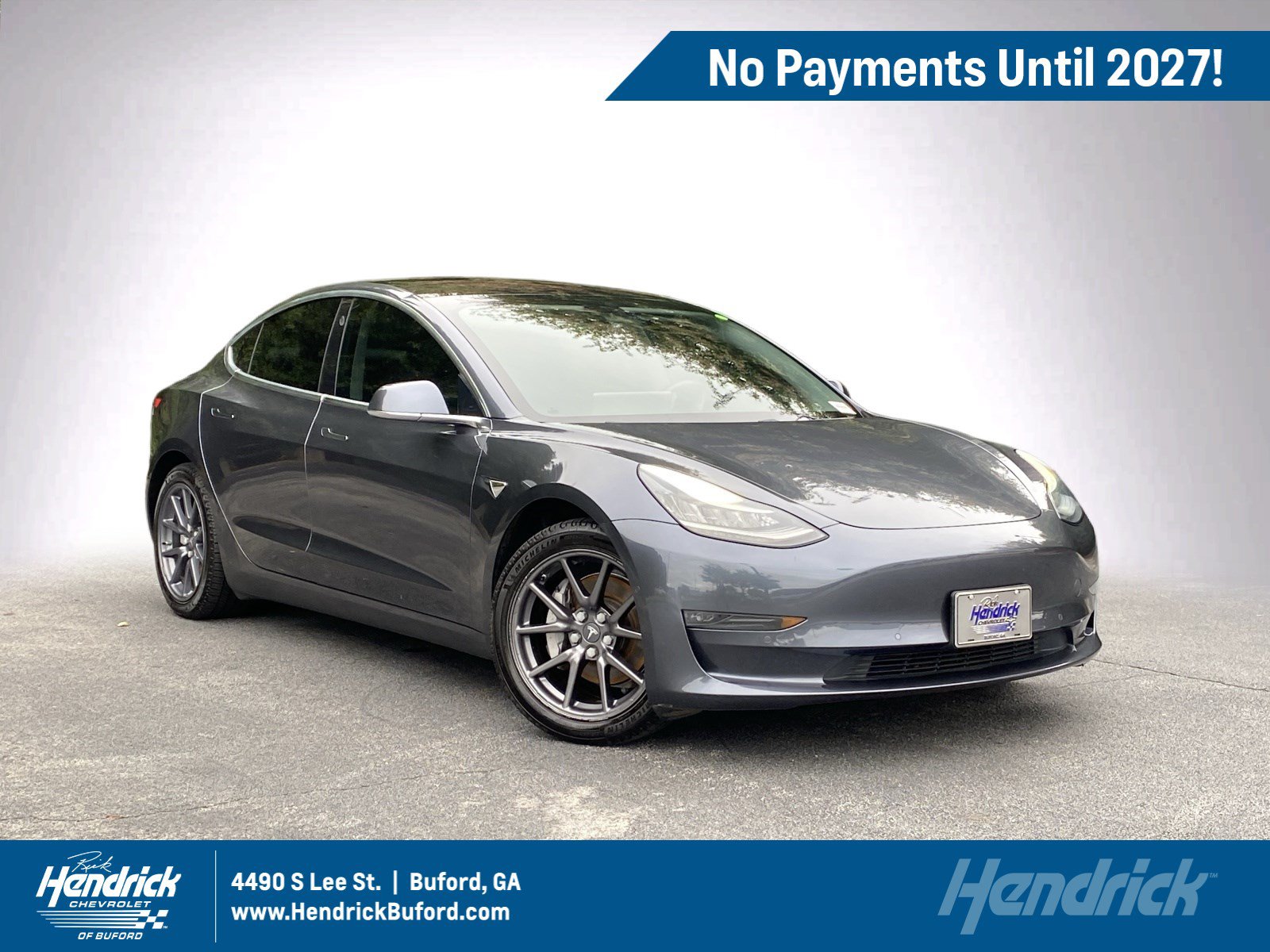
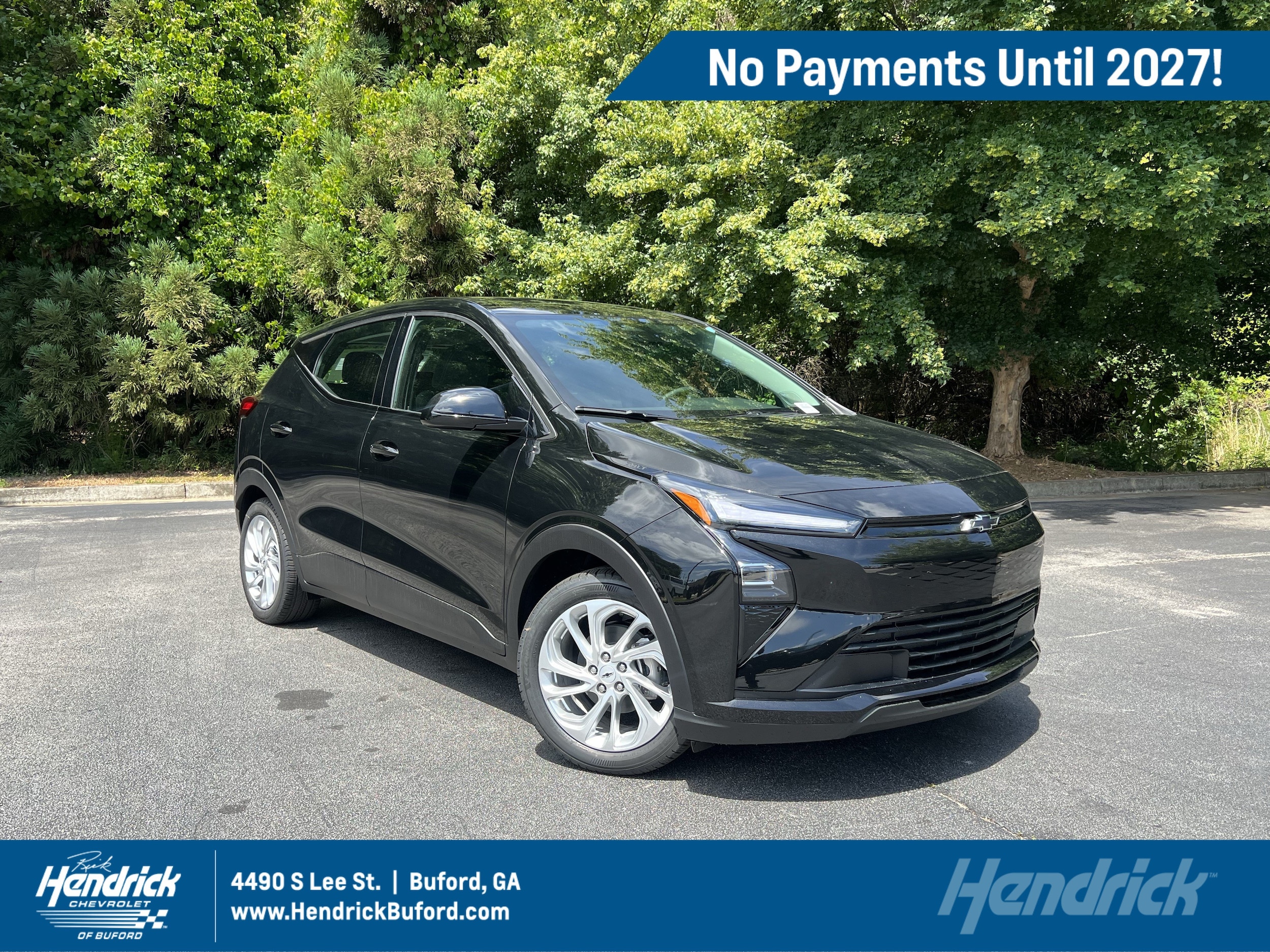
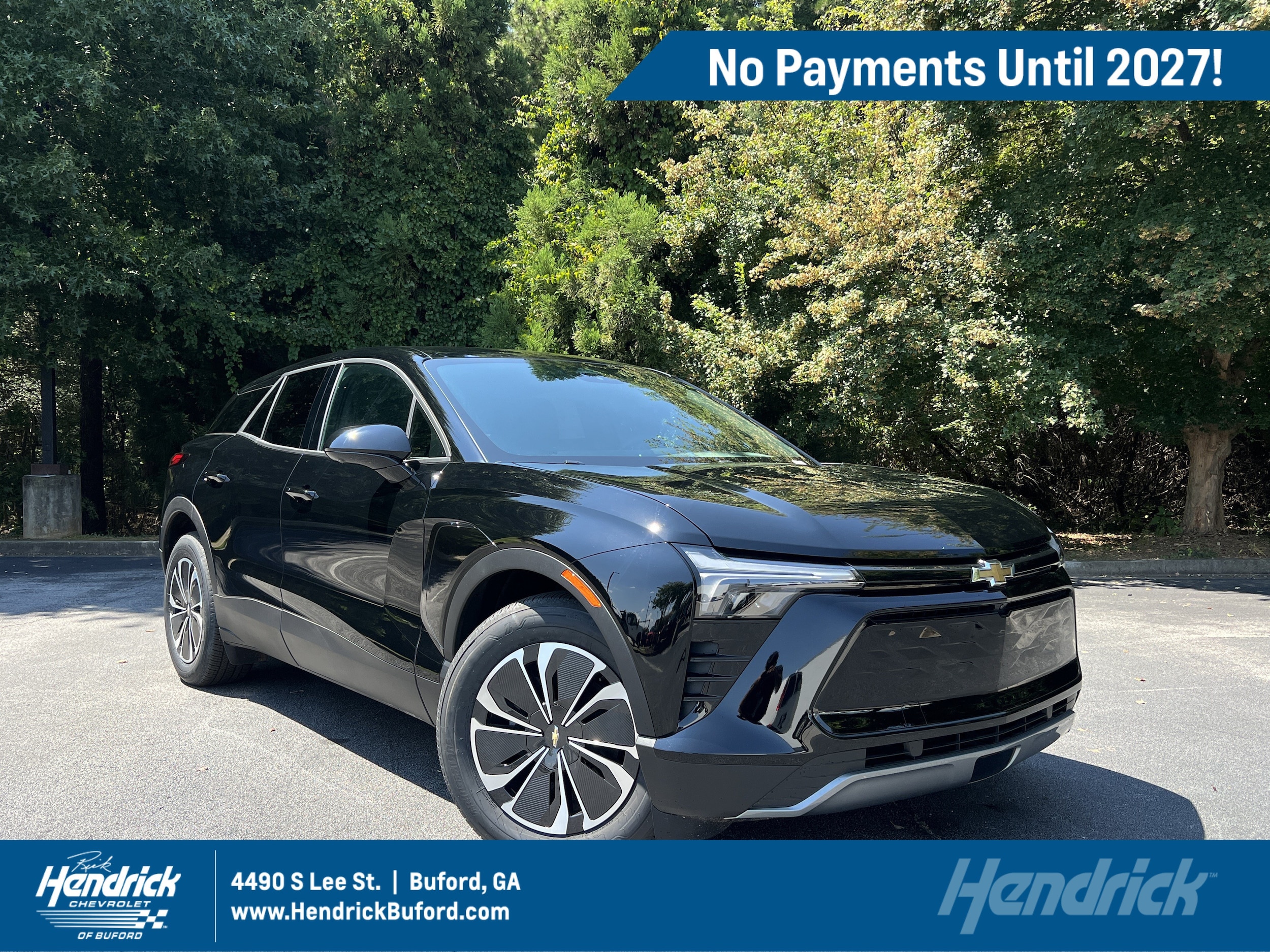
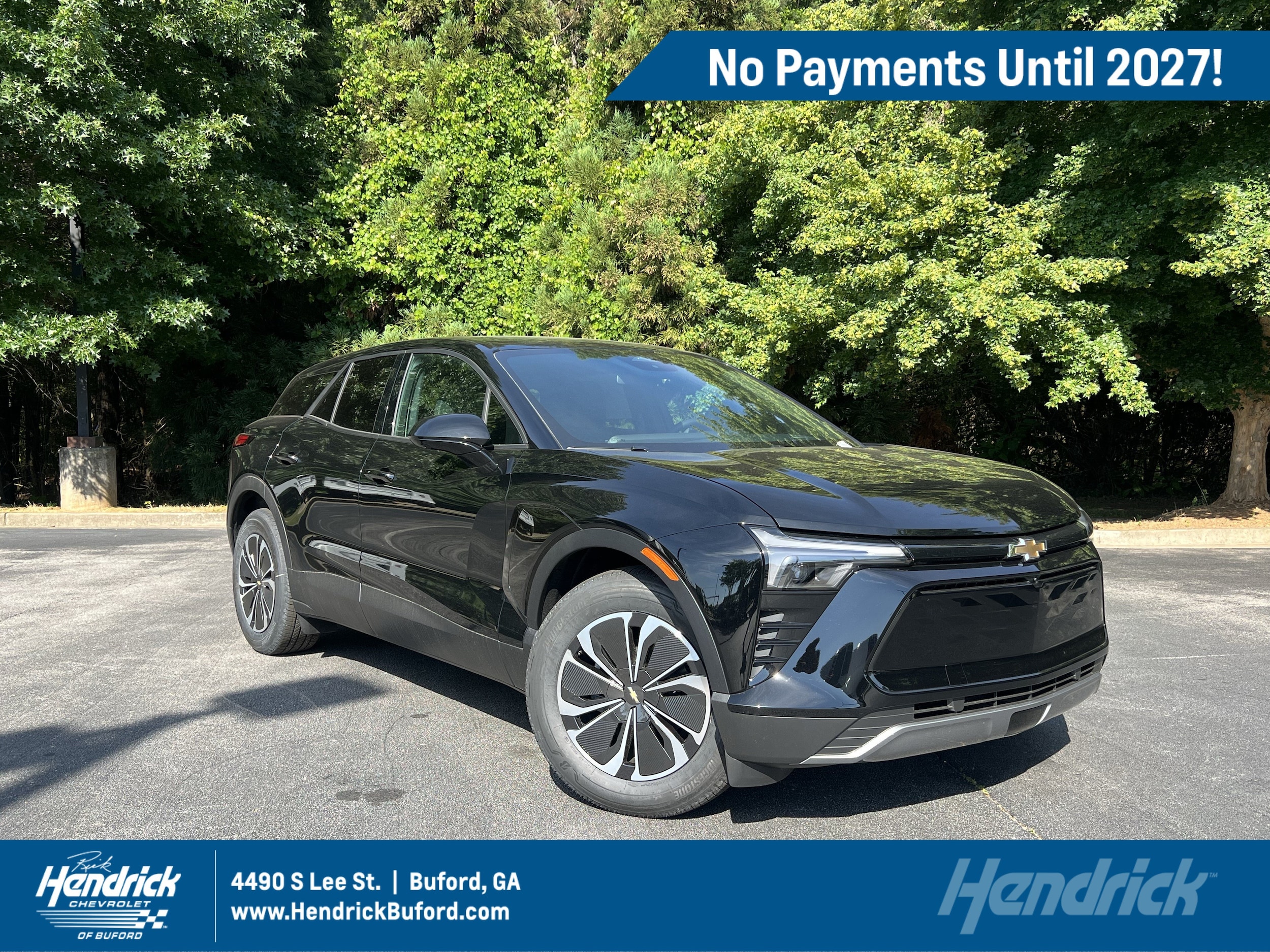
electric, automatic, 71K km, sedan, All Wheels Drive, black, Used condition, USA, In stock

HendrickCars.com
 Buford, United StatesBuford, United StatesBuford, United StatesBuford, United StatesBuford, United StatesBuford, United StatesBuford, United StatesBuford, United StatesBuford, United StatesBuford, United StatesBuford, United StatesBuford, United StatesBuford, United StatesBuford, United StatesBuford, United StatesBuford, United StatesBuford, United StatesBuford, United StatesBuford, United StatesBuford, United StatesBuford, United StatesBuford, United StatesBuford, United StatesBuford, United StatesBuford, United StatesBuford, United States
Electric cars have moved from niche to mainstream, offering quiet operation, lower running costs, and reduced emissions. If you’re in the market for a new or used electric vehicle, understanding the options helps you make a smarter choice about brand, model, generation, and price. This guide focuses on electric sedans, SUVs, and hatchbacks suitable for city commuting and longer trips, with practical tips for buyers and sellers alike.
When evaluating electric cars, several factors matter: brand and model reputation, generation differences, battery capacity, range, charging options, and total cost of ownership. Popular brands and models include compact hatchbacks for daily city driving and family SUVs for longer weekend trips. Look at the year, mileage, and remaining warranty to gauge reliability and expected maintenance costs. If you plan longer journeys, consider a model with a larger battery and fast charging capabilities, as well as an extensive fast-charging network in your country or city.
Key questions buyers ask include: What is the real-world range? How long does the battery last? What charging options are available at home, work, or public stations? Which engine configurations or trim levels offer the best value? For sellers, preparing the car for sale means sharing clear data: year, mileage, condition, and any recent battery health checks.
For cities with robust charging networks, buyers often prioritize models with higher efficiency and faster charging speeds. Sellers should provide service records, firmware update history, and any accessory fitments that add value. In many markets, electric cars hold their value well when they combine reliable battery technology with strong after-sales support.
Whether you are buying or selling, think about your typical driving miles per week, access to charging, and expected resale value. With the right model and proper preparation, electric cars can offer a smooth transition to sustainable mobility across many cities and countries.
 Add as preferred sourceSee more from zvelta in Google Search Add as preferred source